

Global coffee, cocoa, and tea prices have recently experienced significant fluctuations, exacerbated by several factors, as explained in a recent report by the Food and Agriculture Organization of the United Nations (FAO).
The report, released on Tuesday, July 14, 2026, and received by Food & Climate, is titled “Price Dynamics in Global Beverage Markets: Trends, Drivers, and Outcomes.” It highlights the need to strengthen production systems, improve market transparency, and support a more equitable distribution of value across the value chain to enhance market stability and protect livelihoods.
The report indicates that real, short-term price movements are primarily driven by changes in supply and demand conditions, which account for more than 90% of observed price dynamics.
The recent price volatility for coffee, cocoa, and tea is influenced by the physical and economic characteristics of these commodity markets.
Global Coffee, Cocoa, and Tea Prices and production
“In recent years, Global Coffee, Cocoa, and Tea Prices have risen at a much faster rate than other agricultural commodities,” said Boubaker Ben Belhassen, Director of the FAO’s Markets and Trade Division. “The combination of concentrated supply and rising global consumption creates a fertile ground for sharp fluctuations in their international prices.”
He added: “Climate shocks—such as drought, frost, and heavy rainfall—remain the main drivers of rising coffee, cocoa, and tea prices. Plant diseases, rising input and labor costs, geopolitical tensions, and shipping delays have added to the pressure.”
Read also: Indonesian Official: Coffee prices hike not due to climate change (Exclusive)
The FAO report shows that global coffee, cocoa, and tea production is concentrated in a relatively small group of countries. Brazil and Vietnam account for about half of global coffee production, while five countries export about 65% of total coffee exports.
Cocoa production is even more concentrated, with Côte d’Ivoire and Ghana providing more than two-thirds of global production, while China accounts for more than half of global tea production.
In light of the report’s findings, this focus makes global prices highly sensitive to local shocks.
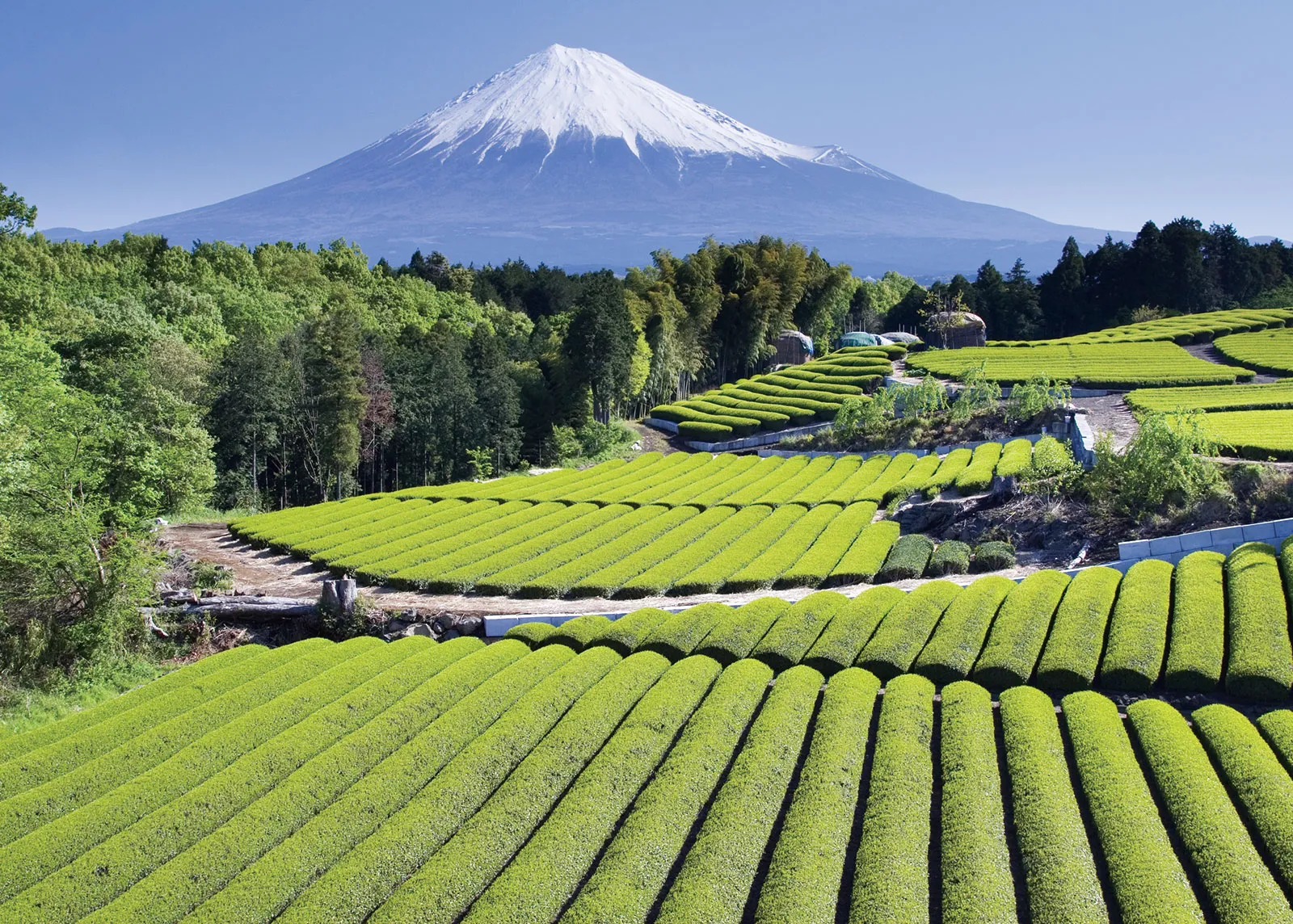
Because short-term price movements are primarily driven by supply and demand conditions, any disruptions in a few major producing countries can quickly translate into significant global price volatility. Conversely, demand is more geographically distributed and continues to expand, particularly in emerging economies.
Shocks in producing countries
Recent developments in coffee, cocoa, and tea prices illustrate how local shocks can translate into global price volatility.
Global coffee prices rose sharply in 2021–22 following droughts and frost in Brazil and adverse weather conditions in Colombia, and reached record highs in early 2025 amid climate-related production losses in Vietnam and Indonesia.
Read also: Using only 30% of cocoa fruit, Nestlé develops technology to produce chocolate with the same taste
Cocoa prices also rose sharply in 2023-2024, following reduced production in Côte d’Ivoire and Ghana due to adverse weather conditions and plant diseases. Tea markets, however, exhibited a different pattern, with price increases during the COVID-19 pandemic driven primarily by increased demand linked to higher household consumption and anticipated health benefits.
Less benefit for farmers
The FAO report indicated that changes in global coffee, cocoa, and tea prices are not reflected equally across the value chain. Increases do not fully translate into higher agricultural product prices, and price decreases, particularly at the consumer level, are only partially transmitted, as is evident in the case of chocolate.
At the retail level, the impact of global price changes is generally limited, partly because raw coffee, cocoa, and tea represent only a small percentage of final product costs.
The extent of this price transmission varies between countries, reflecting differences in market structure, domestic and trade policies, and transaction costs.
The report called for coordinated policy action to address structural weaknesses and mitigate the impact of shocks.
Read also: Coffee prices in Australia are rising due to the Chinese
The report argues that enhancing resilience is crucial, including through investment in climate-resilient agricultural systems, effective pest and disease management, and improved risk management tools to stabilize production and incomes.
Equally important is improving market efficiency and transparency. Enhanced data on crop status, stocks, and trade flows can reduce uncertainty and support price stability.
Finally, promoting a more equitable distribution of value is essential. Enabling producers to develop their products within value chains—including through processing, certification, and branding—can increase their share of value and foster inclusive and sustainable development.
More details: