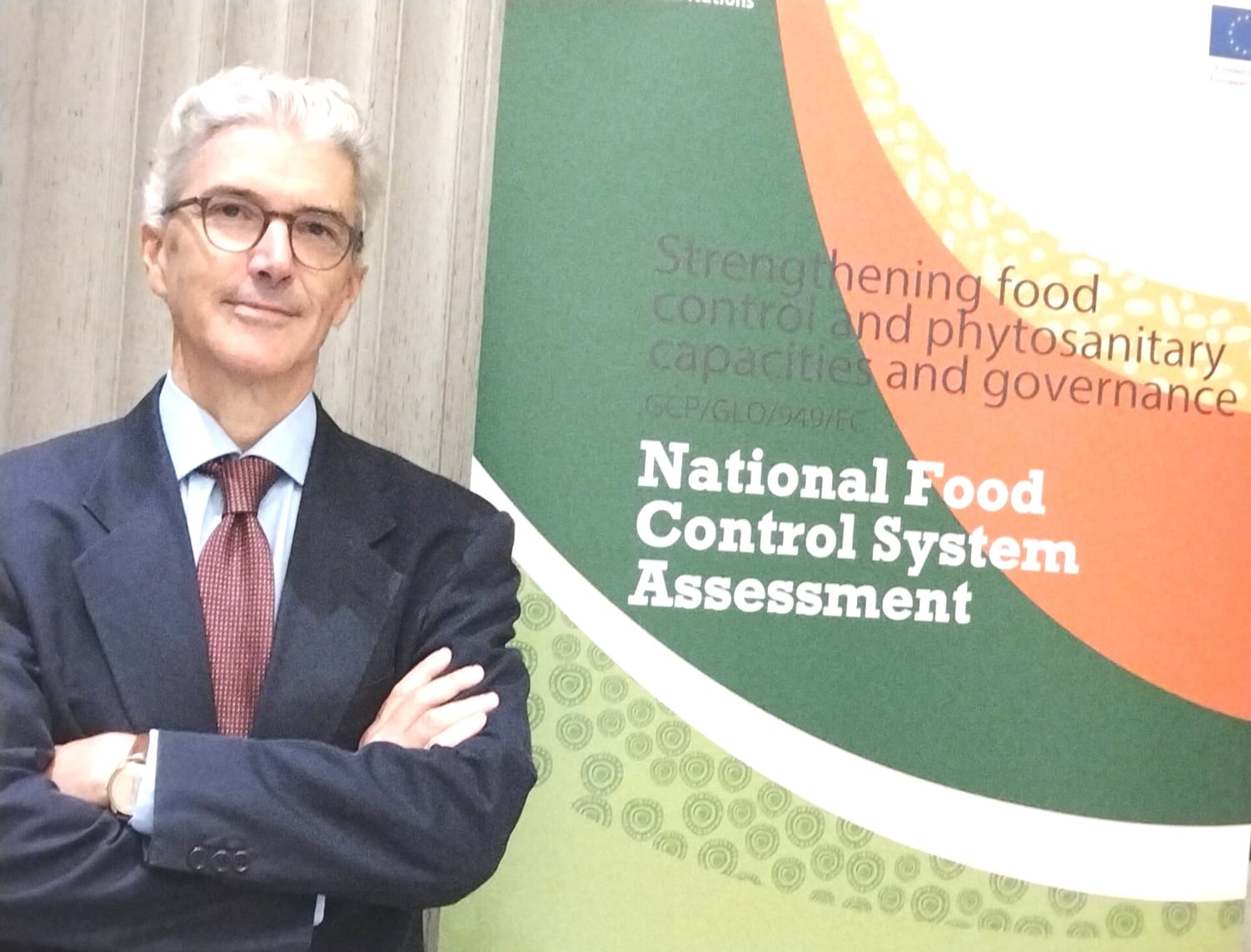
European farmers want EU authorities to open their markets further to obtain more Egyptian fertilizers, according to Nikolaos Zaimis, Minister counsellor, and head of trade section in European embassy in Egypt.
In statements to “Food & Climate” on the sidelines of a recent conference in Cairo, Zaimis said that Egyptian fertilizers rank second in European imports after Russia, and European countries want more of them.
He added that if other factors affect Russian exports, Egyptian fertilizers will take their place in EU markets.
Europe imposes numerous sanctions on Russia, including on fertilizers, but the US-Israeli attack on Iran on February 28, 2016, negatively impacted a third of global fertilizer exports originating from the Gulf region, which benefited Russia.
Zaimis pointed out that the European carbon tax, which will be imposed on many types of products entering European markets, will apply to fertilizers, but Egyptian fertilizers are in a good position.
The European Union suspended the application of the carbon tax on some types of fertilizers for one year in May 2026 due to global market volatility. Zaimis explained the philosophy behind the carbon tax and other details in the following interview:
The carbon tax is being applied to fertilizers, which means that Egyptian fertilizer exports to the continent, and European farmers themselves, will be negatively impacted. What is your comment on this?
Egyptian fertilizers are in a very good position. Until last year (2025), they ranked second only to Russian products in European imports.
I cannot comment on Russian fertilizer imports to Europe, but if something happens that affects Russian products, Egyptian fertilizers will be at the forefront.
Read also: EU official to “Food & Climate”: European food imports will not be affected by carbon tax
We need Egyptian fertilizers, and farmers in our countries are asking us to open markets to buy more Egyptian fertilizers.
Is Europe heavily dependent on fertilizer imports?
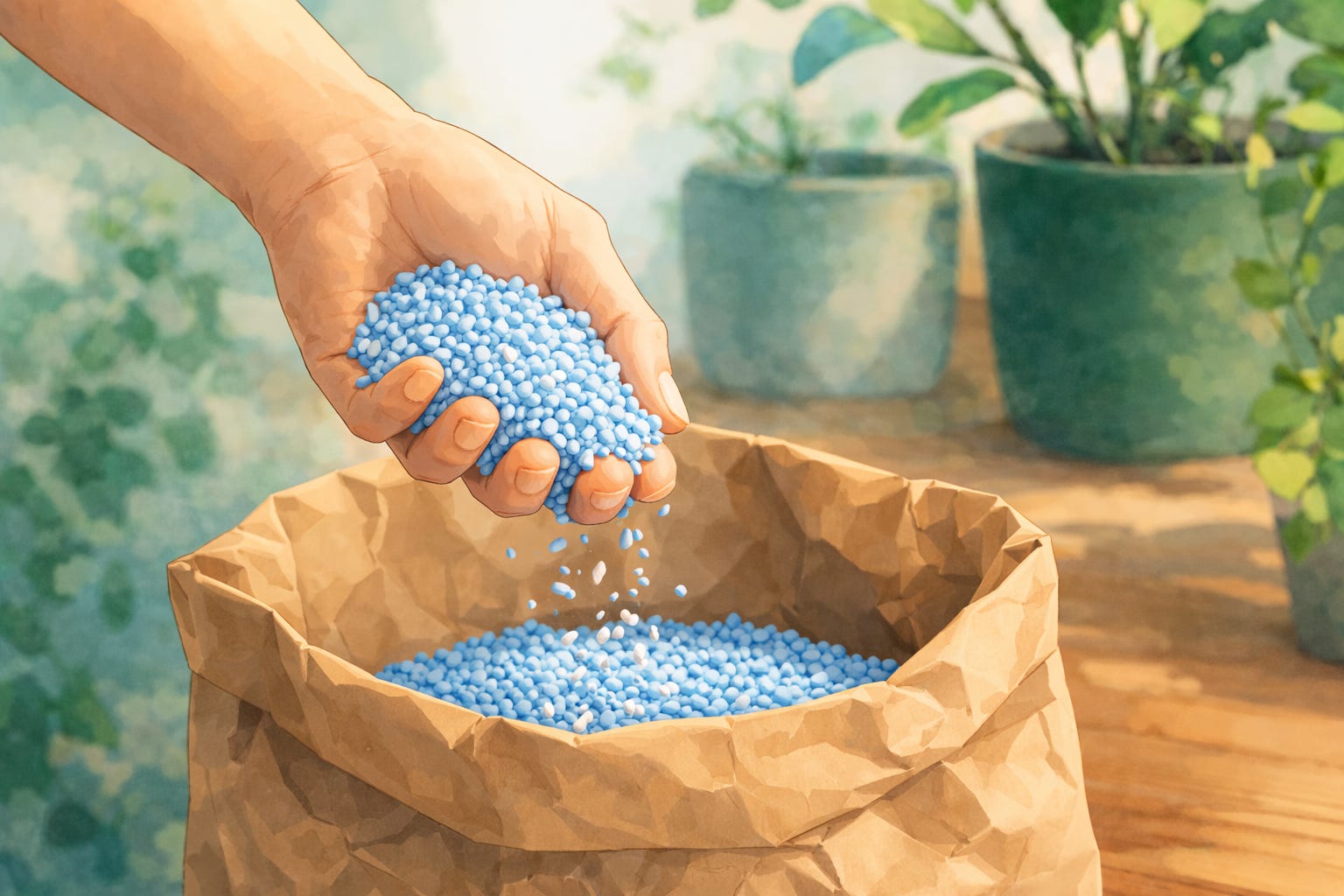
Yes, EU countries don’t produce much fertilizer and rely heavily on imports, sometimes exceeding half their needs. The same applies to steel, aluminum, and cement. The question is, where do we buy these products?, and the answer is from countries with environmentally friendly practices.
Is Egypt one of these countries?
I know that significant efforts are underway to make Egyptian fertilizers more environmentally friendly by increasing reliance on renewable energy.
In fact, I believe Egypt will benefit in the medium and long term because it will have access to very cheap renewable energy and will be able to produce fertilizers at highly competitive prices, while other producers in other countries may not have such affordable renewable energy.
Therefore, I believe Egypt has a competitive advantage, provided it invests in renewable energy sources.
The war in Iran caused significant disruptions in the fertilizer and energy markets. How do you see the future of trade in the fertilizer sector, which is linked to food production?
The war raised energy prices in Egypt and Europe and caused considerable turmoil in Asia.
This war has prompted a change in approaches, and we in Europe are working on energy security by focusing on renewable energy. If we focus on renewable energy sources, we will not need to import as much gas or oil, but I am not saying that it will cover all the needs.
How will the Carbon Border Tax (CEPAM) affect Egypt’s exports to Europe?
CEPAM is a fee that exporters must pay when shipping certain products, such as steel or aluminum, to the European Union.
The EU imposed it (starting in early 2026) with the aim of making our domestic industry more sustainable, and we are also trying to encourage our partners to do the same.
Of course, we have to ask our industry to pay, and our industry pays fees to become more sustainable by purchasing certifications. Therefore, we don’t call it CEPAM but rather the Emissions Trading System.
The name is different, but it implies a cost. We want to level the playing field and ensure that producers who are working within the EU to make their industry environmentally friendly don’t have to compete with polluting products from abroad, because there is a risk.
The business community told us: if we don’t do anything, we will move our production outside the EU because we won’t pay anything then. So there is a risk of leakage, as we call it. The idea is to provide the same conditions for European producers.
Is this the same problem that led European farmers to reject the Mercosur agreement between the bloc and Latin America?
We signed the agreement, and I believe it will come into effect this July, with some conditions in the agricultural sector. However, the delay in Mercosur was due to reasons beyond environmental concerns.
Read also: Carbon tax will be very small initially in 2026, European official to “Food & Climate”
In the European Union, we have very strict health and food crop standards, perhaps the strictest in the world. Therefore, we know that many countries outside the EU don’t have these standards, but when they export to the EU, they need to meet some of our standards, especially those related to safety.
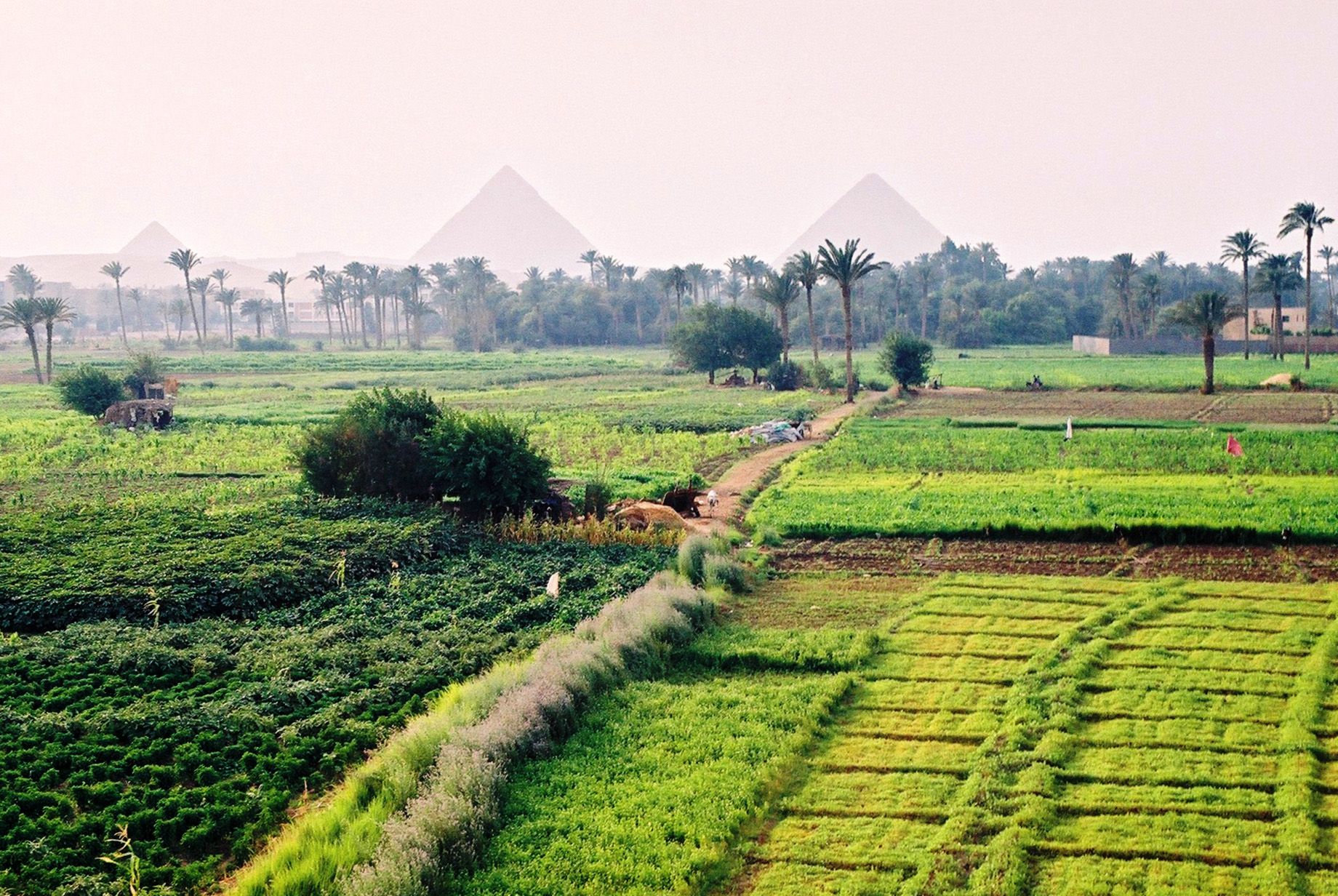
I’ll give you a good example: Egypt has been a success story because it has managed to export a lot of agricultural and food products to the EU, which means that Egyptian producers can meet these very strict standards.
The quality of Egyptian agriculture has improved. I say this because I’ve seen the figures. I’ve been here in Egypt for three years, and before that, your agricultural exports to the EU were €700 million. They increased to almost €3 billion last year.