
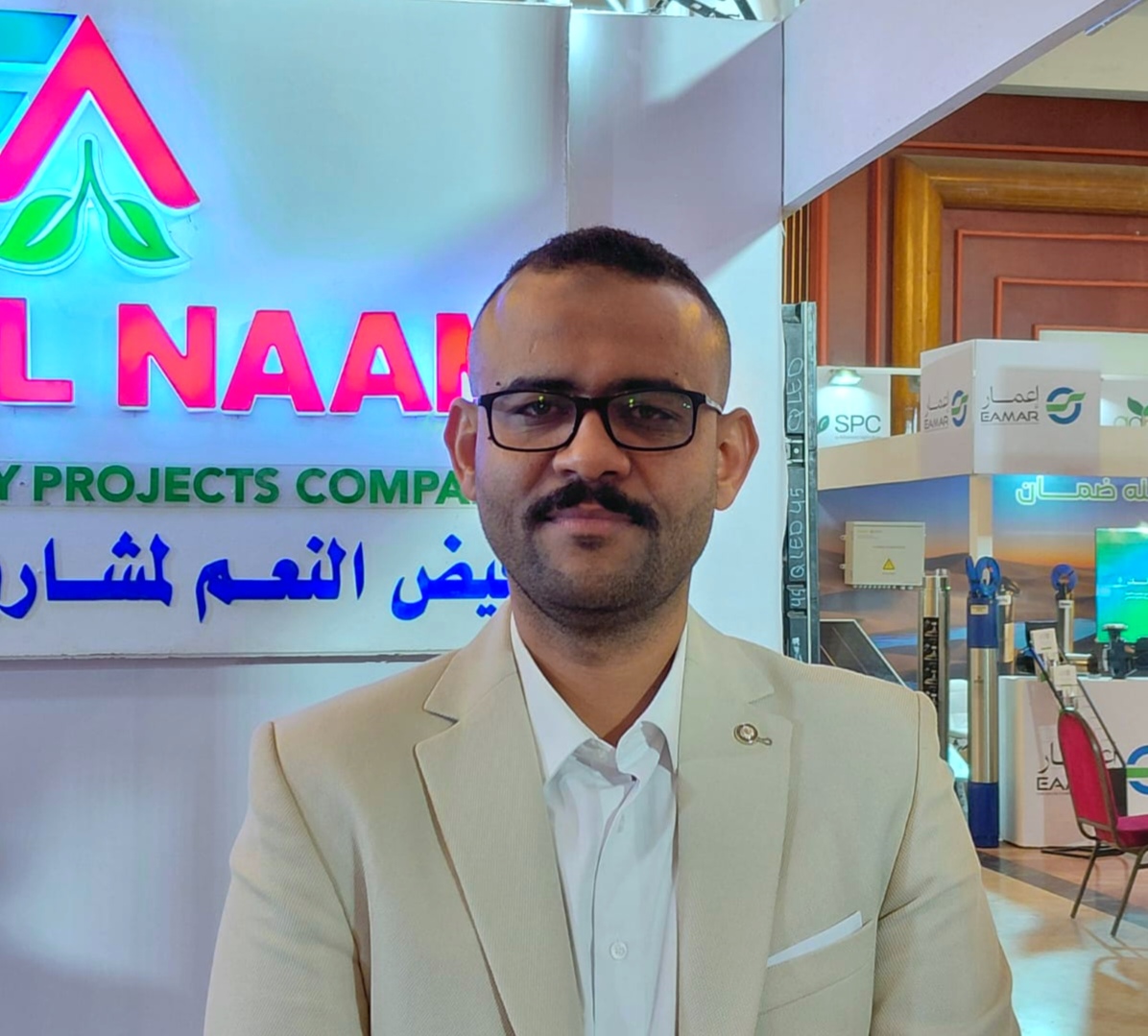
Sudan’s Faid Al-Naam for Food Security Projects Company is preparing to launch the first smart feed factory in the Middle East in Egypt.
This comes as the company continues its investments in agricultural projects in the El Wadi El Gedid, a process it has been pursuing for the past three years.
Faid Al-Naam was forced to leave Sudan due to the destruction of its investments in Dongola, the capital of the Northern State, which is about 500 kilometers from Khartoum, according to Abubakr Mahjoub, the company’s Farafra project manager.
Mahjoub told Food & Climate, on the sidelines of his company’s participation in the “Agritech 2026” Smart and Sustainable Agriculture Forum and Exhibition, which concluded on Tuesday, June 23, 2026, that Faid Al-Naam will continue its investments in land reclamation and cultivation of key crops, in accordance with the directives of the Egyptian government, especially since it is administratively affiliated with the “Futur of Egypt Official”. He added that the company will also rebuild its project in Dongola now that the conflict has subsided in the area.
Mahjoub added that the company is currently assessing the damage and losses incurred by its investments in Dongola, Sudan, in preparation for resuming operations. It is also preparing to launch the first smart feed factory in the Middle East, which the company established on the Cairo-Alexandria Desert Road. Further details are provided in the following interview:
Tell us about the Sudanese company Faid Al-Naam and its activities in Dongola before relocating to Egypt?
Faid Al-Naam has been operating in the agricultural production sector for approximately 10 years. However, we began working in Egypt in 2023 after the outbreak of the conflict in Sudan, as many Sudanese investments relocated to other countries. Egypt was the best option for us, so we started implementing our agricultural project in the Farafra region of the El Wadi El Gedid Governorate.
Read also: FAO regional representative: Sudan’s food insecurity crisis worsens due to floods (Exclusive)
We were managing an agricultural project in the Dongola region of Sudan’s Northern State, covering approximately 12,000 acres. It specialized in producing fodder, alfalfa, and sorghum, which are used in animal feed production. However, the project suffered extensive looting and sabotage after the outbreak of the war, leading to a complete halt in operations.
Have you begun restarting the Sudanese project?
We are currently assessing the losses and rehabilitating the project. We have recovered some equipment and assets, and we expect to resume operations within 3-4 months, if all goes well.
The losses are substantial, estimated at millions of dollars, but there is no final and accurate assessment of the extent of the damage to the project yet.
Will your return to the Sudan project affect your investments in Egypt?
On the contrary, we are continuing our expansion within Egypt in parallel with restarting the project in Sudan. We have invested significant sums in the Farafra project, and we have clear plans for expansion in the coming years.
What types of crops are you currently cultivating?
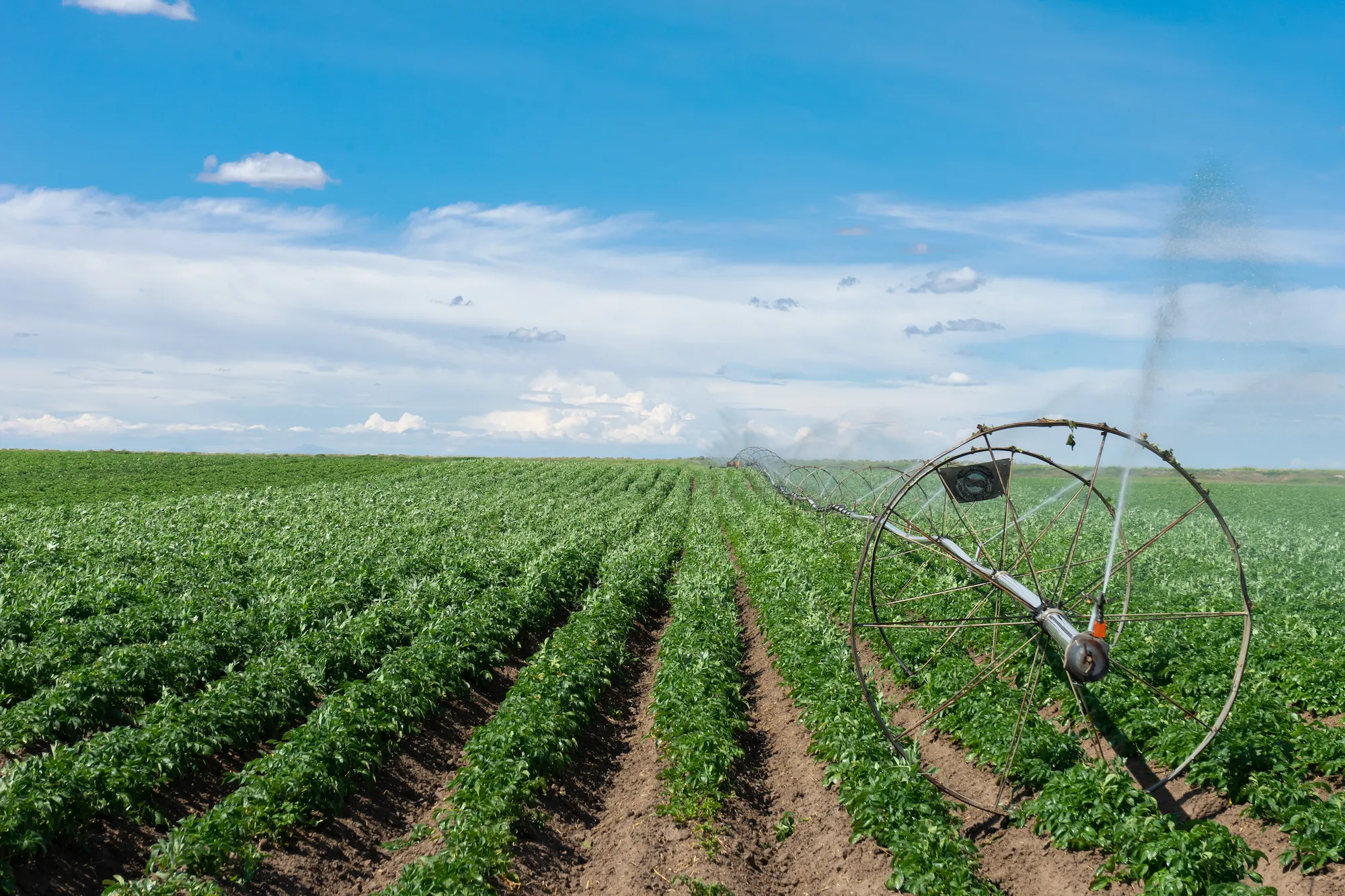
We are cultivating wheat, clover, and corn. We are also preparing to cultivate sugar beets and potatoes during the upcoming winter season, as these are among the strategic crops that the state prioritizes.
Read also: More hunger and malnutrition chasing Sudanese refugees, WFP warns
The project is administratively under the “Future of Egypt Official”, and there are general guidelines related to food security and the state’s needs for certain strategic crops, while granting investors some flexibility in choosing the appropriate crop mix.
Approximately 50% of the land is dedicated to fodder production, while the remaining half is allocated to strategic crops, thus achieving a balance between market demands and food security needs.
By next year, we aim to cultivate approximately 2,000 acres of strategic crops and 2,000 acres of fodder crops.
Tell us about the new fodder mill project?
We are currently working on establishing a feed mill on the Alexandria Desert Road. Installation is nearing completion, and licensing procedures are being finalized. We expect to begin operations within 2-3 months.
The mill will specialize in producing a state-of-the-art type of feed, the first of its kind in the Middle East, known as “smart feed.” This feed utilizes advanced processing and drying technologies and nutritional additives that enhance its nutritional value and improve animal utilization.
The maximum production capacity may reach 150 tons per day, but we will not start with this quantity. Instead, we will gradually increase production based on local demand and export needs.
What are the most prominent agricultural challenges that Sudanese Faid Al-Naam’s investments in Egypt have faced?
One of the most significant challenges is the recent reclamation of the land. Some crops do not achieve optimal yields in the initial years after reclamation. For example, the initial corn cultivation trial did not achieve the desired results due to the nature of the soil, which was still in its early stages of agricultural preparation.
Does the company rely on renewable energy to power the project?
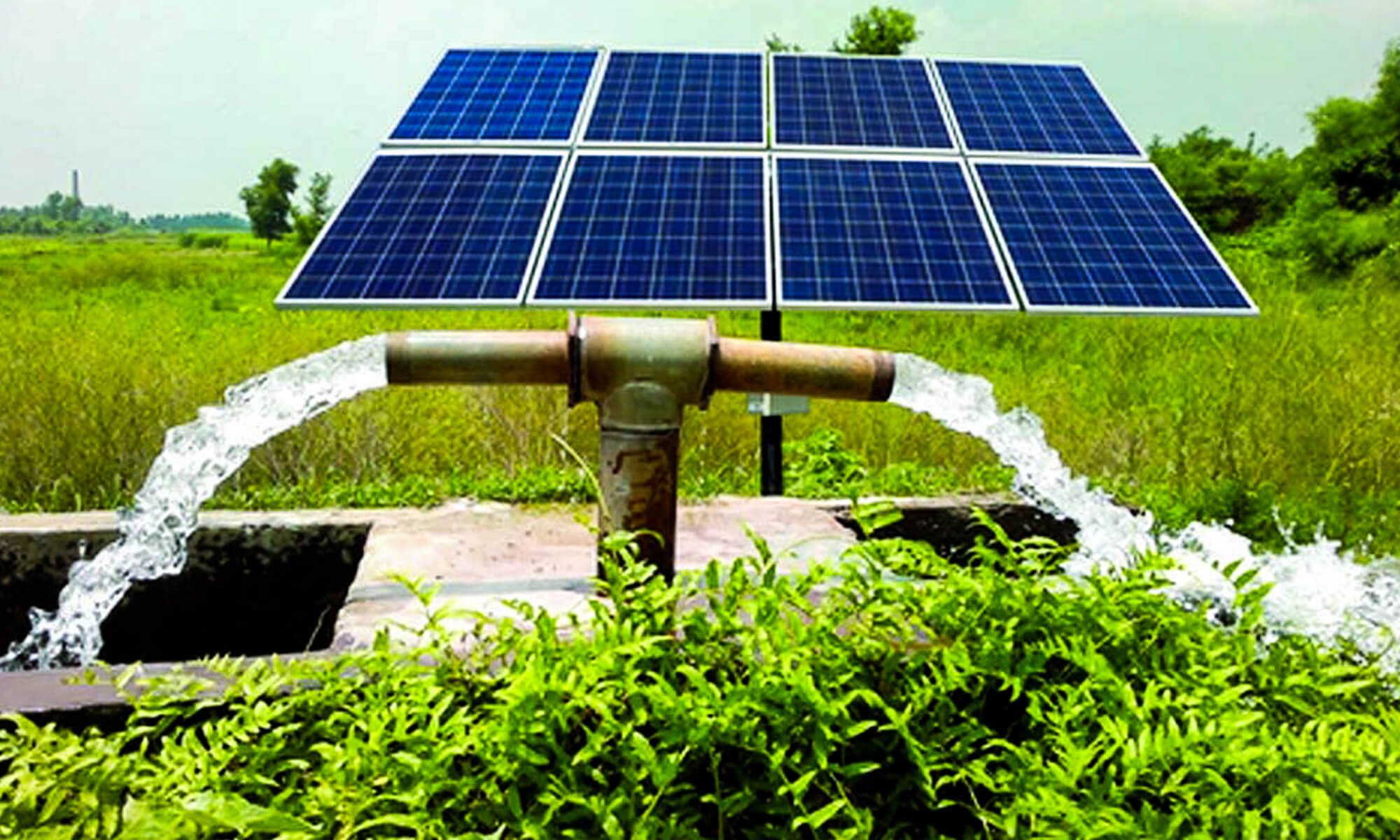
We rely heavily on solar energy for our operations, having equipped all our wells with solar power stations in collaboration with specialized companies.
The irrigation systems operate using a combination of solar energy and conventional generators, achieving savings of 30% to 40% on diesel fuel consumption for irrigation.
This energy is used to power the wells, center pivot irrigation systems, and some service facilities within the project.
Why don’t you rely entirely on solar energy?
Complete reliance requires battery storage systems, which are still a high investment cost. Therefore, most agricultural projects currently rely on a hybrid operating model that combines solar energy with conventional generators.
Read also: The Renaissance Dam will open in September, What is the reaction of Egypt and Sudan?
Solar energy has become an important economic and environmental option, as it contributes to reducing operating costs and carbon emissions. Furthermore, the payback period for the investment cost is relatively short, making it one of the most important solutions supporting the sustainability of the agricultural sector and the transition to a green economy.