
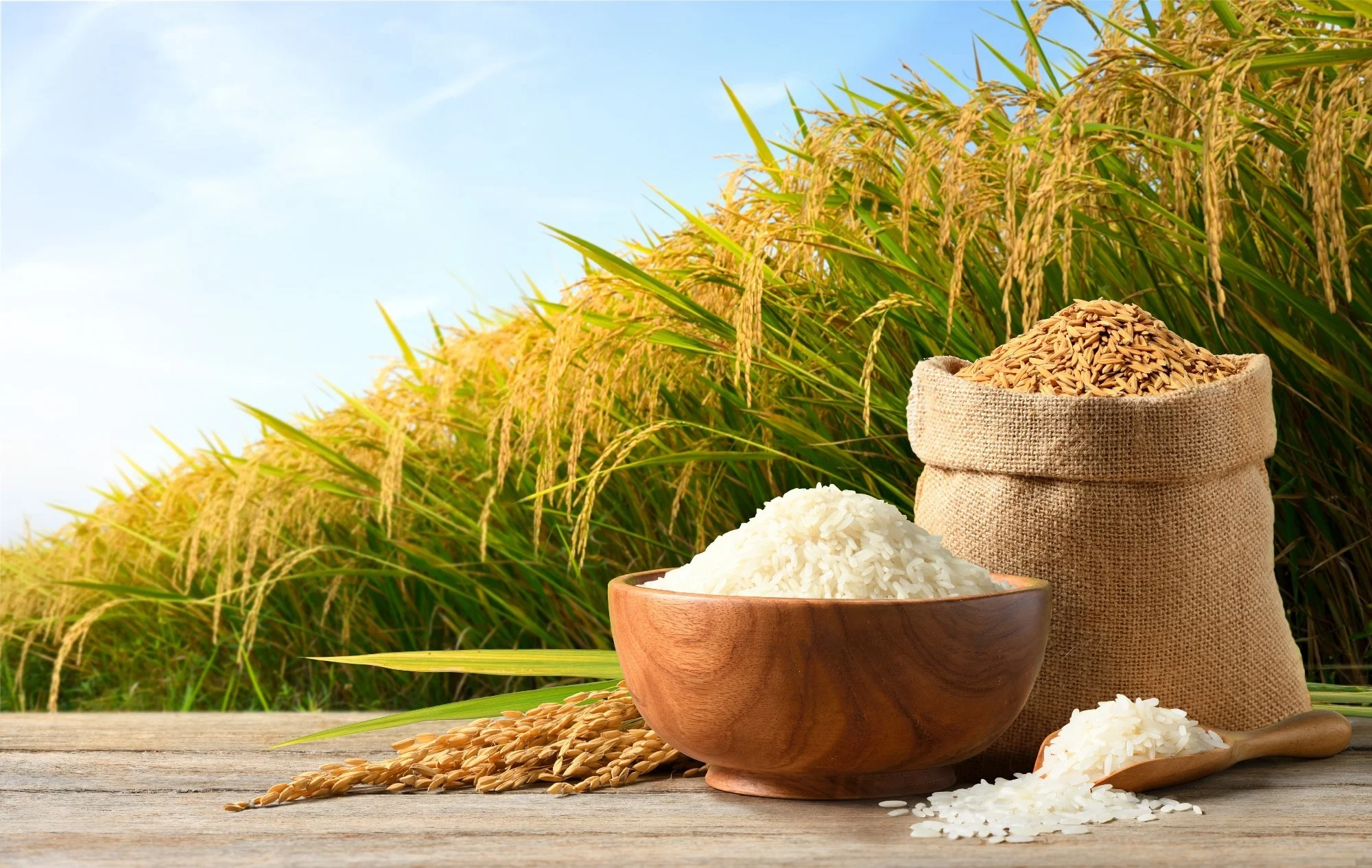
Global rice production is set to decline for the first time in a decade, tightening supplies of one of the world’s major food staples.
Output in the coming 2026-27 season is seen at about 538 million tons, the first decrease in 11 years, the United States Department of Agriculture said in a global crop report on Tuesday.
The largest declines of rice production are seen in India, Myanmar and the US, where the harvest is seen falling 15% from last year as farmers plant less. Combined with record consumption and trade, that will curb global stockpiles.
USDA didn’t elaborate the reason of declining of global rice production
While the USDA didn’t elaborate on the reason, the fall comes as a spike in fertilizer and energy costs — driven by the war in Iran — are disrupting operations for farmers in Asia.
Read also: February food price index rose amid expectations of further increases as the war in Iran continues
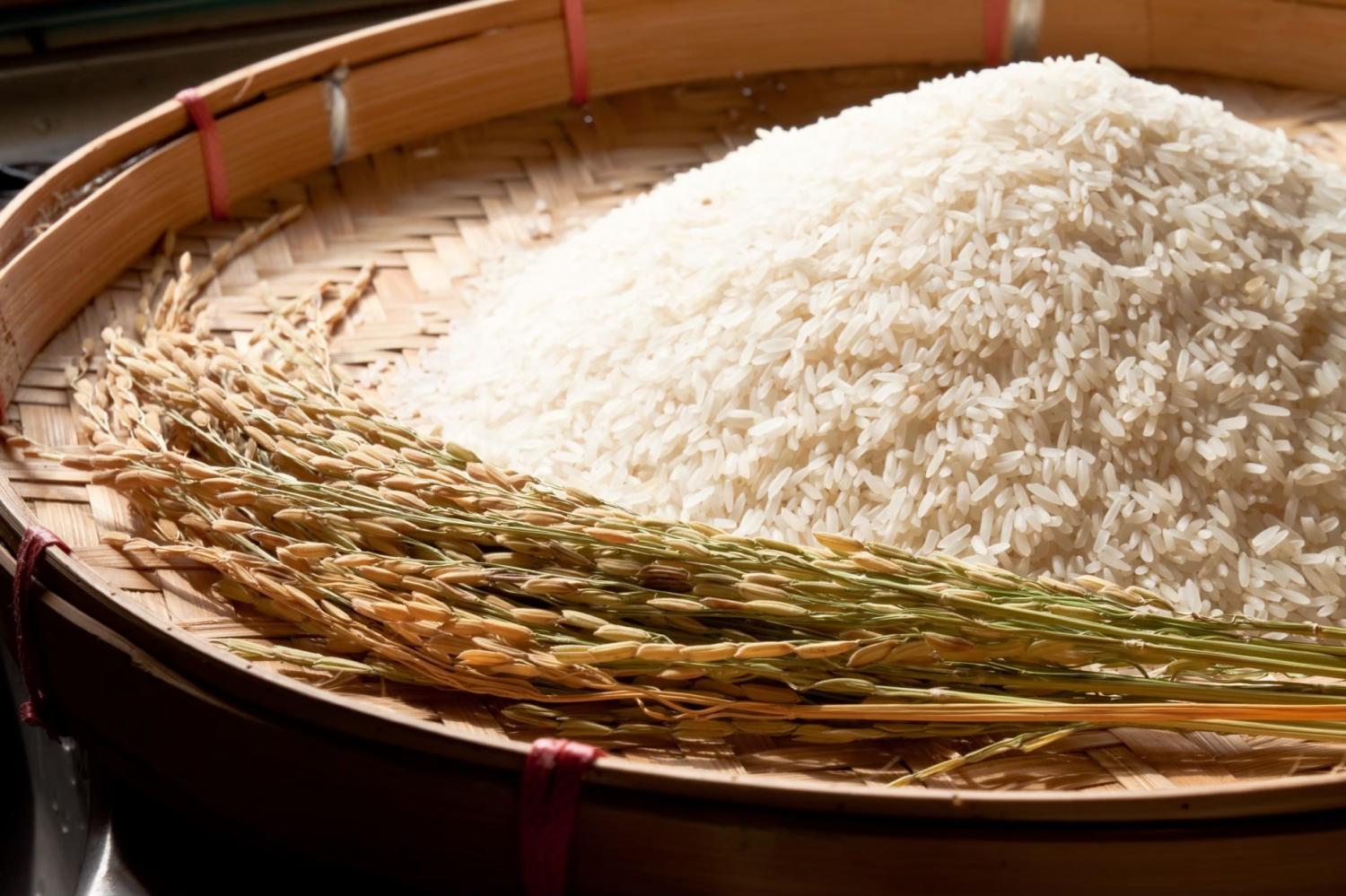
Some growers are considering skipping plantings of the new crop, which is known for being fertilizer-intensive grain.
In addition, the crop in India, the world’s top grower, could be hit by a lower-than-average monsoon. The annual rains, which start around June, are expected to be curbed by the looming El Niño weather pattern. The country’s exports are still expected to remain strong, while shipments from the US will shrink, the USDA said.
Rice makes up a major part of diets across Asia
Rice makes up a major part of diets across Asia, in particular. Smaller supplies risk raising consumer prices, which could feed into broader inflation, with nations including the Philippines already seeing an uptick.
Read also: Iran war prevents Thai rice from entering the Middle East
At the wholesale level, Thai white rice, a benchmark in Asia, has climbed about 15% since late March. Futures on the Chicago Board of Trade jumped 8% last week, the most in two years. A rice index from the United Nations’ Food and Agriculture Organization has also picked up, as the war-induced rise in energy prices pushes up production and marketing costs in most exporting countries.
Cuba And Vietnam Roll Out Joint Rice Cultivation Project
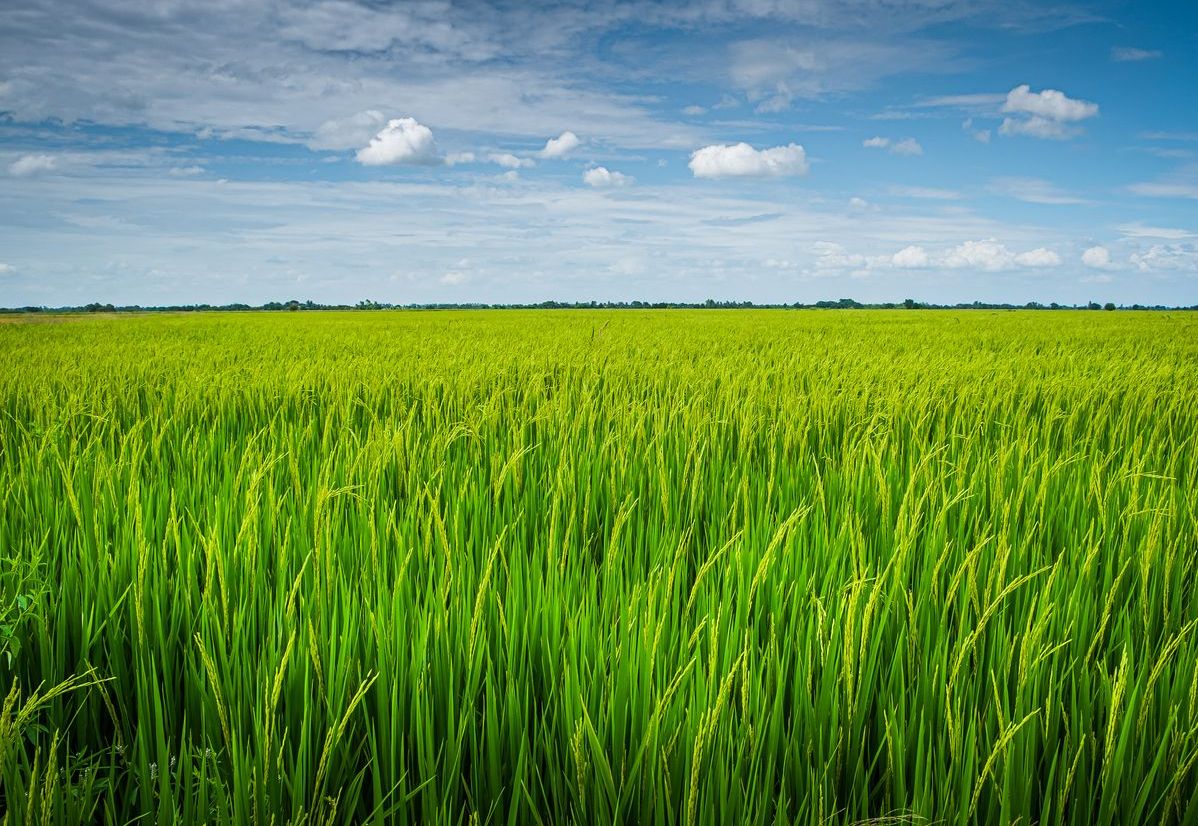
As per reports by TV BRICS, Cuba and Vietnam have rolled out a new agricultural cooperation project. It focuses on rice cultivation in the eastern Cuban province of Granma. Notably, the project forms part of broader efforts to boost domestic food production and expand agricultural development in the island. Currently, the initiative covers nearly 160 hectares in the Jose Marti community.
There are plans for the gradual expansion of cultivation areas to 25,000 hectares. Under the agreement, the project operates through foreign investment mechanisms by using land provided by the Cuban state under a 25-year usufruct arrangement. The production will primarily support domestic consumption and regional self-sufficiency goals during the initial stage. Remarkably, this marks the second agricultural cooperation initiative of its kind between Cuba and Vietnam.
Read also: Thailand’s rice exports loss of nearly 200,000 tonnes in 3 months
A previous pilot project rolled out in late 2024 in Pinar del Rio, which involved Vietnamese specialists and technology working alongside local labour to develop rice cultivation on state-owned land. According to project data, nearly 1,100 hectares had been harvested by early January, producing nearly 5,900 tonnes of wet rice. Interestingly, both programmes form part of Cuba’s strategy to boost food security. The latest project in Granma has already begun its first mechanised harvest, which Cuban authorities described as an important step for the region’s agricultural development.
More details: