
The FAO Food Price Index (FFPI) in June 2026, down 0.3% from its May level. Compared to a year earlier, the FFPI is 1.7% higher but remained 18.7 below its peak reached in March 2022.
Increases in the price indices for vegetable oils and meat were offset by declines in sugar, cereals, and dairy products, according to FAO report that Food & Climate received today.
The FAO Cereal Price Index
The FAO Cereal Price Index down 3.5% from May but still 2.7% above its June 2025 level. World wheat prices declined by 4.4%, as rapid harvest progress and strong supply prospects in the Black Sea region outweighed concerns over crop prospects in the United States of America and Australia.
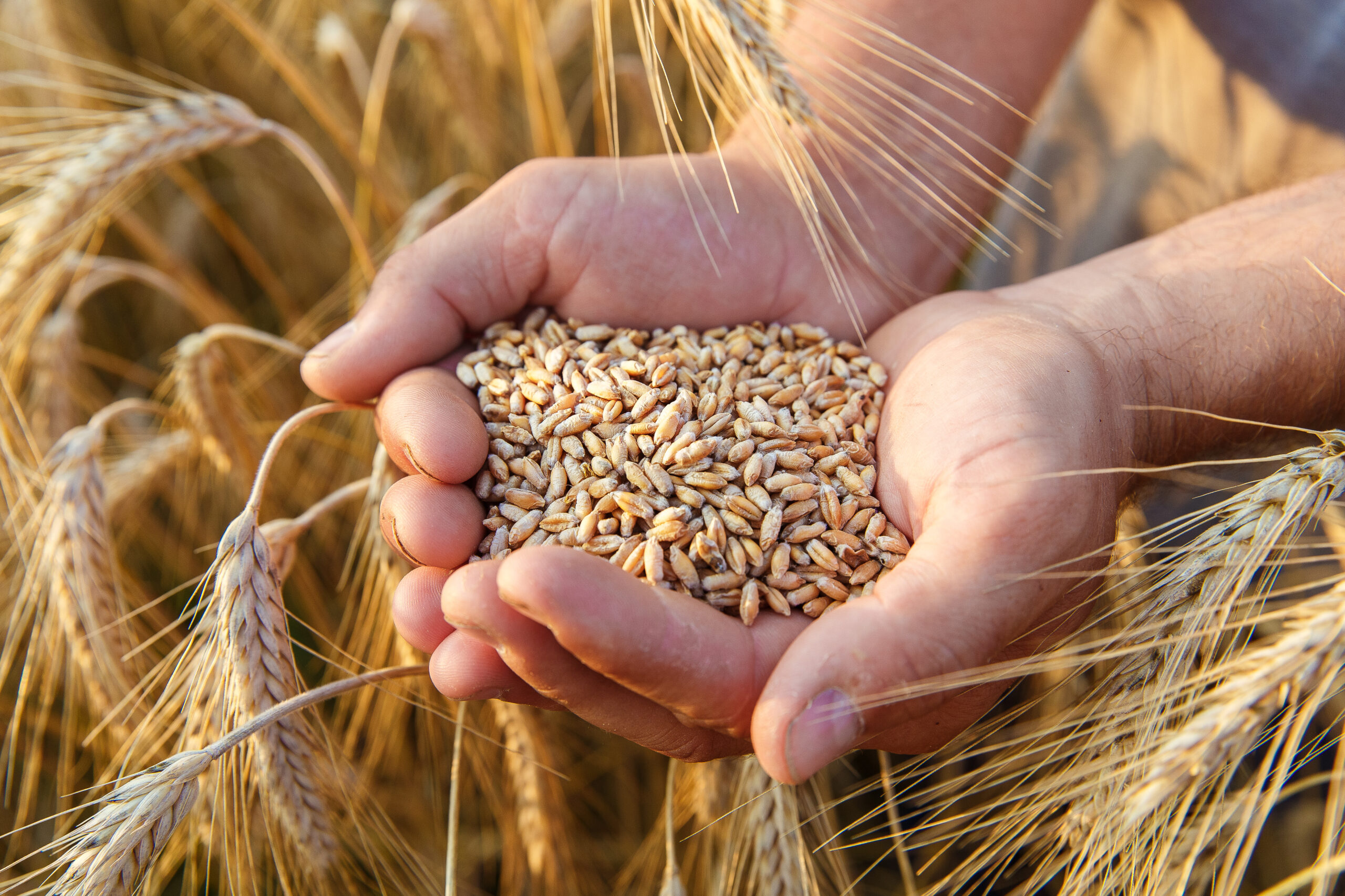
While recent rainfall eased risks in parts of Australia, El Niño-related dryness and higher input costs continued to weigh on production prospects. Additional downward pressure stemmed from a stronger United States dollar and softer energy markets amid expectations of reduced tensions around the Strait of Hormuz. World maize prices also fell by 6.2 %, reflecting prospects of ample supplies in exporting countries in South America, alongside declining crude oil prices that weighed on biofuel demand. Among the other coarse grains, international prices of barley and sorghum fell by 3.4% and 7.7 percent, respectively, underpinned by improved production outlooks and spillovers from weaker maize and wheat markets, which reduced the competitiveness of sorghum and barley as feed grains.
Read also: Global rice production is set to decline for the first time in 11 years
By contrast, the FAO All Rice Price Index increased by 3.2% in June 2026, as Asian demand for Indica rice strengthened, while weather concerns and elevated production, transport and marketing costs lent support to non-fragrant quotations.
FAO Food Price Index for Vegetable Oil
The FAO Vegetable Oil Price Index, by contrast, increased by 3.8% from May. Higher palm and rapeseed oil quotations, supported by stronger mandated biofuel demand and broadly stable sunflower oil prices more than offset lower soyoil prices.
The FAO Meat Price Index
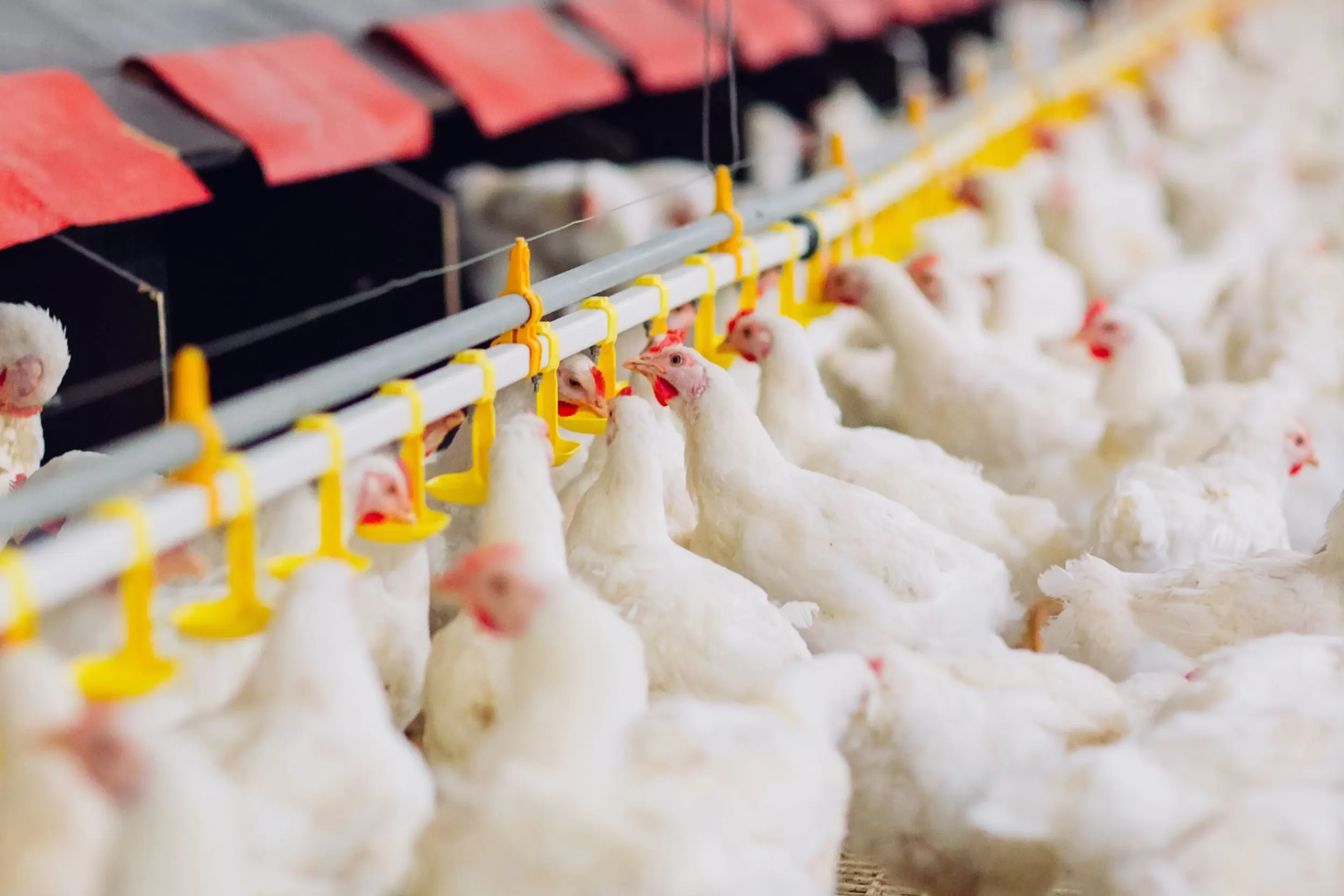
The FAO Meat Price Index averaged in June, up 0.4% from May and 4.0% above its level a year earlier, reaching a new record high.
The increase was primarily driven by higher international poultry meat prices and, to a lesser extent, firmer ovine meat quotations, while pig and bovine meat prices declined.
International poultry meat quotations rose, reflecting higher export prices in Brazil amid strong global import demand, combined with temporarily tighter domestic availability following production adjustments in response to earlier oversupply.
Read also: Palm oil prices rise as biofuel production increases
World ovine meat prices increased further in June, underpinned by sustained demand and limited exportable supplies.
By contrast, pig meat quotations continued to decline, mainly due to ample supplies in the European Union and persistently weak demand from several Asian markets. Bovine meat prices dropped slightly, largely reflecting lower quotations from Australia, amid expectations of increased export availability in the third quarter, while export prices in Brazil remained broadly stable as import quotas introduced by China approached full utilization, leading to a gradual slowdown in purchases.
FAO Dairy Price Index
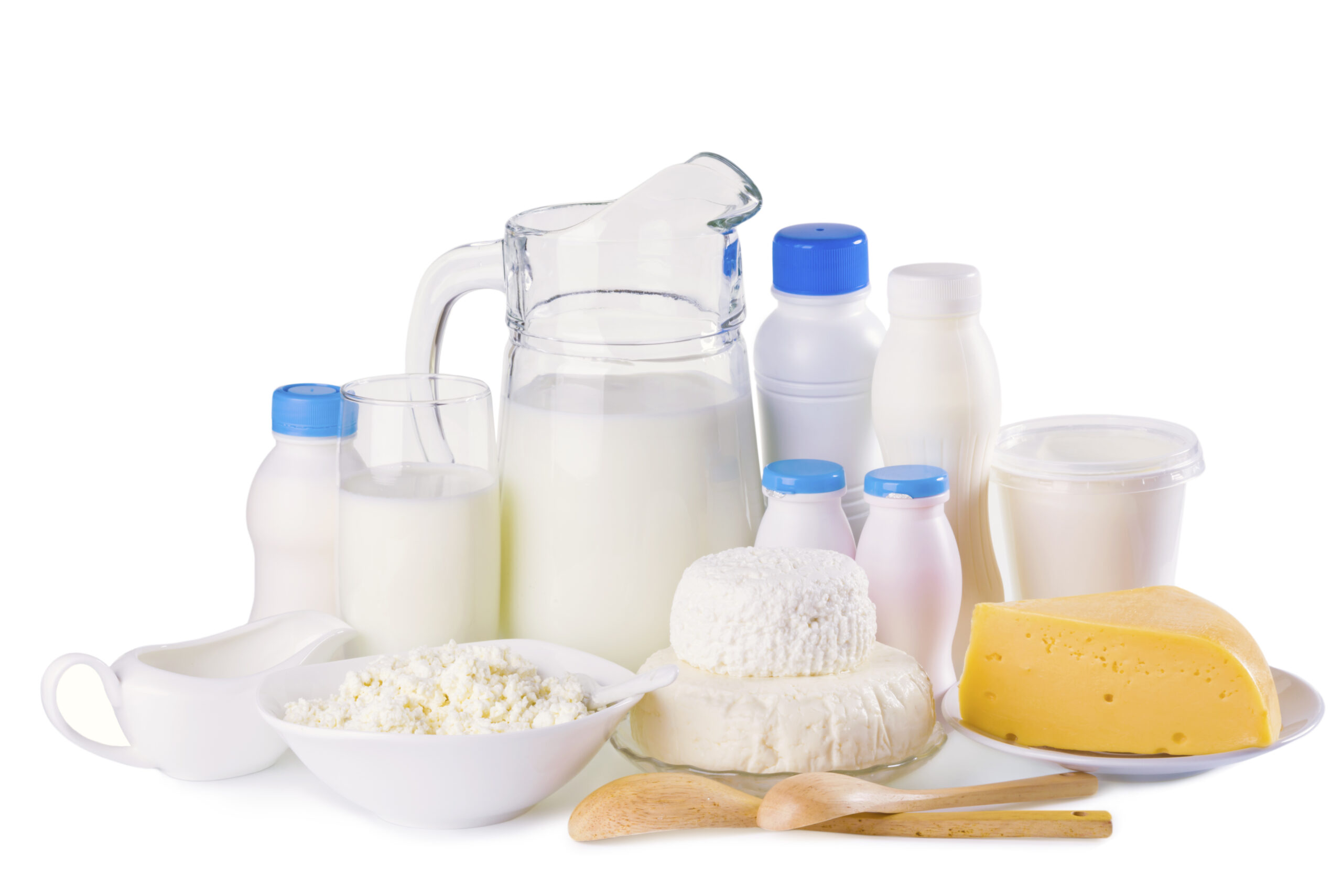
FAO Dairy Price Index declined by 1.5% from the previous month, reflecting lower prices on skim milk powder, whole milk powder and butter, along with an eleventh consecutive monthly drop in international cheese prices as export supplies continued to exceed global import demand.
The FAO Sugar Price Index
The FAO Sugar Price Index decreased by 5.7% from May, driven down by lower domestic ethanol prices in Brazil along with depreciation of the Brazilian real. Ongoing concerns over the potential impact of El Niño on sugar production in India and Thailand contained the overall decline in international sugar prices.
More details: