

The global food price index remained stable in May 2026, thanks to a decline in vegetable oil prices, which offset increases in cereal and sugar prices. However, a warning from the Food and Agriculture Organization of the United Nations (FAO) in its monthly price report.
According to the FAO report, released on Friday, June 5, 2026, and received by Food & Climate, the global food price index averaged 130.8 points in May, down 0.2% from April and 2.9% higher than the same period last year.
FAO Warns of Strait of Hormuz Crisis
Boubaker Ben-Belhassen, Director of FAO’s Markets and Trade division said: “While global food commodity markets have generally remained resilient, the rise in cereal prices highlights their vulnerability to weather-related risks and disruptions in energy and agricultural input markets.”
Read also: Global rice production is set to decline for the first time in 11 years
He added: “Continued uncertainty affecting key trade routes, including the Strait of Hormuz, could lead to reduced fertilizer use and increased pressure on food prices, highlighting the need for coordinated international action.”
Wheat in the Global Food Price Index in May 2026
Data from the Global Food Price Index in May 2026 showed that cereal prices rose by 2.6% month-on-month and nearly 5% year-on-year.
The FAO report indicated that this reflects higher prices for all major cereals amid rising global fuel and fertilizer costs and weather-related pressures.
Global wheat prices rose by 3.4% during the month and 7.8% compared to the previous year, supported by lower expected harvests in major exporting countries, including the United States, where winter wheat crop conditions are among the worst in decades.
Read also: Drought in U.S. threatens winter wheat harvests and cattle producers
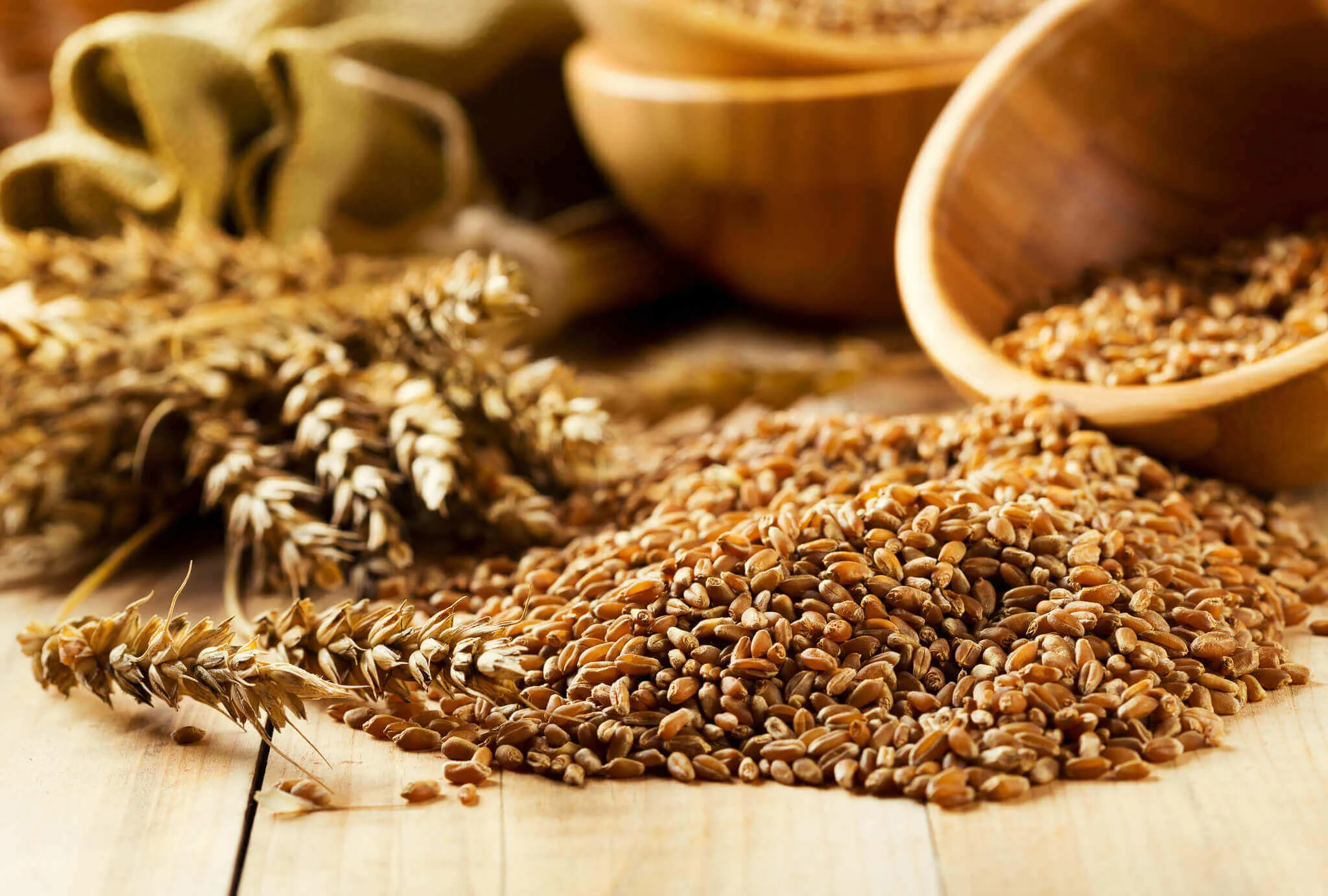
US hard red winter wheat prices rose by 28% in May 2026 compared to the same month in 2025.
Corn prices also increased by 1.9% month-on-month and 3.9% year-on-year, driven by several factors, including increased import demand in key markets, reduced supply in Brazil and the United States, and higher energy prices that boosted demand for ethanol.
The rice price index rose by 2.7% from the previous month, as weather concerns and higher crude oil and refined product prices supported prices in some leading Asian exporting countries.
Vegetable Oil Price Index
The Vegetable Oil Price Index fell by 4.6% in May 2026 compared to the previous month, marking its first monthly decline in 2026.
Global palm oil prices also declined due to expectations of weak global import demand and uncertainty in crude oil markets. Global soybean oil price trends were mixed, with seasonal increases in exportable supply leading to lower prices in South America, while strong demand for biofuels supported prices in North America.
Rapeseed and sunflower oil prices rose due to lower supply.
Meat Price Index Rises Slightly in May 2026, Dairy Prices Decline
The Meat Price Index rose slightly by 0.1%, with global beef prices increasing due to strong import demand, particularly from China and the United States. Pork prices declined, mainly due to lower prices in the European Union amid ample supply and weak import demand.

Read also: Urea fertilizer prices soar in Indian tender
The dairy price index fell by 0.5% in May 2026 compared to the previous month, driven by a decline in global butter prices.
Cheese prices remained mostly stable, while skimmed milk powder prices rose, and whole milk powder prices varied.
The sugar price index rose by 7.5% in May 2026, fueled by data indicating a decrease in the proportion of Brazilian sugarcane allocated to sugar production, increasing expectations of a shift towards ethanol production, as well as concerns that El Niño conditions could negatively impact production in India and Thailand in the coming year.
More details: