

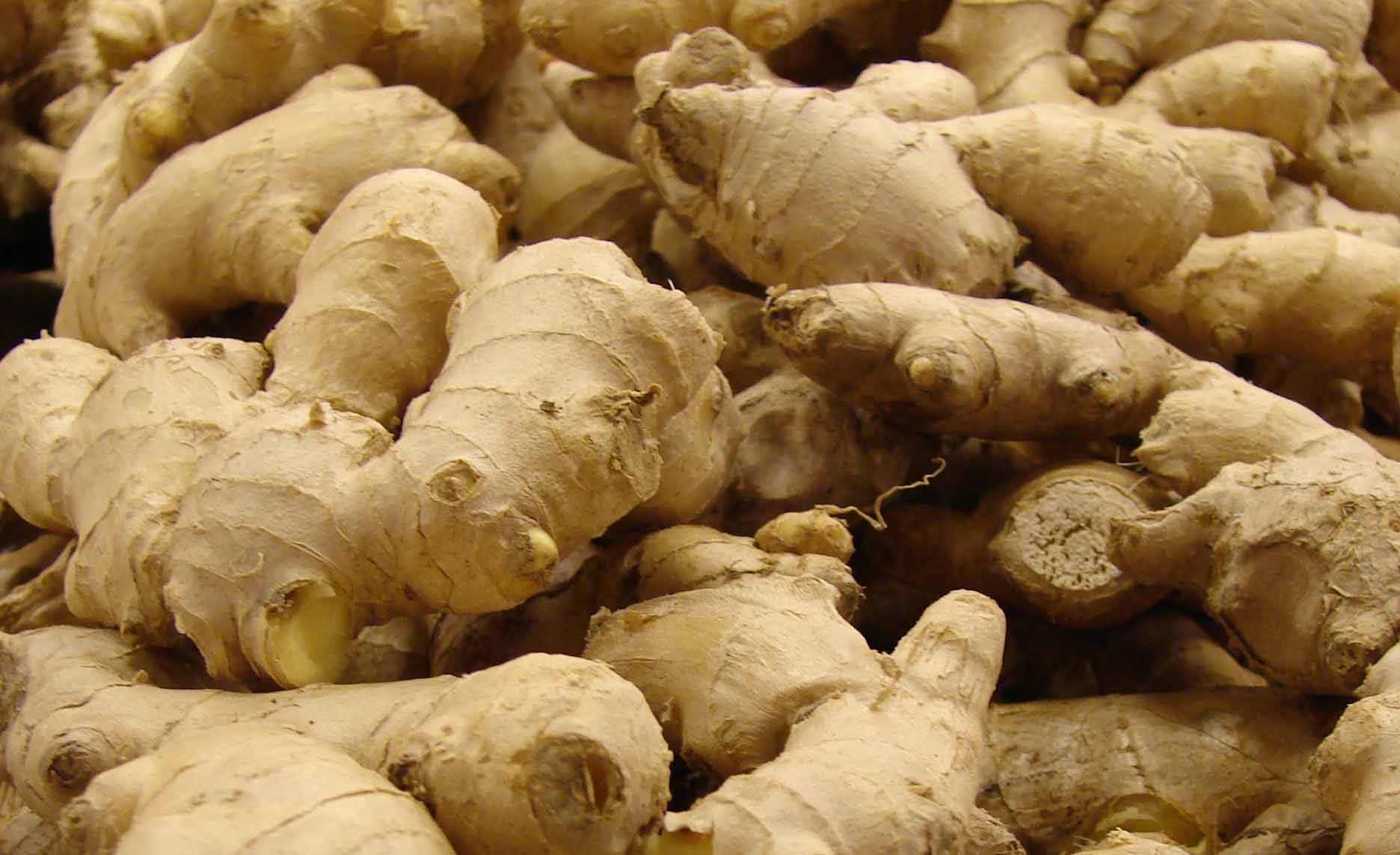
Nigerian ginger is still suffering from the 2022 blight crisis, which drastically reduced production, destroying 80% of the crop, according to Babatunde Olarewaju, CEO and founder of the Nigerian company FutuX Agri-consult Limited.
Olarewaju told Food & Climate, on the sidelines of the FoodGuard Summit recently held in Cairo, that his country is struggling to produce 3,000 tons of Nigerian ginger, down from 300,000 tons annually before the crisis.
He described his company as a private institution specializing in agricultural extension, working with smallholder farmers to help them implement sustainable farming standards and obtain certifications. Nigerian ginger is considered among the finest in the world, characterized by its yellowish-brown color, pungent and strong flavor, and high levels of volatile oils.
He also discussed the impact of oil extraction, climate change, and the spread of armed groups like Boko Haram on agricultural activity in his country in the following interview:
The company focuses on a number of crops, most notably Nigerian ginger and hibiscus. Why?
Because hibiscus and ginger are crops experiencing increasing demand in European markets.
Buyers in Europe now prefer products with certifications such as the European Organic Certificate and sustainability certifications, which has led to increased demand for ginger and hibiscus produced according to these standards.
Read also: High cocoa prices create ‘cocoa boys’ in Nigeria, Hershey requests exemption from Trump tariffs
Nigerian ginger suffered a major crisis in 2022 due to ginger blight, which destroyed about 80% of the production and continues to affect us. After producing more than 300,000 metric tons before the disease spread, the country is still struggling to reach a production level of 3,000 metric tons.
The hibiscus market experienced a decline in demand last year, impacting suppliers and buyers in Germany and several other European countries, resulting in a significant accumulation of stockpiles.
This decline led to a drop in global prices, sometimes even causing local prices to exceed international prices. This is one of the biggest challenges currently facing the sector, but I am confident that the market will gradually recover.
When was the company founded?
The company has been working with farmers in several African countries for nine years. It began operations in Nigeria and then expanded to other countries before opening a branch in Germany last year. Its aim is to build a network of buyers interested in sustainable and certified agricultural products.
The company’s role is to connect European buyers, particularly in Germany, with suppliers and farmers in Africa, and to work towards establishing sustainable supply chains that meet the demands of European markets.
What challenges do farmers in Nigeria currently face?
The biggest challenge right now is providing high-quality, healthy seedlings for agriculture. “It’s a real headache for the agricultural sector, but there are government initiatives and others led by the private sector working to produce healthy seedlings to support farmers.”
One of the company’s biggest challenges is finding more institutions, cooperatives, and agricultural groups willing to adopt sustainable farming methods. “This was one of the main reasons I participated in the Foodguard Summit.”
Post-harvest losses during trade and export operations from Africa to Europe also present a significant challenge.
Nigeria is Africa’s largest oil producer, so how does this industry affect agricultural activity?
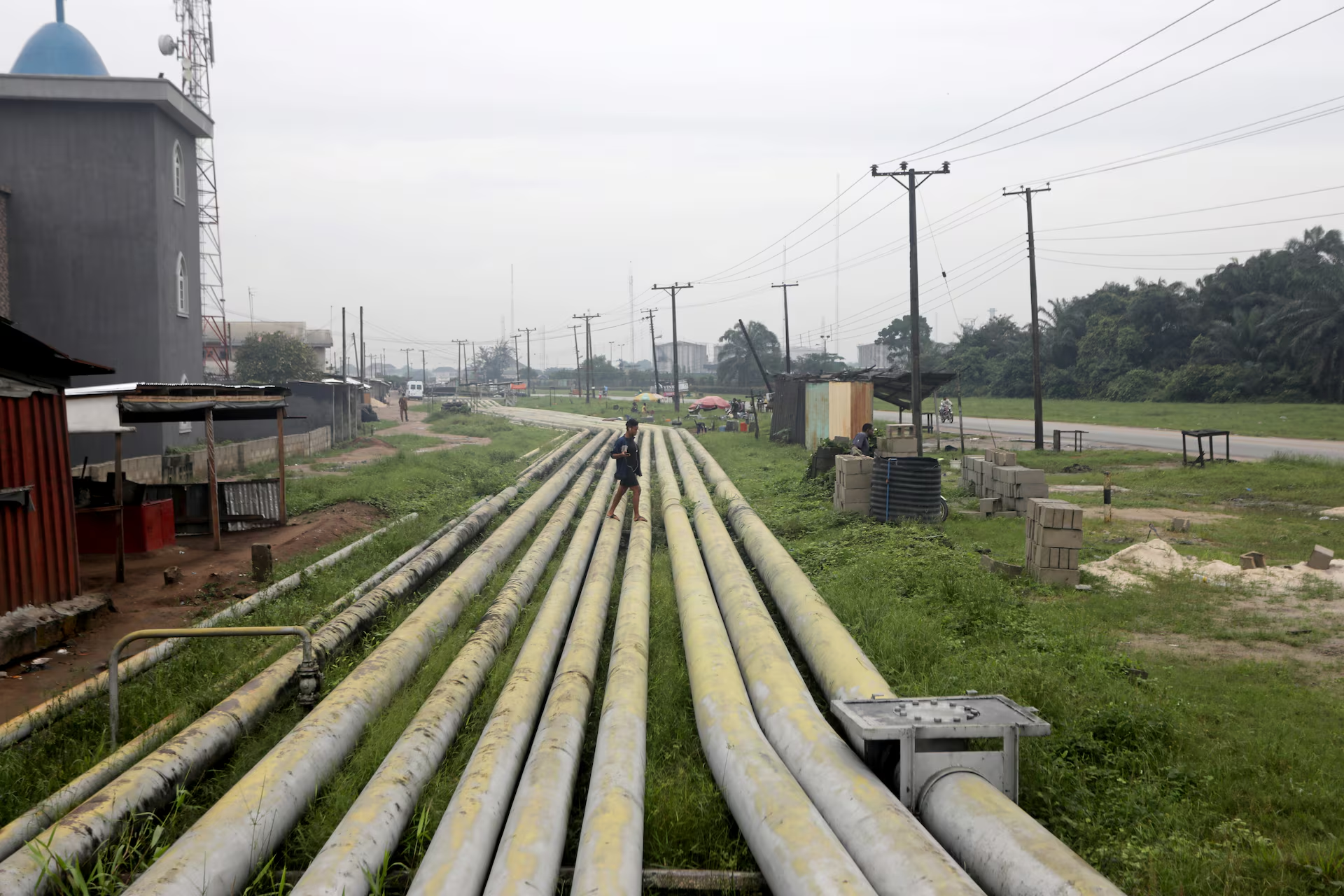
The impact of oil extraction is concentrated in the south. Over the years, this activity has led to the destruction of vast areas of farmland due to soil contamination.
The pollution has forced many farmers to abandon their land and has caused protests and social tensions, sometimes exacerbating security problems in the region.
In some areas, the level of pollution has reached a point where crop cultivation is nearly impossible due to soil degradation and oil contamination. This issue represents one of the biggest challenges facing the agricultural sector in southern Nigeria.
Read also: Ugandan minister on Lake Albert pollution from oil production: false claims funded by foreigners (Exclusive)
Soil pollution resulting from oil extraction operations remains a major obstacle to the recovery of agricultural activity in these areas and requires sustainable solutions to rehabilitate the affected land and support farming communities.
What are the effects of farmers abandoning their land?
Residents of these oil-affected areas have become almost entirely dependent on food imported from northern Nigeria. This increases the cost of living due to transportation expenses and exacerbates the economic crisis.
The deteriorating economic and social conditions have contributed to the emergence of armed groups demanding compensation or various gains. Despite some relative improvement compared to previous years, the problem persists.
Some coastal areas, such as parts of Akwa Ibom State, are experiencing activity from maritime piracy gangs who kidnap people for ransom. These groups are active in oil-producing regions after many of their members lost their sources of income.
At the forefront of these armed groups is Boko Haram, which has forced many farmers to abandon their land due to violence.
What about climate change?
It represents one of the biggest challenges currently facing Nigeria and affects the entire country.
It has led to an increase in agricultural pests and the spread of crop diseases, negatively impacting agricultural productivity. This forces farmers to use larger quantities of pesticides, while some pests have become more resistant to chemicals.
Highlights of climate change: Flooding, caused by rising sea levels, has inundated previously unaffected areas, most notably Jigawa and Niger states, which experience annual floods that can inundate up to 1,000 hectares of farmland, completely destroying crops.
The floods leave farmers with significant losses and more saline, less fertile soil. Many farmers lack the knowledge needed to restore the land, leading to declining production year after year.