

Fouad Badran, Chairman of the Board of Directors of the Arab Company for Trade and Supplies “Al Badran,” told Food & Climate that the beekeeping in Egypt has faced increasing challenges for years, leading to the loss of nearly half the bee population.
These challenges have worsened since the COVID-19 pandemic in 2020, followed by the war in Ukraine, and then the war in Iran, which has weakened exports to Arab countries, at a time when the impact of climate change and rising temperatures is intensifying.
In the first part of our interview, published yesterday (Sunday, August 9, 2026) Badran explained the developments and aspects of honey production in Egypt. In the second part, he outlines the challenges facing beekeeping in Egypt, which follows:
What are the most prominent challenges currently facing the beekeeping in Egypt?
The sector is going through a difficult period due to a combination of factors, primarily climate change, along with global economic repercussions that have raised production costs.
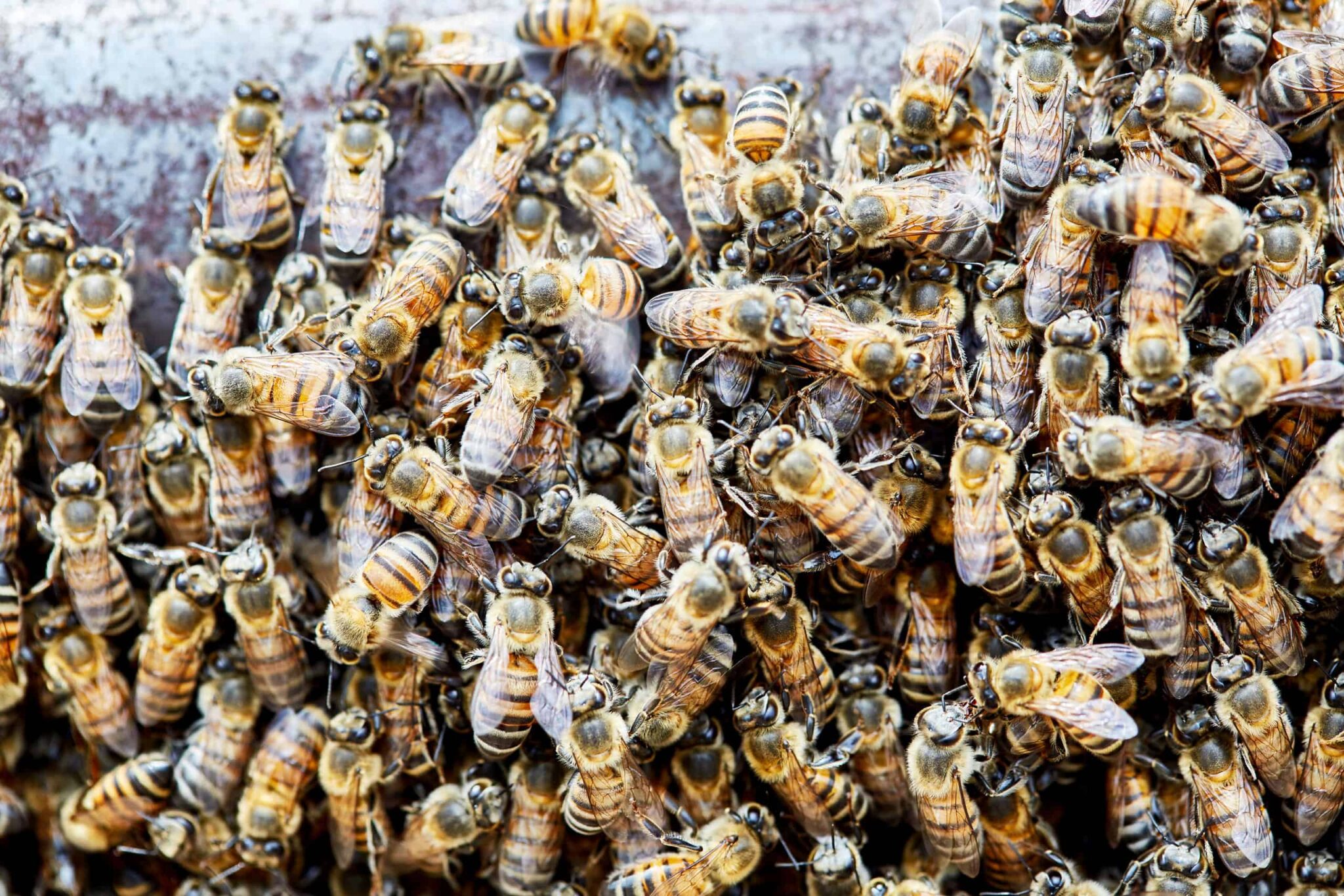
Bees are among the most sensitive creatures to environmental changes. Extreme heat waves lead to the death of large numbers of bees, and harsh winter cold affects their activity and productivity. The intensive use of pesticides and some chemicals exacerbates the losses suffered by beekeepers.
Despite attempts to develop bee breeds more resilient to changing climatic conditions, this task has become increasingly difficult with the continued climate fluctuations the world is experiencing.
Read also: Official on the safety of Egyptian tilapia: Rumors are just talking (Interview)
How have global crises affected the beekeeping in Egypt?
The sector was significantly impacted by the COVID-19 pandemic in 2020, followed by the Russian-Ukrainian war and its subsequent disruptions to supply chains and increased shipping costs. Tensions in the Middle East further exacerbated the pressures on producers and exporters.
Exports of live bee packages were also affected due to disruptions in air travel and increased transportation costs. Egypt is the largest exporters of live bees to Gulf markets, particularly Saudi Arabia and the UAE.
Prices of production inputs, especially wood used in beehive construction have risen sharply. Shipping costs have also increased unprecedentedly, with the cost of a container sometimes jumping from $1,000 to nearly $10,000.
To what extent have these circumstances affected beekeepers?
The repercussions have been significant since 2020. The sector has lost between 40% and 50% of its bee population, forcing many beekeepers to abandon the profession. These crises are faced by the beekeeping in Egypt, as it does not receive any support like other export commodities.
What are the most important forms of support the sector needs?
We need a presidential initiative to support the sector and encourage young people to work in the profession, expand training programs, and open new export markets, because the sector of beekeeping in Egypt is capable of providing job opportunities, increasing exports, and generating foreign currency.
What are you doing to improve production quality and raise the efficiency of beekeepers?
We are collaborating with the United Nations Industrial Development Organization (UNIDO) to implement training programs for beekeepers. These programs cover modern production methods, improved packaging processes, enhanced product quality, and professional marketing.
These programs help producers create higher value-added products and increase their competitiveness in global markets, especially in Europe, where quality and traceability requirements are increasingly stringent.
Does this mean that Egypt does not export honey to European markets?
Egypt has approximately two million beehives, and we export to the Gulf countries, which are among the largest consumers of honey. They rely heavily on imports from Egypt and other countries to meet domestic demand.
The European market represents a significant opportunity for Egyptian honey, especially after the European Union tightened restrictions on its imports of Chinese honey. This opens the door for new suppliers, leading to increased interest in Africa, particularly from Egypt and Ethiopia, the two largest honey producers in the continent.
However, Addis Ababa lacks modern beekeeping and production methods, which further increases Egypt’s potential in European markets.
Read also: Reducing antibiotic use to bees in Ghana, how does it impact?
Honey prices in the Gulf markets are significantly higher than in Egypt. Why?
A higher price doesn’t necessarily mean higher quality. It’s primarily linked to production costs. In the Gulf countries, beekeepers often rely solely on honey production and bear high costs, including importing bee colonies and paying high labor wages. They also lose a significant number of bees due to harsh climatic conditions, which increases the cost per kilogram.
In contrast, Egypt produces a variety of products, including honey, bee colonies, propolis, pollen, royal jelly, beeswax, and bee venom. This reduces honey production costs by distributing expenses across these products, making it more competitive.