

Palm oil prices are ticking up again, helped by gains in other vegetable oils, firmer crude, and a weaker Malaysian ringgit.
YstedayMalaysia’s benchmark palm oil futures nudged higher, keeping the market on track for a second straight weekly gain. One driver is simple peer pressure: when soyoil prices rise in China and the US, palm oil often follows because food makers can swap between these oils depending on relative prices.
Crude oil is also lending support, since higher energy prices can make biodiesel – fuel blended from vegetable oils – more attractive, which can pull extra demand toward palm oil. And with the ringgit down versus the US dol.
The ongoing geopolitical tension due to the US-Israel conflict in Iran is also impacting the palm oil sector, primarily due to weakening demand from Iran, according to an industry figure quoted in a 22 April report by The Edge Malaysia.
Palm oil’ exports to Iran
During a media briefing on 21 April, Malaysia External Trade Development Corporation (Matrade) chairman Reezal Merican Naina Merican said exports of palm oil and palm-based products to Iran dropped by 86.1% year-on-year to MYR90M (US$22.75M) in the first quarter of 2026.
Read also: Palm oil raises deforestation, it makes everything from peanut butter to mascara
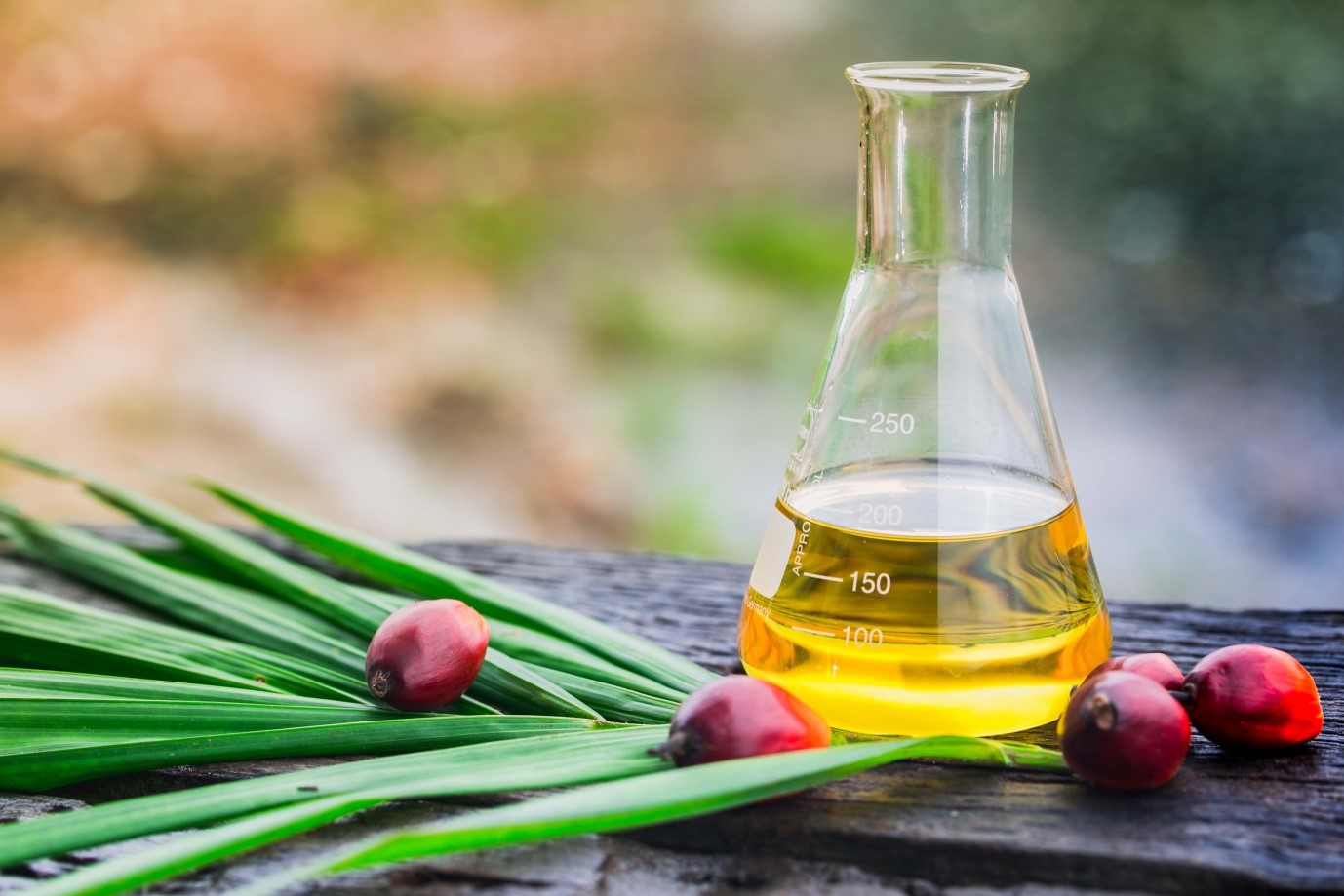
Palm oil and palm-based products accounted for 62.4% of Malaysia’s total exports to Iran during the period, he added.
In addition, Merican noted that petroleum products and agricultural exports had also been hit by the ongoing tensions, with disruptions to fertiliser supplies impacting the agricultural sector.
Demand for biofuels
Meanwhile, soaring crude oil prices were driving renewed demand for biofuels as the need to tackle fuel shortages outweighed concerns that using crops for fuel would drive up food prices, Reuters wrote on 21 April.
The conflict had disrupted about 20% of global oil and gas supplies, which typically pass through the Strait of Hormuz in the Middle East Gulf, the report said.
Read also: Indonesian palm oil, how Iran war reshaping Industry and Agriculture
Crude oil prices were up by more than 30% since late February, before the war started, while prices for corn – a key biofuel ingredient – had risen by 5%, the report said.
Middle East oil imports
Since the start of the conflict, countries in Asia – a region heavily dependent on Middle East oil imports which buys about 80% of the oil shipped through the strait – had set out plans to increase biofuel use, Reuters wrote.
Indonesia – the world’s leading palm oil producer and exporter – has said it would raise the mandatory blending rate for palm oil-based biodiesel to 50% from 40%.
“In Asia, countries do look at biofuels that can be produced from locally-sourced feedstocks as they can reach two goals at once – limit energy imports and increase profitability for farmers,” Kpler biofuels analyst Beata Wojtkowska was quoted as saying.
Read also: Indonesian Official: Avoiding palm oil hike after blending biodiesel increase (Exclusive – Part 2)
As the conflict had increased energy, transport and fertiliser costs, triggering a rise in global food prices, there could be concerns that increased biofuels use could potentially drive food prices higher, Reuters wrote.
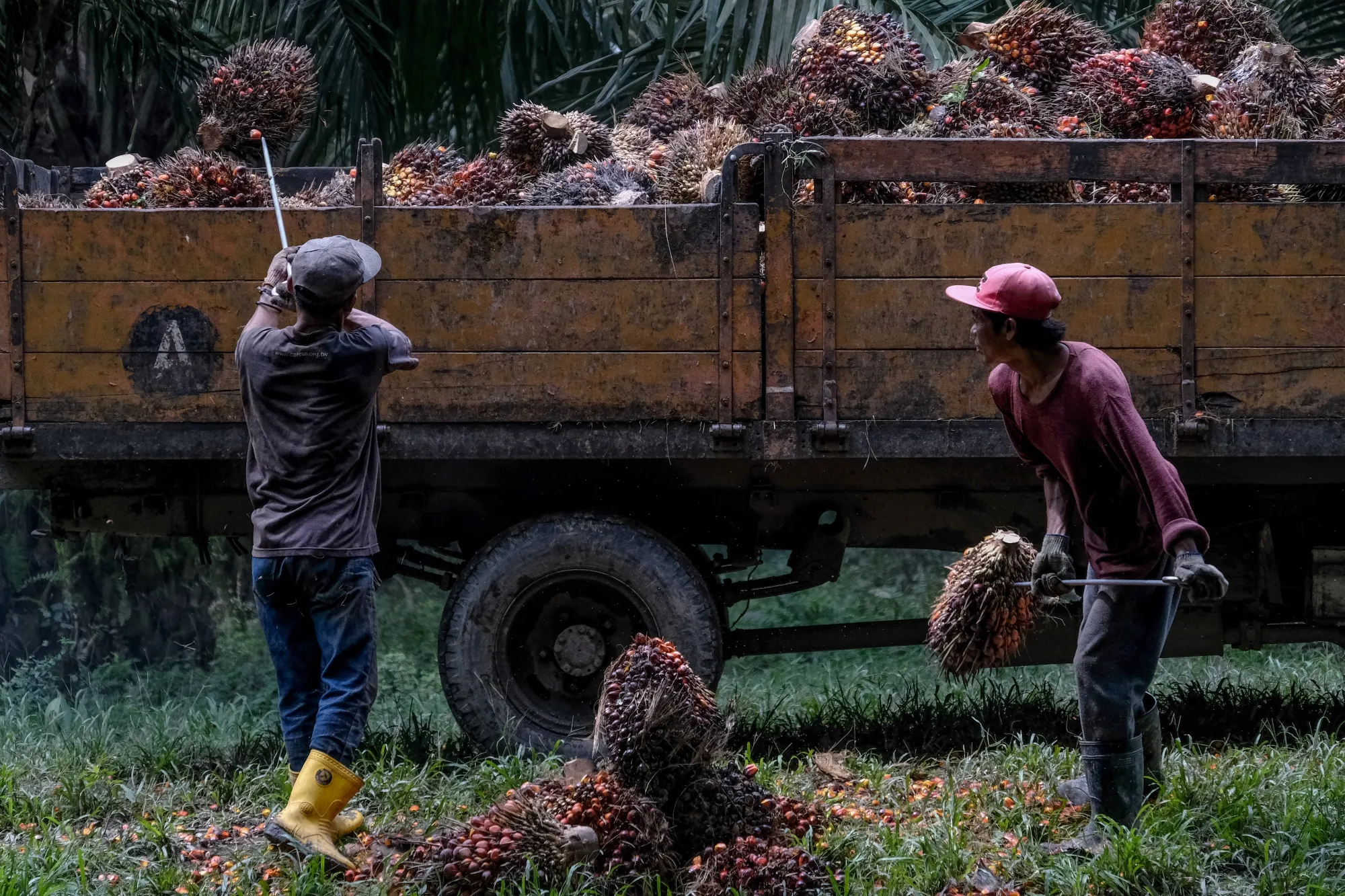
New plants at scale
However, Phil Aikman, Southeast Asia campaign director for non-profit Mighty Earth, said significantly higher food prices would only come about if biofuel makers built new plants at scale, which would take years.
As well as the time and cost involved in building new plants, fuel blending limitations and feedstock supply constraints would prevent a large and rapid growth in demand for biofuels, Kpler’s Wojtkowska said.
Biofuels only accounted for a fraction of global energy needs – meeting 4% of transport fuel demand, Reuters wrote.
According to research by consultants BMI, a unit of Fitch, biofuels are expected to meet 5% of transport energy needs by 2035.
More details: