

Egypt is the world’s largest exporter of live bees and produces many types of honey. Despite this, per capita honey consumption is only about 250 grams annually due to low purchasing power and the negative reputation many have created within the local market
Fouad Badran, Chairman of the Board of Directors of the Arab Company for Trade and Supplies (Al Badran), told “Food & Climate” that the accusation that Egyptian honey is adulterated by being mixed with sugar is a misconception about the industry.
The company has been operating since 1960, specializing in beekeeping, production, processing, and exporting various bee products.
Badran explained several details about the use of sugar in beekeeping, as well as the types and characteristics of Egyptian honey, in the following interview:
There is a common belief that Egyptian honey is not pure and is mixed with sugar. How do you respond to this?
This is one of the most widespread misconceptions. Sugar is not used in the production of honey in Egypt or elsewhere, but rather in feeding the bees during the winter and periods of low flowering. “Therefore, anyone who says that they are not fed sugar is lying.”
On average, a single beehive requires about 25 kilograms of sugar annually (a hive contains 9-10 frames, each frame being rectangular and measuring 45 x 25 centimeters). This is necessary if multiple components are extracted from the bees, such as wax, pollen, and royal jelly, in addition to honey. However, feeding should cease at least one month before the honey harvest season to avoid compromising the quality of the final product.
Read also: Pollinator and bee populations decline worsening by Trump administration cuts
The real problem lies in the incorrect practices of a limited number of beekeepers who continue feeding their bees sugar during the honey production season to increase yields. This negatively impacts the product’s quality.
These practices result in lower-quality honey because it is mixed with a sugar solution. This is less harmful than pure honey because the bees have processed the sugar within their bodies.
How do reputable companies guarantee the quality of their honey before it reaches the market?
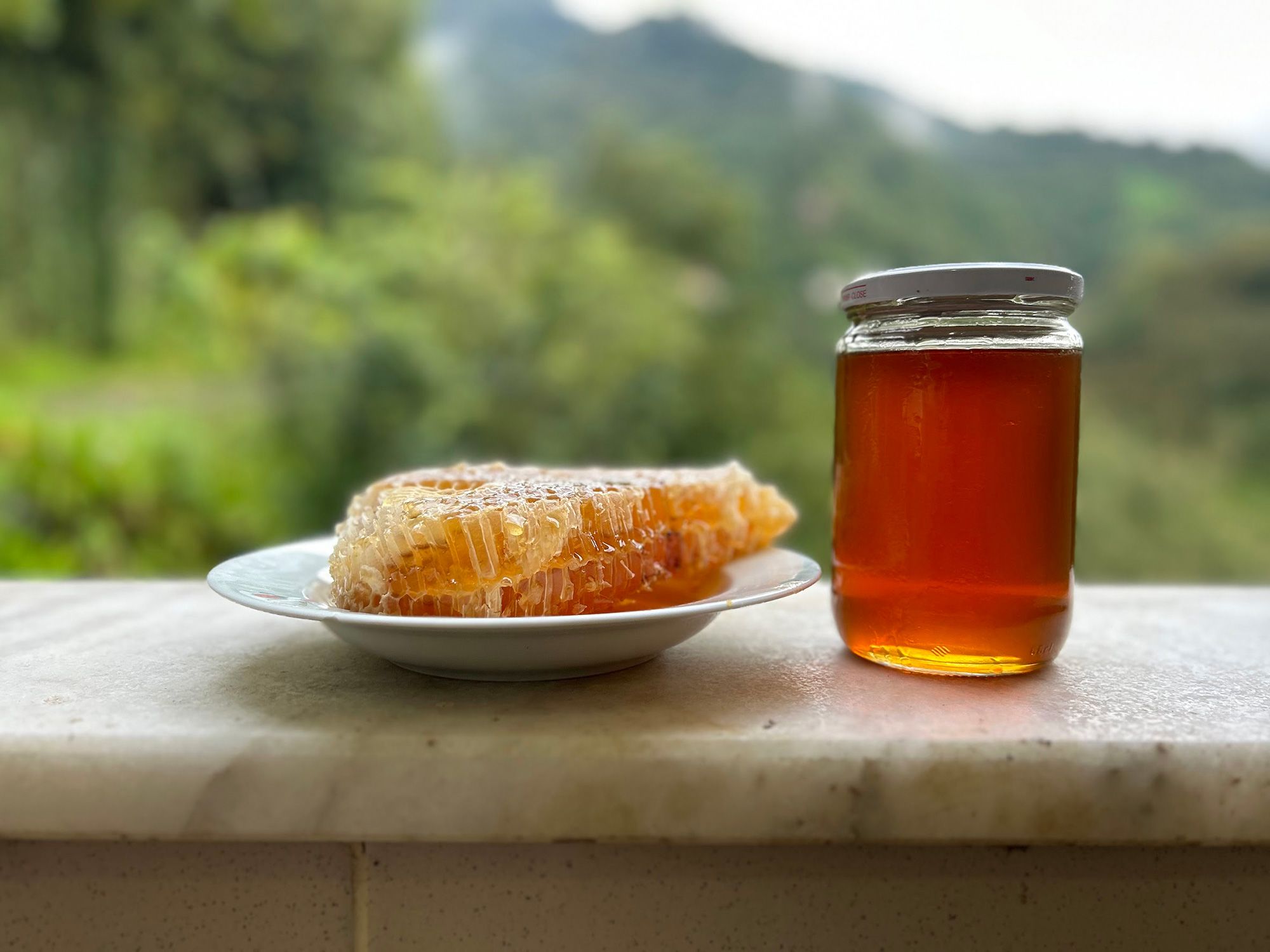
Quality begins from the moment the honey arrives at the factory. All shipments undergo laboratory analysis upon arrival, then are re-analyzed before entering the production lines, and further analysis is performed after packaging to ensure compliance with specifications at every stage.
Storage conditions are also continuously monitored, as high temperatures or improper storage can affect some of the honey’s components.
Why does honey consumption in Egypt remain low compared to other countries?
The average per capita consumption in Egypt is 200-250 grams annually, a very low rate compared to the Gulf countries and Europe.
This is due to several reasons, most notably the low purchasing power of a large segment of the population. Many consumers in Egypt also consider honey a luxury item, rather than a daily food or preventative product, despite its significant nutritional and health benefits.
The decline in consumer confidence in Egyptian honey, due to widespread adulteration in the market, also contributes to this.
What is the importance of the beekeeping sector to the Egyptian economy?
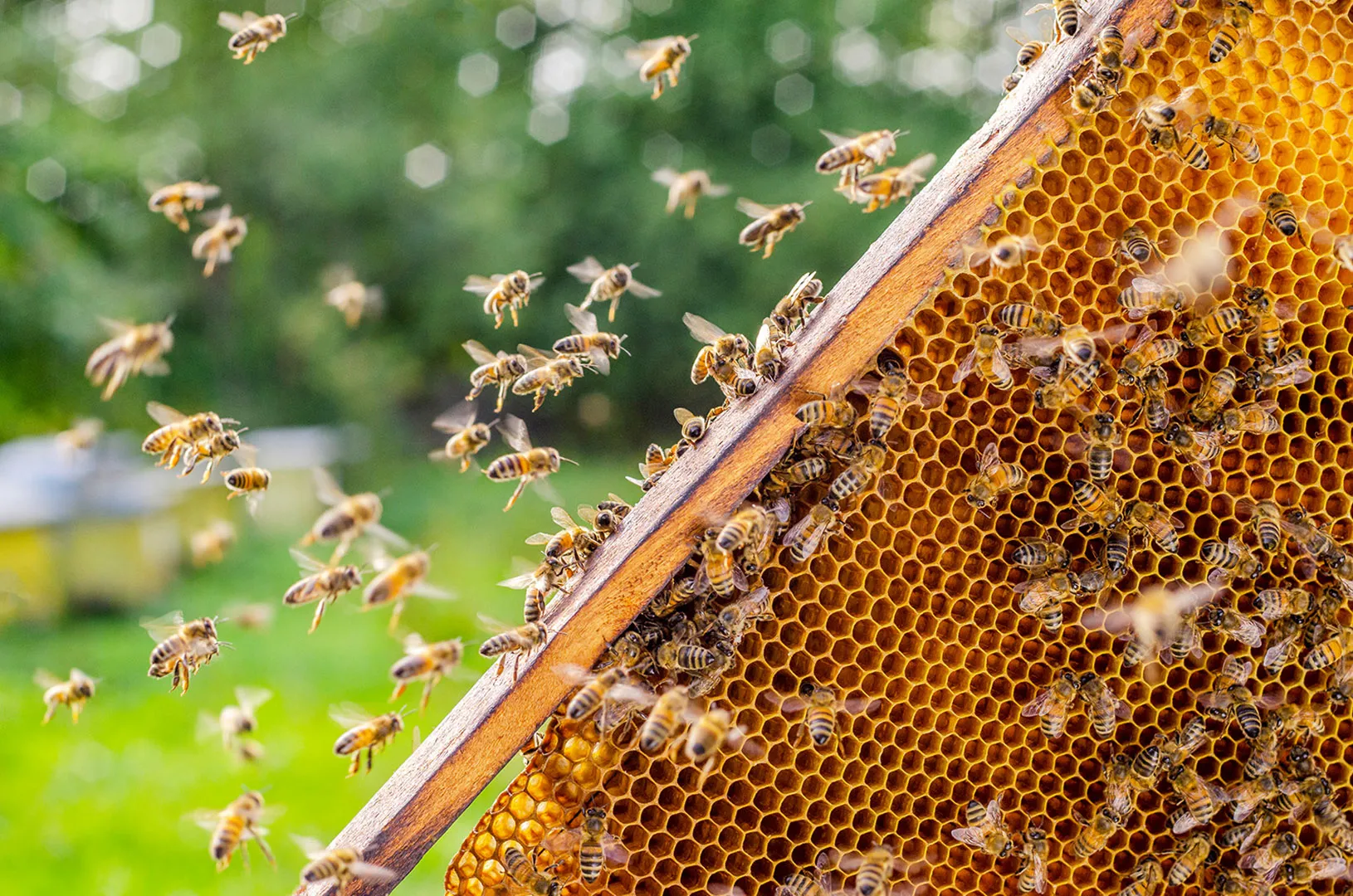
The sector’s role in Egypt extends beyond honey production; it also supports agricultural production by contributing to crop pollination. Bees are crucial pollinators, increasing the yield of some crops by up to 60%.
Read also: Adulterated foods exceed $40 billion annually, with olive oil, honey, and milk at the forefront
The sector provides numerous economically valuable products, including propolis, pollen, royal jelly, beeswax, and bee venom, in addition to natural honey.
Read also: To uplift declining bee populations, creating a new superfood
The sector also contributes to meeting local market needs, providing job opportunities for thousands of young people, supporting exports, and generating foreign currency, making it a promising sector deserving of greater attention.
Why is Gharbia Governorate a major center for beekeepers in Egypt?
Gharbia, particularly the Tanta region and its surrounding villages, possesses a comprehensive infrastructure for the beekeeping industry. This includes the production of hives, beekeeping supplies, honey processing, and the export of bee colonies, making it a key hub serving beekeepers from various governorates.
Furthermore, many export operations and product processing processes pass through this region, giving it extensive experience in this field over decades.
Some claim that Egyptian product is of lower quality than its Gulf counterpart. Why?
Egyptian honey is no less high quality than Gulf honey. In fact, Egypt produces distinctive varieties such as Sidr honey, marjoram honey, basil honey, fennel honey, and black seed honey, especially in the Upper Egypt governorates.
Some people buy Egyptian Sidr honey and resell it in Gulf markets under local brands, reflecting the quality and competitiveness of the Egyptian product.