
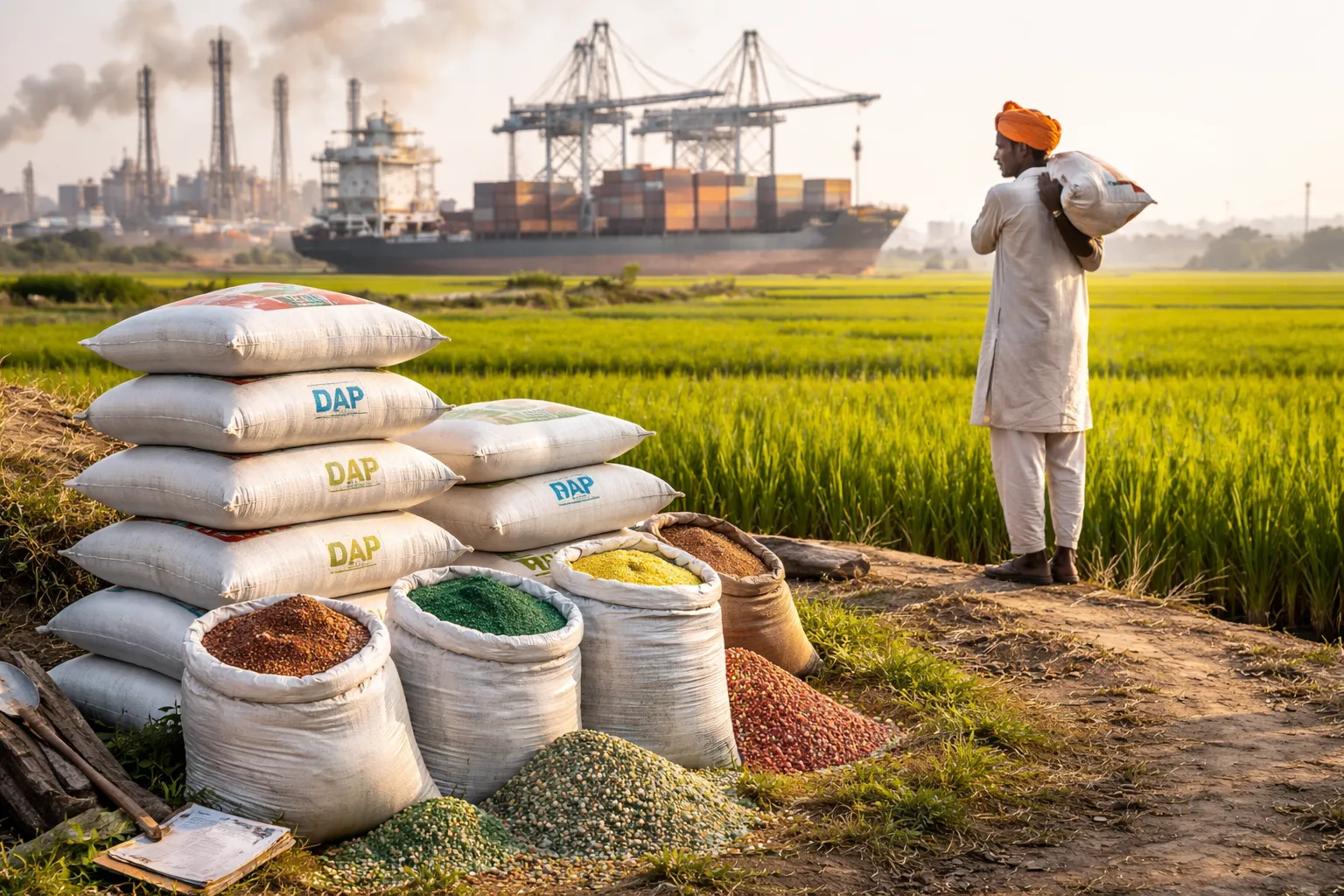
Urea fertilizer prices have skyrocketed in offers received by India during a tender held by the country to bolster its fertilizer stockpiles in preparation for the upcoming planting season in June.
Prices for urea fertilizer in the tender issued by the Asian nation, the world’s largest importer of this nitrogen fertilizer, more than doubled, in a further indication of the impact of the Iran-Iraq war that erupted at the end of February, according to a report seen by Food & Climate.
Aramco Trading, the trading arm of Saudi oil giant Aramco, and Singapore-based Ameropa Asia were among more than 20 suppliers who offered to sell urea fertilizer to India in the tender.
The tender, held on Wednesday, April 15, 2026, was India’s second this month. India launched a global tender, through a trading company, earlier this month for 2.5 million tons of urea to bolster its stockpiles of this essential soil nutrient.
Ammonia is a key component in the production of urea, diammonium phosphate, and other compound fertilizers.
India consumes between 17 and 19 million tons of ammonia annually for fertilizer production, according to various estimates, and imports most of this amount.
Offers double the required amount of urea fertilizer
Indian Potash Corporation, which imports urea for the government, received bids for 3.29 million tons, double the 1.5 million tons it sought in Wednesday’s tender, with prices ranging from $935 to $1,136 per ton, according to sources familiar with the matter, as reported by The Age Singapore.
Read also: India Increases reliance on nano fertilisers with a new step
Sources who declined to be identified said: “For the East Coast, the total quantity offered for urea fertilizer in the Indian tender was 2.63 million tons, compared to a request for only 1 million tons, with prices ranging between $959 and $1,136 per ton.
” Greenmarkets data shows that urea fertilizer from the Middle East, usually a major global supplier to India, was trading at $490 per ton before the war began.
The latest offers are estimated to be roughly double the spot prices before the conflict.
Potash had issued a tender to purchase 2.5 million tons collectively earlier this month, the country’s first such purchase since the US-Israeli strikes on Iran.
The timing is crucial, as the planting of key seasonal crops, including rice, corn, and soybeans, is scheduled to begin in the coming months.
Natural gas crisis
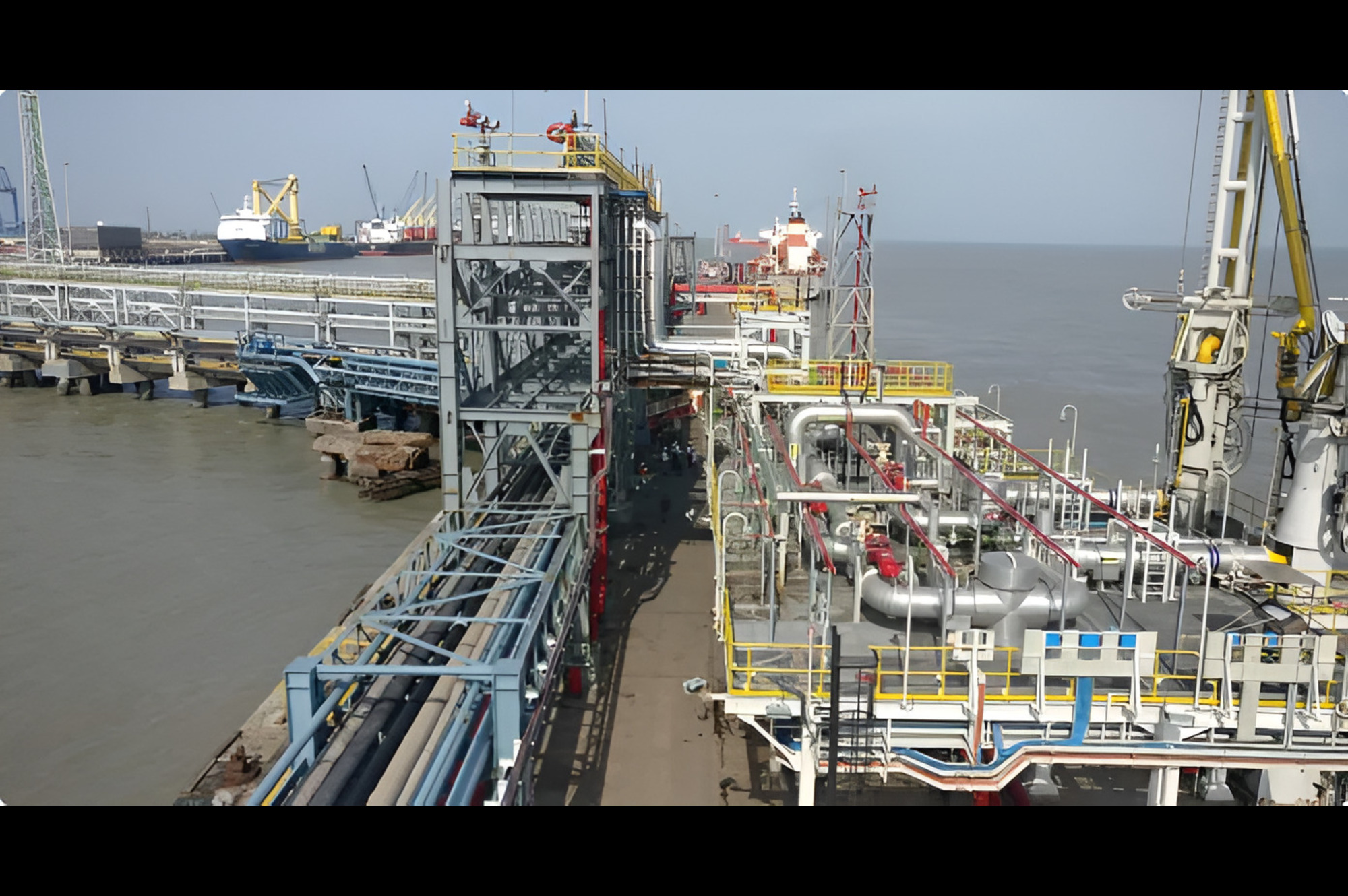
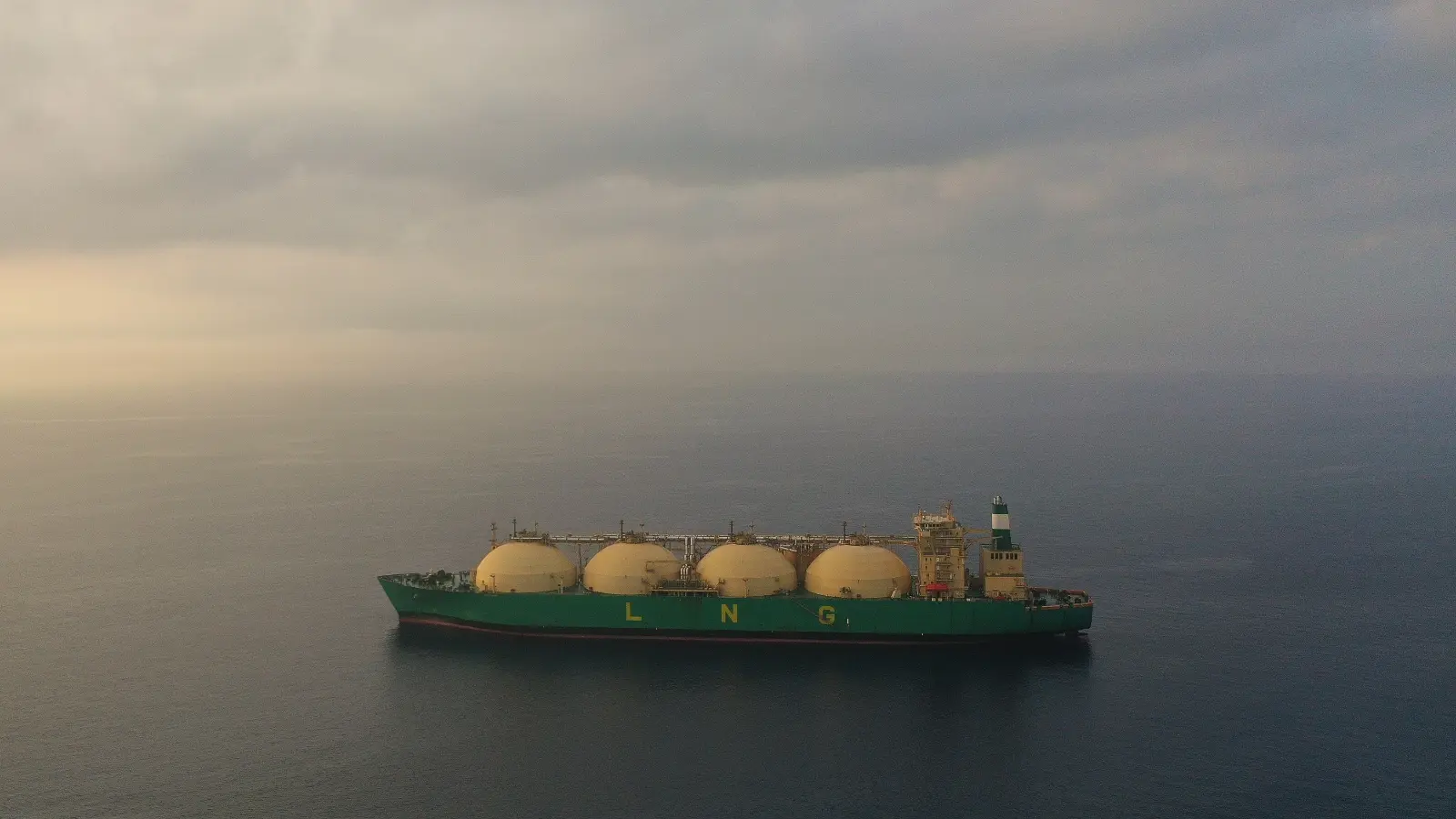
Urea fertilizer production in India, the South Asian nation, is heavily dependent on natural gas, most of which is imported from the Middle East and used in the production of ammonia. A key raw material.
The shortage of liquefied natural gas (LNG), following the de facto closure of the Strait of Hormuz, forced some regional companies to shut down their plants last month.
Domestic urea production was affected after Petronet, India’s largest LNG importer, declared force majeure in March, warning of reduced supplies due to the Iranian war, according to The Economic Times.
Read also: Egypt reduced nitrogen fertilizer use before the Iran war
Indian authorities are in talks with major producers and exporters of nitrogen and phosphate fertilizers to secure direct supplies.
Global urea prices have risen sharply since the start of the war, as nearly 45% of the world’s supply passes through the Persian Gulf, according to Bloomberg Intelligence, and any prolonged supply disruption threatens to push prices even higher.
Demand for fertilizers peaks around June, after the monsoon season, coinciding with the start of the planting season.
March and April are crucial months for production, storage, and distribution. The autumn season, which begins in June, accounts for more than half of the country’s food grain production.
Many staple crops, such as oilseeds, pulses, rice, cotton, corn, and sugarcane, are planted during this season.
Small farmers
Small farmers in India are facing a worsening crisis. Farmers in the north of the country say that delayed or nonexistent supplies could severely damage their crops, leading to significant financial losses and threatening their sole source of income.
Experts warn that the worst is yet to come. While most fertilizers in India were previously imported from Gulf countries, alternative suppliers are now further away, driving up costs and slowing deliveries.
Read also: British apple and pear growers, a two-week ceasefire in Iran comes too late
If the dispute continues into the monsoon season, shortages could worsen at the peak of demand. For small farmers already struggling with volatile weather, a fertilizer shortage could mean crop failures, mounting debt, and an existential threat to their livelihoods, according to DW.
More details: