Egypt’s massive fire, which claimed dozens of lives and injured many more, resulted in the absence of several government ministers from the World Food Day 2026 celebration in Cairo, which they were scheduled to attend.
The Food and Agriculture Organization (FAO) held the celebration in Cairo on Thursday, November 26, 2026. While several government representatives participated, numerous ministers were absent, most notably Alaa Farouk, the Minister of Agriculture and Land Reclamation, who sent an apology to the ministry’s journalists following Egypt’s massive fire.
Egypt’s massive fire
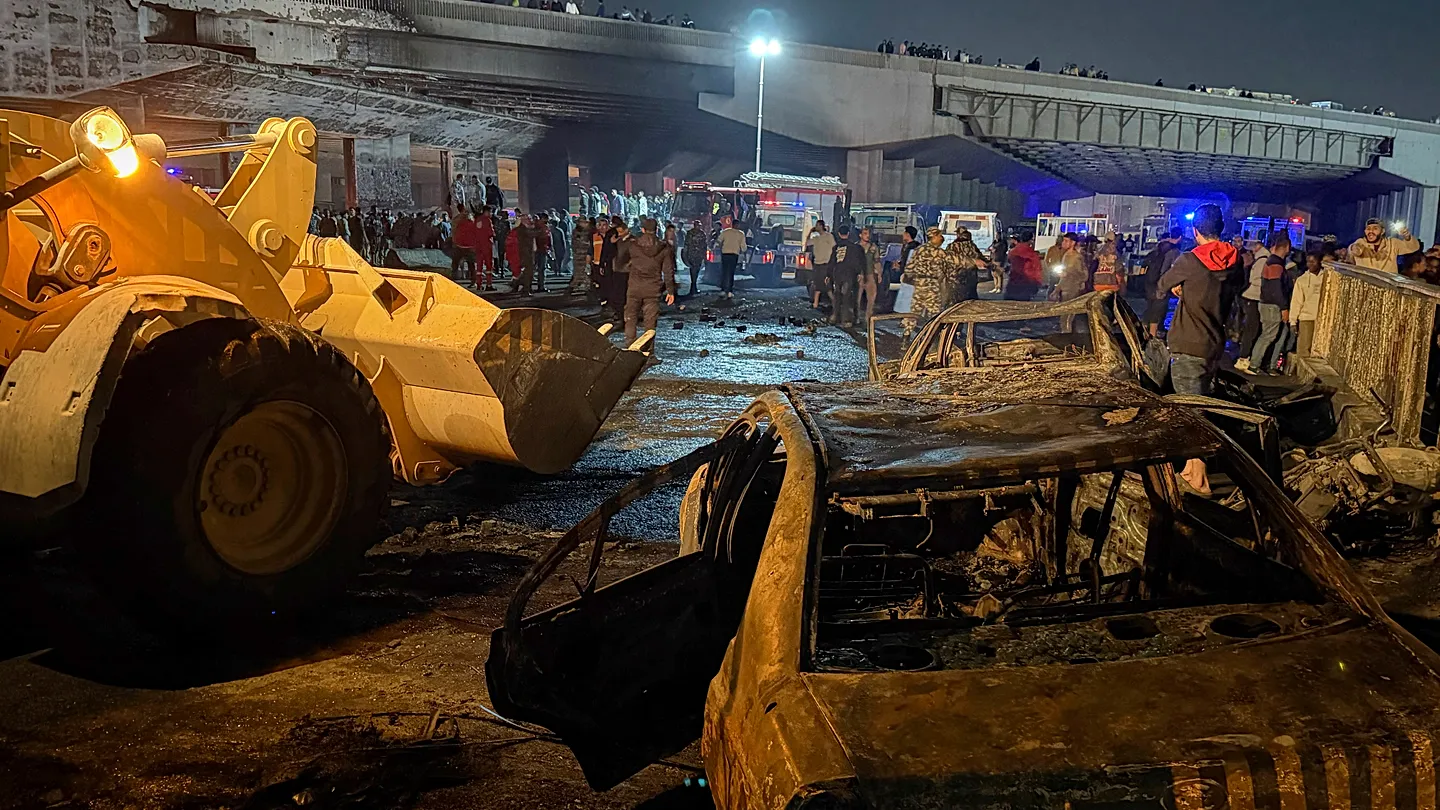
A fire broke out on the Warraq Ring Road in Egypt on Wednesday evening, November 25, 2026, after a speeding car collided with an oil tanker on the Ring Road in Giza Governorate. The collision caused the tanker to overturn, spilling its cargo of gasoline and igniting a fire that spread to nearby vehicles.
The Egypt’s massive fire resulted in the death of 31 people and injuries to 19 others. Questions circulated on social media regarding people who were near the scene of the accident and who were still missing at the time of writing.
The Egypt’s massive fire caused widespread grief across the country.
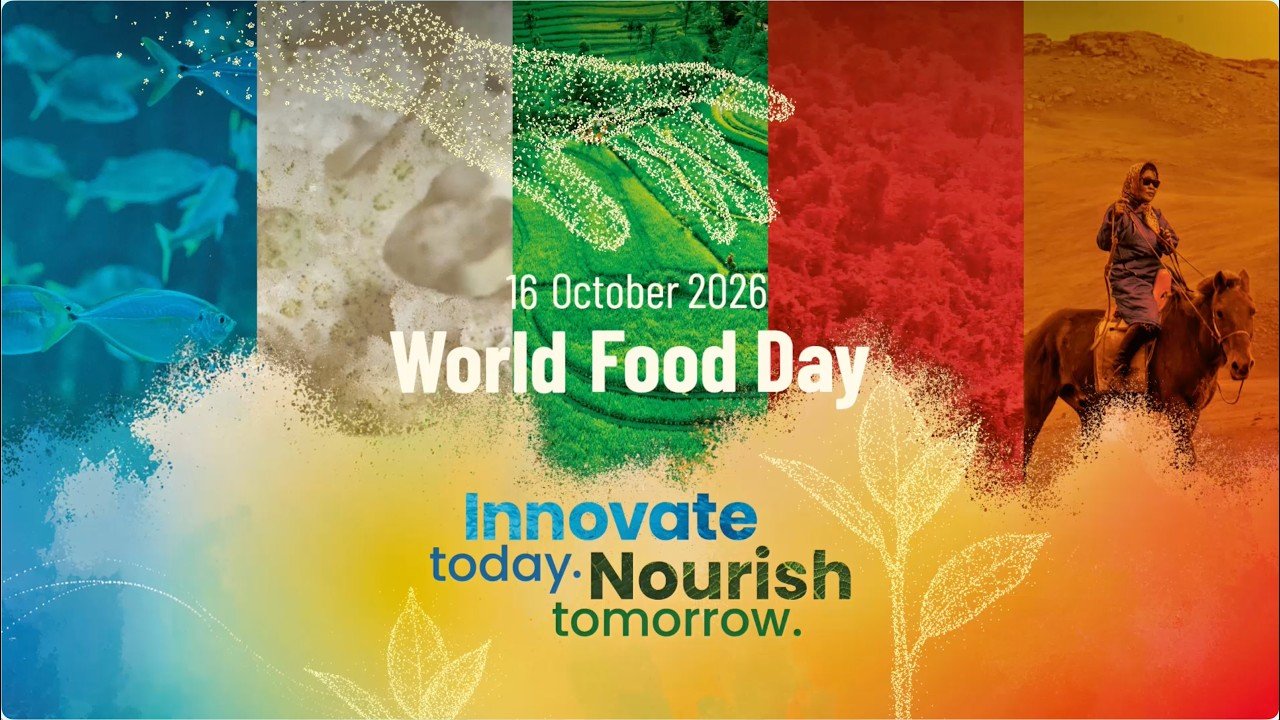
World Food Day Celebration 2026
During the celebration, FAO officials reviewed some of the key findings of the State of Food Security and Nutrition in the World 2026 report. Among the most prominent findings was the projection that the cost of healthy food would rise to $4.28 per person per day by 2025, with 2.69 billion people unable to afford it.
The celebration was held at the Egyptian Agricultural Museum, so Dr. Abdulhakim Elwaer, Assistant Director-General and Regional Representative for the Near East and North Africa at the FAO, said it was particularly fitting that the celebration was taking place at the Agricultural Museum, one of Egypt’s most prominent agricultural and cultural landmarks.
Read also: Rooftop farming: An Egyptian initiative to improve the quality of life for slum dwellers (Interview)
He added: “This venerable historical monument embodies the richness of Egypt’s agricultural heritage and underscores the vital role agriculture has played in building civilizations, supporting communities, and improving livelihoods throughout history. Choosing this location carries an important message linking our proud agricultural heritage with the future of agriculture we strive to build through science, innovation, and sustainability.”
He continued: “From this historical monument, we recall the achievements of the past and reaffirm our commitment to continuing to work towards a more secure and sustainable future for generations to come. Preserving agricultural heritage and investing in innovation are not separate paths, but rather complementary elements in building agri-food systems capable of meeting the challenges of the future.”
Read also: How rice straw in Egypt transformed from a pollution crisis to livestock feed? (Interview)
Elwaer added: “Our celebration this year is particularly significant as it coincides with the International Year of Women Farmers. Rural women and farmers are not only food producers, but also a cornerstone of food security and economic and social development in rural communities.”
However, women still face numerous obstacles that limit their access to land, financial services, modern technologies, markets, and decision-making processes.
He continued, “Investing in women farmers is an investment in a more sustainable, inclusive, and prosperous future for all.”
Digital Solutions
Elwaer stated that through digital solutions, farmers can access climate information, agricultural extension services, markets, and financing opportunities more quickly and effectively.
He added that the success of digital transformation requires it to be more inclusive, ensuring that its benefits reach smallholder farmers, women, and youth, and that no one is left behind.
Equally important is ensuring that the next generation has the skills, opportunities, and support necessary to play an active role in leading this transformation. The celebration featured an exhibition showcasing numerous projects by young people and women, projects that the organization helped bring to fruition. These included the production of honey and natural oils, and the use of water hyacinth in ruminant feed production.
During a tour by Elwaer and officials from the organization and the Egyptian government, this product (the use of water hyacinth in feed production) impressed him, as it addresses the water hyacinth problem in waterways while simultaneously reducing ruminant feeding costs.
FAO Strategy in Egypt
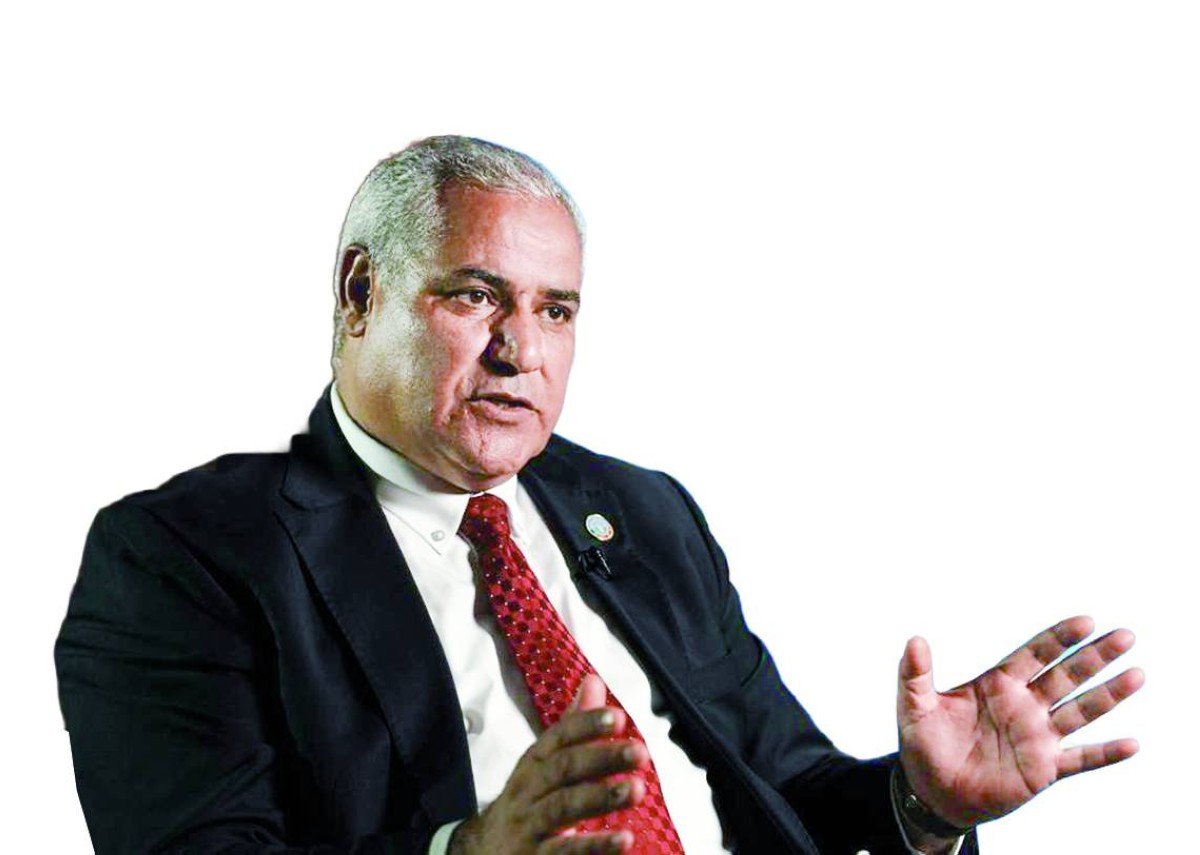
Dr. Ali Mohamed, an official at the FAO office in Egypt, reviewed the organization’s current strategy, which includes a range of projects, such as one aimed at improving water use efficiency with Dutch funding in 45 villages across the governorates of Sohag, Qena, and Aswan.
Mohamed explained that this project contributed to consolidating a significant number of agricultural holdings, reaching 3,000 feddans.
He also mentioned the Smart Agriculture project, funded by the Canadian government, which helped eliminate 12,000 tons of carbon dioxide emissions and increased the returns for participating farmers by 67%.