
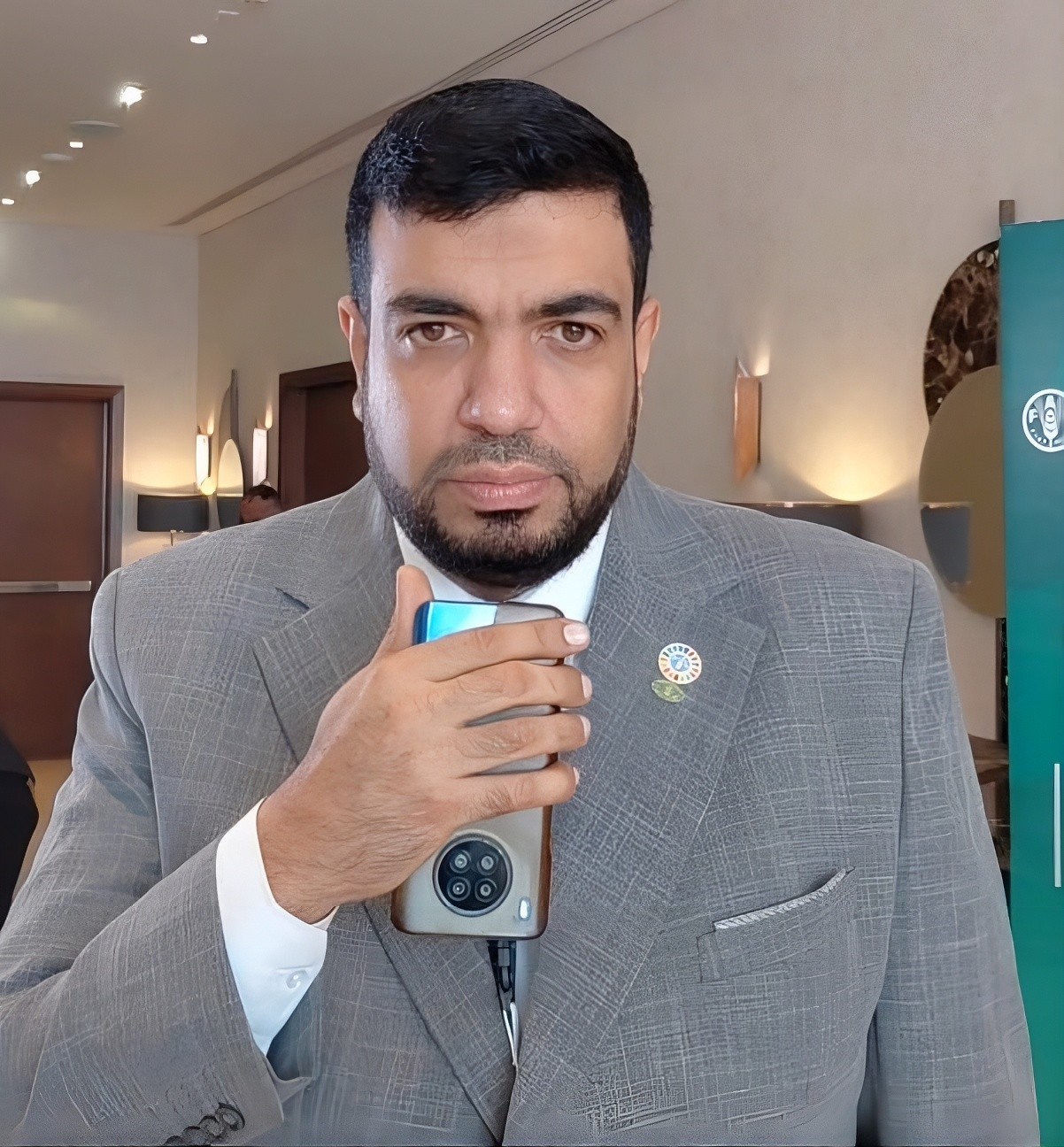
Nuclear radiation may have a “bad reputation,” associated in people’s minds with the Chernobyl disaster, but what many don’t know is that this radiation is used in numerous ways to combat pests, according to Dr Maged ElKahky, Agriculture Officer at FAO Headquarters in Rome and IPPC Representative.
Chernobyl, the worst nuclear accident in history, occurred on April 26, 1986, near the city of Pripyat in northern Ukraine, then part of the Soviet Union, and led to changes in industry standards afterward.
ElKahky told “Food & Climate” that nuclear radiation is used in pest control, electricity generation, and medicine to treat patients. He made these remarks on the sidelines of the IPPC Regional Workshop for the Near East and North Africa 2026, which was recently held in the Egyptian capital.
ElKahky added that the agreement primarily aims to protect plants from harmful pests and limit their spread from infested to healthy areas. Further details are provided in the following interview:
What is the extent of losses caused by crop infestations?
Pests spread naturally or through human movement and international trade in food and plant products. This necessitates international standards and procedures to limit their spread and protect countries from the resulting losses. The International Plant Protection Convention (IPPC) has established binding standards for countries to protect their lands from pests.
Losses caused by pests are estimated at 20% to 40% for some agricultural crops.
Read also: How did the sterile fly save Moroccan citrus exports? (Exclusive)
The main objective is to prevent the spread of plant pests from infested to healthy areas through agreements and procedures between exporting and importing countries. This ensures that exported food and plant products are free from insects and pests.
How is this achieved?
The agreement includes several standards that obligate countries to treat goods exported from their territories using procedures that prevent the spread of pests. It also ensures that the goods originate from infestation-free areas, thus reducing the risk of transmission.
Among these standards is the electronic health certificate, which facilitates the trade of food products and replaces paper procedures and bilateral correspondence between countries. Approximately 250,000 electronic health certificates have been issued.
The standards set by the agreement are international standards agreed upon by countries. However, protecting national interests allows countries to implement additional standards, whether regional or national, to safeguard important crops from pests that could threaten biodiversity, farmers’ incomes, and food security.
Could you explain the One Health concept?
The One Health concept is central to this field, as plant health is linked to animal health, human health, and environmental health.
It cannot be said that one country is superior to another in plant protection, as all countries strive to prevent their lands from being affected by any disease or pest and seek to prevent pests from reaching their territories.
Read also: Official: Climate change helps Egypt to Produce and Export tropical fruits (Interview)
Some countries rely on agriculture for their economies or a significant portion of their national income, making certain crops essential to their economies, such as cocoa and bananas. Consequently, these countries are moving towards implementing stricter standards to protect these crops, considering them a national treasure.
Pest control and plant protection are primarily linked to safeguarding food security, but they are also crucial for preserving biodiversity, as some pests or diseases can lead to the extinction of entire plant species.
The losses also extend to farmers’ incomes, potentially leading to the abandonment of agricultural lands, the emergence of social disparities, and other repercussions.
Nuclear radiation—a term with a “bad reputation”—might shock some when they learn it’s used in food?
There’s a joint division between the International Atomic Energy Agency (IAEA) and the (FAO) dedicated to researching the safe use of nuclear radiation, whether in pest control or the food industry. When these terms are mentioned, some people immediately think of the Chernobyl disaster, but this perception is incorrect. It’s used to protect plants by killing certain pathogens, helping to ensure that exported products and propagation materials are free from these pathogens.
For example, its use in techniques to produce sterile males contributes to reducing the populations of some pests.
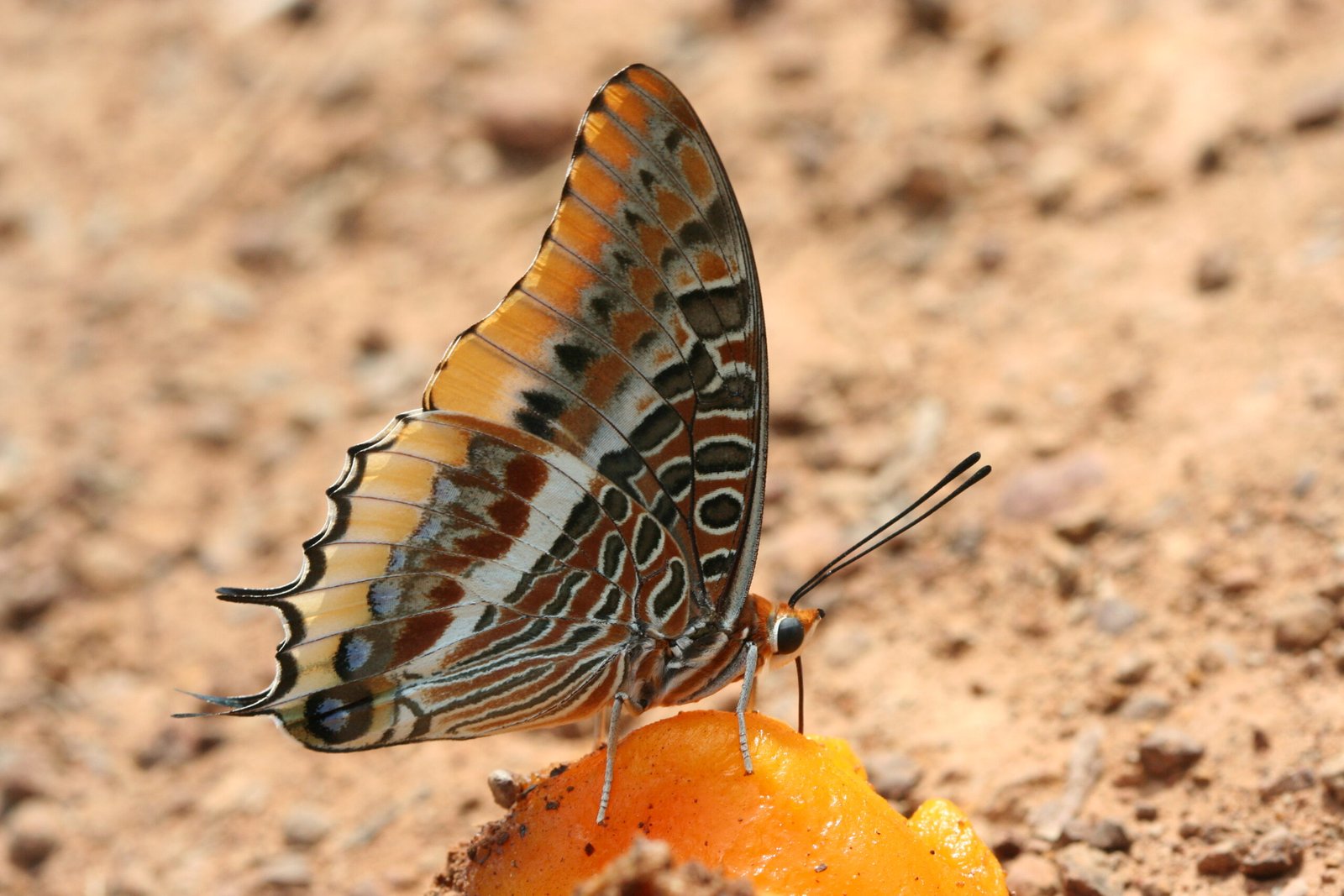
One of the most well-known examples is the production of sterile males for the fruit fly, one of the most widespread pests, which causes significant losses. This technique reduces the pest population and has been successfully implemented by countries in the Near East and North Africa.
Read also: FutuX Agri-consult: Nigerian ginger struggles to produce 3,000t from 300,000t before blight (Interview)
Radiation has many peaceful uses, including electricity generation and nuclear medicine, as well as its use in various processes for sterilizing food products consumed by humans. These processes are completely safe when applied according to established standards and procedures.

Are there seemingly simple actions that can be dangerous in the field of pest control?
Yes; the most significant is when an individual traveler brings fruit or ornamental plants from another country without realizing that the plant may not be traveling alone, but could be carrying pathogens or pests, as well as contaminated soil or other related materials.
Therefore, World Plant Health Day, celebrated annually on May 12, saw widespread awareness campaigns about these risks, including one with the slogan “Don’t Risk It,” emphasizing the dangers of transporting fruits and plant products between countries without declaring them or ensuring their safety.
There are indications that awareness efforts are beginning to bear fruit, as informational brochures have been distributed in many airports, along with the presence of agricultural quarantine facilities and messages directed to travelers requesting the declaration of any plant products they are carrying at various airports.