The Egyptian Association for Organic Agriculture is preparing to support Egyptian exports to Europe following the implementation of the European Union’s Carbon Border Adjustment Mechanism (CBAM) by selling carbon certificates to these industries, according to Helmy Abouleish, Chairman of the Association’s Board of Directors and Chairman of SEKEM Egypt, its founding company.
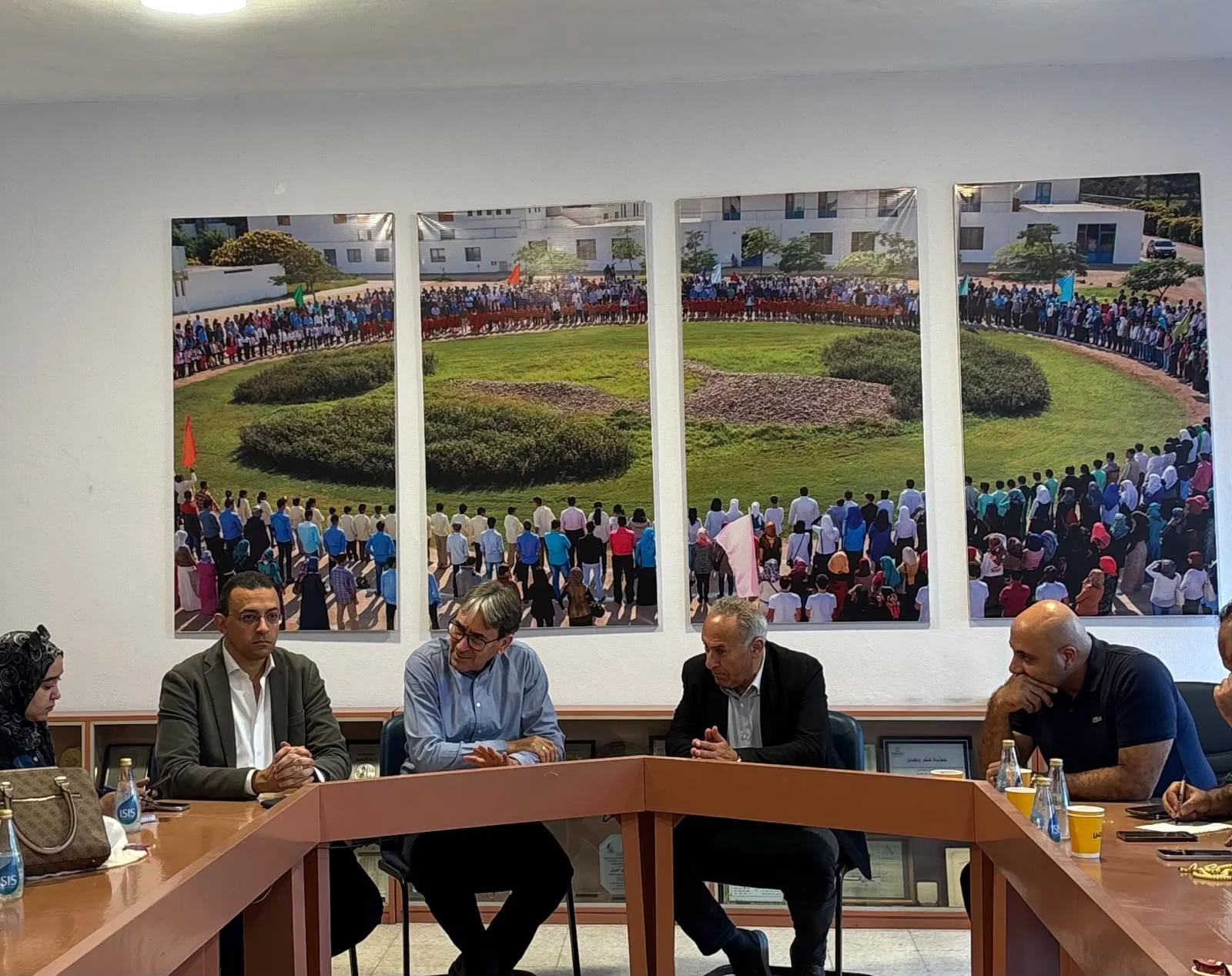
During a meeting with a group of journalists at Heliopolis University on Wednesday, October 4, 2026, Abouleish added that reducing carbon emissions through the current agricultural system provides credits that manufacturers exporting to Europe can purchase to reduce the amount of emissions generated by this industry.
He continued, saying, “Therefore, I do not prefer selling carbon certificates to companies outside Egypt; I prefer selling them to local companies, as farmers also benefit from the proceeds of these certificates.”
The Egyptian Association for Organic Agriculture is registered in the Egyptian Financial Regulatory Authority’s database for such projects.
The Egyptian Society for Organic Agriculture (ESOA), an independent civil society organization, was founded 30 years ago. It developed the “Love Economy” standard, primarily inspired by SEKEM’s vision.
ESOA focuses on expanding organic farming and promoting the comprehensive transformation of agricultural communities.
Through the “Love Economy” standard, the society empowers farmers to transition from traditional farming practices to profitable organic and organic farming practices, while also supporting community development.
SEKEM believes Egyptian exports will be affected
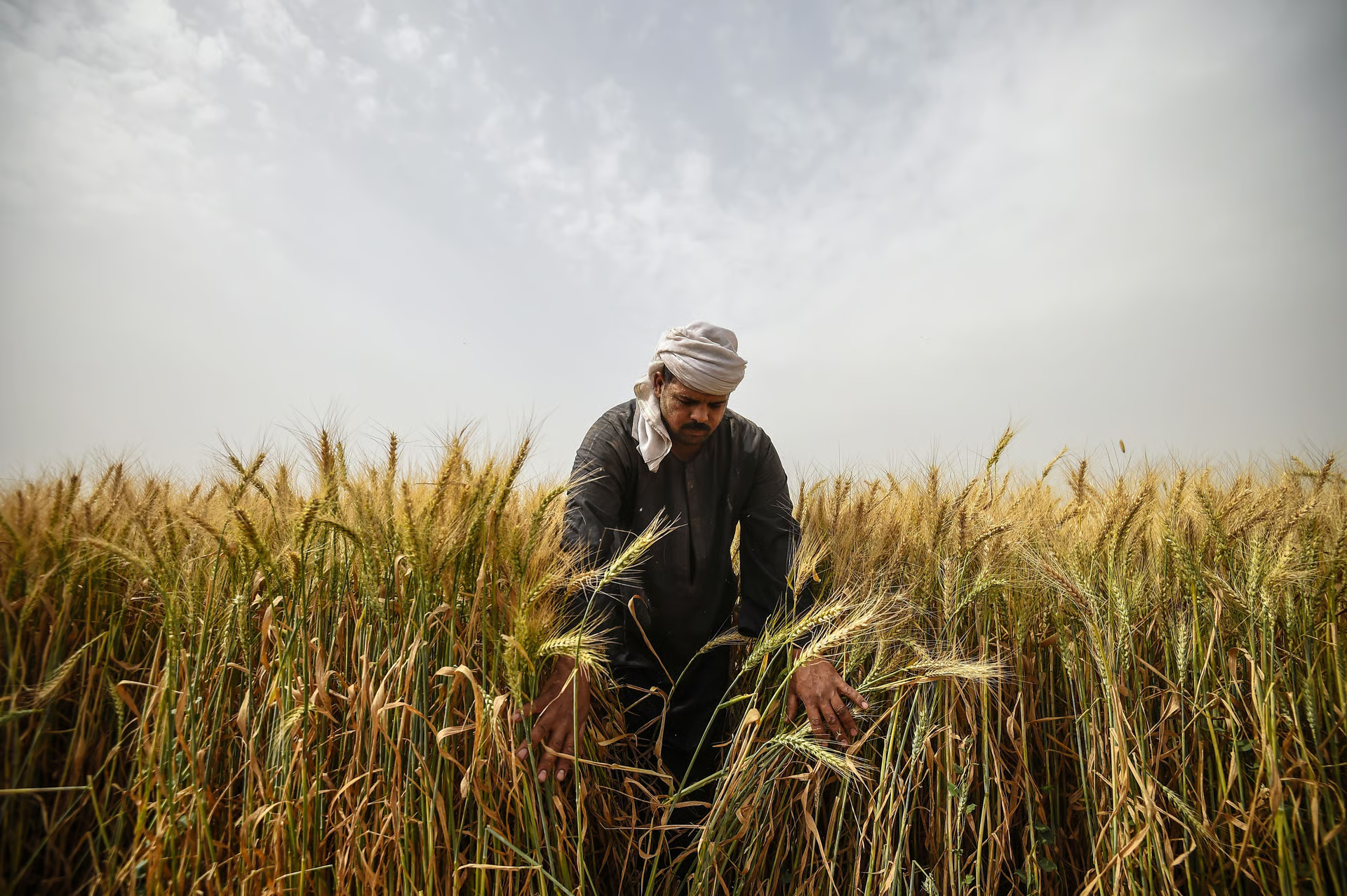
Helmy Abouleish, Chairman of SEKEM, stated that Egyptian exports will be impacted by the implementation of the CBAM mechanism, adding, “We are trying to assist industries in this regard.”
The SEPAM mechanism is scheduled to be implemented at the beginning of next year (2026), having been postponed by the European Union for a year at the request of exporters.
Under this mechanism, the European Union imposes fines on imports to its member states for industries with high emissions, potentially reaching around €100 per ton for fertilizers, for example, according to previous press statements by Saad Abou El-Maati, President of the Arab Fertilizer Association.
Read also: UNEP: SEKEM Egypt is one of the Champions of the Earth in 2024 for Fighting desertification and drought
Nicholas Zgemeis, former head of trade at the EU Delegation, told Food & Climate that SEPAM is applied to imports to ensure fair competition for domestic products within the bloc.
He noted that local producers within the bloc apply these standards, which raises costs and weakens their competitiveness against imports. Fearing the exodus of these producers, the Commission decided to impose SEPAM.
40,000 farmers
Abouleish said: “The Love Economy standard provides high-quality carbon credits that go beyond simply sequestering carbon in the soil. It offers a comprehensive set of benefits that address issues of climate change, biodiversity, and the health and safety of individuals. By promoting regenerative practices, the standard supports healthy ecosystems, including improved soil and human health, enhances food and water security, and raises the socio-economic level.”
Read also: EU carbon tax confuses the Egyptian fertilizer industry
The “Love Economy” standard projects empower small farmers by providing specialized training, essential resources, and financial incentives, enabling them to adopt sustainable farming methods that are climate-smart and economically viable.
Abouleish added that the number of farmers who have joined the system so far is around 40,000, “and we aim to increase this to 50,000 by 2030.”
Continuous Expansion
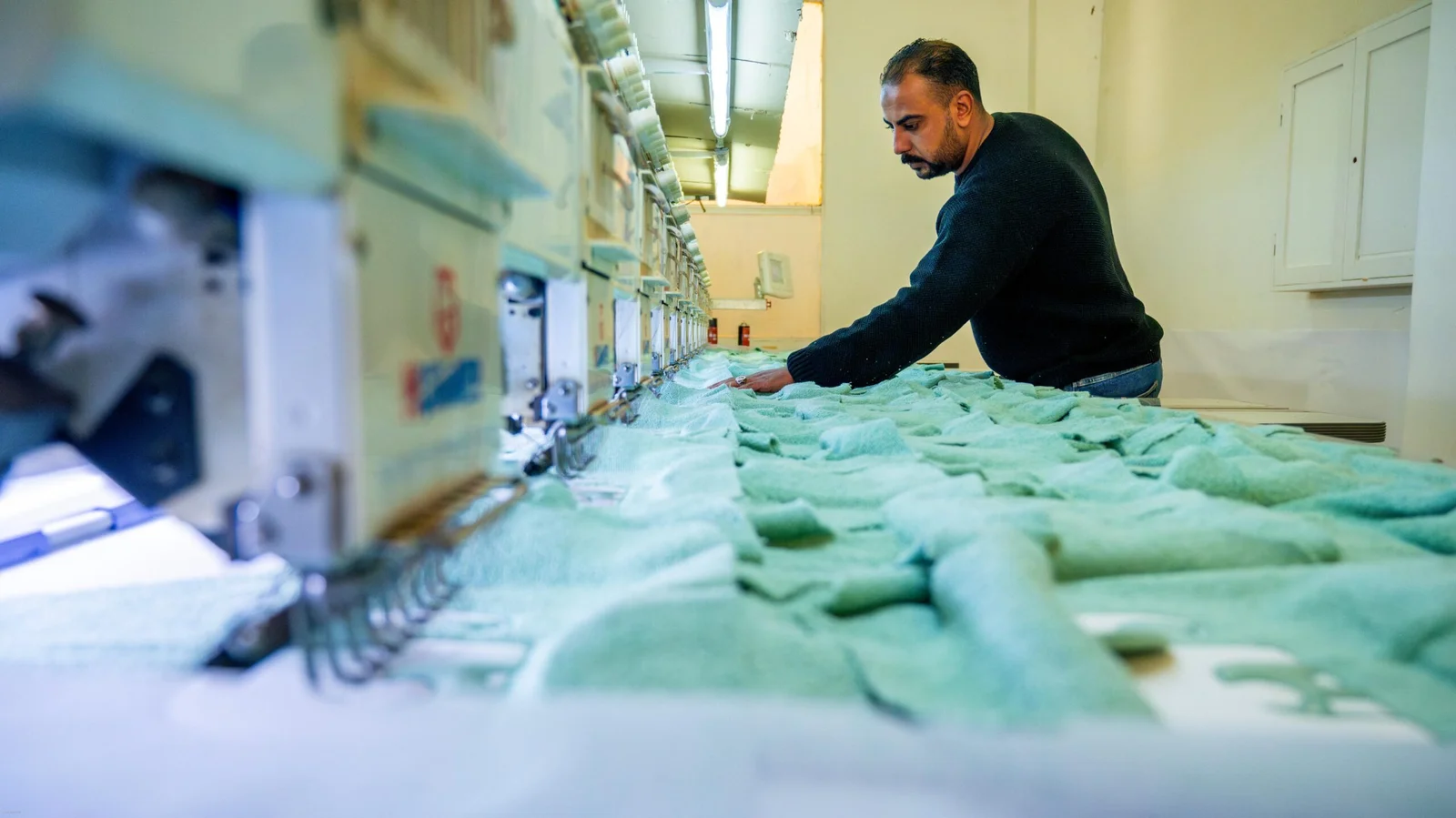
According to Abouleish, SEKEM is expanding by about 20-25% annually, noting that these expansions focus on acquiring the new equipment and machinery necessary for the work.
He said that there is also an increase in investments to acquire additional land, as the company is implementing its projects in several Egyptian governorates, primarily Sharqia, in addition to Minya. It also intends to work in the Toshka spillway, having already acquired a plot of land there.
Read also: Egyptian Biodynamic Association sells 350 carbon emission reduction certificates
SEKEM operates in all stages of production, from organic farming with all its requirements to manufacturing, and it has herb drying plants and workshops in various fields.
Abouleish stated that most of the production of natural herbs and other products is destined for the local market, with the remainder exported.
The sales target for this year is approximately two billion Egyptian pounds, encompassing both exports and the local market.