
Climate change may have some positive effects in Egypt, as rising temperatures have helped produce non-traditional crops such as some tropical fruits, like avocados and dragon fruit. However, it has harmed traditional crops such as citrus, according to Dr. Islam Abu Elala, supervisor of the Plant Health Unit at the Agricultural Quarantine Department of the Ministry of Agriculture and Land Reclamation.
In an interview with “Food & Climate,” Abu Elala added that climate change negatively impacts agricultural production. Its harmful effects extend beyond excessive heat and decreased rainfall to include the movement of agricultural pests and their ability to spread and adapt to new environmental conditions. This poses additional challenges for food-producing and exporting countries.
His remarks were made on the sidelines of the 2026 Regional Workshop of the International Plant Protection Convention for the Near East and North Africa, which was recently held in the Egyptian capital.
Egypt is addressing this challenge through its agricultural quarantine system. To prevent pests from entering the country, monitor their movements, and address them as they appear, thus preserving local production and ensuring the continuation of agricultural exports to foreign markets.
At the same time, climate change necessitates adjustments to the timing of some agricultural and export seasons, depending on crop conditions and market demands.
Abu Elala added details to “Food & Climate” regarding Egypt’s approach to dealing with the challenges of climate change, particularly in the area of pest control, in the following interview:
How does climate change affect the movement of agricultural pests?
Climate change affects the movement of agricultural pests. The concept of pests is not limited to insects; it also includes bacteria and viruses, which can undergo mutations that make them more adaptable to new climatic conditions.
Conversely, climate change may lead to the extinction of some pests or their confinement to specific areas.
Any pest that enters a country goes through three main stages: entry, spread, and establishment. Therefore, measures primarily focus on preventing the pest from entering the country.
How does the Egyptian Agricultural Quarantine work to limit the entry of pests?
Agricultural quarantine measures are in place to prevent the entry of pests through a series of procedures when agricultural products are imported. However, there are transboundary pests that have a significant ability to spread between countries.
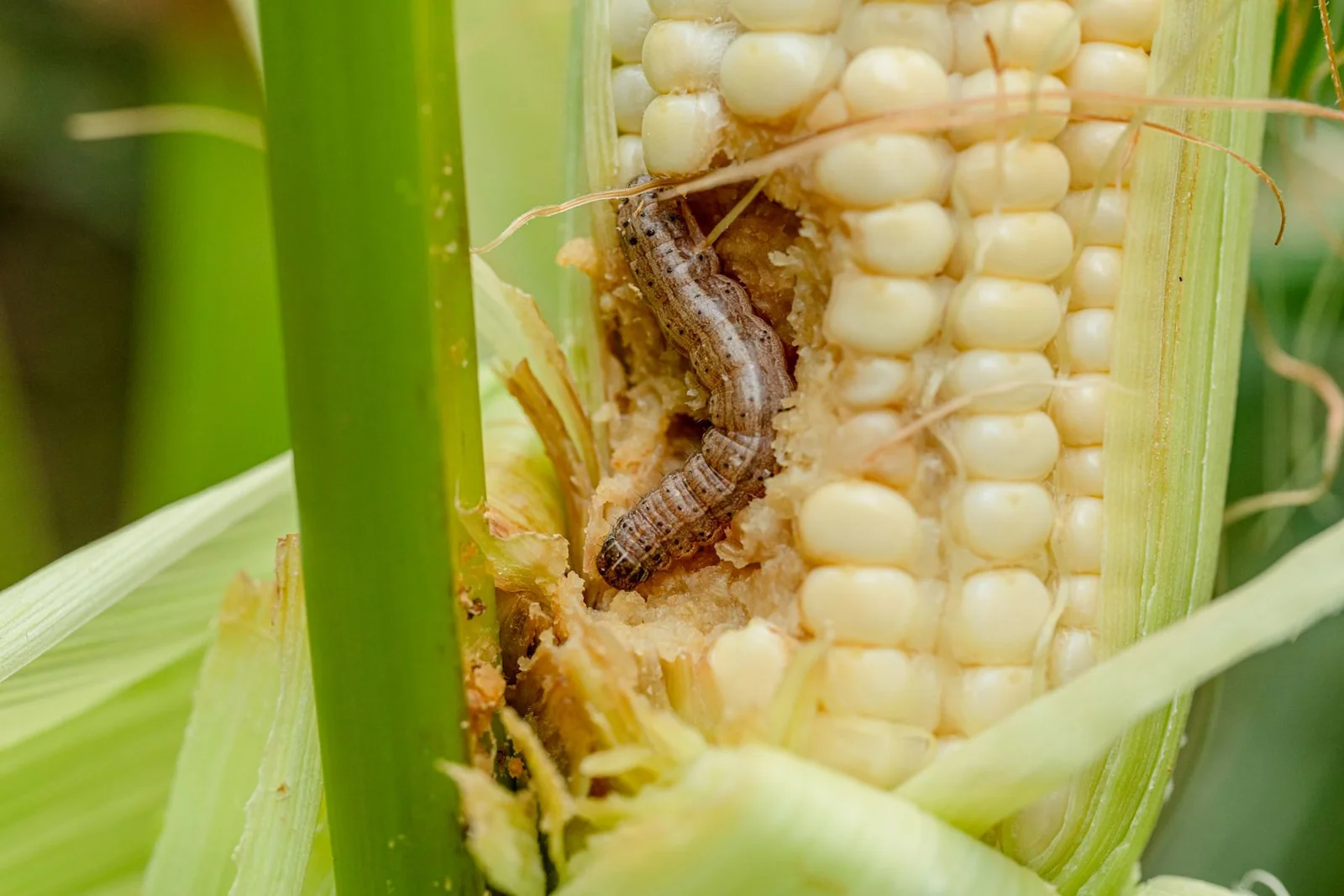
One such pest is the fall armyworm, which can travel up to 100 kilometers in a single night, making it difficult to control. However, its arrival can be delayed, and preparations can be made to combat it.
Read also: EU official on Egyptian fertilizers: our farmers demand more (Interview)
Egypt successfully delayed its entry for three years, from 2016 to 2019, by setting traps on the border with Sudan and implementing control programs. This allowed time for preparation, especially since no registered pesticides were available in Egypt at the time.
After its arrival, specific measures were implemented in affected areas, along with the registration of pesticides for its control and the use of biological control methods.
Does climate change affect agricultural production?
Climate change sometimes has a positive impact. Egypt has begun exporting non-traditional agricultural products that were not previously widely cultivated, such as avocados and dragon fruit, crops typically grown in tropical regions, thanks to rising temperatures.
Conversely, climate change negatively affects traditional crops, including citrus fruits, impacting fruit color, timing, size, and overall tree load.
How is the citrus export season determined?
It is determined based on the crop’s condition in the fields. The Ministry of Agriculture holds meetings before the season begins, in cooperation with the Agricultural Quarantine Authority, the Agricultural Export Council, and other relevant bodies, to assess the condition of farms in several governorates, particularly major ones like Beheira and Ismailia. The export season’s start date is then set after two criteria are met: technical and commercial.
The technical aspect relates to weather conditions, fruit coloring, and size, while the commercial aspect relates to the desire of some exporters to start exporting early to take advantage of high prices, as well as the seasons of competing countries, such as South Africa, as the Egyptian season may overlap with the continued presence of South African oranges in European markets, which may affect prices.
How does Egypt protect its agricultural exports?
Egypt has managed to maintain its agricultural exports by opening new markets, tightening controls, and implementing a coding and tracking system.
What about the brown rot crisis in potatoes?
Egypt has areas free of brown rot, especially in newly reclaimed lands that have seen significant investments. These areas are subject to regular monitoring through sampling potatoes, water, weeds, and other factors, in cooperation with the agricultural quarantine.
Egypt exports approximately 1.3 million tons of potatoes annually. Shipment rejection notices may result from contamination at the farm or from contamination in the container or packaging itself.
Read also: Sudan’s Faid Al-Naam Preparing to launch the first smart feed factory in the Middle East in Egypt (Interview)
When a notification of rejected potato, shipments is received in foreign markets, the agricultural quarantine returns to the farm and traces the shipment’s origin. If a problem is confirmed, the necessary measures are taken.
Exporters are penalized according to the number of shipment rejection notices compared to the total exported quantities. Penalties can range from a one-, two-, or three-season export ban to, in some cases, a permanent export ban.
A shipment rejection does not necessarily indicate a problem on the farm or deliberate violation by the exporter. Contamination can occur during transport. For example, a container might have previously been used to transport potatoes from another port or country, leading to bacterial contamination.
Is an international standard for container disinfection needed?
The workshop discussed an international standard for handling maritime containers. Currently, there is no unified international standard for containers in this regard, and its development requires international consensus.
However, some countries may believe that a binding standard could impose additional restrictions on trade and exports. This issue is being explored in cooperation with relevant maritime shipping organizations to develop a binding standard or guidelines that countries can utilize.
It can also spread via containers and tractors. “A tractor traveling between two neighboring countries can carry soil or pests from one country to the other. Therefore, tractors and other means of transport are being disinfected to limit the spread of pests.”
What are the most prominent pests that Egypt is currently working to prevent from entering the country?
We are working to prevent the entry of the bacterium Xylella fastidiosa, which infects olive trees, along with a large number of other plant hosts, reaching approximately 356, including grapes, citrus fruits, cut flowers, and others.
The danger lies in the fact that the symptoms of infection can resemble those of drought. Egypt is also working to prevent the entry of citrus greening disease and citrus canker through survey and monitoring plans.