
The Green Climate Fund (GCF) has approved funding of $184.8 million for two projects: one to combat desertification in Algeria and the other to protect forests in Mexico, with support from the Food and Agriculture Organization of the United Nations (FAO).
The fund announced this on Wednesday, October 28, during the 46th meeting of its Executive Board, held in Songdo, Republic of Korea, according to a statement received by Food & Climate from the FAO.
Both countries have made significant strides in implementing climate action through their agricultural sectors.
Thanks to the support of the FAO and the fund, Algeria and Mexico will intensify their efforts to reduce greenhouse gas emissions, enhance resilience to climate change, and ensure food security for rural communities.
Combating desertification in Algeria through land restoration
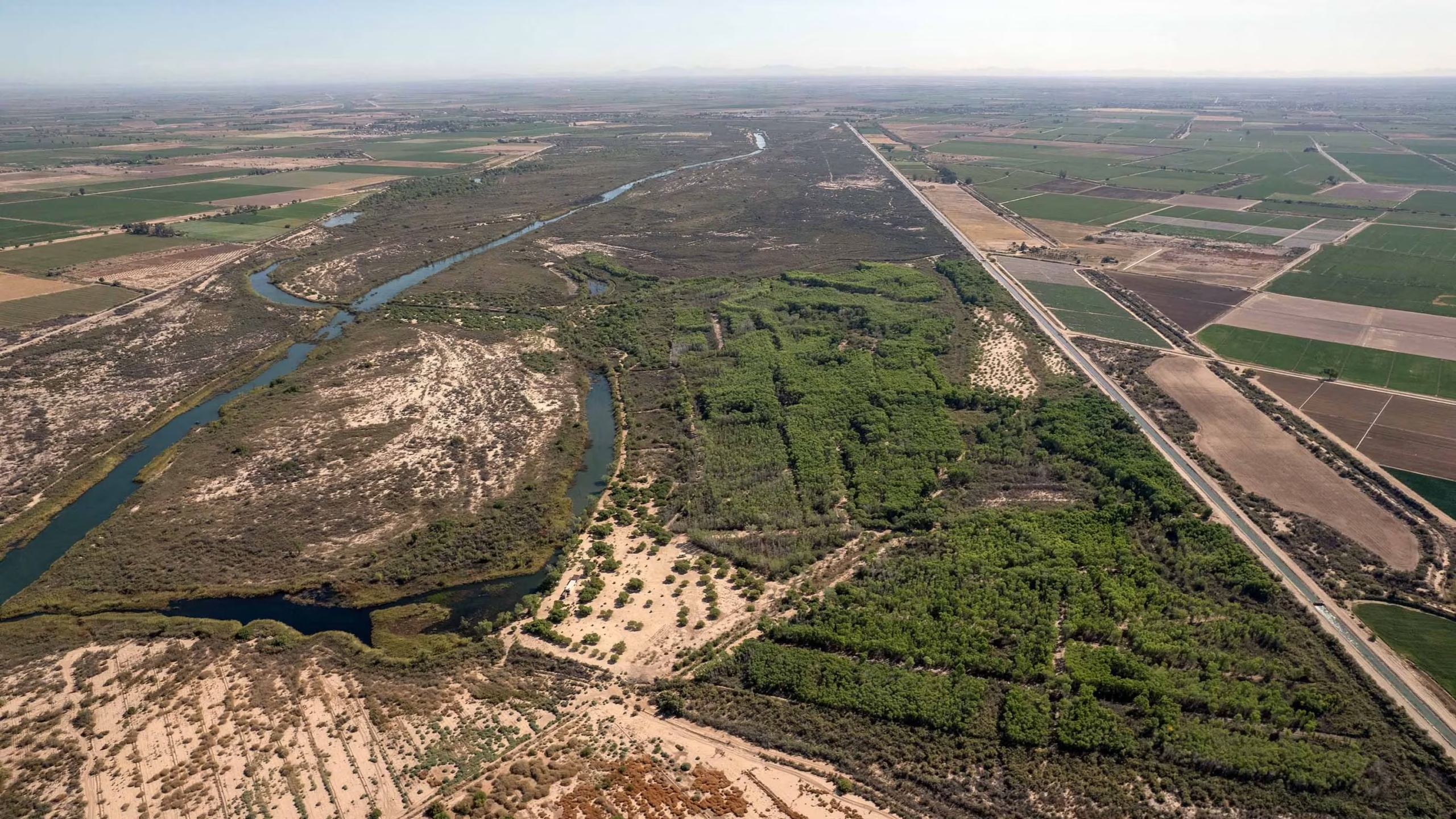
For more than half a century, successive governments have intensified efforts to combat desertification in Algeria and protect the steppes and rangelands from land degradation.
In 1971, the government launched the ambitious “Green Dam” initiative, an environmental belt stretching approximately 1,500 kilometers across the steppe regions bordering the Sahara, with the aim of combating desertification and addressing land degradation in Algeria.
Read also: Arthur D. Little: Combating land desertification is possible with 5 technologies
The Algerian government is collaborating with the FAO on the implementation of the country’s first climate initiative funded by the Green Climate Fund. (GCF).
This initiative builds upon the Green Dam project by strengthening the resilience of ecosystems and livelihoods across 454,140 hectares, spread across six provinces.
The seven-year initiative, titled “Strengthening Climate Change Resilience in Steppe and Dry Forest Areas within the Algerian Green Dam,” aims to reach over one million people and provide direct support to more than 142,000 farmers and livestock breeders (more than a third of whom are women) living in these arid and semi-arid regions.
Rural communities will benefit from the restoration of over 59,000 hectares of degraded land, including forests, rangelands, sand dunes, and agricultural land.
Solar energy for rural households
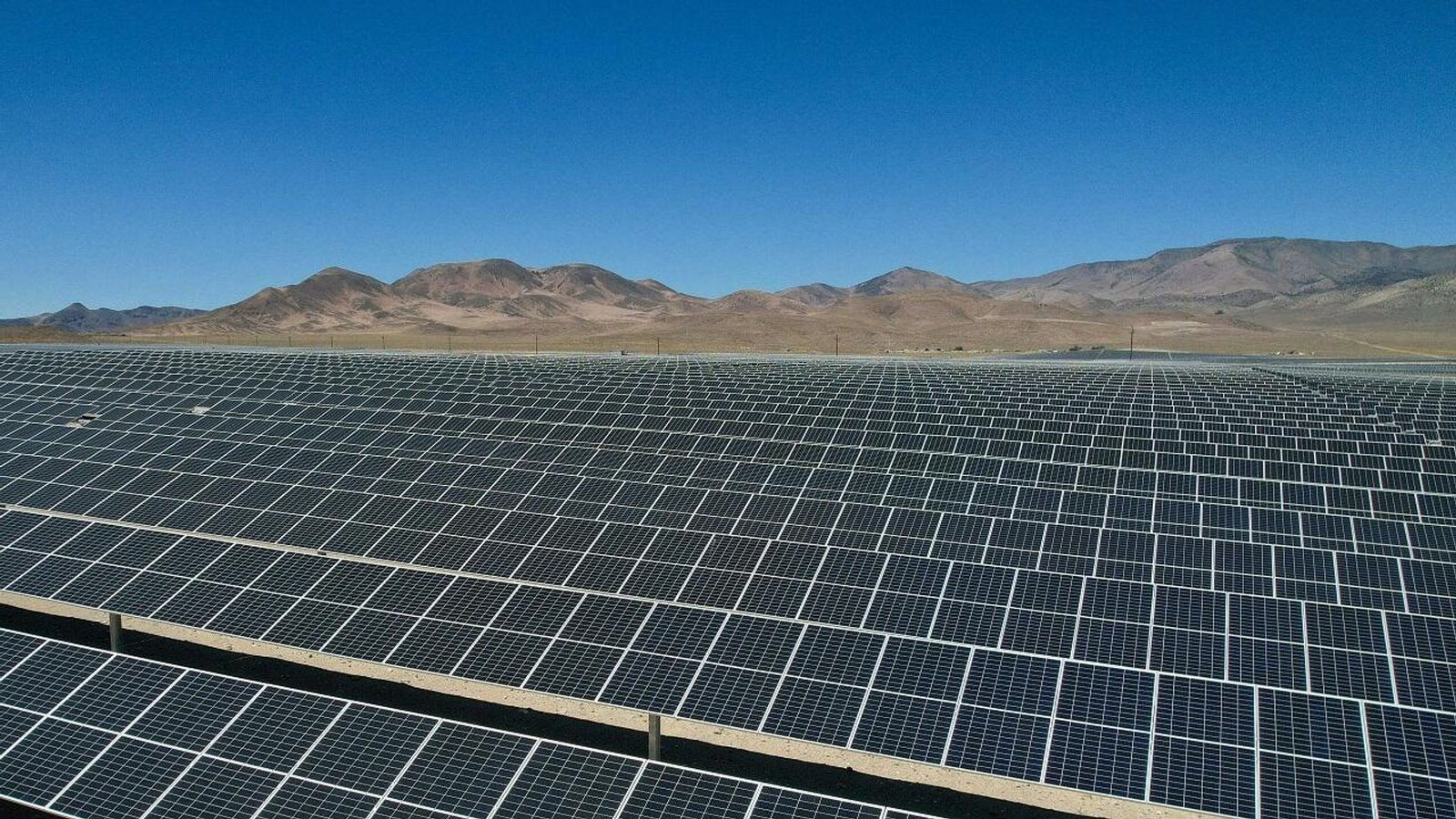
Rural households in Algeria—including those dependent on agriculture and livestock in remote areas—will gain access to clean energy through the installation of 190 solar panels for cooling, product processing, and other productive purposes.
240 panels will be provided for hydroponics. Hydroponics will provide year-round fodder for more than 25,000 head of livestock.
The project will also facilitate access to finance for small rural enterprises—at least half of which will be run by women—while promoting climate-resilient value chains, including prickly pear, olives, rosemary, wool, esparto grass, and mint.
These measures are expected to collectively reduce or sequester 540,360 tons of CO2 equivalent by the project’s end and more than 1.8 million tons of CO2 equivalent over its lifetime.
Read also: UNEP: SEKEM Egypt is one of the Champions of the Earth in 2024 for Fighting desertification and drought
A $43 million grant from the Green Climate Fund will enable Algeria to boost climate investments in areas where commercial financing is unavailable. The $56.5 million co-financing provided by the government demonstrates Algeria’s commitment to investing in climate solutions that benefit both people and the environment.
Deforestation halted in Mexico bears fruit
11.8 million people in Mexico depend on the country’s forests for their livelihoods. Their livelihoods depend on the conversion of forests into cattle pastures, which is a major driver of deforestation in the country, particularly in certain forested areas.
Droughts, forest fires, pests, and rangeland degradation threaten the resilience of natural systems linked to livestock.

Read also: COP16 to Combat Desertification Conference starts tomorrow in Saudi Arabia
For over a decade, the government has intensified its efforts to combat deforestation and forest degradation through the National Strategy for Reducing Emissions from Deforestation and Forest Degradation. In recognition of the government’s achievements in reducing emissions, the fund approved an $85.3 million project for Mexico under the Red Plus “pay-for-results” mechanism, which will boost investment in forest conservation and sustainable livestock production.
These payments—earmarked for previously achieved emissions reductions—will help livestock producers restore degraded rangelands and adopt more sustainable production practices, such as forest grazing systems, which integrate pastures with forage trees or shrubs and livestock management to increase productivity and resilience.
More details: