
The FAO Food Price Index edges down in October 2026 compared to September, impacted by a drop in most commodity groups, particularly cereals. Wheat prices fell after four consecutive months of increases, but a surge in sugar prices for the fourth consecutive month limited the overall decline.
According to the Food and Agriculture Organization (FAO) FAO Food Price Index report for October 2026, received by Food & Climate on Friday, November 6, 2026, the World Food Price Index fell by 1.2% month-on-month in October, but rose by 5.9% compared to October 2025.
Impact of Cereal Price Decline on the FAO Food Price Index in October 2026
The decline in cereal prices had a significant impact on the FAO Food Price Index in October 2026, causing it to fall by 4.5% month-on-month.
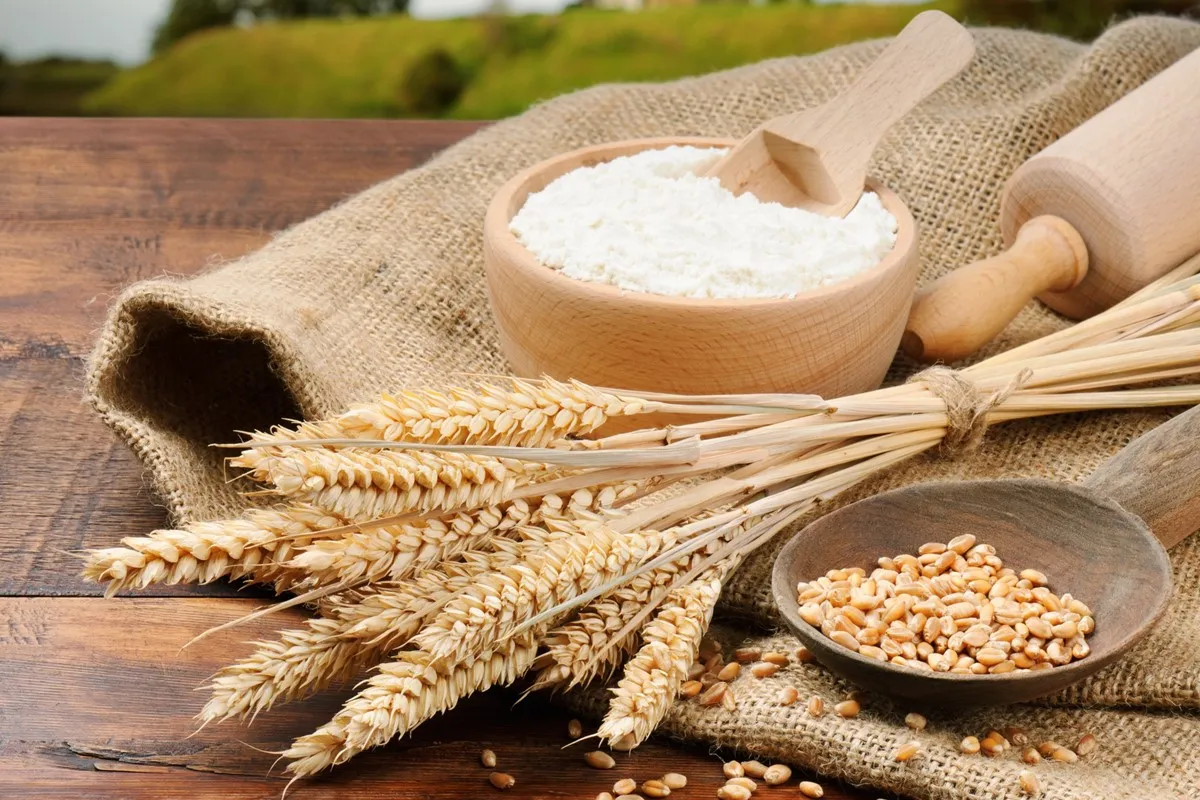
Wheat prices declined after four consecutive months of increases due to weak international demand and improved production prospects, particularly in Argentina.
Expectations of easing restrictions on Black Sea exports also contributed to downward pressure on prices, although ongoing logistics disruptions in the Black Sea region limited the extent of the decline.
Read also: Global rice production is set to decline for the first time in 11 years
Corn prices also declined after reaching a three-year high last September, influenced by the US harvest season and expectations of ample supplies from major South American exporters.
Barley and sorghum prices fell in tandem with wheat and maize, amid expectations of a bumper harvest in Australia.
Rice prices bucked the downward trend, rising by 1.6% due to harvest delays in some exporting countries amid unfavorable weather conditions.
Read also: FAO Food Price Index in August 2026 up
The meat price index also fell by 1.2 percent, with pork, sheep, and beef prices declining, while poultry prices remained stable but slightly higher than the previous year.
Sheep prices fell further from their record highs due to a seasonal glut in Australia, resulting from heavy rainfall that encouraged livestock breeding.
Butter and cheese prices drive down dairy
The FAO Dairy Price Index fell by 1.1% month-on-month and 16.9% year-on-year in October 2026, with skimmed milk powder prices rising by 45.8% compared to October 2025, while butter and cheese prices fell by 31.1% and 29.3%, respectively.
This decline is attributed to a drop in global butter and cheese prices, which more than offset the additional increase in milk powder prices due to ample supply and weak demand, particularly in the European Union. High butter stocks and ample cheese supply continued to exert downward pressure on prices despite signs of slowing milk production growth.

Sugar prices surge
The global vegetable oil price index rose by 0.3% month-on-month in October 2026, driven by higher prices for soybean and sunflower oils, which offset a decline in rapeseed prices, while palm oil prices remained stable.
Global soybean oil prices jumped to their highest level since late 2022, supported by continued strong demand from the biofuel sector and seasonal supply constraints from South America. Meanwhile, sunflower oil prices rebounded from multi-month lows, buoyed by persistent export shortages in the Black Sea region amid ongoing logistical disruptions.
Read also: FAO Food Price Index down in June 2026
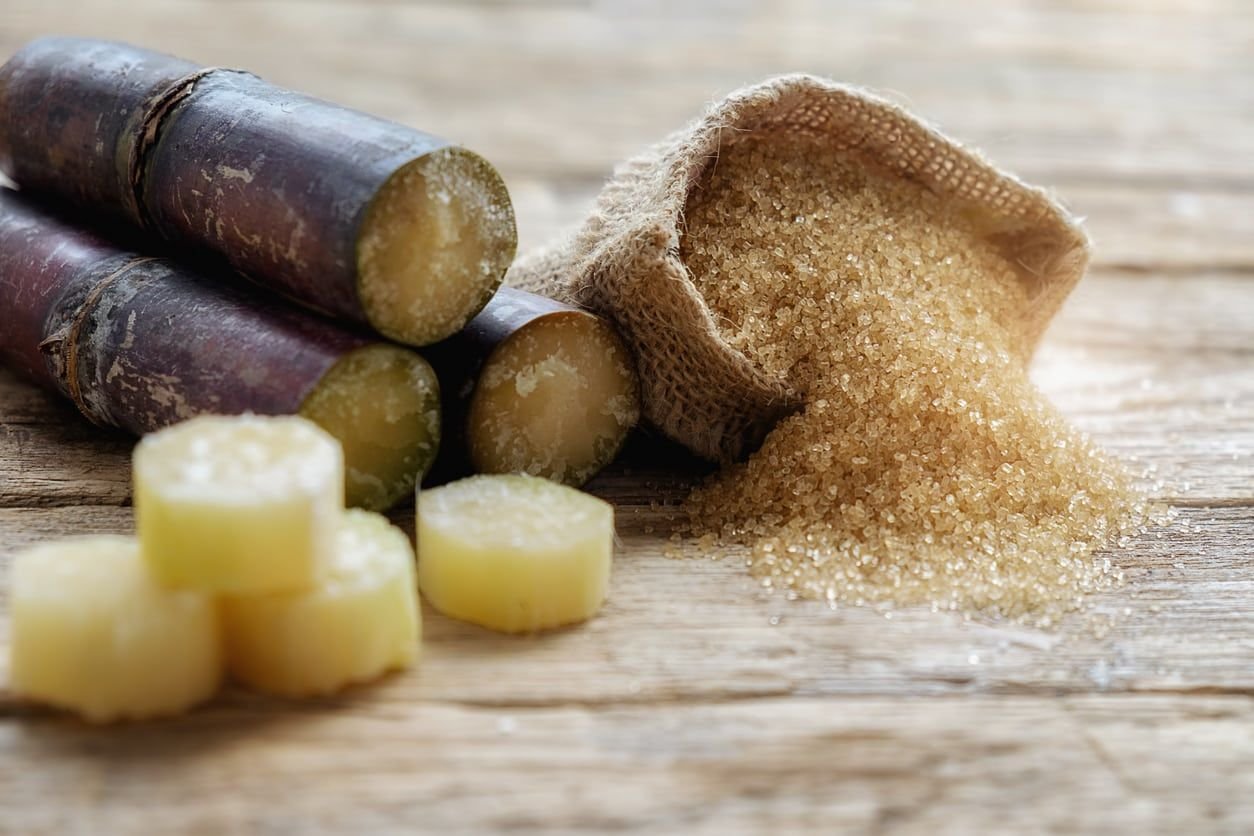
The surge in global sugar prices was the primary factor limiting the decline in the World Food Price Index in October 2026.
Sugar prices rose by 6.6% month-on-month and 28.8% year-on-year, marking their fourth consecutive monthly increase and reaching their highest level since December 2024.
This was attributed to rainfall-related disruptions to sugarcane harvesting and processing in Brazil’s Central-South region, a key production area. These disruptions were compounded by concerns about the outlook for sugar production in India following below-average and unevenly distributed monsoon rains, as well as projections of lower production in the European Union and Thailand in the 2026/27 season.
More details: