
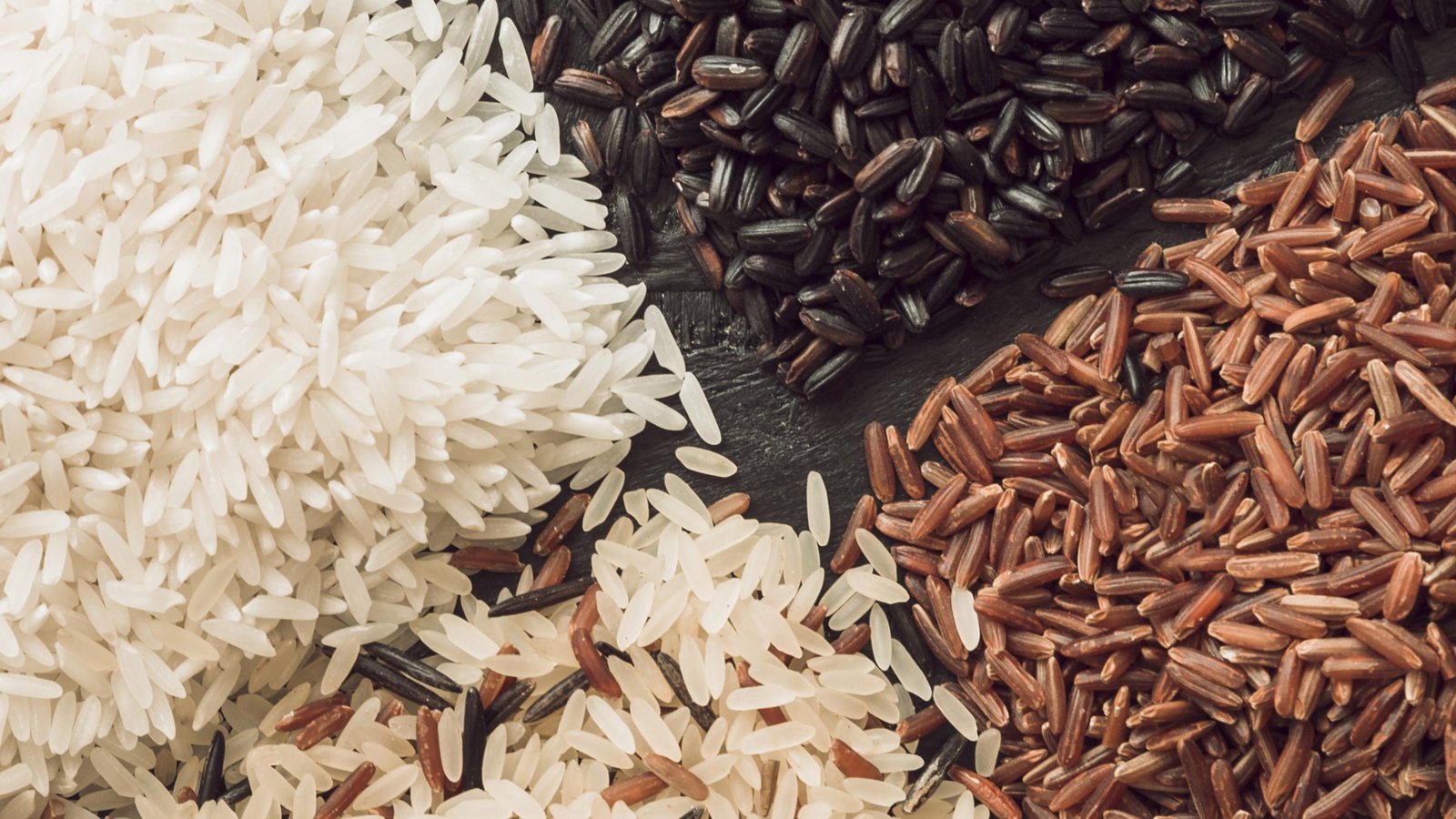
The FAO Food Price Index in August 2026 up, according to the monthly report from the Food and Agriculture Organization, with all commodity groups in the index experiencing increases.
The FAO report, issued on Friday, September 4, 2026, and received by Food & Climate, indicated that the FAO Food Price Index increased by 1.9% in August compared to July 2026, and by 2.5% compared to August 2025. However, it remained approximately 16.8% lower than its peak in March 2022.
The report explained that all commodities in the FAO Food Price Index rose in August 2026, but at varying rates, due to ongoing concerns about weather fluctuations in production areas and worries about exports from Black Sea countries, particularly given the ongoing conflict between Ukraine and Russia, the world’s two largest grain exporters.
The report also noted that all commodities in the FAO Food Price Index increased in August 2026.
Grains continued to lead the rise in the FAO Food Price Index in August 2026
Grain prices continued their upward trend, driving the FAO Food Price Index higher in August 2026. The index rose 2.2% month-on-month, reaching its highest level since May 2024. The increase in the grain index was fueled by strong demand, weather concerns regarding crop prospects in key producing regions, and continued uncertainty surrounding export flows from the Black Sea.
Read also: Global Food Price Index Stable in May 2026 with a marginal decline
Global wheat prices rose 2.6% month-on-month and 15% year-on-year, amid ongoing disruptions to Black Sea export logistics, reduced production forecasts in parts of Europe following heat waves and drought, and a weaker US dollar.
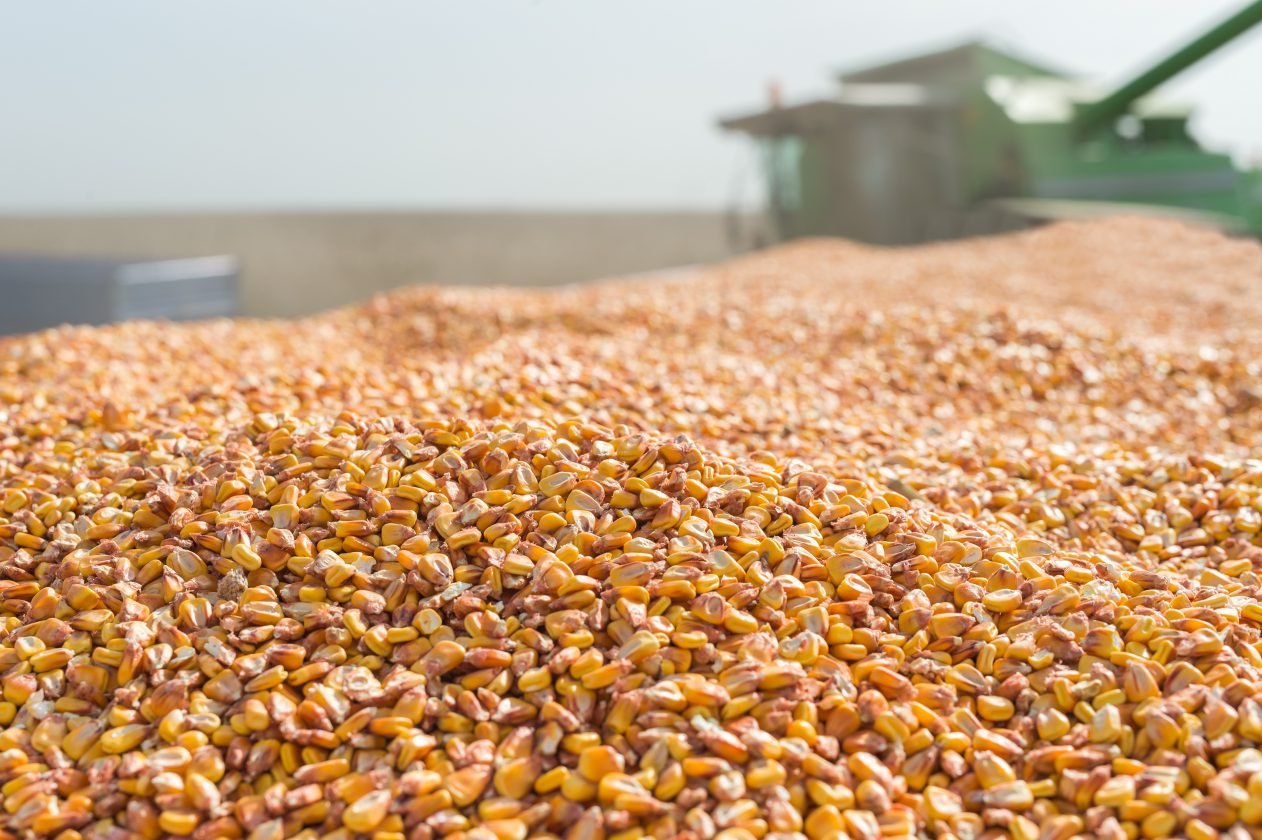
Most of the same factors, along with strong demand from the ethanol and animal feed sectors, pushed up maize prices by 2.5% month-on-month. Sorghum and barley also rose by 3.9% and 2.6%, respectively, while rice increased by 0.5%.
Vegetable Oil Price Index rises for third consecutive month
The FAO Vegetable Oil Price Index rose in August 2026 for the third consecutive month, reaching its highest level since June 2026, increasing by 0.6% month-on-month.
This increase reflects higher global prices for palm and soybean oils, which more than offset declines in sunflower and rapeseed oils.
Palm oil prices continued to rise, driven by strong global import demand and concerns about the potential impact of El Niño-related weather conditions on production in Southeast Asia.
Global sunflower and rapeseed oil prices saw a slight decline, reflecting weak import demand and expectations of ample supplies in the 2026/27 season.
Meat prices in China affected by consumption
The FAO Meat Price Index increased by 1 percent month-on-month in August 2026, reflecting higher prices for poultry, pigs, and sheep, despite a decline in beef. Poultry prices rose due to a recovery in demand, while pork prices increased mainly in the European Union after high temperatures slowed animal growth, limiting the availability of pigs ready for slaughter.
Read also: Global rice production is set to decline for the first time in 11 years
Conversely, global beef prices declined as Brazil’s quota of Chinese beef imports under the import protection program neared full depletion. Exports slowed further amid expectations of higher tariffs on additional shipments. The same situation occurred in Australia, leading to competition among suppliers for Beijing’s markets.
The global dairy price index recorded its first increase in four months
The global dairy price index recorded its first increase in four months in August 2026, rising 2.3% month-on-month, but remained 21.7% lower than a year earlier.
Prices for skimmed and whole milk powder rose by 3% and 2.4%, respectively, as higher prices in the European Union offset seasonal declines in Oceania. In the European Union, reduced milk supplies, coupled with hot and dry weather in many major producing regions, supported prices, while persistent import demand added upward pressure, particularly for skimmed milk powder.
Cheese prices also rose by 2.7% last month, continuing the recovery that began in July 2026.

Sugar supply concerns drive up prices.
The FAO Sugar Price Index jumped 11.9% in August 2026, reaching its highest level since June 2025, driven by growing concerns about the global sugar supply outlook for the 2026/27 season.
Read also: Drought in U.S. threatens winter wheat harvests and cattle producers
Continued hot and dry weather led to a downward revision of the EU sugar beet production forecast, with the planted area already expected to be lower than the previous season. Meanwhile, El Niño-related weather conditions continued to impact production prospects in major Asian producing countries.
More details: