
Egyptian honey possesses numerous qualities that qualify it for export to several countries in the Middle East. However, it has not yet been able to access European markets, which impose strict requirements regarding pesticide and veterinary drug residues. Therefore, the United Nations Industrial Development Organization (UNIDO) is implementing a project in Gharbia Governorate to help the country comply with the requirements of the European Union’s markets.
Ahmed Kamal, the organization’s representative, stated that UNIDO is implementing the project, which encompasses several industries beyond just Egyptian honey, in partnership with the Ministries of Industry and Investment and Foreign Trade. The project is funded by the European Union with €8 million (EGP 464 million) and aims to enhance the competitiveness of these products.
Kamal explained the project’s details to “Food and Climate” on the sidelines of the Ministry of Investment’s “Egypt Launches with Exports” initiative, recently held in Tanta, Gharbia Governorate. The following is an excerpt from that interview:
What is the project’s objective, and does it include other industries besides Egyptian honey?
The project aims to enhance the competitiveness of Egypt’s industrial sector by developing the industrial policy framework, improving quality infrastructure, developing several industrial clusters, and increasing reliance on advanced technology in production processes.
It encompasses numerous sectors, including Egyptian honey. UNIDO is working with a production cluster in several villages in Gharbia Governorate, representing the largest clusters nationwide, including Shebsheer ElHessa, Hessa Shebsheer, and Toukh.
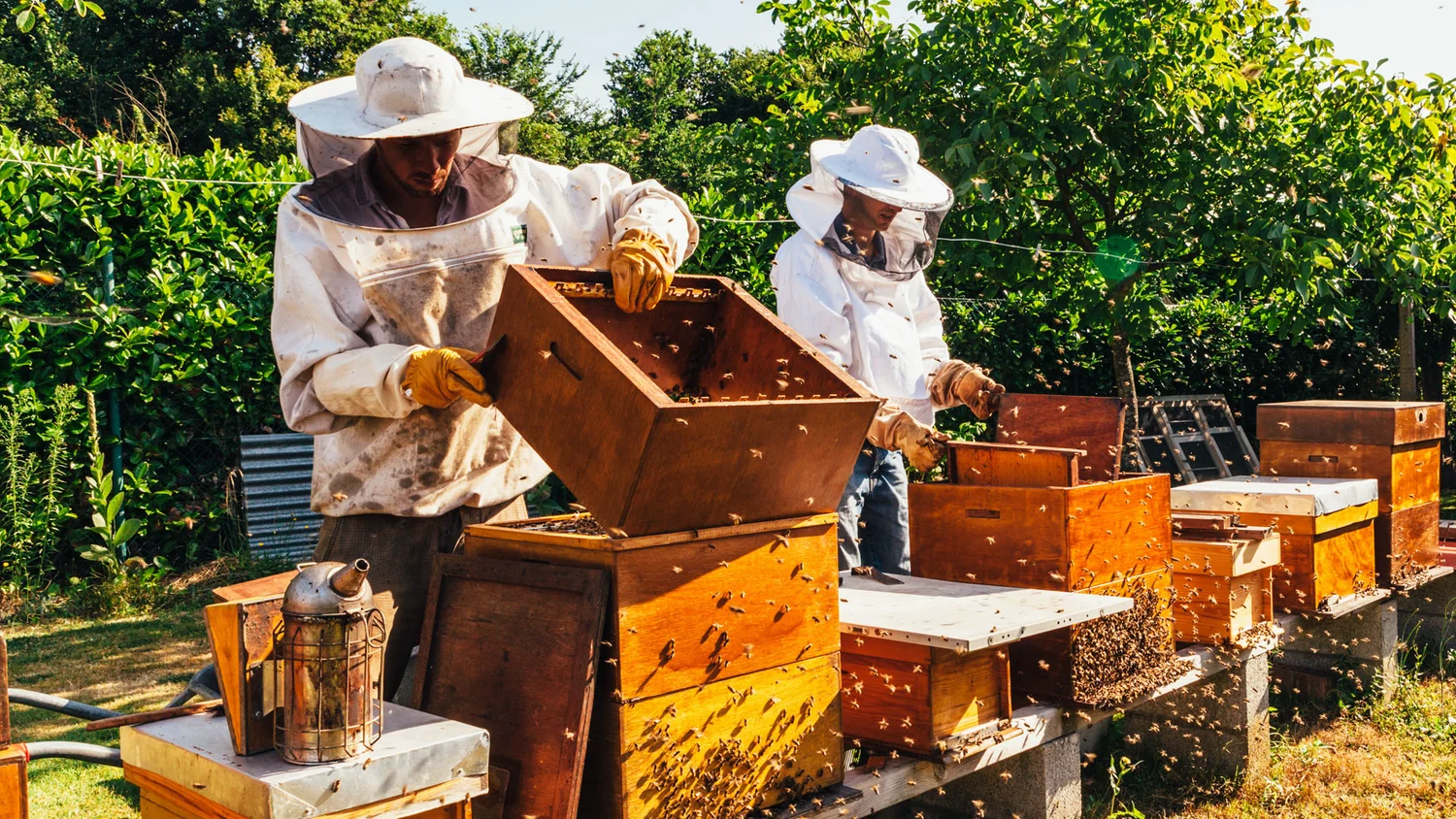
We are working to improve the cluster’s performance by raising product quality and enhancing its market accessibility. We are also working with beekeepers to implement best practices in beekeeping and honey production.
One of the project’s main objectives is to improve access for Egyptian honey to European markets by developing the Egyptian quality control system to comply with EU requirements.
Read also: Al Badran: Egypt produces many types of honey, yet per capita consumption less 250 grams annually (1/2) – Interview
Why is Egyptian honey unable to enter European markets?
Currently, Egyptian honey is not imported into the European Union for several reasons, primarily because the Egyptian quality control system is not recognized by the EU.
Accessing the European market requires meeting certain requirements at the legislative and regulatory levels, as well as at the level of production facilities. Therefore, we are working with the relevant Egyptian authorities to evaluate and develop the regulatory system to align with EU requirements.
What are the most prominent challenges facing Egyptian honey exports?
Pesticide residues from the flowers of plants that bees feed on, in addition to veterinary medicines used to treat bees can appear in the analysis results.
The irrational use of agricultural pesticides affects bees, and bee diseases may lead beekeepers to use certain medications, which in turn can result in residues in the honey.
Our project aims to ensure good honey production practices, educate beekeepers about permitted medications, and enhance coordination between farmers and beekeepers, especially during pesticide spraying, to prevent bee exposure and ensure the quality of the final product.
Read also: Reducing antibiotic use to bees in Ghana, how does it impact?
To what extent does climate change affect honey production?
The impact of climate change extends to all sectors worldwide, not just Egyptian honey production. High temperatures and drought affect the plants and flowers that bees feed on, which ultimately impacts honey production.
UNIDO is working to support good agricultural practices and the use of advanced technologies in beekeeping, including early disease detection techniques.
The project also works to enhance the market accessibility of Egyptian products through participation in trade fairs and promotional activities, both in the honey and textile sectors.
Read also: To uplift declining bee populations, creating a new superfood
Why does the organization support the Egyptian honey sector?
The project, which supports several Egyptian industrial sectors, including honey production, began in 2024 and will conclude in 2028. Its aim is not only to export honey to Europe but also to improve the quality of the product itself, both for the domestic and international markets, as well as to help Egypt achieve EU certification of its regulatory system.
The National Food Safety Authority is responsible for this file. If the regulatory system is approved, Egyptian products will have easier access to the European market, while we are simultaneously working to improve the performance of production facilities and raise the quality of honey.
1 Euro = EGP 58 .