
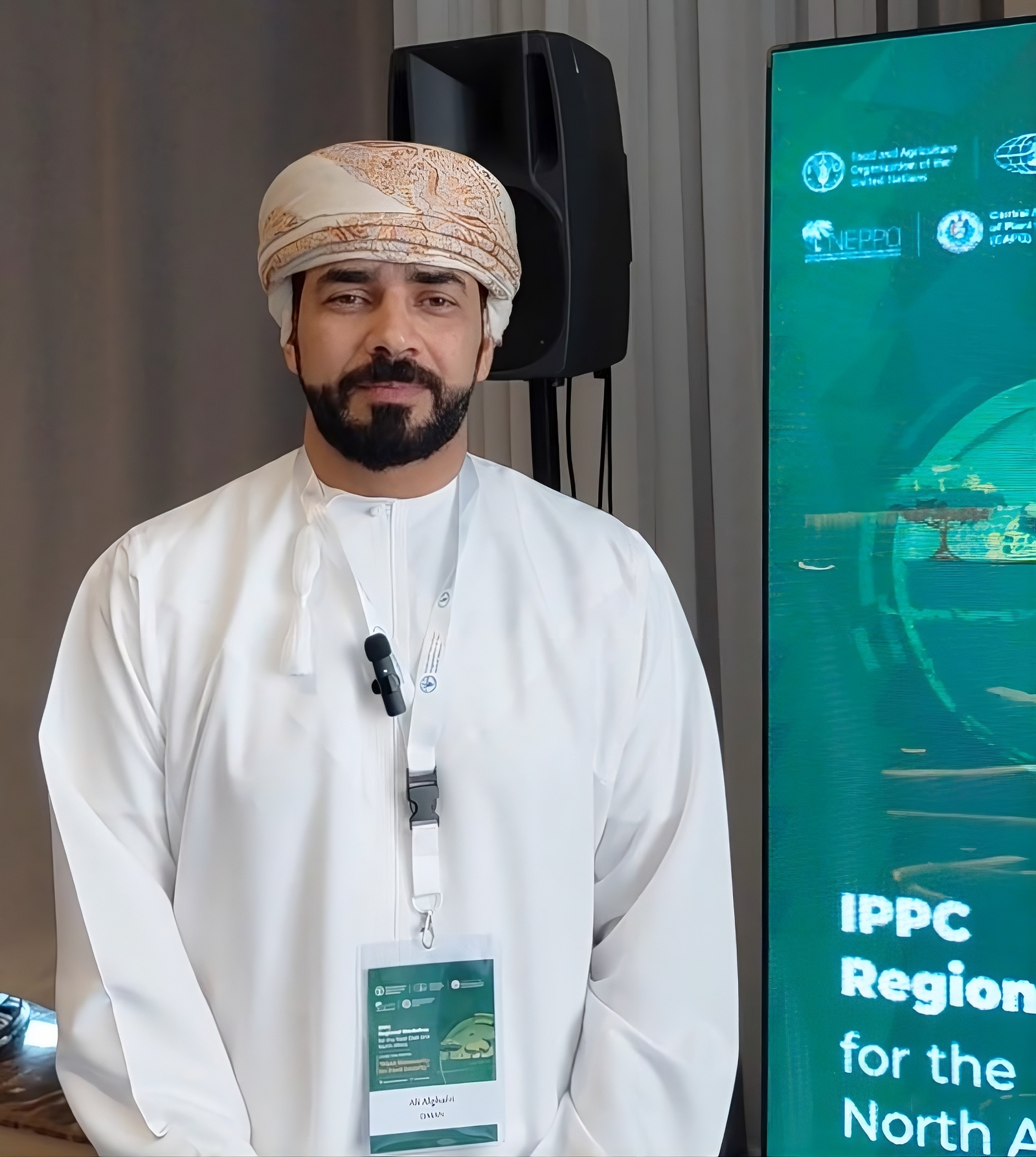
The Sultanate of Oman is working towards self-sufficiency in several agricultural crops, leveraging its diverse geography, which allows for the relocation of certain crops to other areas should the weather become unsuitable in some locations. Among the most prominent crops in the Sultanate is Omani lemon, according to Ali AlGhafri, Director of the Agricultural Quarantine Department at the Ministry of Agriculture, Fisheries and Water Resources.
AlGhafri’s remarks to “Food & Climate” came on the sidelines of the 2026 Regional Workshop for the International Plant Protection Convention for the Near East and North Africa, recently held in Cairo.
AlGhafri stated that his country cultivates numerous crops, including citrus fruits, distinctive banana varieties in some regions, and other agricultural products.
He added that the Sultanate is working towards self-sufficiency in several crops, including cucumbers, watermelons, cantaloupes, carrots, and leafy greens, following the commencement of onion and garlic cultivation.
AlGhafri emphasized the importance of dates, which are among the top crops exported, along with several vegetables. Further details are provided in the following interview:
What are the most suitable crops for the climate of the Sultanate of Oman?
The Sultanate of Oman boasts diverse geography, allowing for different agricultural regions and varied growing seasons. With rising temperatures, it is possible to shift to other agricultural areas with more favorable climatic conditions.
Read also: At COP30, while Oman’s grant request is denied, Saudi calls the decision discriminatory
Certain crops are cultivated in the Dhofar Governorate, which enjoys a mild autumn climate during the summer. Additionally, new agricultural zones are being developed to extend the growing season and achieve self-sufficiency.
What is the level of self-sufficiency in agricultural production in the Sultanate of Oman?
The Sultanate of Oman has recently achieved self-sufficiency in several crops, most notably dates, along with some field crops such as cucumbers, eggplant, and okra. The country relies heavily on local production, which has contributed to reducing the import bill and achieving greater self-sufficiency.
Read also: FutuX Agri-consult: Nigerian ginger struggles to produce 3,000t from 300,000t before blight (Interview)
As part of its Oman Vision 2040, the Sultanate of Oman aims to achieve a balance between local production and exports, reaching 50% self-sufficiency and 50% exports.
We are also working on launching programs that support agricultural production and boost agricultural exports, in line with this vision.
Our region is characterized by drought and water scarcity. How is the Sultanate addressing these challenges?
The Ministry of Agriculture and Fisheries has signed agreements with Nama Water Services Company to use treated wastewater in certain agricultural processes and applications, thus supporting sustainability in the agricultural sector.
There is also a trend towards increasing green spaces and planting trees that help improve the atmosphere and environment, which enhances sustainability efforts and adaptation to climatic conditions.
Could you shed some light on date production in the Sultanate?
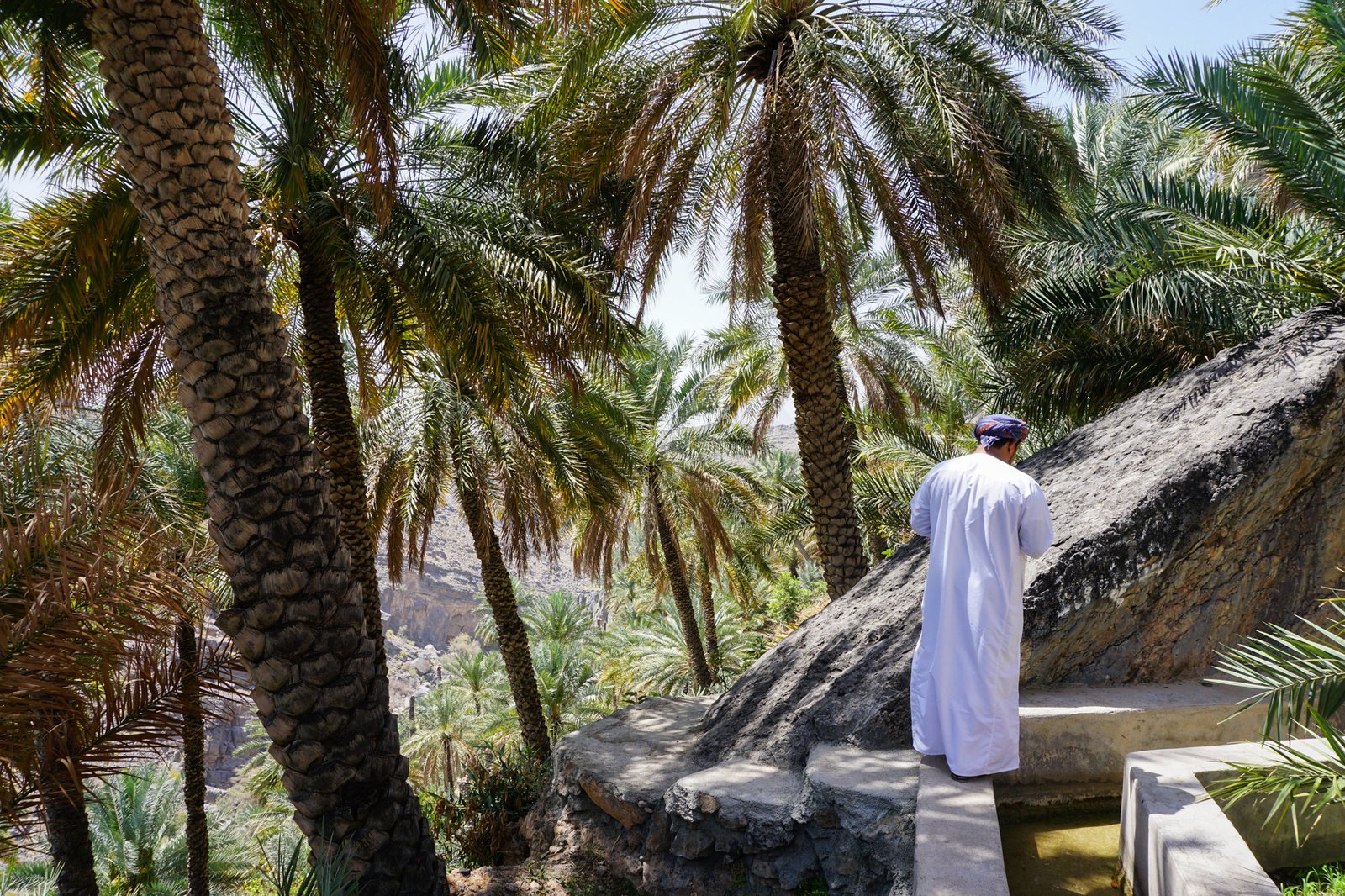
Dates hold special importance in the Sultanate of Oman, and the Arab region is distinguished by this fruit, which represents an important part of its heritage. Palm trees are also common in homes.
Dates are an important commodity that contributes to food security, and the Sultanate of Oman pays great attention to preserving this crop through the implementation of pest control programs.
The Oman Palm Development Company also works on cultivating and developing palm trees and dates, in addition to working on achieving greater added value from this crop and maximizing its economic benefits.
Read also: Egyptian date palms changing their old methods, water and fertilizers (Exclusive)
The Sultanate of Oman aims to export large quantities of dates.
There is a trend towards increasing green spaces and planting trees that help improve the atmosphere and environment.
Does the Sultanate have additional phytosanitary standards beyond international standards?
The Sultanate of Oman believes in the importance of aligning with internationally adopted standards and laws, and working to harmonize and implement them at the national level.
Applying these standards helps to enhance Omani exports internationally by ensuring that products conform to international specifications and standards.
The Sultanate has local laws and regulations, including the Plant Quarantine Law, but these are primarily based on international standards issued by the International Plant Protection Convention (IPPC).