
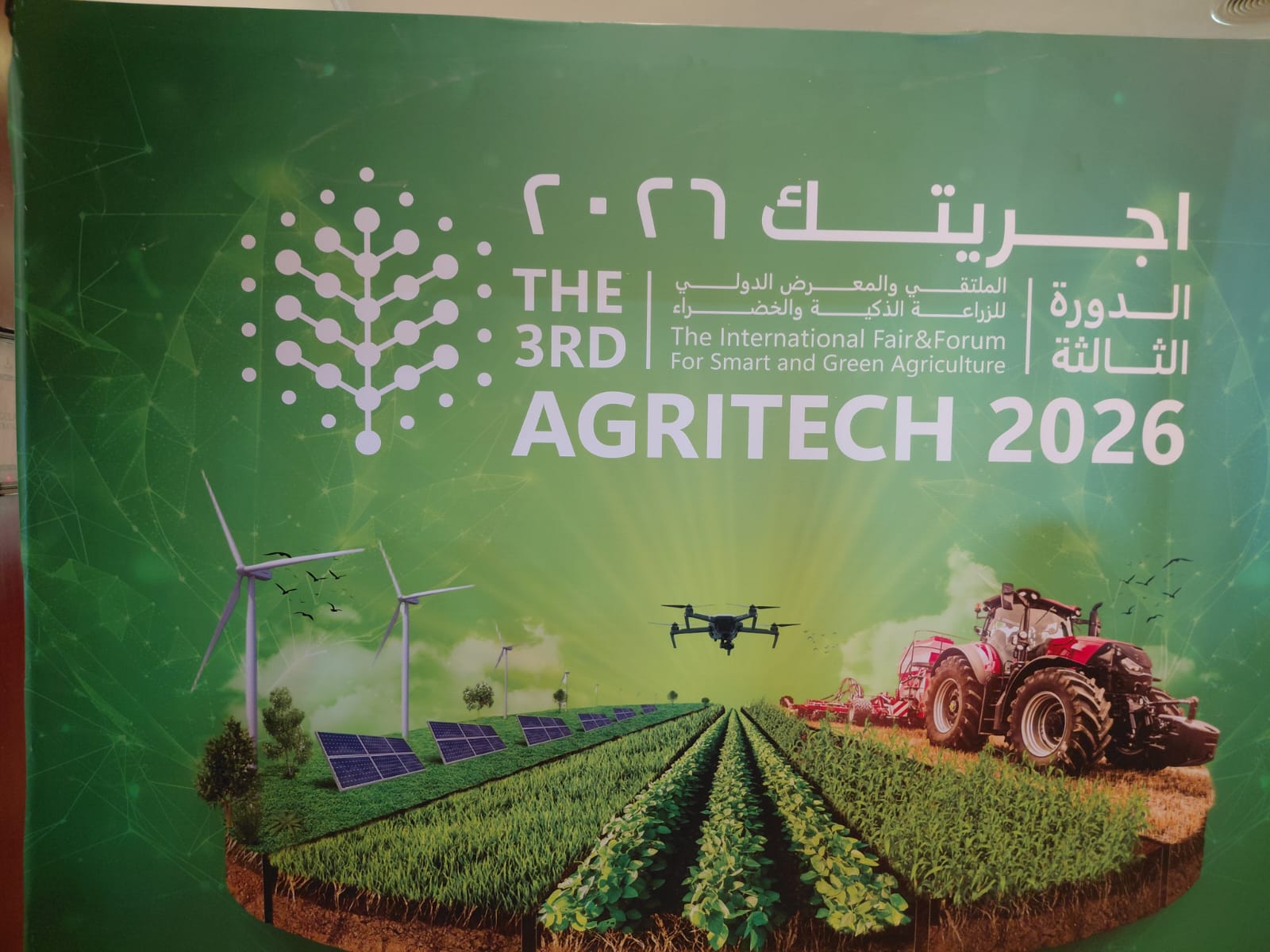
The third edition of the International Smart and Green Agriculture Forum and Exhibition (AGRITECH 2026) concluded its activities in Cairo on Tuesday, June 23, 2026.
Over two days, the forum featured lectures and presentations from companies on the latest developments in agricultural activity and its advancements in various aspects, including irrigation, fertilizers, linking farms to banking services, and modern technologies.
Therefore, the forum, which brings together farmers, innovators, and investors, included companies offering the latest technologies and sustainable solutions to shape the future of agriculture in light of climate change, rising temperatures, and drought.
AGRITECH 2026 also saw participation from Arab companies such as Kuwait Finance House and the Sudanese company Fayd Al-Naam for Food Security, as well as Egyptian companies operating in the agricultural insurance sector and the fertilizer industry, such as PolyServes.
The Egyptian Ministry of Agriculture also participated through several of its affiliated centers, in addition to the Arab Organization for Agricultural Development.
Fertilizers at AGRITECH 2026
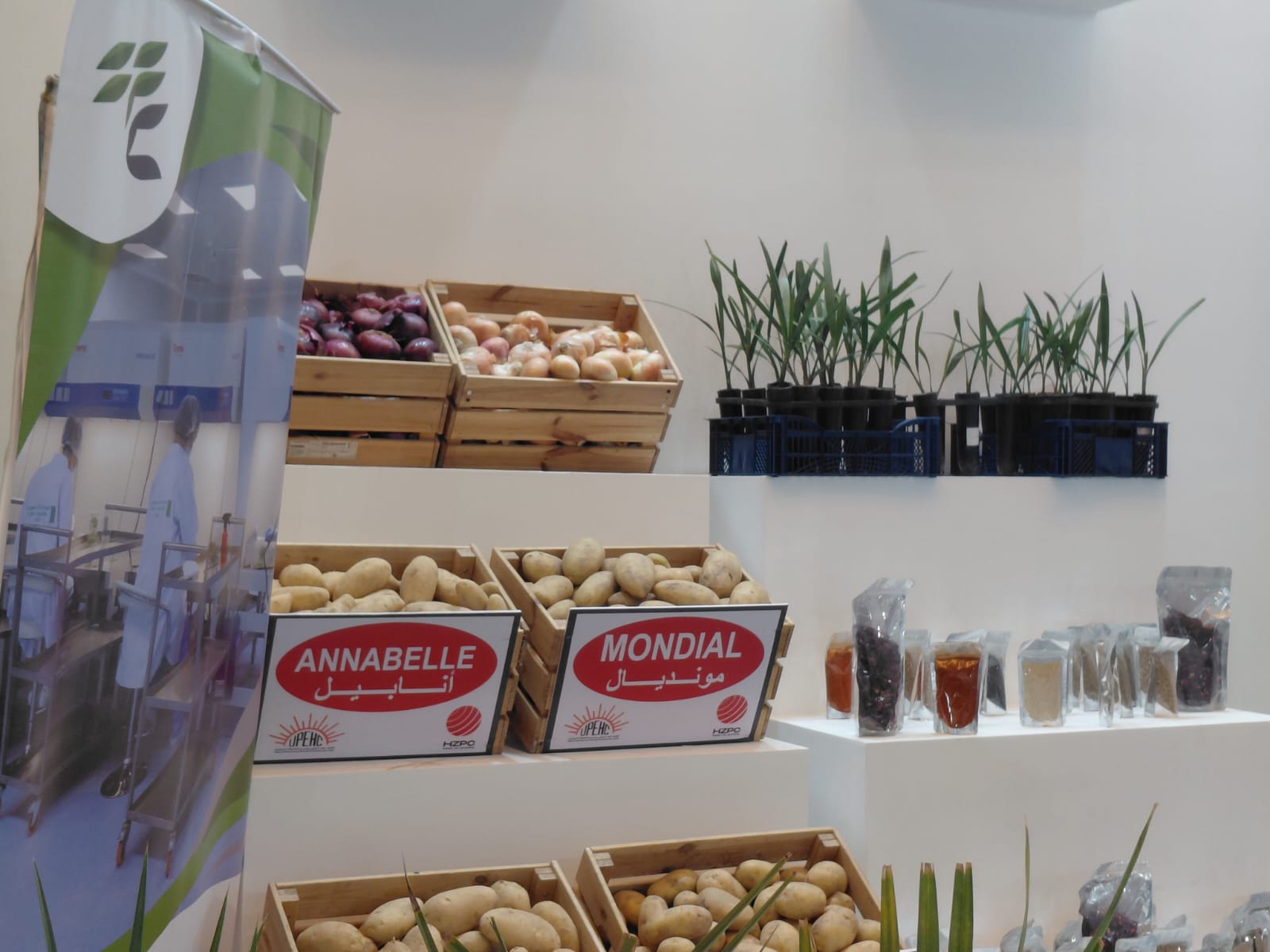
PolyServe Groub, a private sector company specializing in phosphate fertilizers, is preparing to establish a new factory in the Suez Canal Economic Zone.
Read also: The first edition of FoodGuard Summit kicks off in Egypt
Egypt is a major global producer and exporter of fertilizers, ranking first in the Arab world and fifth globally in urea production, with an annual output exceeding 7.6 million tons.
Egypt also ranks third globally in phosphate fertilizer production, boasting proven reserves exceeding 3 billion tons, and holds a 15% share of total phosphate fertilizer exports.
Modern Irrigation Systems
Engineer Mohamed Gaafar, Projects Manager at Tanta for Integrated Agricultural Services Company, showcased the center-pivot irrigation systems they utilize.
He told “Food & Climate” on the sidelines of AGRITECH 2026 that these systems are not suitable for small agricultural plots and should be used on areas of at least 50 feddans (approximately 10 hectares).
He added that the irrigation systems his company uses are manufactured by the American company Valley, but “we source them from the company’s branch in Dubai (UAE) because it’s closer to us.”
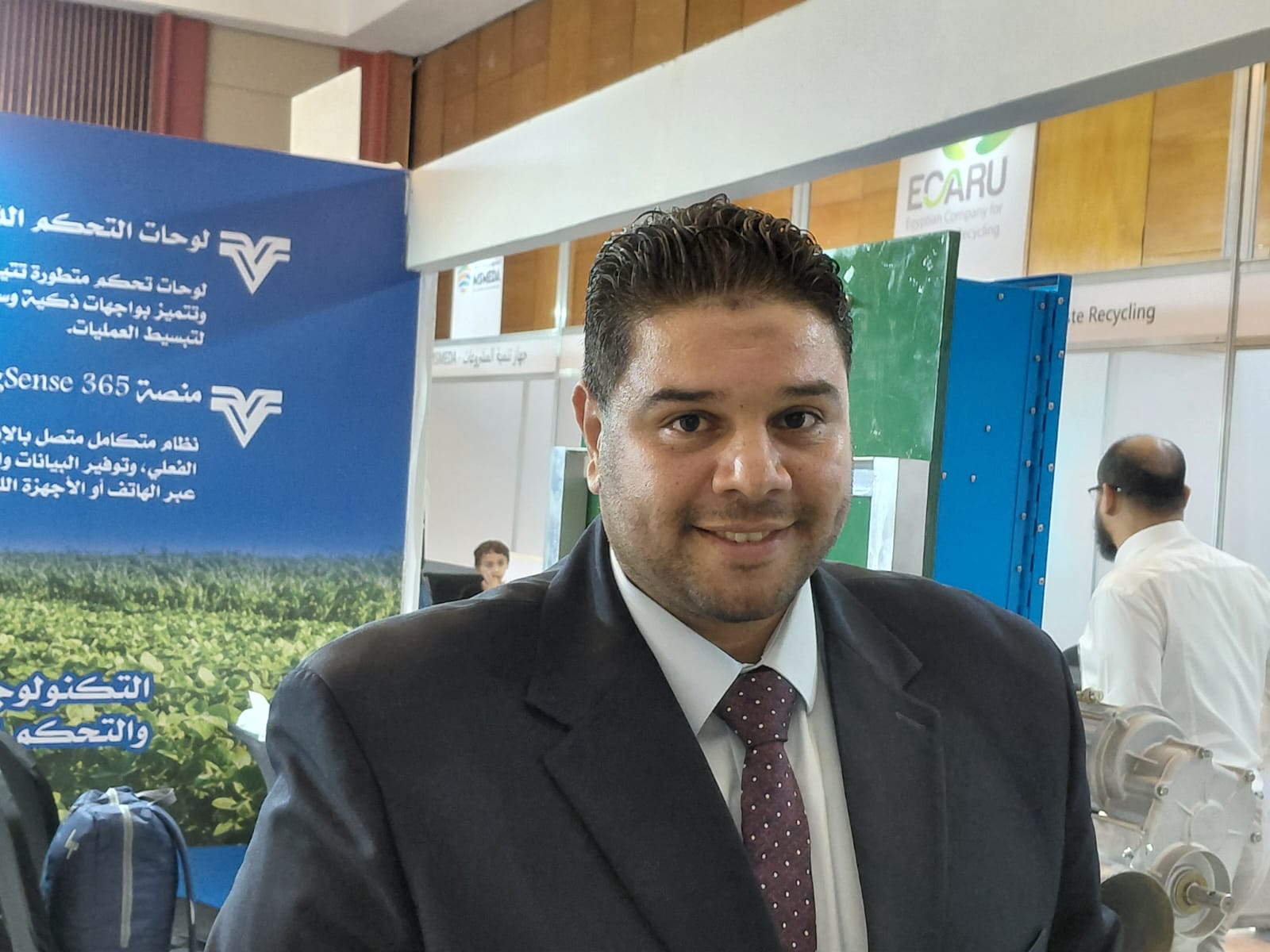
His company also works on linear and sprinkler irrigation systems.
Meanwhile, Islam Omar, founder and CEO of Technoland, explained to “Food & Climate” the rainfed irrigation systems he uses in Egypt, and how they conserve water and are suitable for a country like Egypt, which suffers from water scarcity.
Egypt suffers from water poverty, with a per capita share of about 500 cubic meters annually, while the global average is 1,000 cubic meters per capita annually.
Egypt relies on the Nile River to meet more than 95% of its water needs, and at the same time receives a limited amount annually, which is negatively affected by climate change and population growth.
Mobile Applications in Agriculture
Engineer Ahmed ElSayed, founder of Zahra Agriculture App, explained to “Food & Climate,” on the sidelines of the AGRITECH 2006 exhibition, that the mobile application contributes to providing farmers with all the information they need.
He added that the company assists in the agricultural investment sector, stating, “Because successful investment begins with the right decision, we will help farmers make the right decision, starting from land selection and feasibility studies to choosing the most suitable crop, and even developing a strategic plan. We will handle all stages of project implementation, from marketing the crop to generating profits, all through a specialized team and with documented contracts.”
Read also: Irrigation efficiency improvement project reduces water consumption in Egypt by 30%
Recently, mobile applications in agriculture have become increasingly important both within Egypt and internationally.
This is further strengthened by financial inclusion in Egypt, which is the cornerstone of the success of digital agriculture applications in the country.
By integrating farmers into the formal financial system, they can access the necessary financing to purchase technology, utilize electronic payment services, and obtain insurance against the risks of climate and market fluctuations.
Engineer Abubakr Mahjoub, the Farafra Project Manager at the Sudanese company Faid Al-Naam for Foos Security, explained to “Food & Climate,” on the sidelines of AGRITECH 2026, how his company contributes to the production of key crops, in accordance with the state’s plan.