
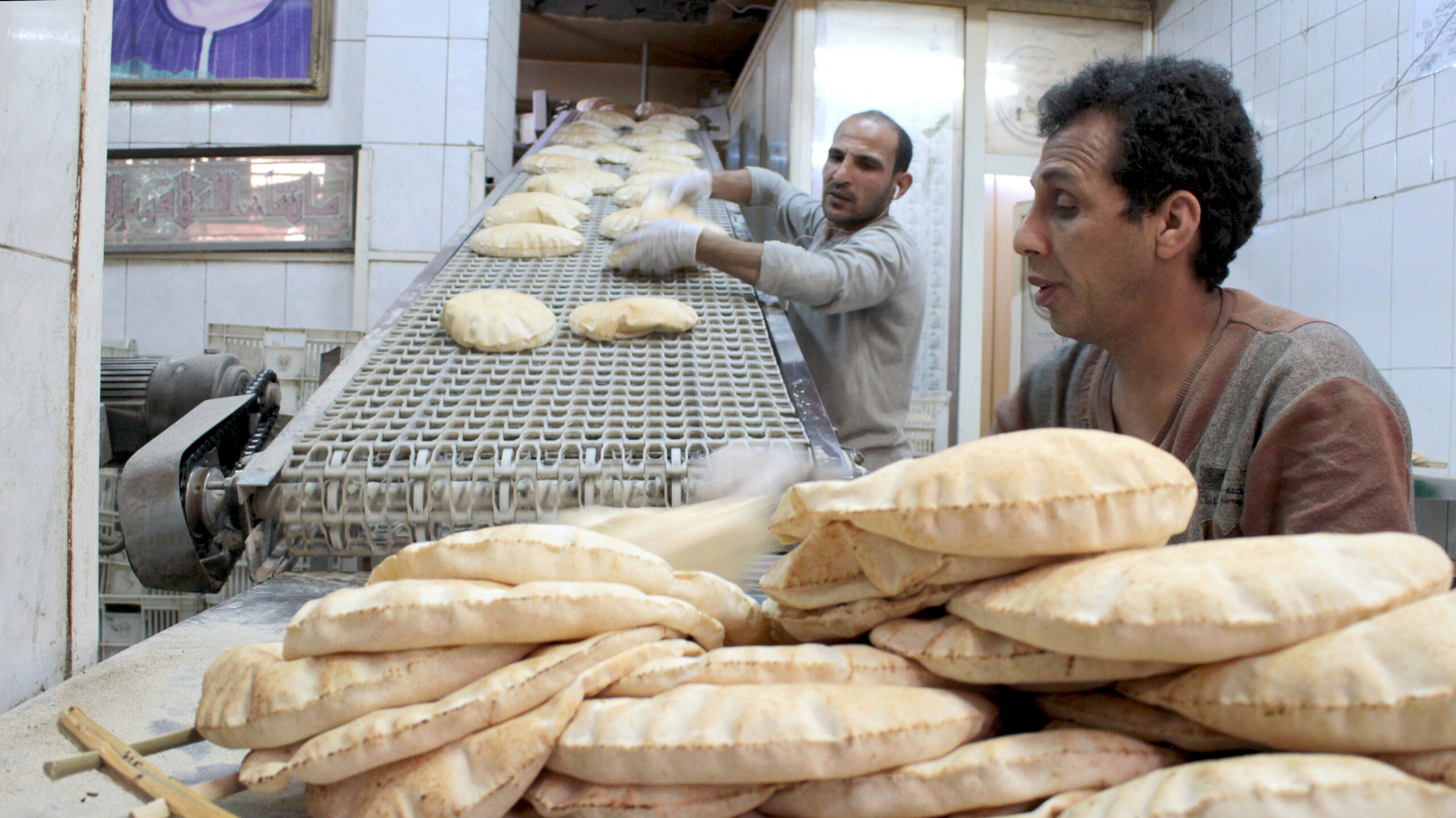
Dr. Salah Hamza, rapporteur of the Technical Committee for Grains, Legumes, and Their Products at the Egyptian Organization for Standardization and Quality (EOS) in the Ministry of Industry, stated that there is no such thing as wholemeal bread in Egypt.
The death of Dr. Diaa AlAwadi, who advocated a diet called “AlTayyibat”, caused a major uproar in Egypt due to his rejection of products such as chicken, eggs, and leafy green vegetables like cabbage, lettuce, and grape leaves, while supporting red meat and wholemeal bread.
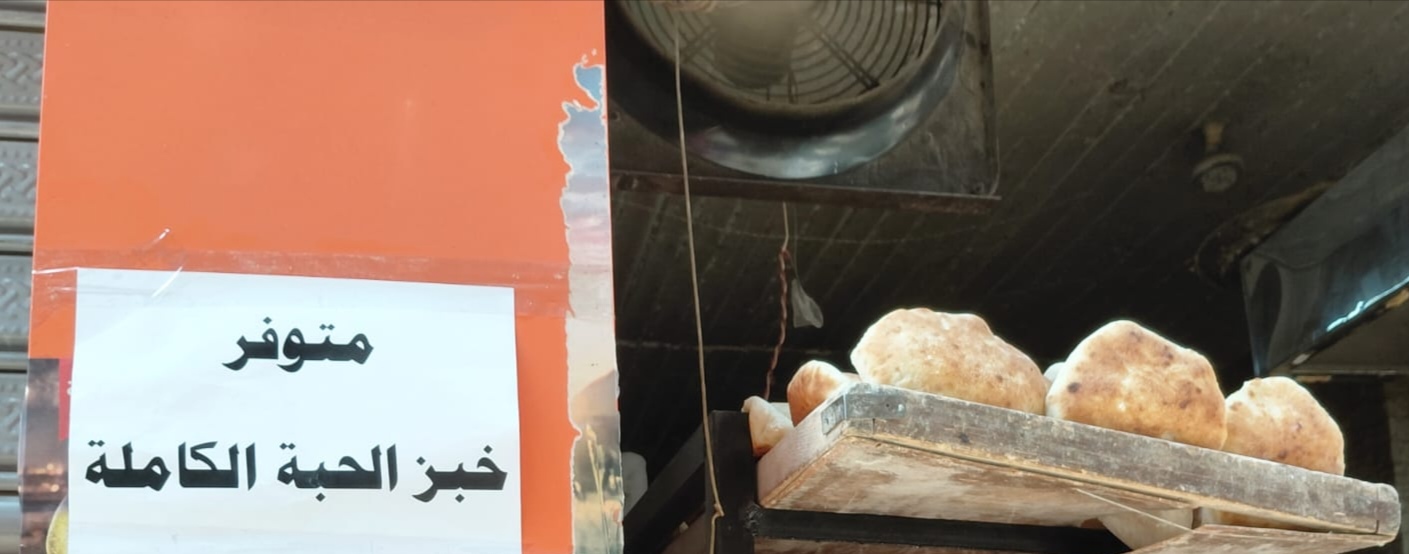
The “AlTayyibat” diet gained even more supporters after AlAwadi’s death, and some began exploiting the increased demand for wholemeal bread or flour. Dozens of bakeries put up signs indicating the availability of this type of bread.
However, Hamza pointed out that this situation is nothing more than a way to achieve higher profits by exploiting the increased demand, as wholemeal bread is sold for more than double the price of regular bread.
The price of wholemeal bread in Egypt
White flour costs around 20 Egyptian pounds for Kg, while wholemeal flour exceeds 40 pounds. The price difference is the same for both types of bread.
Dr. Salah Hamza told “Food & Climate”: “I can assure you that there is no bread made from wholemeal flour. The simple reason is that the milling equipment that grinds grains into wholemeal flour simply doesn’t exist in Egypt.”
He added: “The wholemeal flour mill used to produce disc mills is no longer available. These mills are similar to the traditional millstones that were used for grinding grains and remained in operation in the country until the 1990s.”
Read also: Enriching subsidized wheat flour in Egypt with essential micronutrients
Egypt is the world’s largest consumer of wheat, largely due to its heavy reliance on bread. Per capita consumption reaches 210 kilograms annually, compared to the 75-80 kilograms recommended by the Food and Agriculture Organization of the United Nations (FAO), according to Hamza.
A kilogram is not equal to a kilogram.
The government official suggested that the wholegrain bread sold in Egyptian markets is made from regular flour used in subsidized bread (87.5%), with added fine and coarse bran. “It doesn’t reach the level of a whole grain either, because a whole grain means that one kilogram of wheat will produce one kilogram of flour, and that’s not the case.”
He stated that the most common type of bread in Egypt is made from 87.5% flour and advised those wishing to bake wholegrain bread: “Whoever wants wholegrain bread should make it at home by buying wheat, grinding it, and baking it.”
Hussein Bodi, head of the Mill Owners Association and vice president of the Grain Industry Chamber, explained that awareness of the benefits of wholegrain wheat began to increase more than 15 years ago, not after AlAwadi’s death.
AlAwadi death brings the whole grain issue back into the spotlight
Hussein Bodi stated that AlAwadi’s death sparked renewed interest in whole grain bread, but it didn’t increase consumption; rather, it brought it back into the spotlight.
He told “Food & Climate”: “The percentage of whole grain bread in Egypt doesn’t exceed half a percent. 80% of bread consumed in Egypt is made from wheat minus 12.5%, or 87.5% bran and other ingredients.
The head of the Mill Owners Association attributed the long-standing lack of demand for whole grain bread, despite its well-known benefits, to consumer preferences. Most prefer lighter breads, and also to the desire to save bran for use in animal feed.
He added that there are six types of flour in Egypt, based on the percentage of bran, germ, and other components, ranging from zero to 100% bran, with the last type being wholegrain flour.
Bran is only digestible by animal stomachs
Dr. Essam Bodi, Professor of Nutrition at the Faculty of Home Economics, Menoufia University, began by saying, “Basically, no one can make wholegrain flour in Egypt, and there is no wholegrain bread.”
He explained that some components of the wheat grain cannot be ground into a fine powder, such as the germ, which constitutes 2.5% of the grain and is characterized by its hardness; when ground, it becomes like grains of sand.
He added to “Food & Climate,” “Neither the old stone mill nor modern cylinder mills can grind it.”
Wheat germ is characterized by its high antioxidant content, which is why it is extracted and added to nutritional supplements. It also represents significant economic value, as a kilogram of flour costs 35 Egyptian pounds, while the same weight of wheat germ can cost up to 1,000 pounds.
Secondly, the outer layer of wheat (bran) is indigestible by the human stomach because it is composed of fiber. However, it is digestible by animals. Therefore, it is best used as animal feed, as is currently the case. The bran constitutes 3.5-5% of a wheat grain, depending on the wheat variety. Adding the bran to the germ reduces the percentage of non-additive components in bread to approximately 8%.
Reduced subsidies for bread
According to Dr. Essam Bodi, the wheat bran consists of three layers: the outer layer (coarse bran), the middle layer (fine bran), and the inner layer.
Read also: Wheat cultivation with saline water in Egypt, 8,000 parts per million
But why do the specifications of wholemeal bread loaves in Egypt vary from one bakery to another, given that the ingredients are the same? Sometimes it’s dark in color, while in other bakeries it’s shiny, and it might be brown on the outside and white on the inside.
Boudi responded by saying that some bakeries might add white flour, while others use additives.
He explained that the government increased the percentage of wheat consumed by adding a portion of the middle husk (fine bran) next to the outer husk (coarse bran), and the red kernel, before the price of subsidized bread increased from 5 piasters to 20 piasters about a year ago.
This didn’t increase the nutritional value of the bread, but it indirectly reduced the subsidy, as a larger percentage of wheat was consumed, resulting in financial savings.
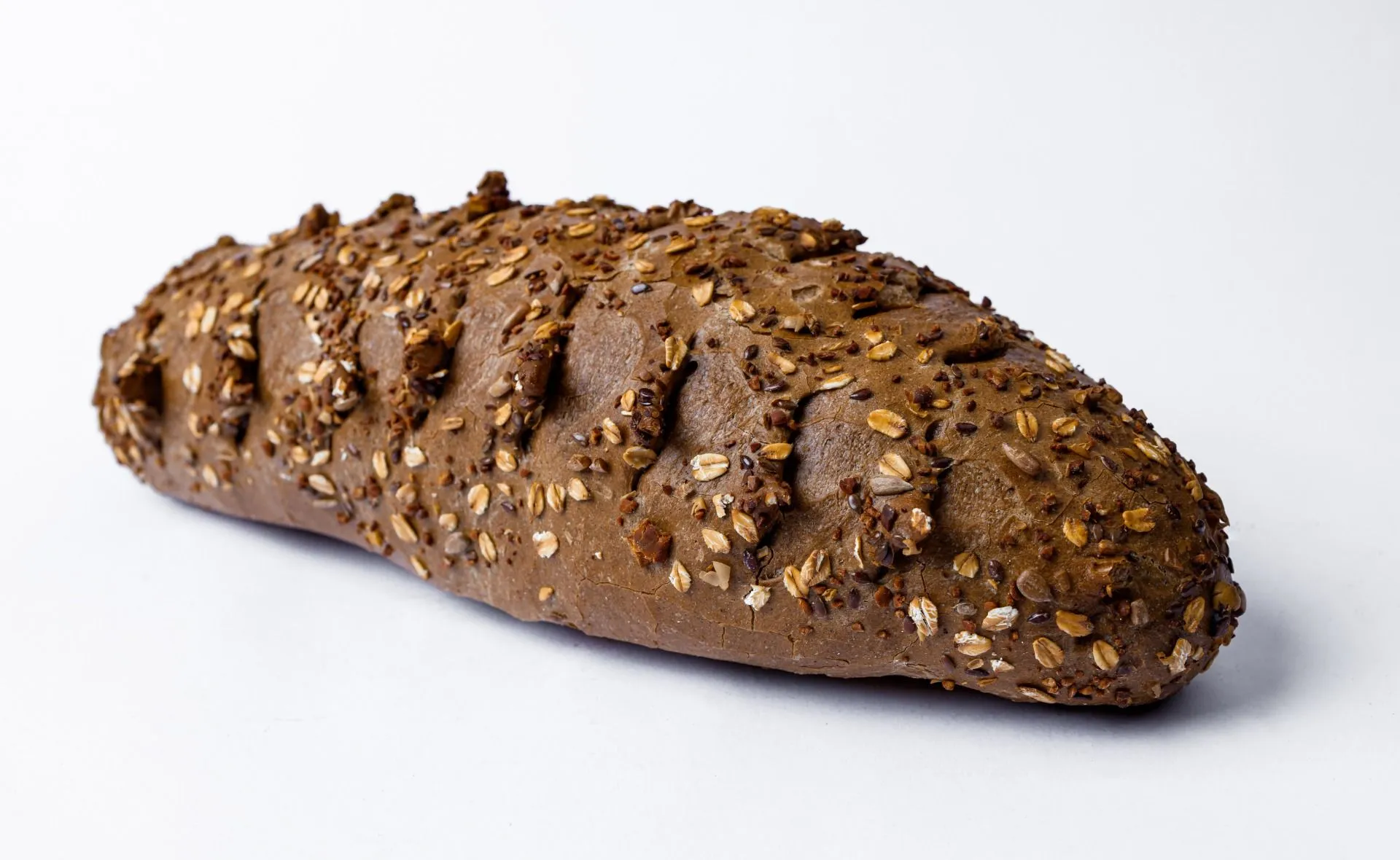
Boudi said, “I don’t think bakeries want to deceive consumers by claiming to offer wholemeal bread. Wholemeal flour is difficult to bake, loses moisture quickly, and isn’t as beneficial as some might think, as we explained earlier.”