

Fertilizer prices in Egypt have risen by 30% since the start of the war in Iran due to increased exports and the exploitation of the current crisis by some large traders. Meanwhile, vegetable exports are facing problems due to declining prices in Russian market, according to Amr Hegazy, General Manager of Egyptian Agrofood Company.
In statements to “Food & Climate” on the sidelines of the Egyptian-Dutch Agricultural Conference, held in Cairo on May 5th and 6th, 2026, Hegazy added that while fertilizer prices are high, the biggest problem is their unavailability at specific times in the plant’s life cycle.
Agrofood has been exporting agricultural products for 35 years, specializing in potatoes, carrots, and onions.
Although Egypt is a major producer and exporter of fertilizers, the crisis stemming from the war launched by the United States and Israel against Iran on February 28th has affected its farmers and the world.
Egypt provides fertilizers to small farmers, but medium-scale farmers are the ones facing problems due to high prices and low supply because they buy them on the open market, according to the General Manager of Agrofood in the following interview:
How has the fertilizer crisis resulting from the war in Iran affected Egypt, despite it being a major producer and exporter?
The problem isn’t with manufacturing and production, but with making these fertilizers available to farmers. We are currently experiencing a shortage of fertilizers, and we don’t know the reason. “It could be due to increased exports at the expense of local farmers at specific times.”
Read also: Iran war’s fertilizer shock sets the stage for a slow-burning food inflation crisis
What do you mean by specific times?
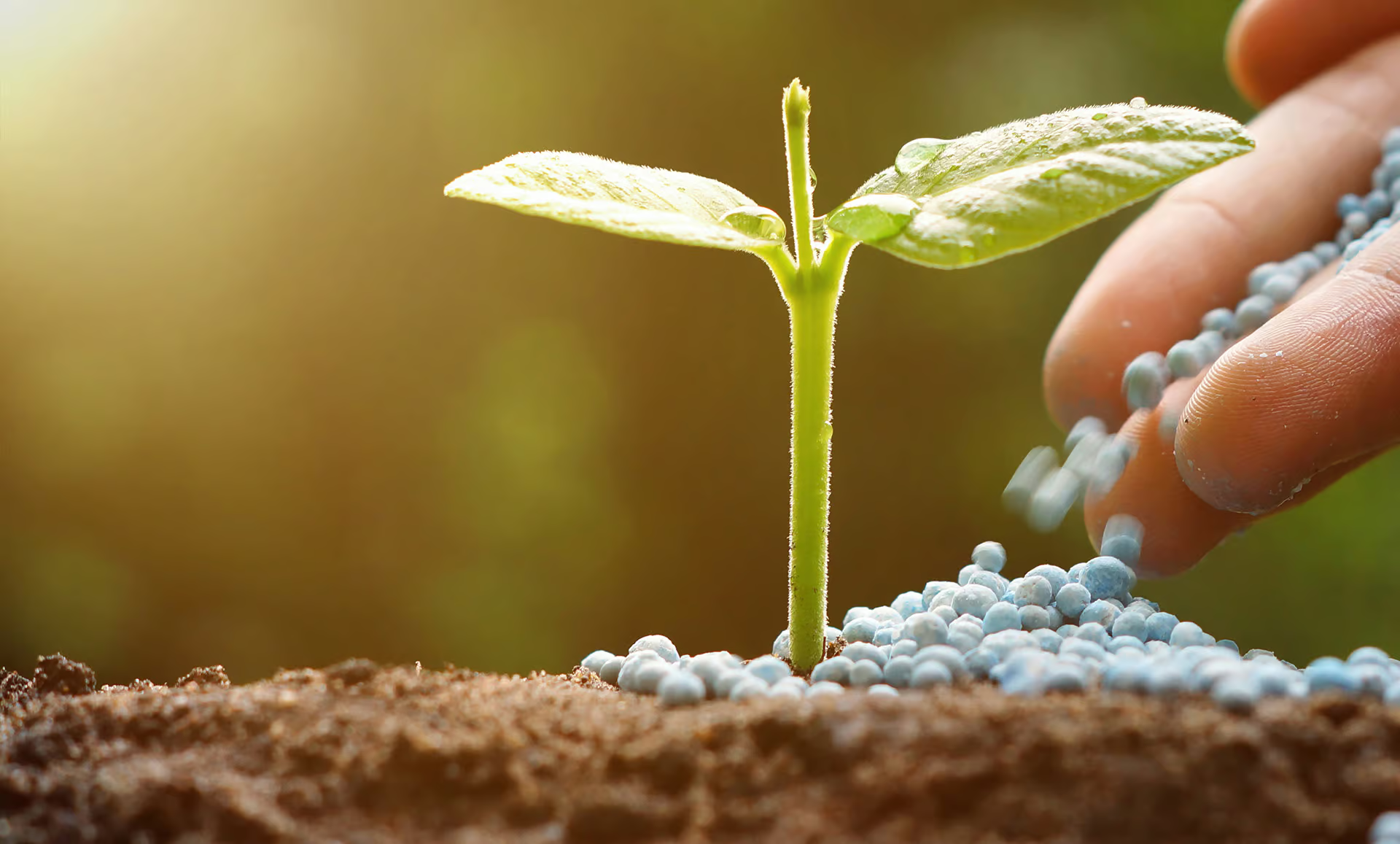
At the beginning of a plant’s life, farmers need nitrogen. If nitrogen isn’t available in the first 10 days, the plant will be negatively affected. Plants need nitrogen, phosphate, and phosphorus—a combination of fertilizers that must be available for any plant.
Small farmers can easily find nitrogen because they obtain it from agricultural cooperatives through subsidized fertilizers. However, medium-sized farmers don’t receive subsidized fertilizers and are forced to buy from the open market, facing logistical and financial problems.
How can this be when the factory is in Egypt and the production is here?
“When you ask the factory for fertilizer, they might tell you they’ve stopped selling due to an export order, and this has been happening quite frequently lately.”
Medium farmers aren’t only suffering from the unavailability of fertilizers, but also from traders exploiting the current situation and raising prices. “For example, the price per ton suddenly jumps from 20,000 to 28,000 Egyptian pounds.”
The war in Iran and the production and transportation problems resulting from it have unusually boosted fertilizer traders on the black market, who are raising prices.
What percentage of fertilizer prices have increased as a result of this crisis?
Fertilizer prices have risen by 30%, but that’s not the main problem. The real crisis is that sometimes we can’t find fertilizer to buy, which could be due to excessive exports or market monopolies by some traders. The government is addressing this.
We are now at the end of the vegetable season, and the war in Iran began in the final third of the growing season, which will negatively impact production.
For example, potatoes are suffering from a fertilizer shortage, in addition to fluctuating weather conditions, which will lead to a decrease in production.
“Potatoes, which have seen a significant price drop in the local market, will see a sharp price increase due to fertilizer costs and fluctuating weather conditions.”
Read also: Urea fertilizer prices soar in Indian tender
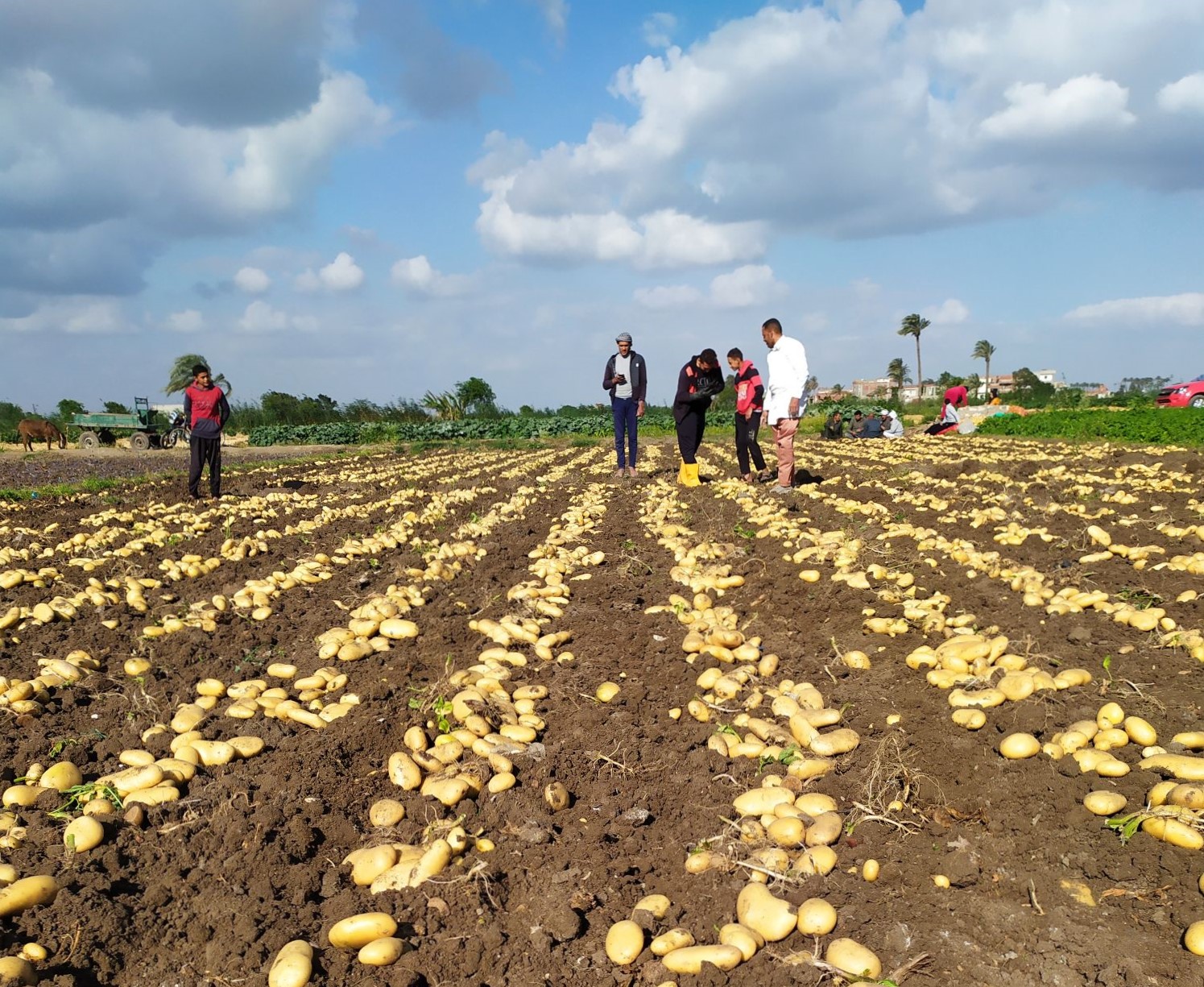
Farmers are generally suffering abnormal losses. It’s not normal for the cost of a crop to reach 10 Egyptian pounds and for it to sell for 3 pounds. This farmer, who has already incurred losses, is required to have the liquidity to plant potatoes again. Lacking the funds, he will resort to planting wheat. If this pattern repeats itself, vegetable prices will skyrocket in the following season.
But there is lower-interest financing available for agricultural and industrial activity in Egypt?
Yes, but it’s available to large farmers, not small farmers who own 2-3 acres.
Small farmers produce 35-40% of the vegetables in Egypt.
What is the volume of Agrofood exporting this year?
It’s poor. “This is our worst export season in 20 years due to falling prices abroad. Most markets are practically closed to our fruits and vegetables, and we face a problem in the Russian market: Egyptian exporters are competing with each other.”
Read also: Egypt reduced nitrogen fertilizer use before the Iran war
How can vegetable prices be low when the whole world is complaining about rising food prices due to the war crisis in Iran?
This applies to wheat and other crops, yet vegetable prices are low.
Overproduction in Egypt is also a contributing factor, due to the unplanned opening of land.
What does this mean?
It means adding areas of land without specifying their purpose, leaving farmers to grow whatever they want.
I believe the government established a system for this several years ago?
No government can do that, “let’s be realistic, because it would mean controlling the market, whereas we have a free market, and this is the case in Europe as well.”