
The World Food price index continued its upward trend in April 2026, rising by 1.6% compared to March, marking its third consecutive monthly increase, albeit at a slower pace than the previous month.
According to a report issued by the Food and Agriculture Organization of the United Nations (FAO) on Friday, May 8, 2026, and received by Food & Climate, the price indices for vegetable oils, meat, and cereals rose to varying degrees, while sugar and dairy prices declined.
Fertilizer crisis boost wheat prices
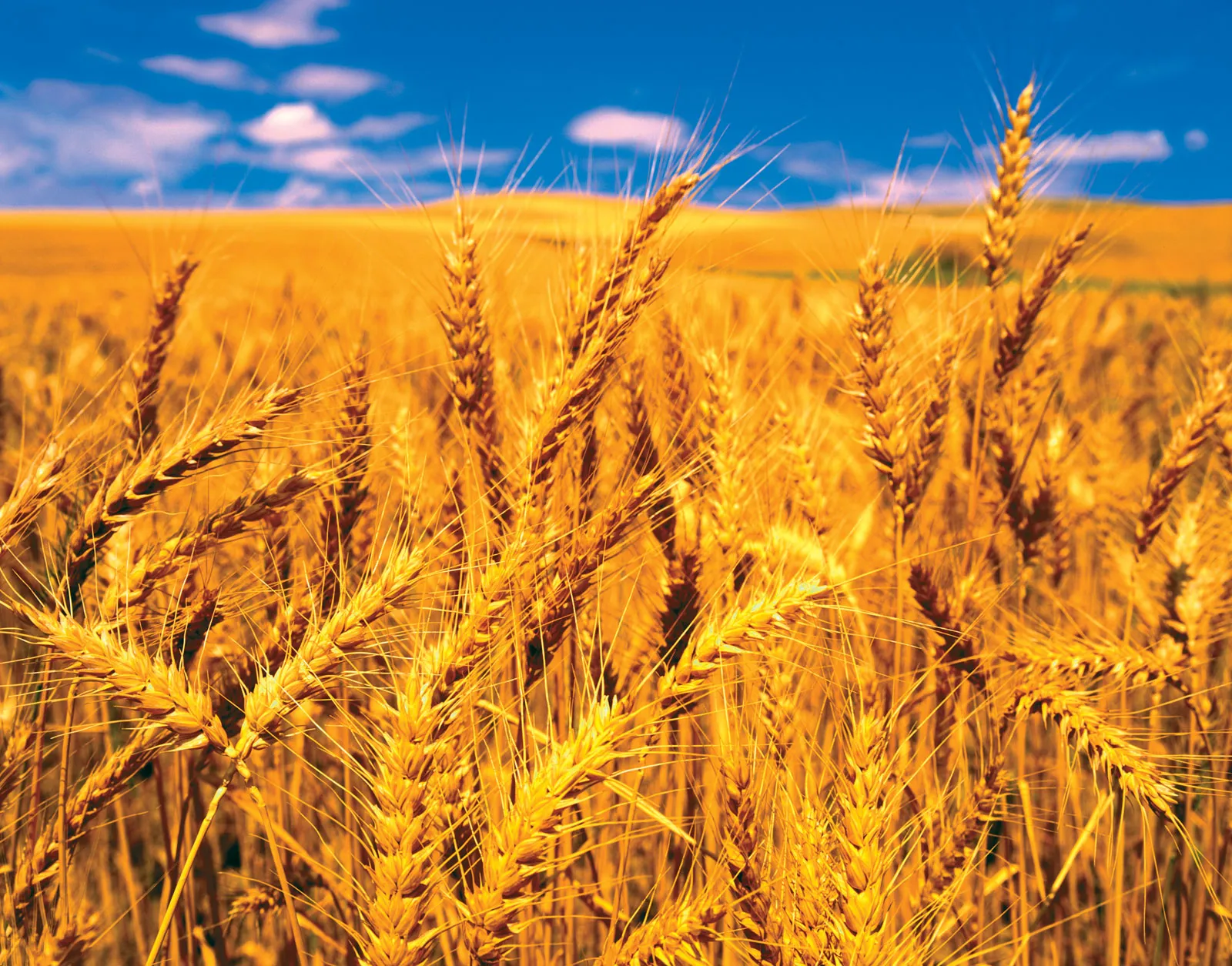
The average global food price index for cereals rose by 0.9% in April compared to the previous month and by 0.4% compared to the same period last year. This monthly increase reflects higher prices for major cereals, with the exception of sorghum and barley. Global wheat prices rose by 0.8%, reflecting upward pressure from drought in parts of the United States and a higher probability of below-average rainfall in Australia.
The price increase was further supported by expectations of reduced wheat planting in 2026, as farmers shift to less expensive, fertilizer-intensive crops driven by rising energy costs and disruptions related to the closure of the Strait of Hormuz.
Read also: Urea fertilizer prices soar in Indian tender
Global corn prices rose by 0.7%, supported by seasonal supply constraints and weather concerns in Brazil, as well as drought impacting agriculture in parts of the United States.
Strong demand for ethanol, fueled by higher crude oil prices and ongoing concerns about fertilizer affordability, also contributed to these prices.
The rice price index increased by 1.9%, driven by gains in Indica and aromatic rice, reflecting higher production and marketing costs in most rice-exporting countries following the sharp rise in crude oil and petroleum product prices. Conversely, global sorghum prices fell by 4%, largely due to weak import demand, particularly from China, and improved supply prospects in major producing and exporting countries.
The World Food Price Index for vegetable oils rose by 5.9% in April 2026
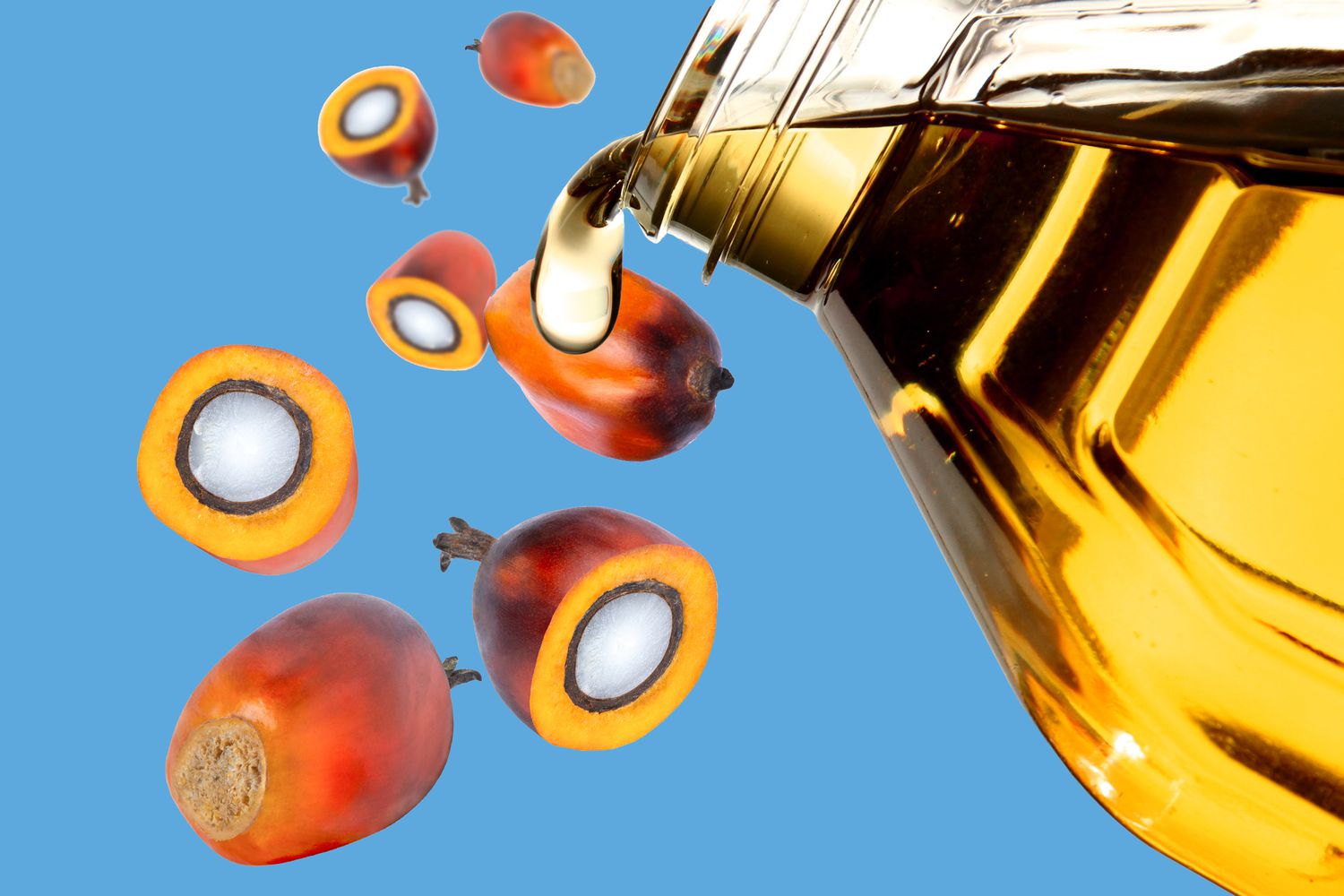
The World Food Price Index for Vegetable Oils rose by 5.9% month-on-month in April 2026, its highest level since July 2022. This continued increase was driven by higher prices for palm, soybean, sunflower, and rapeseed oils.
Global palm oil prices rose for the fifth consecutive month in April, primarily supported by expectations of increased demand from the biofuel sector, driven by policy incentives in many producing countries and higher crude oil prices.
Concerns about declining production in Southeast Asia in the coming months also contributed to the upward pressure.
Similarly, global prices for soybean and rapeseed oils rose, reflecting strong demand for biofuel production in the United States and the European Union, respectively. Sunflower oil prices were supported by continued tight supplies in the Black Sea region, while prices in Argentina declined slightly, as increased seasonal activity boosted exportable supplies.
Meat Price Index April 2026
The average Meat Price Index in April 2026 rose by 1.2% month-on-month and 6.4% year-on-year, reaching a new record high.
This increase reflects price rises across all meat categories, with the exception of sheep meat, which remained generally stable.
Read also: FAO warns, continued Strait of Hormuz closure worsens food inflation
Bovine meat prices climbed to a new record high, driven by higher export prices in Brazil amid limited supply of cattle ready for slaughter, reflecting ongoing herd rebuilding. Strong international demand, particularly from China, also provided additional support.
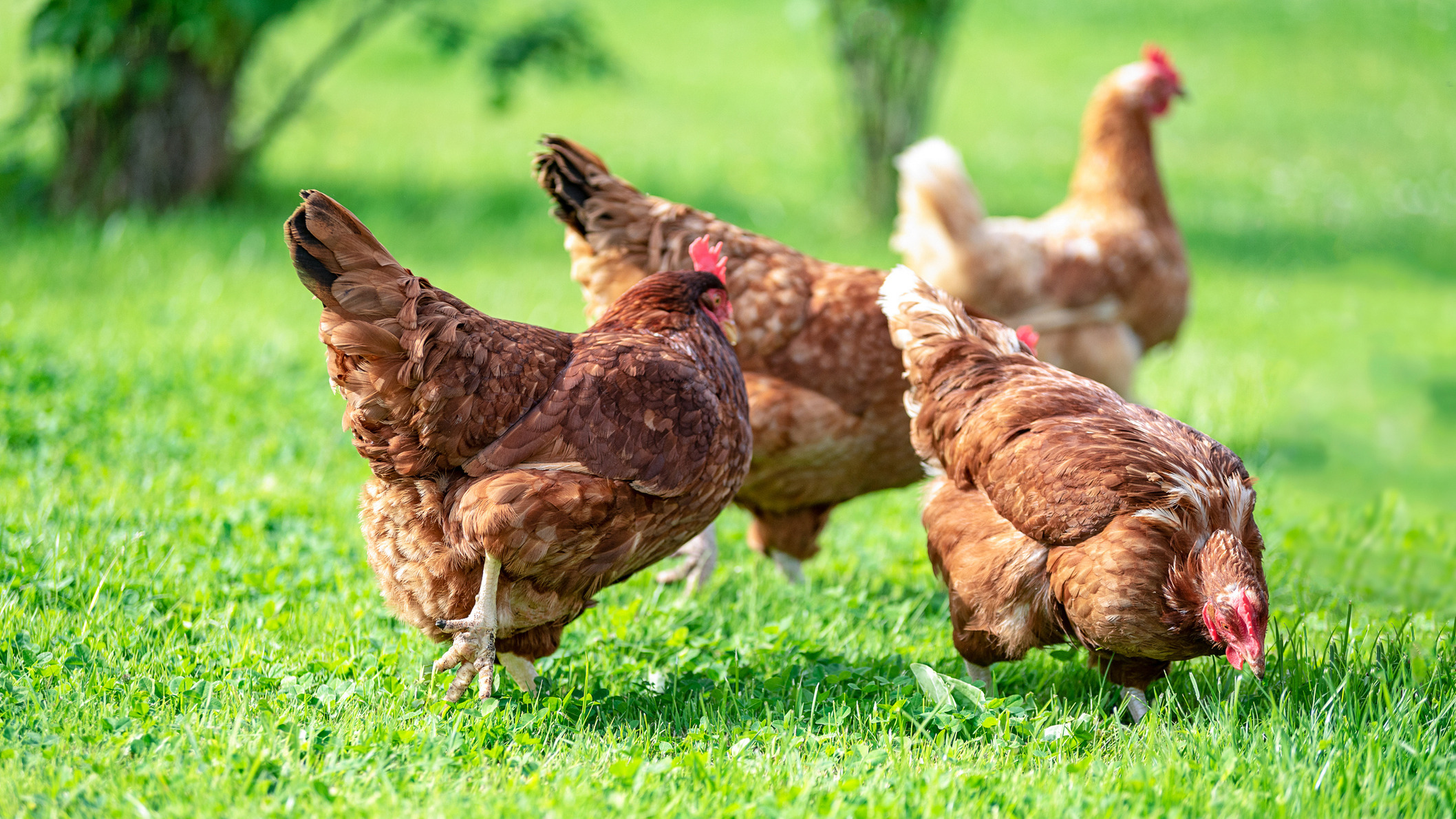
Pig and poultry prices also rose, with the latter supported by higher prices in Brazil. Strong buying interest from several African markets offset lower sales to the Near East, where logistical and transport constraints necessitated rerouting shipments via the Red Sea. Sheep meat prices generally remained stable, as higher prices in Australia, reflecting limited export supply, offset declines in New Zealand due to weak demand from China, the main export destination.
Dairy and sugar price indices decline
The dairy price index fell by 1.1% compared to March 2026, while remaining 21.2% lower than its level a year earlier.
This decline was mainly due to lower global prices for butter and cheese, which more than offset the continued rise in skimmed milk powder prices, while whole milk powder prices remained stable. Butter prices fell after rising for two consecutive months, while cheese prices continued their downward trend. This reflects ample milk supplies in the European Union amid peak seasonal production and stronger-than-expected late-season production in Oceania.
Read also: Iran war pushes FAO Food Price Index higher in March 2026
The sugar price index also fell in April 2026 by 4.7% on a monthly basis and 21.2% compared to last year, due to expectations of abundant global supplies in the current season, supported by improved production prospects in major Asian producing countries, particularly China and Thailand.
More details:
FAO World Food Price Index in April 2026