
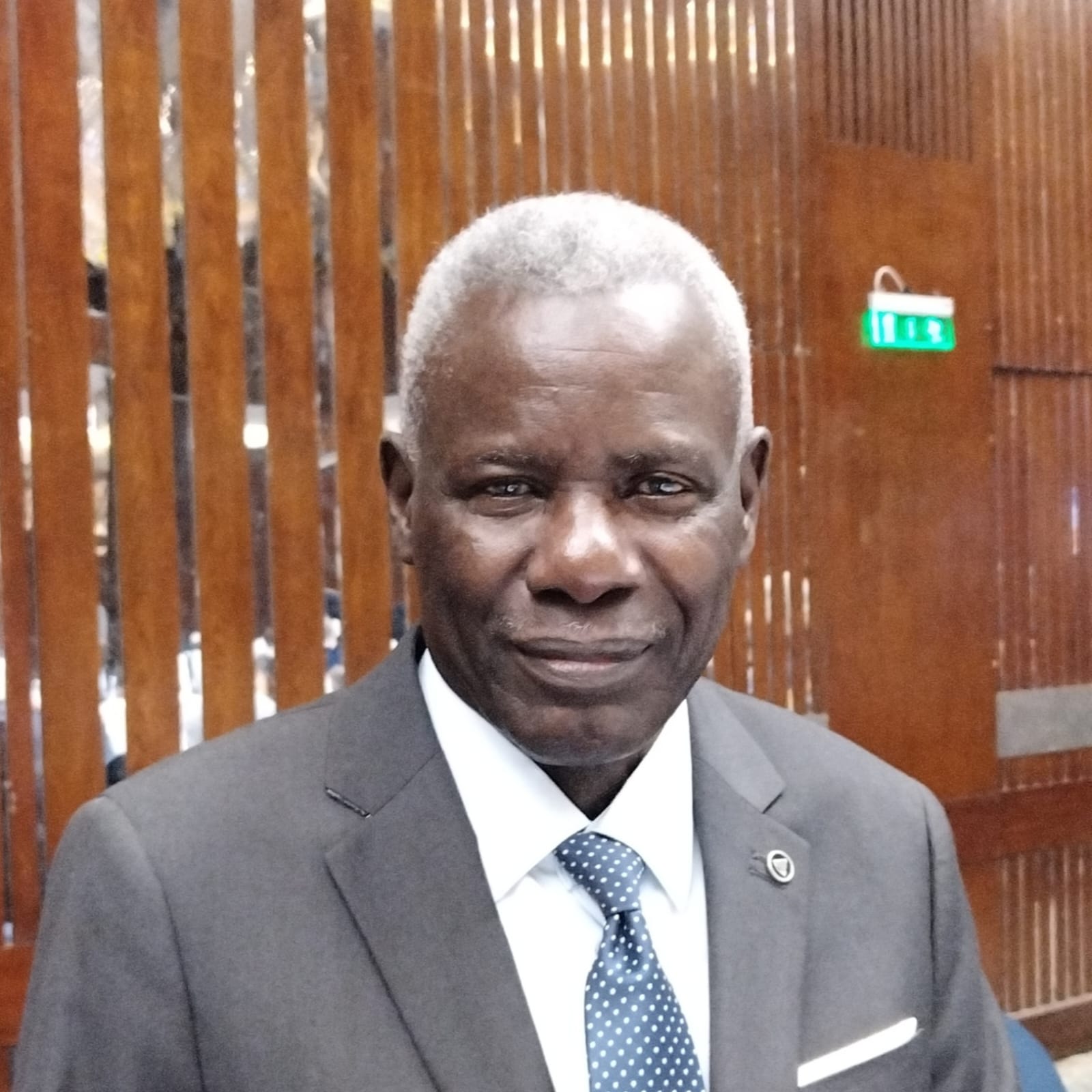
Funding represents the biggest challenge facing the Sahara and Sahel Observatory (OSS) in its climate change mitigation projects in Africa, according to Assane Soumare, the President of Strategic Orientation Committee (SOC).
Somare told Food & Climate, on the sidelines of the Observatory’s 33rd Board of Directors meeting in Cairo earlier this week, that the Observatory is working on numerous projects across various sectors, including agriculture, food production, and climate finance.
He added: “Securing funding is not easy, financing these projects is a major problem.”
The Sahara and Sahel Observatory’s mission is to help its African member countries sustainably manage their natural resources, in a particularly disadvantageous climate change context. Its action focuses on arid, semi-arid and dry sub-humid areas.
For this mission to be accomplished, the OSS is constantly developing expertise that allows it to shed light on current environmental issues and contribute to strategic brainwork on the sustainable land and water management.
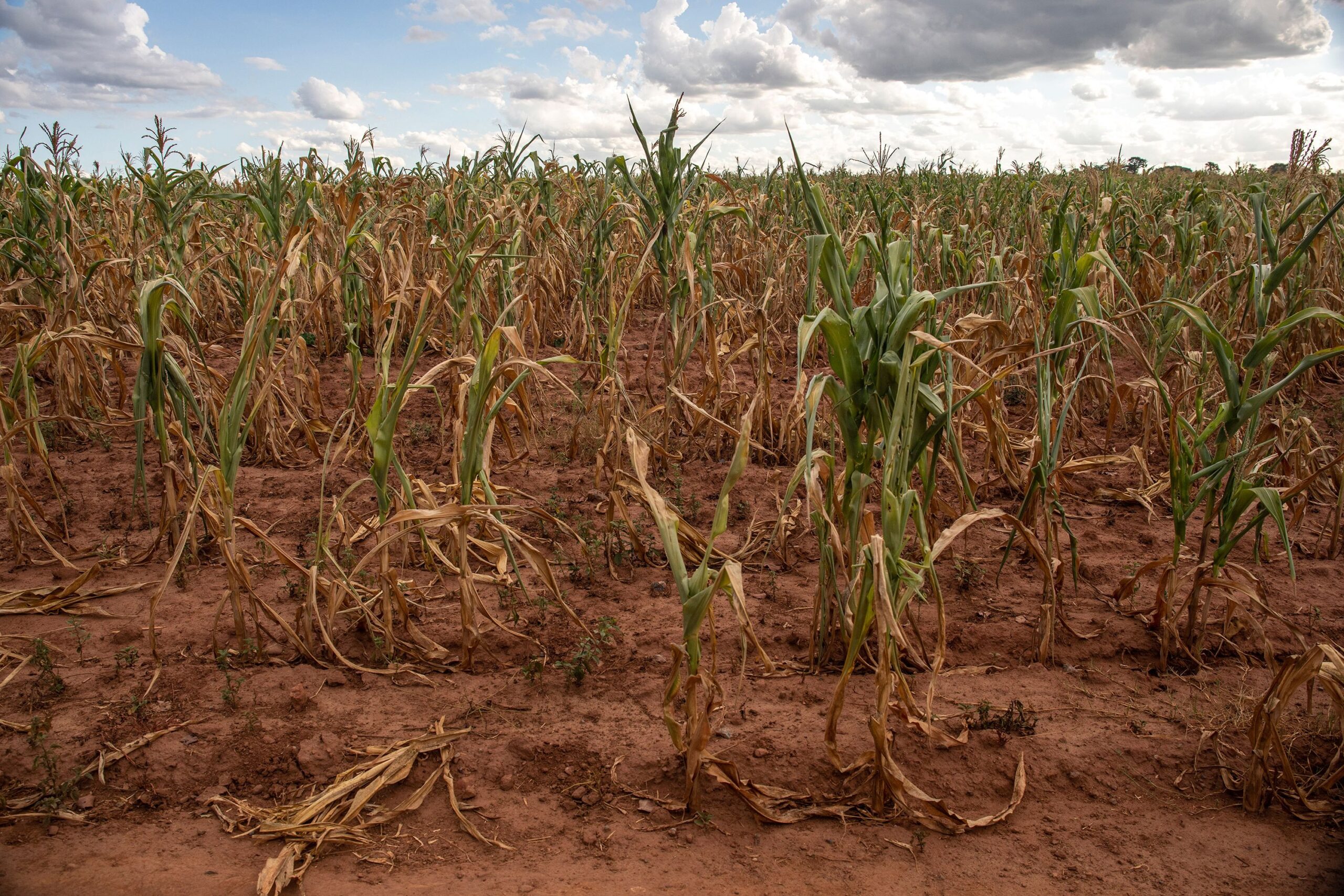
The Sahara and Sahel Observatory is addressing drought in Africa
Assane Soumare, the President of Strategic Orientation Committee (SOC), told Food & Climate that the crises of desertification and drought in Africa are among the Observatory’s top priorities, “because we are working to combat climate change, especially in the Sahara and Sahel, and these are problems that require funding.”
Although member states contribute to funding through subscriptions, and the Observatory has partnerships with the World Bank and the African Development Bank, “the problem of funding remains a major challenge,” Soumare added.
Read also: The Director of African CEO Forum: current fertilizer crisis a wake-up call for African producers (Exclusive)
The Observatory works to build and support partnerships to address challenges related to water resource management, in addition to implementing international agreements on land degradation, biodiversity, and climate change in Africa.
The Sahara and Sahel Observatory currently comprises 48 members, including 28 African countries, 7 non-African countries, and 13 entities representing Africa, the United Nations, and non-governmental organizations.
The collaboration between OSS and its members primarily aims to strengthen joint efforts for a sustainable future in Africa.
Strategy Extending to 2030
The Sahara and Sahel Observatory is currently operating with a strategy extending to 2030, which aims to develop the Observatory’s procedures to ensure the sustainability of its work in African countries to enhance resilience to climate change and the sustainability of certain development projects, with a focus on adapting to the impacts of climate change, according to Assane Soumare, the President of Strategic Orientation Committee (SOC).
He stated that the Observatory’s member countries need to exchange expertise in providing irrigation water, agriculture, livestock, and fisheries. “In all these areas, we need the Observatory’s experts,” he said.
Read also: At COP30, African frustration over inadequate funding for TFFF
According to the Observatory’s website, its actions cover three main areas:
Implementation of multilateral agreements: The OSS implements agreements on land degradation, biodiversity and climate change.
Promotion of initiatives: The OSS supports regional and international initiatives that address environmental challenges in Africa by promoting synergy between the States and sub-regional Organizations so that a true regional cooperation is established.
Alignment of the approaches: The OSS defines concepts and unifies methodologies related to the sustainable land and water management.
Read also: At COP30, Africa needs financing that goes beyond adaptation
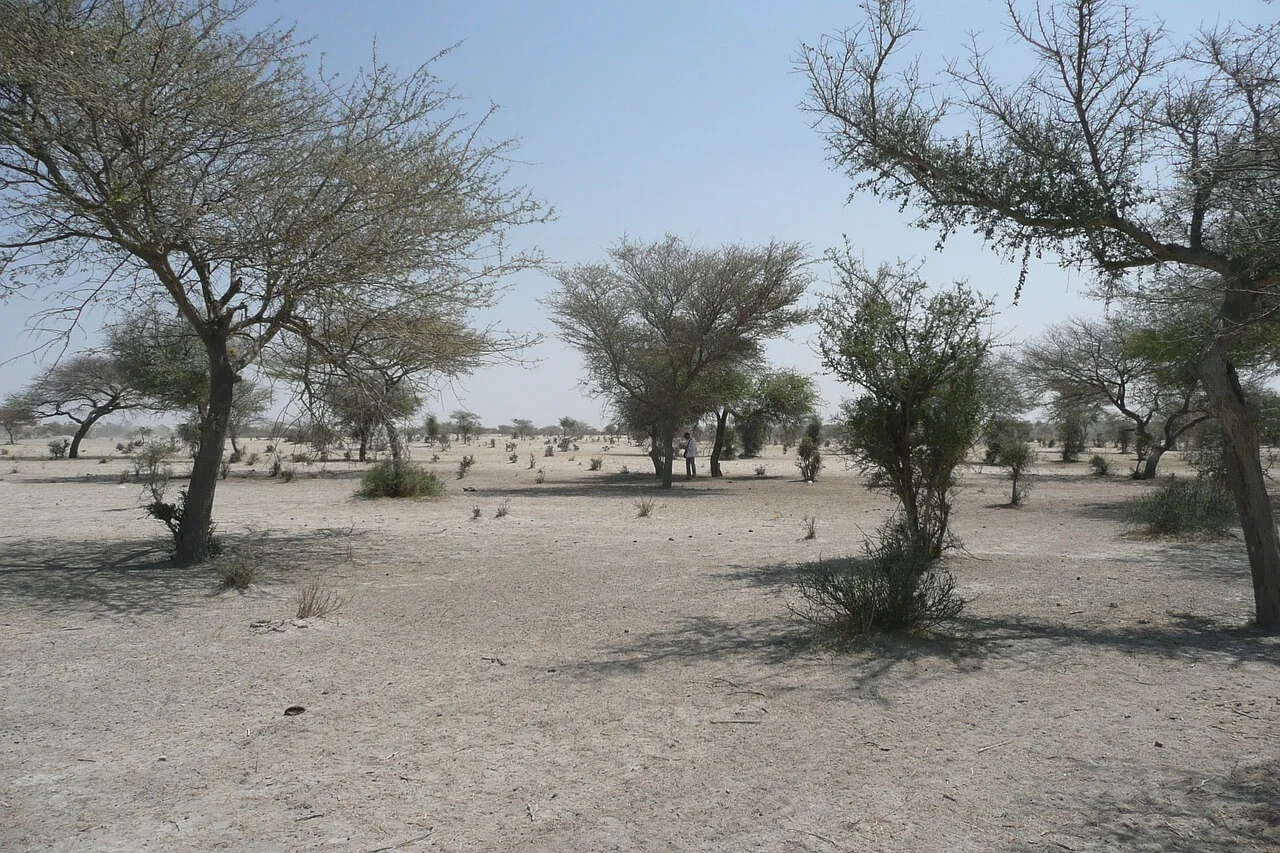
The OSS supports its member countries in their fight against land degradation and desertification, as well as in the sustainable management of water resources and the reinforcement of the populations’ resilience.
Protecting the biological heritage
It is also committed to protecting the biological heritage and develops concepts and methodologies dedicated to environmental monitoring, natural resources management and climate change adaptation. This commitment is supported by the scientific and technical programs that structure its strategy, namely: ‘Land’, ‘Water’, ‘Climate’, and ‘Biodiversity’.
These programs aim to promote integrated and collaborative management of natural resources in Africa.
Thanks to its accreditations with the Green Climate Fund (GCF) and the Adaptation Fund (AF), the OSS relies on knowledge transfer, capacity building and awareness raising among all stakeholders to help countries implement projects on mitigating climate change impacts on the populations and ecosystems.
More details: