

Plant pests and diseases spread through seemingly simple means that might not be imagined to be the cause of disasters in some countries. For example, a traveler might bring a particular type of fruit home or even a specific ornamental plant they wish to grow in their garden. The rapid growth of international trade also exacerbates the problem, according to Dr. Mohamed AlHabib Ben Jemaa, Executive Director of the Near East Plant Protection Organization (NEPPO).
Ben Jemaa told Food & Climate that climate change phenomena, such as rising temperatures, have become direct factors in the development and spread of plant pests and diseases. He added that implementing international and regional plant health standards limits the movement of agricultural pests between countries and ensures the safe movement of agricultural products and trade. He made these remarks on the sidelines of the 2026 NEPAD Regional Workshop for the Near East and North Africa, which was recently held in the Egyptian capital.
Ben Jemaa added that the Near East and North Africa region is characterized by a range of crops that are particularly prevalent in its countries, including olives, dates, and prickly pears. This has led to the development of specific regional standards. Further details are discussed in the following interview:
What role does international trade play in the transmission of plant pests and diseases between countries?
The risks of plant pest and disease transmission are increasing significantly due to the rapid growth in international trade and the movement of people between countries.
Agricultural products are now transported over long distances in short periods of time, which increases the likelihood of pest transmission if they are not subject to the necessary phytosanitary measures.
Some suggest that travelers may be a greater risk in transmitting pests. Is this true?
One of the most significant sources of cross-border pest transmission is individual travelers unaware of the risks. Someone might bring a plant or seedling from another country, place it in their luggage, and transport it across the border without subjecting it to phytosanitary procedures.
Many international pest introductions occur in this way, prompting countries to intensify efforts to educate travelers, especially at airports and transit points, about the risks of transporting plants and agricultural products without the necessary permits and procedures.
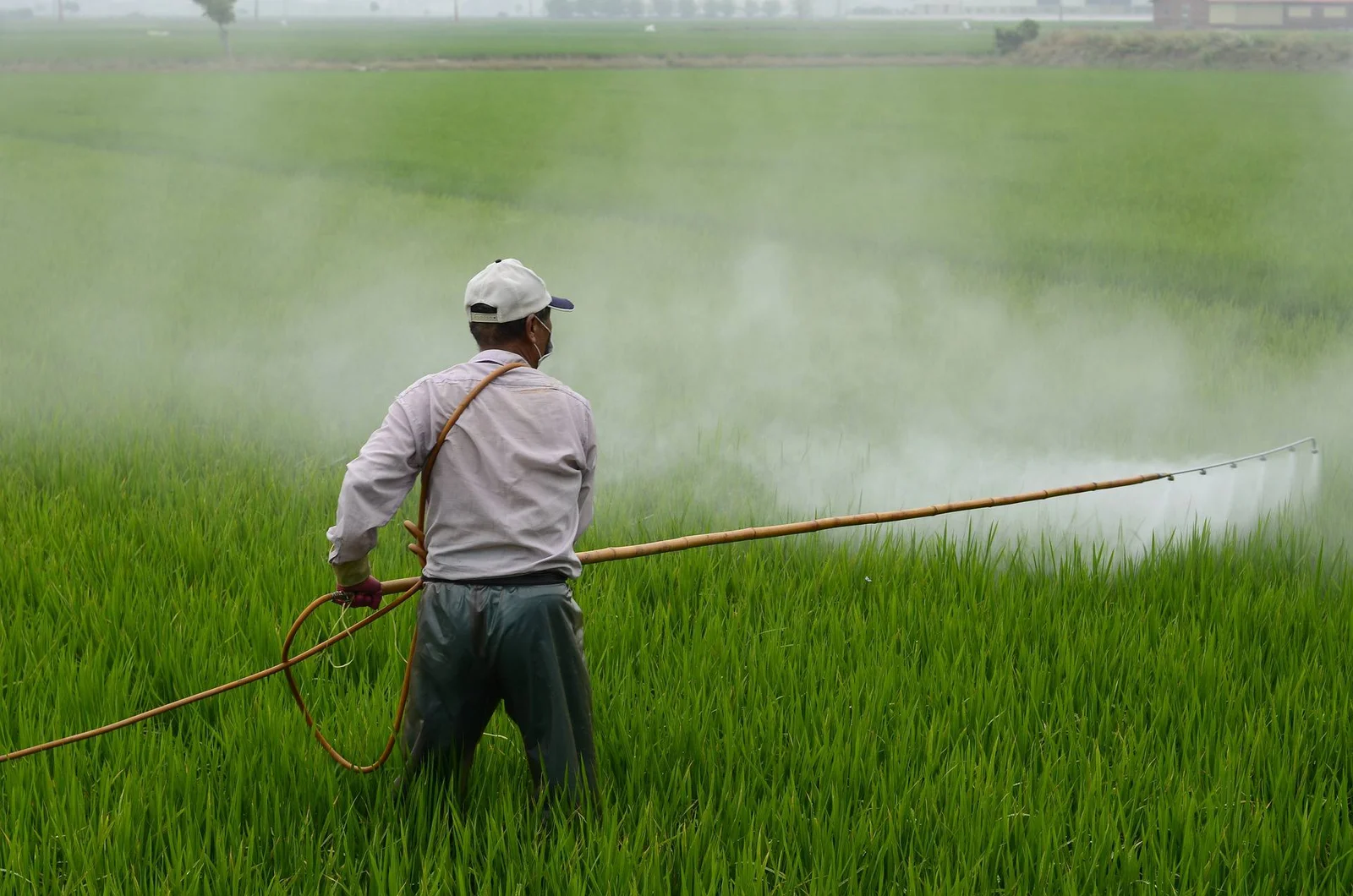
Read also: FAO and NENA countries call for stronger plant health systems
Smuggling across borders, particularly between neighboring countries, is another source of harmful and dangerous pests.
What is the role of climate change?
Climate change is an additional factor that increases the risk of plant pest and disease spread. Previously, pest spread was less severe because they did not find suitable climatic conditions to survive and reproduce. However, currently, environments are conducive to the spread of pest species in areas where they were not previously present.
For example, the red palm weevil has managed to establish itself and spread in the region after finding suitable climatic conditions, a consequence of climate change.
Read also: Official: Official: Climate change helps Egypt to Produce and Export tropical fruits (Interview)
Climate change phenomena are numerous, including rising temperatures, decreased rainfall, and the transformation of some weather patterns into cyclones. The region has also witnessed unprecedented temperature increases in recent years.
For example, Tunisia experienced a heat wave over the past three months, with temperatures exceeding 45 degrees Celsius.
What role does international cooperation play in limiting the spread of plant pests and diseases?
Cooperation is essential to combat transboundary pests. This requires regional and international collaboration, especially given the increasing volume of trade and the movement of people between countries.
Read also: How did the sterile fly save Moroccan citrus exports? (Exclusive)
The goal of the standards and procedures in place is to prevent the spread of dangerous pests from one country to another, protect agricultural production, and ensure safe trade in agricultural products between countries in the region and the rest of the world.
Are there new standards to keep pace with these changes?
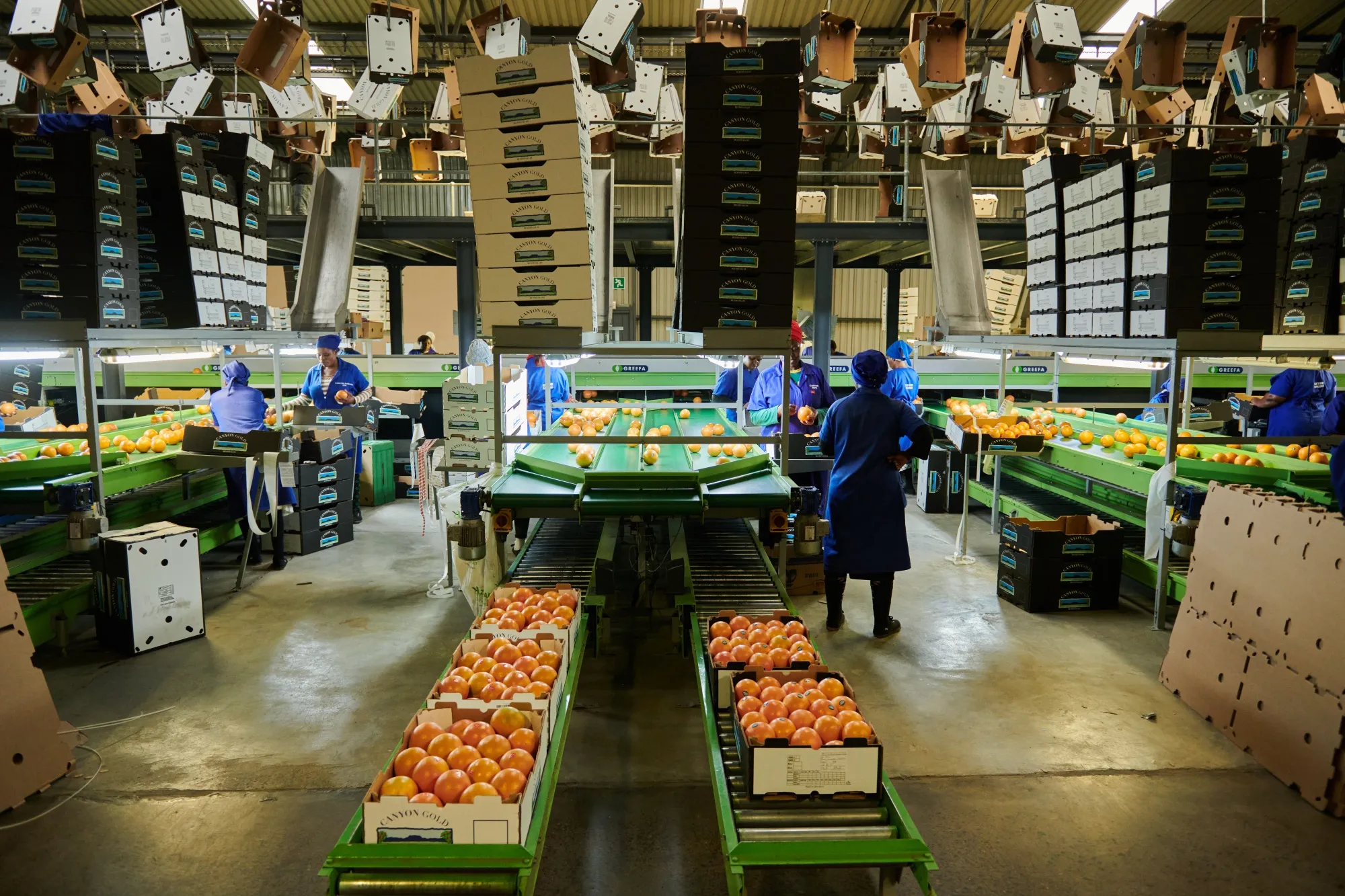
The presence of pests will not halt international trade. An international system is in place to ensure the safe continuation of trade through the International Plant Protection Convention (IPPC) and cooperation with the World Trade Organization (WTO).
The IPPC is developing new standards to address current changes, while also updating and revising existing standards to ensure the smooth and safe movement of agricultural products and protect agricultural production from pests.
The legitimate movement of agricultural products can continue normally and safely.
However, the main problem remains the smuggling and transport of plants and agricultural products by travelers without subjecting them to quarantine.