
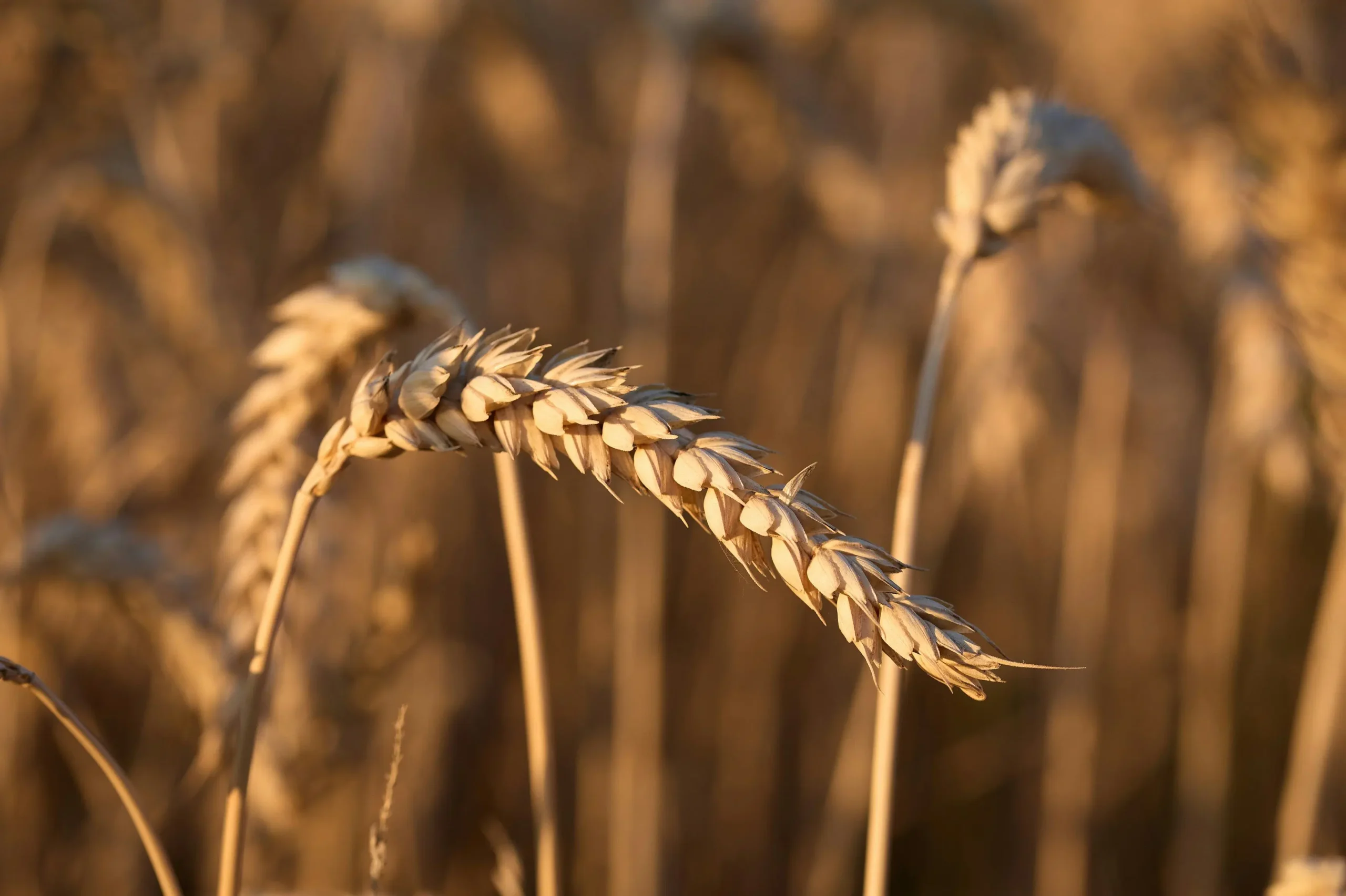
The global food price index (FAO Food Price Index) rose in July 2026 due to concerns about the impact of record-breaking heatwaves on grain production, in addition to export crises, particularly from the Black Sea region, after two months of decline.
The FAO Food Price Index averaged 0.6% compared to June 2026 and 1.3% compared to July 2025, according to the organization’s report issued on Friday, August 7, 2026, and received by Food & Climate.
A decline in meat and dairy prices, partially offset by increases in cereals, sugar, and vegetable oils, helped to balance the global food price index in July.
Despite the rise in the global food price index compared to June and May, which saw declines, it remained 18.2% below its peak in March 2022.
Impact of Cereals on the FAO Food Price Index in July 2026
The rise in the FAO Food Price Index in July 2026 led by a 3.4% increase in the cereal price index on a monthly basis and a 6.9% increase on an annual basis.
Wheat prices rose by 5.8% month-on-month and 9.9% year-on-year, amid growing concerns about continued disruptions to Black Sea export flows and damage to export infrastructure. The situation was exacerbated by the impact of recent heat waves on crop yields in several major producing countries.
Read also: FAO Food Price Index down in June 2026
Corn prices rose by 3.6% month-on-month for the same reasons, as hot weather affected parts of the US Corn Belt, in addition to the indirect impact of rising fuel prices amid escalating geopolitical tensions. Sorghum prices rose, while barley prices fell by 1.9%, as favorable crop prospects in Australia and the Black Sea region offset heat-related yield losses in the European Union. The rice price index remained stable.
Biodiesel demand boosts vegetable oils
The vegetable oil price index rose 2% month-on-month, reaching its highest level since June 2022, driven by higher palm and soybean oil prices, which more than offset declines in sunflower and rapeseed prices.
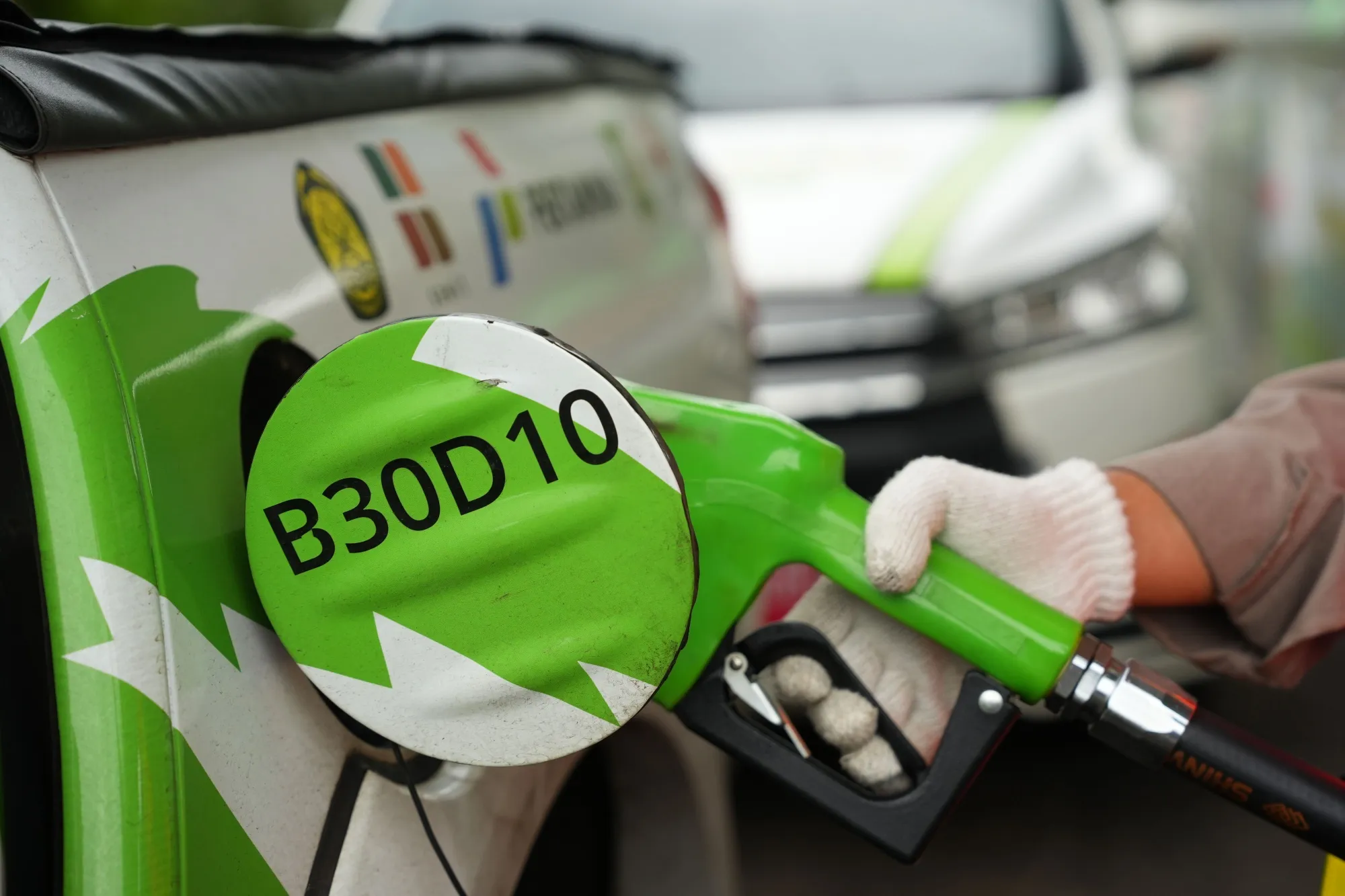
Global palm oil prices rose for the second consecutive month, following a slight decline in May, supported by strong demand from Indonesia’s biodiesel sector and higher crude oil prices, which outweighed downward pressure from increased seasonal production in Southeast Asia.
Similarly, global soybean oil prices rose, supported by continued strong raw material demand in the US and increased global import demand amid improved price competitiveness.
Global sunflower and rapeseed oil prices fell, reflecting expectations of increased supply in the 2026/27 season.
El Niño and ethanol drive sugar prices higher
Sugar prices were among the commodities that drove the FAO Food Price Index higher again in July 2026, due to the impact of the El Niño phenomenon, which brings significantly higher temperatures, as well as increased ethanol production in Brazil.
Read also: Global Food Price Index Stable in May 2026 with a marginal decline
The FAO Sugar Price Index jumped 5.6% month-on-month, but remained 8% lower than a year earlier, due to the potential impact of continued hot and dry weather on EU crops and the El Niño climate phenomenon in major Asian producing countries.
Expectations of increased ethanol demand in Brazil, following the temporary increase in the mandatory ethanol blending ratio in gasoline, also contributed to supporting prices.
Meat and dairy prices decline
The meat and dairy price indices fell by 2.8% and 0.7%, respectively, in July, month-on-month.
However, meat prices are still 0.8% higher than a year ago, while dairy prices are 24.8% lower.
Read also: Palm oil prices rise as biofuel production increases
The decline in meat prices marks the first monthly drop in 2026, reflecting price decreases across all meat categories except lamb. Poultry prices in Brazil fell amid ample export supplies.
Pork prices declined, driven by abundant supplies in the European Union and weak global demand. However, warmer summer temperatures limited animal growth rates, providing some support to prices. Beef prices also fell.

Dairy prices have continued their decline since April, due to ample butter exports in the EU and Oceania, coupled with cautious buying following previous price increases. Skimmed milk powder, however, remained the only dairy product trading above its July 2025 level, and cheese prices rose by 1.7%, marking their first monthly increase in the same month.
More details: