
Operations using beetles to clear water hyacinth from waterways in Sudan’s southern regions have begun.
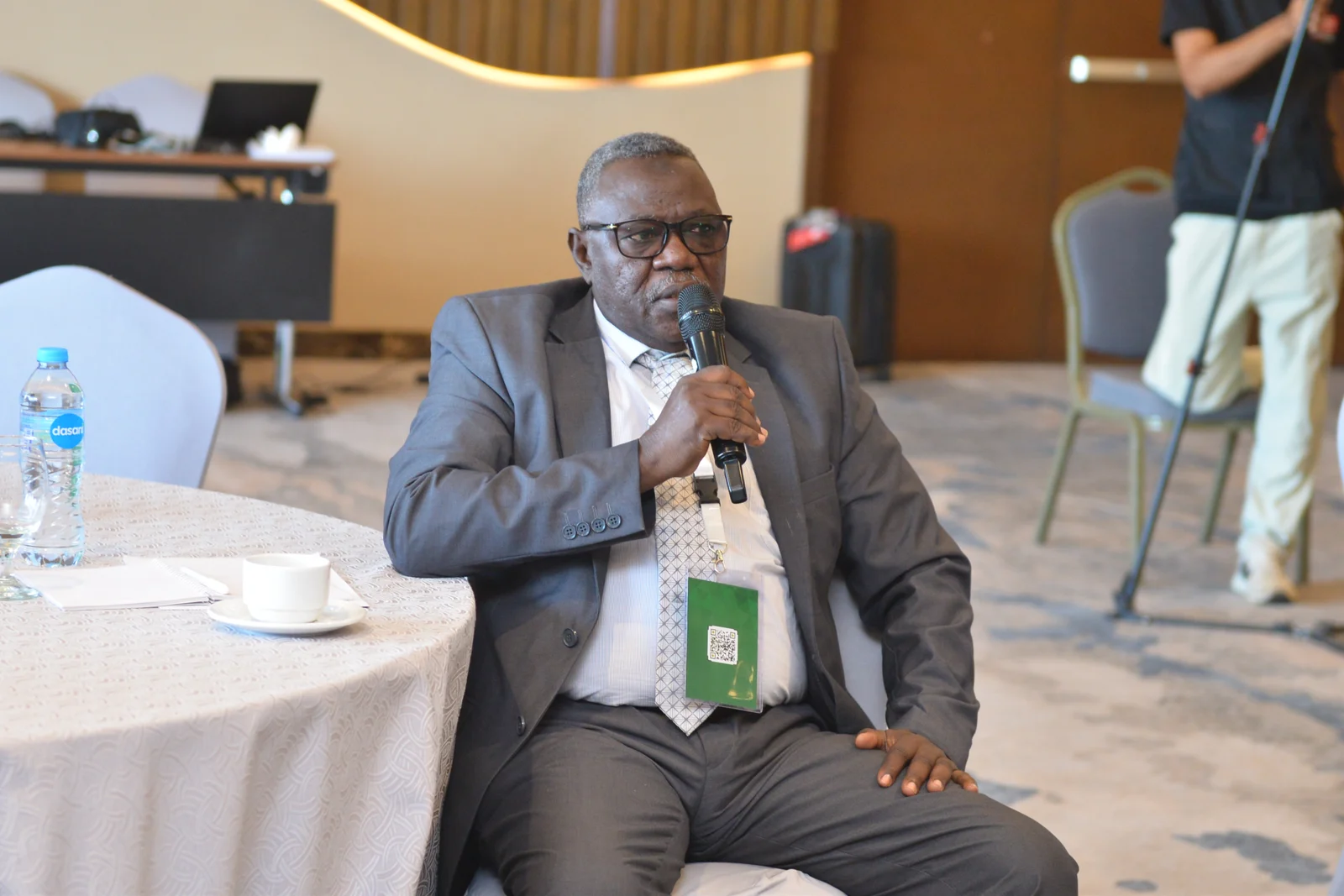
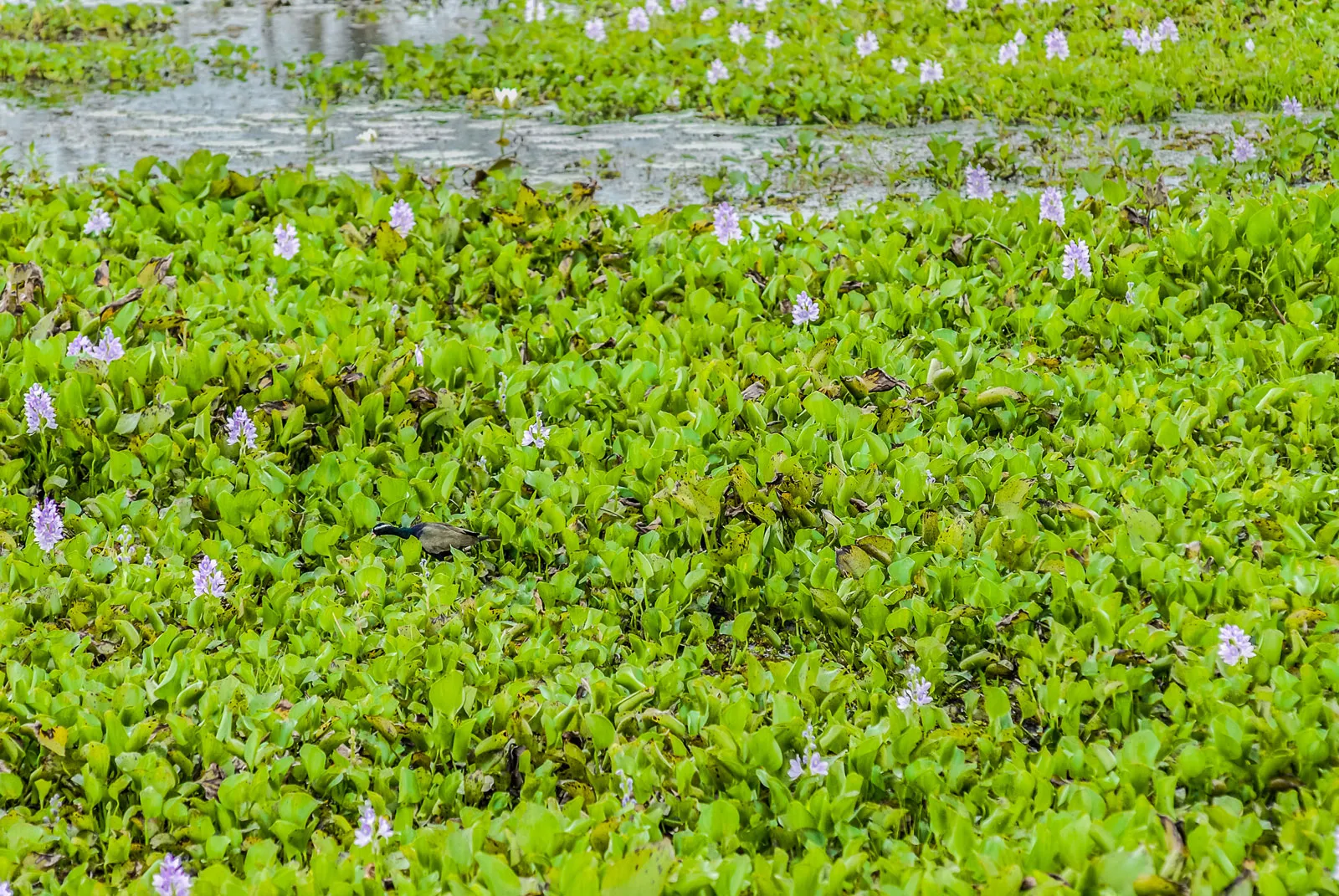
These beetles devour the leaves and curb the density of the rapidly proliferating plant, which forms clumps that obstruct water flow to intended areas and hinder navigation, according to Dr. Mubarak Osman Hamdan, Director General of the Plant Protection and Pest Control Administration and Head of the Plant Quarantine Department at Sudan’s Ministry of Agriculture.
Speaking to Food & Climate on the sidelines of the recent International Plant Protection Convention (IPPC) regional workshop for the Near East and North Africa held in Cairo, Hamdan stated that using beetles to tackle the problem offers a biological solution that harms neither the environment nor the water supply. Consequently, he asked workshop organizers to assist his country in strengthening this biological control effort.
He emphasized that despite the ongoing war in Sudan since 2023—a civil conflict between the official army and the Rapid Support Forces—and its spread across various parts of the country, some farmers continue their agricultural activities and crop cultivation. He highlighted further details in the following interview:
Why did Sudan request support from the workshop organizers for biological control?
Sudan requested support for biological control measures to curb the spread of it in the southern regions, particularly along the White Nile corridor.
The country has prior experience using biological control to combat the spread of water hyacinth, a method distinguished by being safer for humans, the environment, and animals.
Read also: Sudan’s Faid Al-Naam Preparing to launch the first smart feed factory in the Middle East in Egypt (Interview)
Control efforts target areas along the White Nile, extending from the Jebel Aulia Dam area—south of Khartoum—through Kosti, Al-Jabalain, and Renk.
The spread of it affects water flow and availability, as well as river navigation—a critical issue given that some regions rely on steamers, boats, and ferries for transport along the Nile.
This proliferation also poses a problem for farms along the Nile banks, as it can clog irrigation canals.
This is particularly concerning given the massive quantities of the weed found in southern regions, especially south of Kosti.
You mentioned the use of beetles in Sudan to combat the spread of water hyacinth; how does this work?
We have utilized specific beetle species in Sudan to control it. Researchers have conducted studies on breeding and releasing these beetles in targeted areas; they act as a biological control agent, feeding on the plant’s leaves and helping to reduce its density.
Read also: FAO regional representative: Sudan’s food insecurity crisis worsens due to floods (Exclusive)
We aim to expand this initiative and increase the beetle population used for biological control in Sudan—especially given the influx of water hyacinth from the south—to curb the spread of these aquatic plants and prevent them from reaching northern regions.
This effort is part of a broader strategy to manage the spread of water hyacinth along the Nile, addressing the fact that human activity can indirectly facilitate its movement into various areas and canals.
What causes the spread of water hyacinth?
Certain agricultural practices near the riverbanks can impact the aquatic environment; for instance, the use of chemical sprays can pollute the water and harm beneficial insects.
Read also: More hunger and malnutrition chasing Sudanese refugees, WFP warns
Water hyacinth can also spread indirectly through human activity; for example, when produce is transported from one region to another, the weed can be carried along with it. These plants can fall into the water during transport or when vehicles are washed in canals, allowing them to take root and spread to new areas.
The continued proliferation of it poses an additional challenge for farmers along the Nile, as it affects irrigation canals and water flow; this has prompted Sudan to expand the use of biological control methods to curb its spread.
How is the ongoing war in Sudan affecting agricultural production?
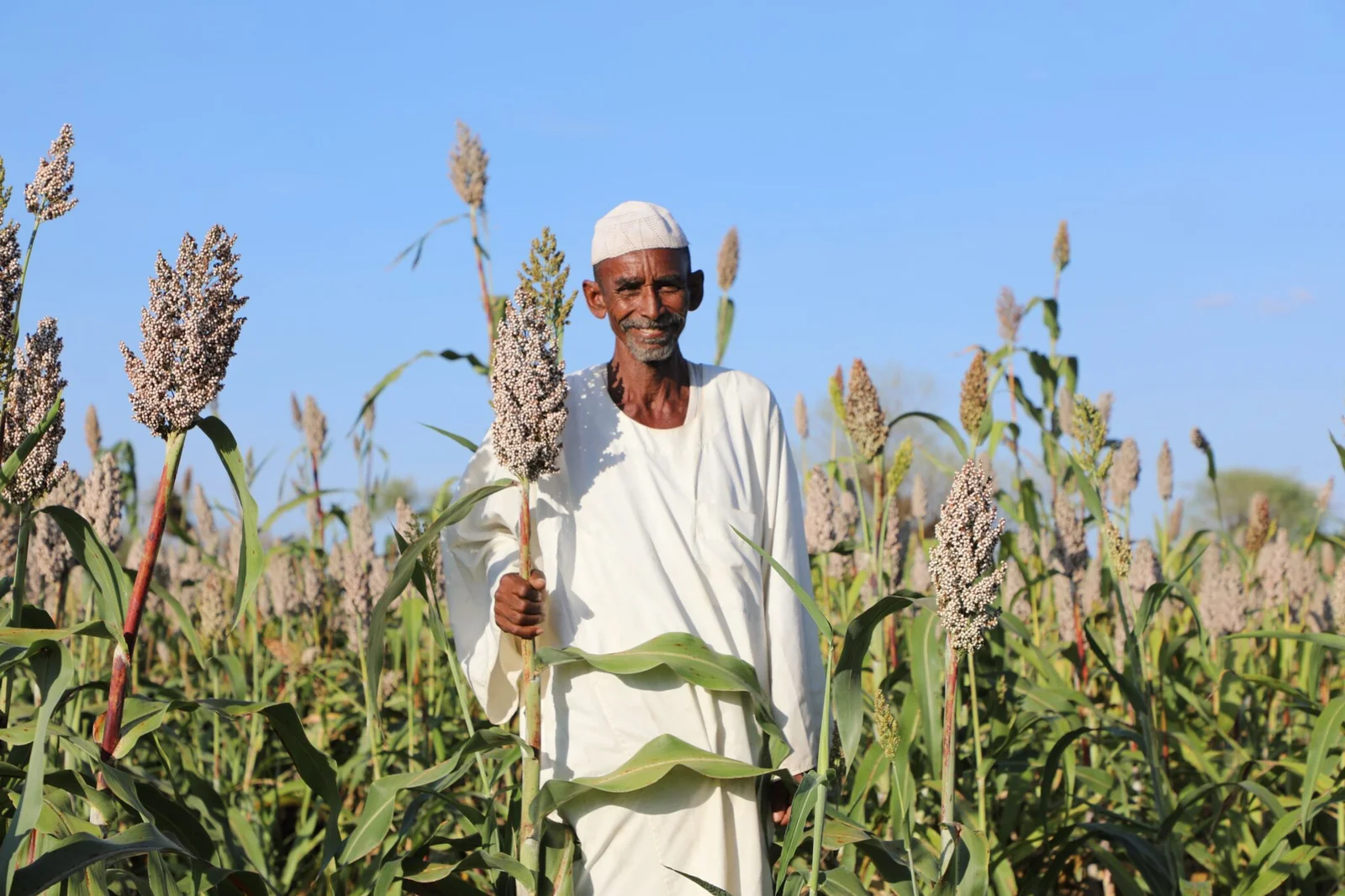
Agricultural seasons between 2023 and 2025 have seen good production and abundant harvests.
Sudan does not anticipate food shortages; while the current agricultural season may experience some decline in specific areas due to prevailing conditions, production continues, as does the cultivation of winter and summer crops in irrigated regions.
Although the war has shifted to the far west of the country, some farmers continue to engage in agricultural activities and cultivate their crops.