
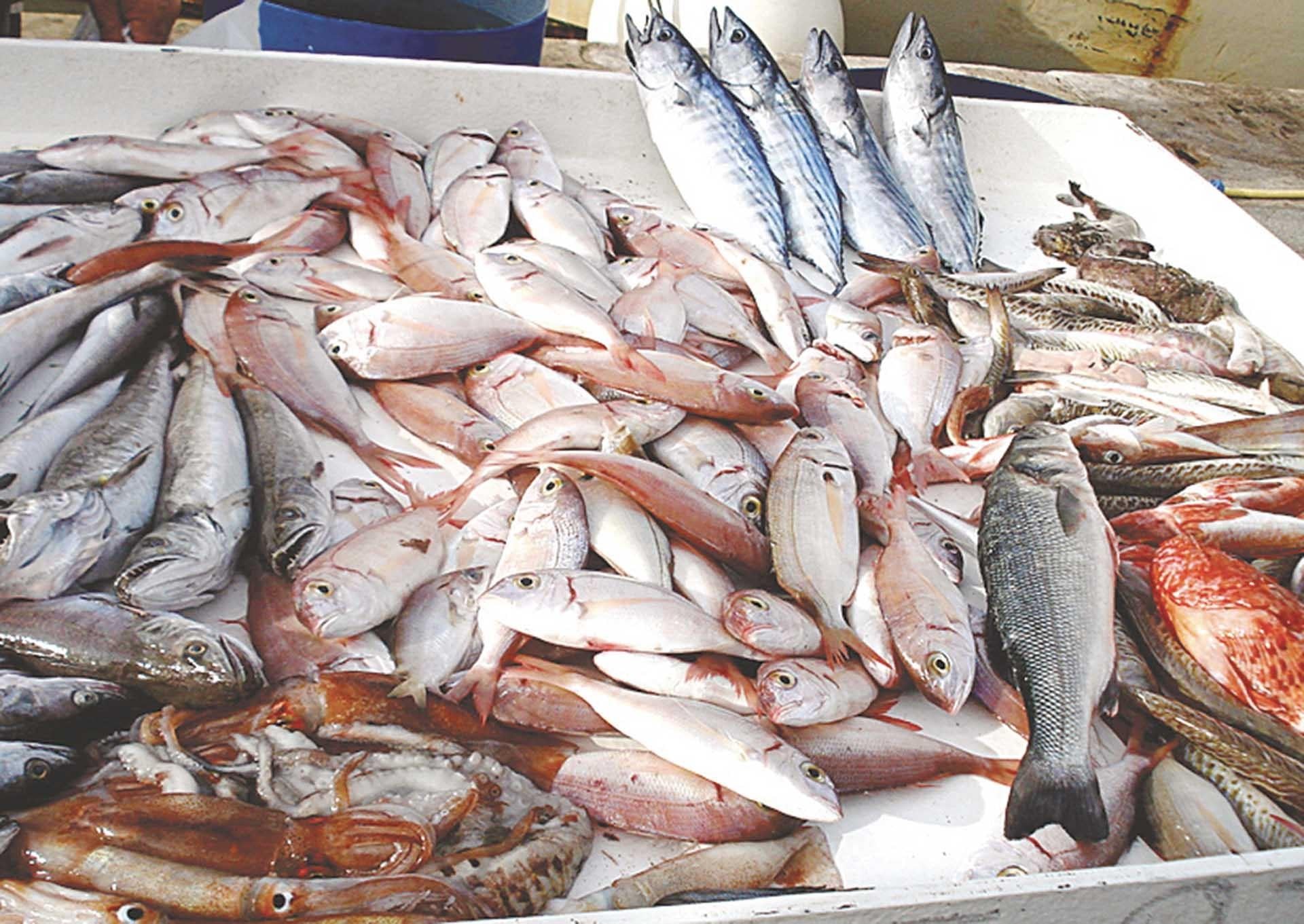
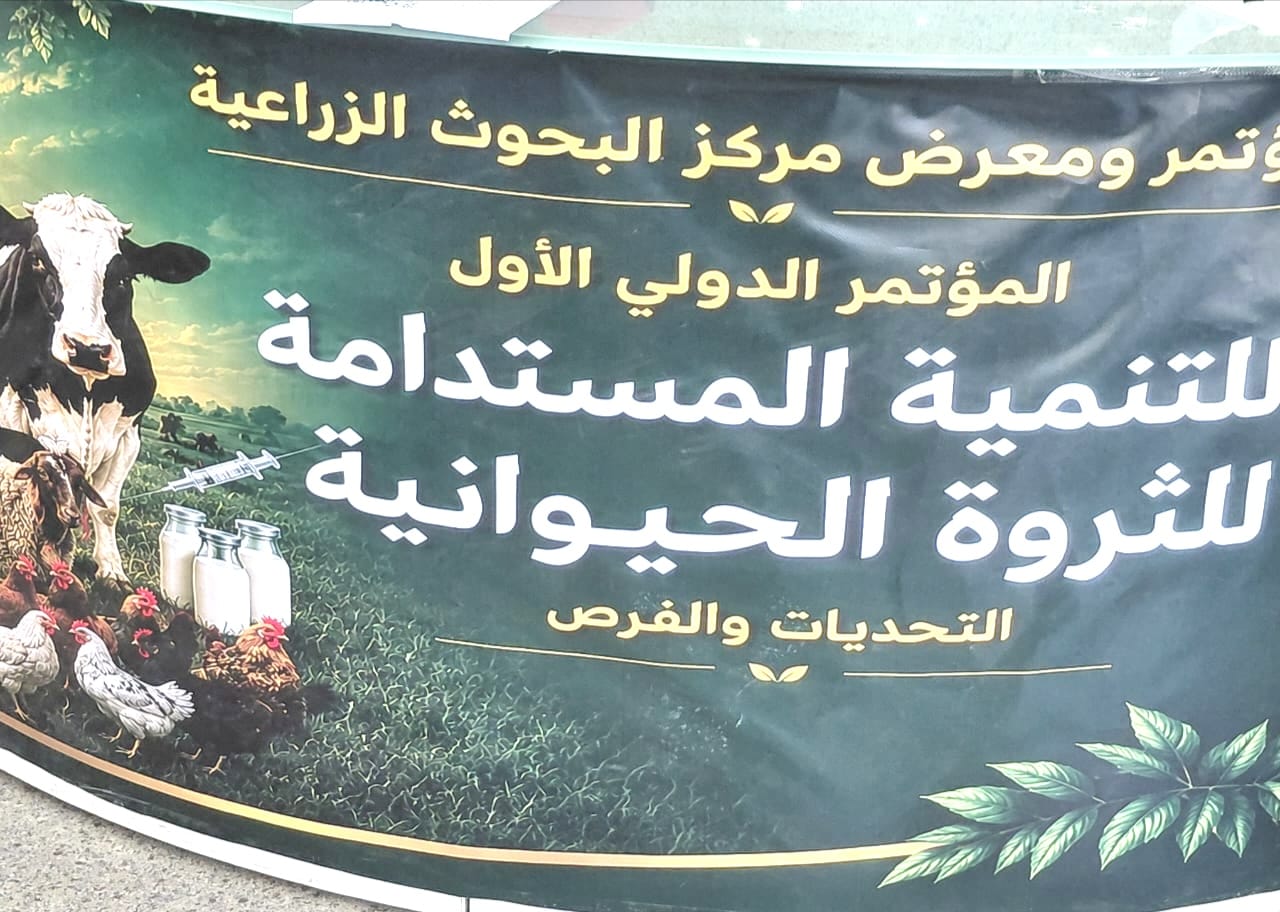
Dr. Mohamed Fathy Mohamed Othman, Professor Emeritus of Fish Nutrition and former Head of the Agricultural Research Center, revealed that prices of fish in Egypt have not actually increased. He identified 15 challenges facing fish production in Egypt, most notably water scarcity, during discussions on the second day of the First International Conference on Sustainable Livestock Development in Cairo.
The conference, which includes an exhibition, began on Monday, July 20, 2026, and concludes tomorrow, Wednesday, with meetings between researchers and businesspeople to explore the possibility of translating research findings into projects.
Othman stated that the rise in fish prices in Egypt is due to the increase in the dollar exchange rate against the Egyptian pound. “The current price, according to the dollar’s value, is equivalent to its price two decades ago, also according to the dollar’s value, because we import feed.”
He added that Egypt holds a leading position in fish production globally, regionally, in Africa, and in the Arab world. However, fish production faces 15 challenges, foremost among them water scarcity. “Yes, the per capita share of water in Egypt has dropped below 500 cubic meters, leading to water scarcity, not water poverty.”
Fish do not consume water; they do not drink it, but they live in it. They require the least amount of water among animal protein sources. A kilogram of red meat requires 15,000 liters, poultry 4,500 liters, and milk 5,000 liters, while producing a kilogram of fish requires only 2,000 liters of water.
Heat stress, a challenge to production of fish in Egypt
The increasing heat is negatively impacting fish in Egypt, exposing them to heat stress. Production requires a specific temperature level; exceeding this level, whether too high or too low, kills the fish, according to Dr. Mohamed Fathi Mohamed Othman.
Read also: Irrigation efficiency improvement project reduces water consumption in Egypt by 30%
High salinity levels are negatively impacting fish species in Egypt, particularly tilapia. Therefore, there is a need to consider other species that can tolerate intermediate salinity levels between fresh and brackish water, such as sea bream.
During the First International Conference on Sustainable Livestock Development, Osman, while discussing the challenges of fish production in Egypt, added that the lack of genetic data tracking for fish species hinders the ability to select the best varieties and improve production.
Investment Volume
Dr. Salah Moselhy, Chairman of the Board of Directors of the Lakes and Fisheries Protection and Development Authority, stated at the conference that investments in fish production in Egypt amount to 99 billion Egyptian pounds, 95% of which comes from the private sector. Most of the production consists of tilapia, reaching 1.05 million tons.
Moselhy noted that the per capita consumption of fish in Egypt is 20 kilograms, a figure close to the global average, which is slightly higher.
Moselhy revealed that Egypt recently opened its doors to fish exports while simultaneously working to increase production.
Poultry industry moves to the desert
During a panel discussion at the First International Conference on Sustainable Livestock Development, titled “The Poultry Industry: Challenges and Solutions,” Dr. Samah Eid Abdel Salam, Director of the Animal Health Research Institute, stated that Egypt has decided to produce poultry in desert regions, and a map of the designated sites is already in place.
Read also: Soil salinity and water scarcity, similar crises in Egypt and the Netherlands
She explained that attracting investment to these areas requires providing the necessary infrastructure to ensure water and energy supplies. She noted that Egypt currently exports some poultry products, such as frozen poultry, to approximately 35 countries, and that small farmers currently receive all services free of charge.
Veal project
During the opening of the conference, organized by the Agricultural Research Center yesterday, Egyptian Minister of Agriculture Alaa Farouk stated that it comes at a crucial time, given the increasing global challenges related to food security, climate change, the spread of transboundary diseases, rising production costs, and global economic challenges.
He emphasized that these challenges necessitate strengthening scientific and research cooperation and developing policies that achieve sustainability and increase productivity.
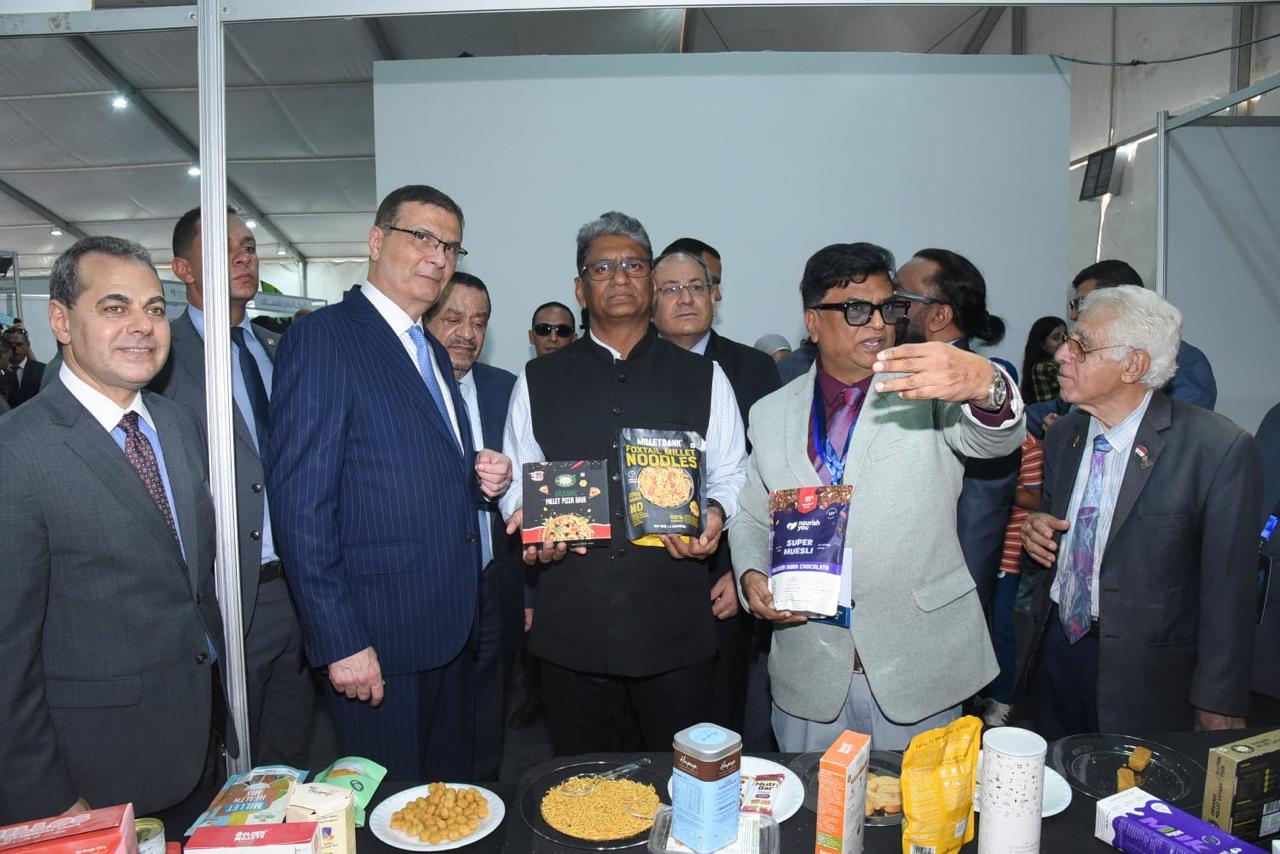
He explained that the Ministry of Agriculture has achieved tangible accomplishments in this sector in recent years, including the National Project for Reviving Calf Production, which received funding exceeding 11.2 billion Egyptian pounds and benefited more than 46,000 livestock breeders with a total of approximately 539,000 head of cattle. This contributed to increasing the supply of red meat and improving breeders’ incomes.