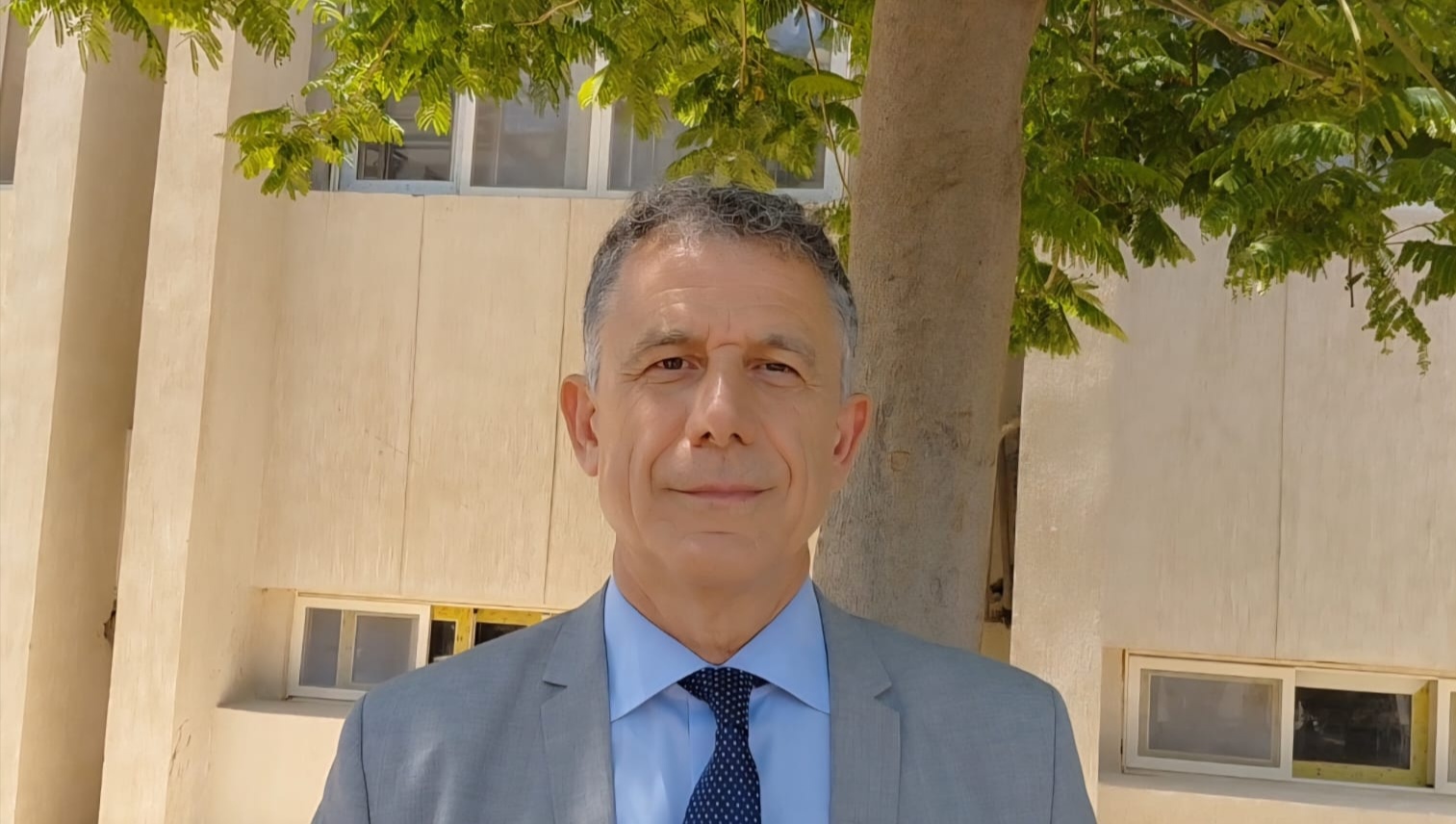
Attention in the food value chain is usually focused on the farmer, even though demand is what drives the growth of this chain. Therefore, there is a fact that many may not realize: “The mouth is what guides us in developing the food value chain,” according to Tiberio Chiari, Head of the Cairo Office of the Italian Agency for Development Cooperation.
Chiari added that demand and the consumer in any sector drive that sector’s value chain.
Chiari explained his viewpoint to “Food & Climate” on the sidelines of the opening ceremony of the Tomato Value Chain Education and Service Center (TLSC) at the Faculty of Agriculture, Alexandria University, on June 4, 2026, in the following interview:
What do you mean by “the mouth is guding in developing the food value chain”?
We think about the farmers and the field and how to support them, so we provide them with inputs, more seeds, and fertilizers, under the influence of the belief that we are working on developing the food value chain. But the reality is that any value chain is driven by demand.
Demand in the agricultural sector comes from people—our consumers, our families, and our children.
Therefore, I believe that the consumer’s taste sets the guidelines for developing the food value chain.
Read also: COMESA: Food security in Africa struggles with traditional agriculture and climate change (Interview)
“When food is good, there will be demand for it. If children enjoy fries, pizza, pasta, and koshari, these are the starting points for developing the food value chain.”
What I mean is that it begins with the consumer, then we go back to the field to diversify and select according to what the consumer demands. In other words, the process goes “from the plate to the field.”
This is the reality of the food value chain, and it’s not a new concept.
Do you think the food value chain in Egypt and Africa is weak?
Yes, it is.
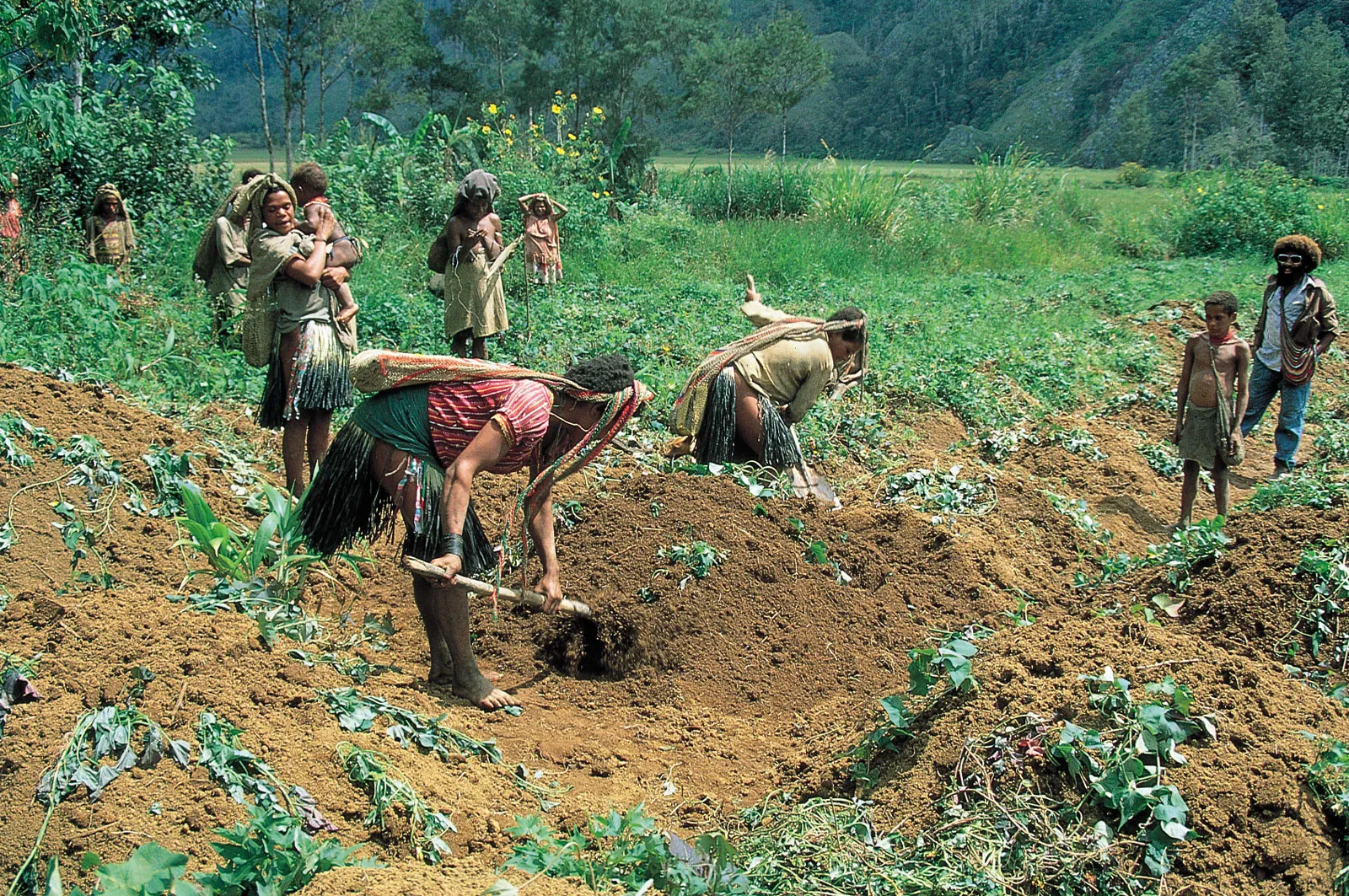
The key point is that every country is changing, and each is working to raise the standard of living for its citizens. In cities, we see new social classes, such as the middle class. These classes demand different types of products, characterized by several features, including a longer shelf life and year-round availability.
This demand comes from urban residents, while farmers produce for themselves and according to their needs. If these two groups remain separate and do not integrate for large-scale production, the food value chain and the ability to meet all demand will be affected.
A factory like this tomato processing center provides the commodity that housewives need in a sustainable, accessible, stable, and longer-lasting way, thus enabling all farmers to work according to demand.
If we succeed in this, we will be able to stabilize the supply of goods and their prices.
Read also: What is the story of Amalfi lemon in Italy and the “flying farmers”?
The fragility of the value chain causes farmers to lose out during harvest time, as markets become saturated, driving down prices. Therefore, having factories and various processing facilities protects farmers.
Why did the agency support the tomato processing center project in Egypt?
Italy possesses vast knowledge and Knowhow related to the tomato industry, and the tomato value chain is linked to the entire food sector.
In Egypt, transferring this knowledge strengthens our partnership and helps Egyptians improve the economics of tomato production.
Do you support other agricultural projects in Egypt?
Yes; We support several agricultural projects in Egypt, such as date production in the Siwa Oasis.
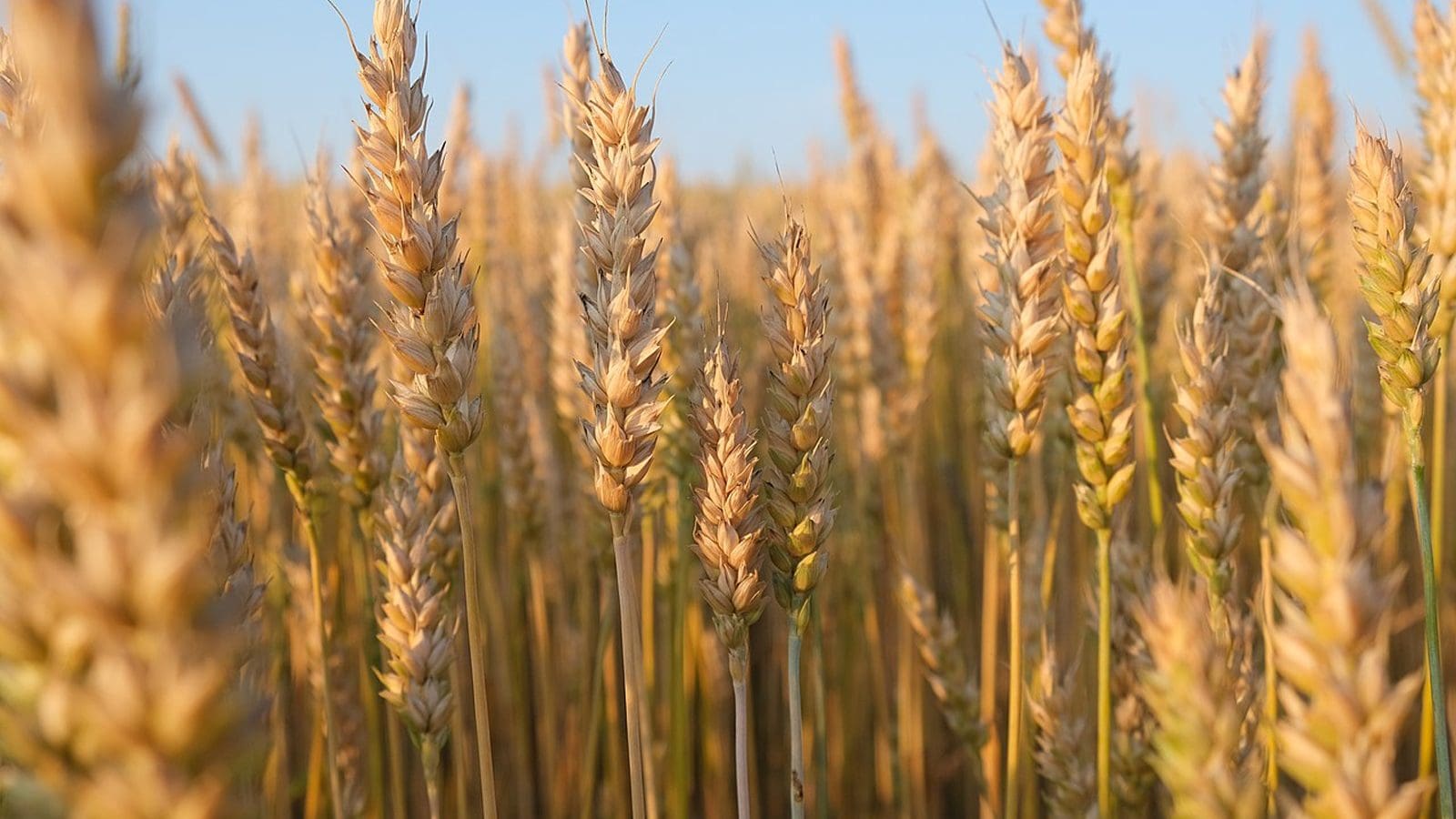
We also support a wheat project, which began about two years ago.
The region is currently suffering from the Iran War and fertilizer shortages. Does the agency support any fertilizer projects?
We have a project called “Green Grow,” which focuses on regenerative agriculture. This type of agriculture doesn’t rely on external inputs but utilizes various methods, such as using crop residues to naturally fertilize the soil.
This isn’t a short-term solution, but it does enhance the resilience of the agricultural sector.
Read also: Indonesian palm oil, how Iran war reshaping Industry and Agriculture
During war, you lose access to chemical fertilizers, and farmers are forced to drastically reduce production. However, solutions like this provide a mechanism to help protect markets from such disruptions.
Climate change in Italy and Egypt: what do we have in common?
The climate change crisis is a dramatic reality, and no one has a cure. What we can do is adapt and mitigate its effects. In the agricultural sector, we need to improve resilience through various means, such as changing farming practices. This aims to help farmers cope with this change, but climate change is so vast that we cannot deal with it with specific solutions, because it is impossible to confront it completely, but we can reduce its impact on farmers, and produce crops that are more resilient.