
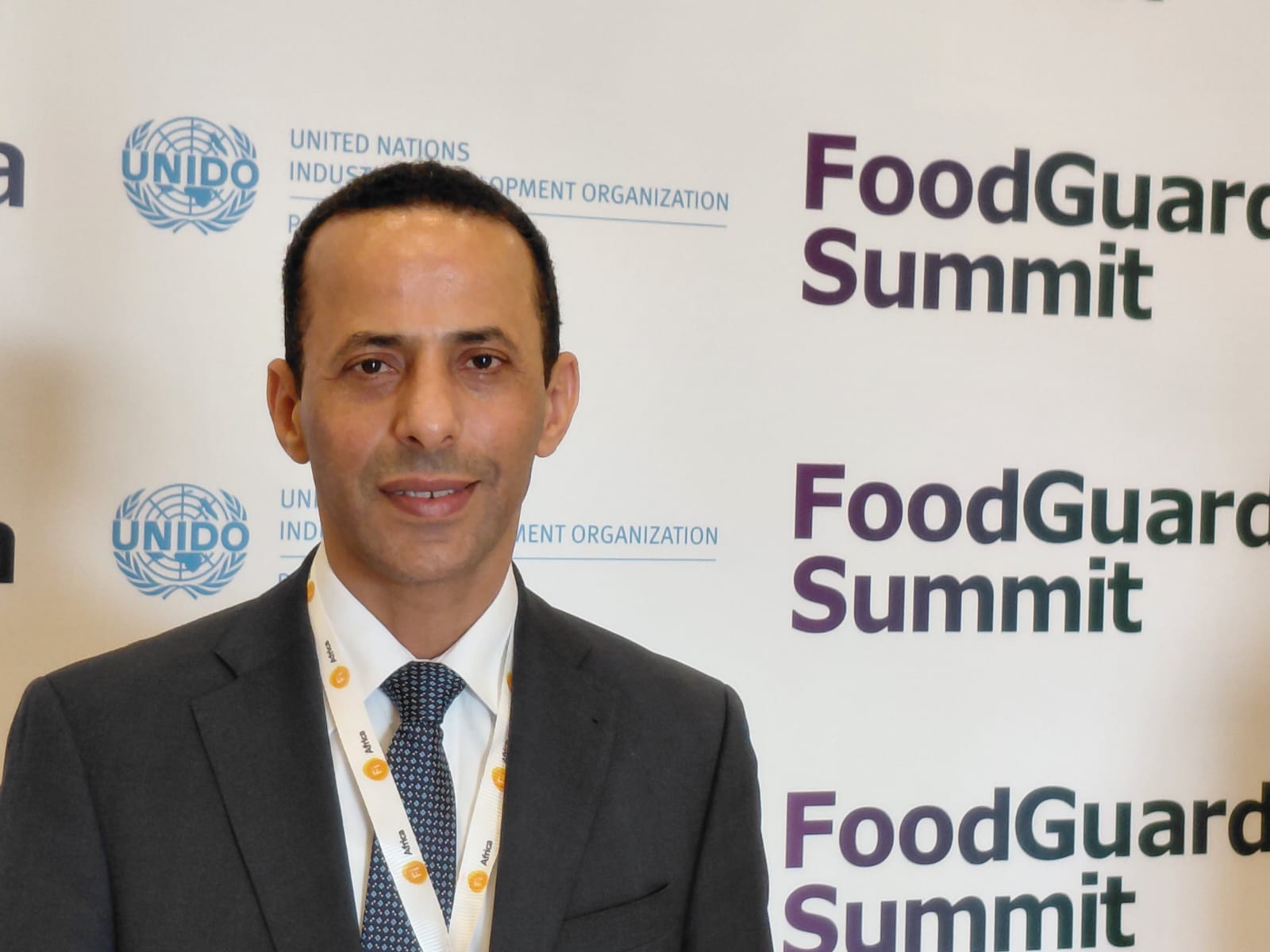
Traditional agriculture is one of the problems causing food security crises in Africa, as it is limited to producing only enough for the farmer’s own consumption or that of the small community surrounding him. Climate change is an additional contributing factor to the crisis, according to Dr. Mohamed Kadah, Assistant Secretary-General for Programs at COMESA (Common Market for Eastern and Southern Africa).
Kadah believes that the African continent possesses enormous agricultural resources that qualify it to achieve a leap in food production, but it still faces obstacles related to financing, infrastructure, and the absence of a value chain system.
In an interview with Food & Climate, on the sidelines of the FoodGuard Summit held in Cairo on Tuesday, June 2, 2026, he explained that COMESA has a large number of projects in the areas of building value chains for agricultural and food products, in cooperation with international organizations such as the United Nations Industrial Development Organization (UNIDO) and the International Trade Centre, in addition to projects supported by the European Union. The following is the text of the interview:
How is COMESA working to address the food security crisis in Africa?
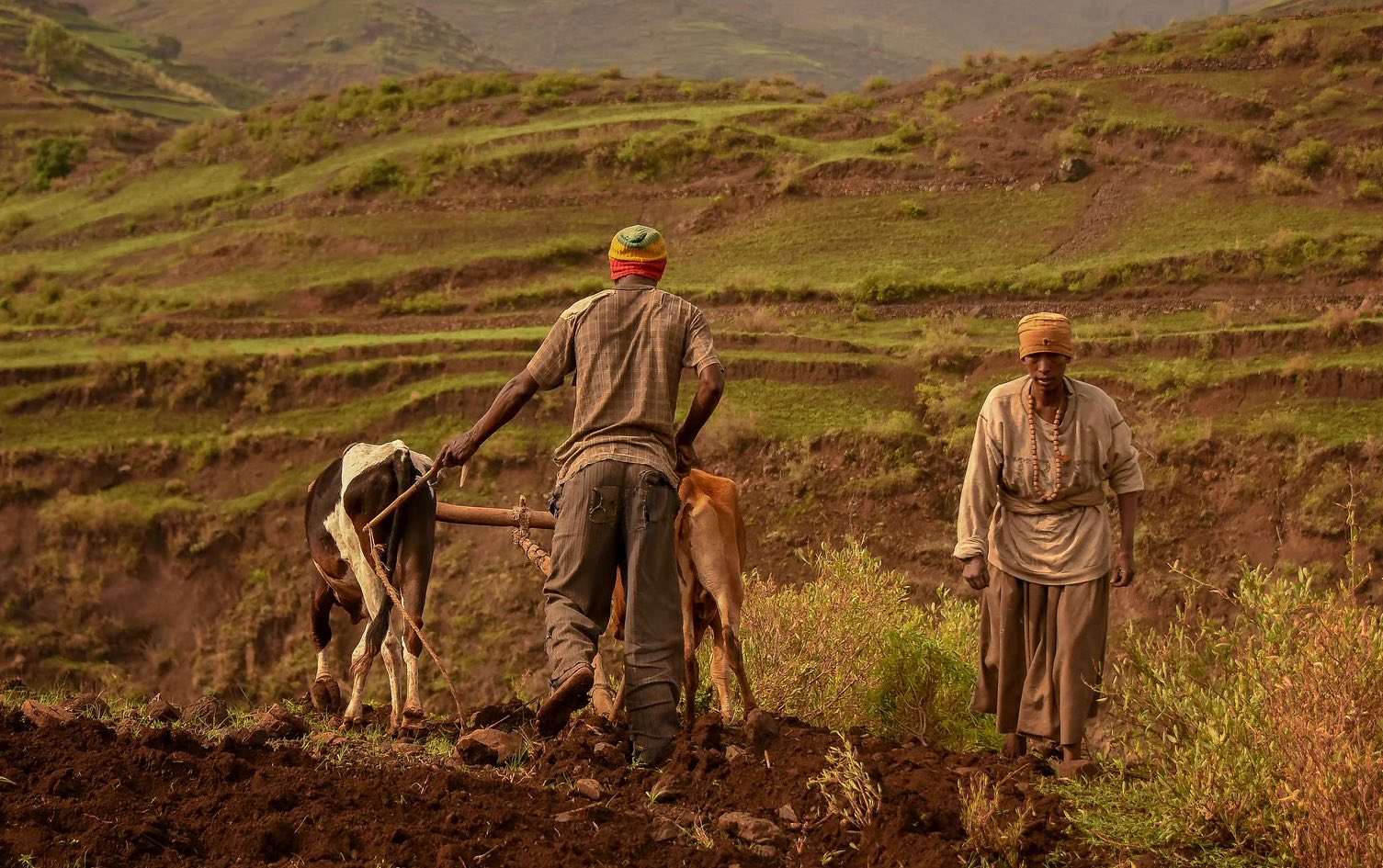
Agriculture and food security in Africa are among our top priorities, especially as they are directly linked to the problem of food loss and waste. Achieving food security in Africa is impossible while traditional farming practices persist, producing only enough for the farmer and their family to consume, or for sale within their limited local community.
Read also: The Director of African CEO Forum: current fertilizer crisis a wake-up call for African producers (Exclusive)
Often, surplus produce is lost due to a lack of proper storage, transportation, and refrigeration. This is one of the biggest challenges facing many African countries.
Which countries in Africa face this problem most?
Countries like South Sudan and some remote areas of Ethiopia, where populations can experience periods of hunger or famine between harvest seasons.
Other countries suffer due to war, such as Sudan. Despite possessing relatively good potential and resources, ongoing conflicts significantly impact its production capacity.
How is COMESA working to address these challenges?
We focus on building an integrated system encompassing investment, infrastructure, and energy, because achieving economies of scale in the agricultural sector requires the availability of all these elements. Through various programs and diverse development partnerships, we work to support African countries in developing supply chains and improving production, storage, and marketing processes.
Does COMESA provide direct funding, and what are the most prominent projects you are currently working on?
COMESA does not provide funding from its own resources. Instead, it relies on development partners who provide the necessary financing to implement various programs and projects in member states.
We have a large number of projects in the areas of building value chains for agricultural and food products. We have completed a project that took approximately five years, and we are currently working on launching a new project in cooperation with international organizations such as the United Nations Industrial Development Organization (UNIDO) and the International Trade Centre, in addition to projects supported by the European Union.
These programs focus on agro-processing and converting raw materials into value-added products, such as dairy and canned food products.
What is the current impact of the food security crisis in Africa?
The African continent has the largest number of food-insecure people in the world, and these numbers have been increasing in recent years. Several factors have exacerbated the crisis, including the COVID-19 pandemic, the Russian-Ukrainian war and its resulting disruptions to food and fertilizer markets, and recent geopolitical crises (such as the US-Israeli war against Iran) which have impacted commodity and energy prices.
Read also: At COP30, African frustration over inadequate funding for TFFF
The impacts are enormous, affecting millions of people, especially children, the elderly, and the most vulnerable groups. Food security is not just about food availability; it is also linked to nutrition, public health, and social stability.
How does climate change affect agriculture in African countries?
Most agriculture in Africa relies on rainfall rather than modern, sustainable irrigation systems. The number of countries with advanced irrigation systems remains limited, and Egypt is among the few countries that rely on permanent irrigation. Therefore, droughts or floods can lead to significant losses in agricultural production.
Are there any clear examples of the impact of climate change on agriculture?
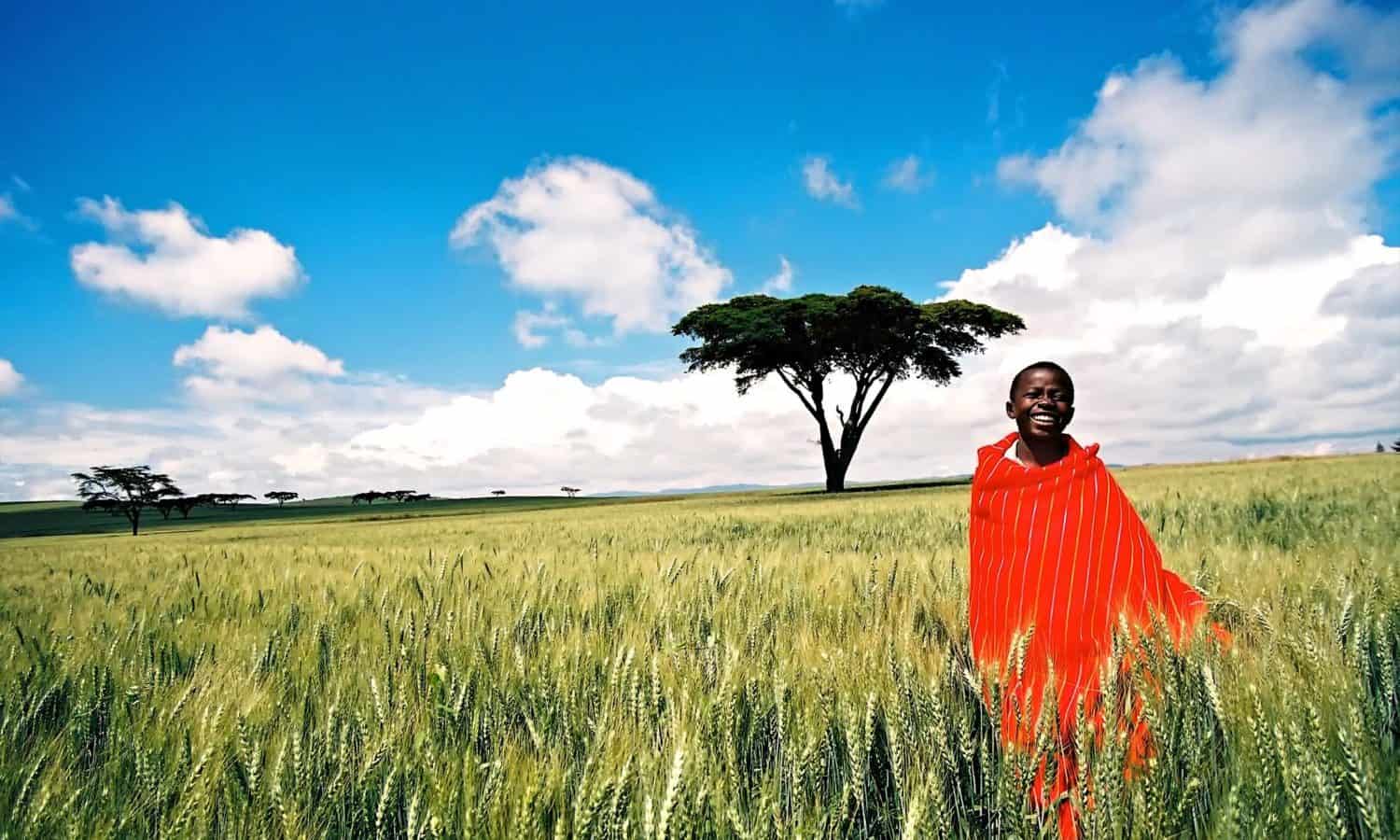
Two years ago, Zambia experienced a sharp decline in the production of its staple food crop, maize, due to a severe drought. Malawi faced the same problem, and Kenya was hit by floods that impacted agricultural production. The El Niño weather phenomenon also affected several countries, including Madagascar, Mauritius, Kenya, and Zambia.
How can the agricultural sector adapt to these changes?
Adapting to climate change has become a necessity, not an option. Therefore, we are working to support climate-resilient agriculture by encouraging the use of drought-resistant seeds and improving farming and production techniques to take climate considerations into account and mitigate future risks.
Are you working to provide financing for agriculture in Africa?
Financing is the primary challenge. Africa possesses vast agricultural resources, including fertile land and abundant water in large parts of the continent. However, agriculture is not solely dependent on soil and water. Therefore, expanding agricultural investment has become essential, especially since the African continent remains a net importer of food, and a large number of people suffer from hunger and food insecurity.