
A project in Egypt aimed at improving irrigation efficiency has successfully reduced water consumption by 30%, as well as fuel consumption, by converting the irrigation of sugarcane and other crops to drip irrigation and solar power.
The project, titled “Modernizing Irrigation Technologies to Improve the Livelihoods of Smallholder Farmers in Upper Egypt,” is being implemented in partnership between the Food and Agriculture Organization (FAO) and the Ministries of Water Resources and Irrigation, and Agriculture and Land Reclamation, with funding from the Dutch government, according to a statement received by Food & Climate on Wednesday, May 20, 2026.
The Dutch government’s funding for the project of irrigation efficiency amounts to approximately €12 million (US$13.92 million).
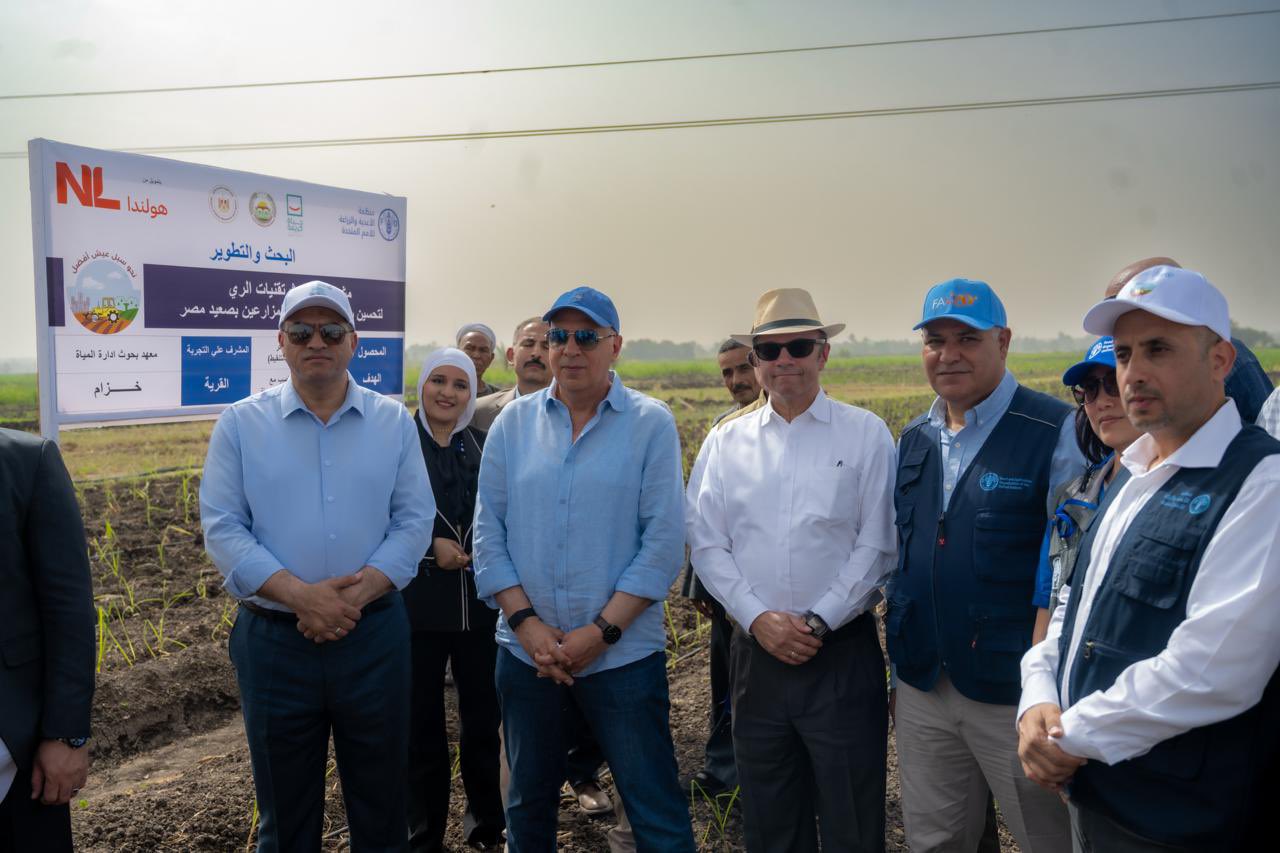
The statement noted a visit by a high-level delegation to the project in Qena Governorate yesterday. The delegation included Hani Sweilem, Minister of Water Resources and Irrigation; Major General Mustafa El-Biblawi, Governor of Qena; Abdel Hakim El-Waer, Assistant Director-General of the Food and Agriculture Organization of the United Nations (FAO) and Regional Representative for the Near East and North Africa; and Ernesto Bram, Head of the Economic Affairs and Development Cooperation Section at the Dutch Embassy in Egypt.
Irrigation efficiency and reduced water consumption is key objective
The project aims to enhance water use efficiency, increase agricultural productivity, and strengthen the resilience of smallholder farmers by introducing modern irrigation systems, implementing improved agricultural practices, and providing comprehensive support to value chains to ensure inclusivity.
The project has successfully reduced irrigation water consumption per season by approximately 20-30%.
The project, implemented across three governorates in Upper Egypt—Assiut, Sohag, and Qena—has achieved significant savings on several fronts, including:
Reducing irrigation time by 8–13 hours
Reducing fuel consumption by 30–35 liters per feddan
Reducing fertilizer use by 50 kilograms per feddan
The economic and environmental results are summarized as follows:
Reducing production costs by 7%
Increasing productivity per feddan by 29%
Reducing water use by 27%
Reducing irrigation costs by 33%
Reducing post-harvest losses by 10%
Workforce development through:
Training 606 beneficiaries in modern irrigation systems and technologies
Establishing 196 farmer field schools, 20 of which focused on healthy nutrition. Approximately 4,580 people, including 1,198 women, have benefited from these farmer field schools.
268 facilitators for farmer field schools (including 103 women) were trained in climate-smart farming practices, including modern irrigation systems such as drip irrigation.
104 beneficiaries (including 50 women) received training in agricultural entrepreneurship to improve production and marketing planning and increase income.
180 beneficiaries (including 172 women) were trained in adding value to horticultural products.
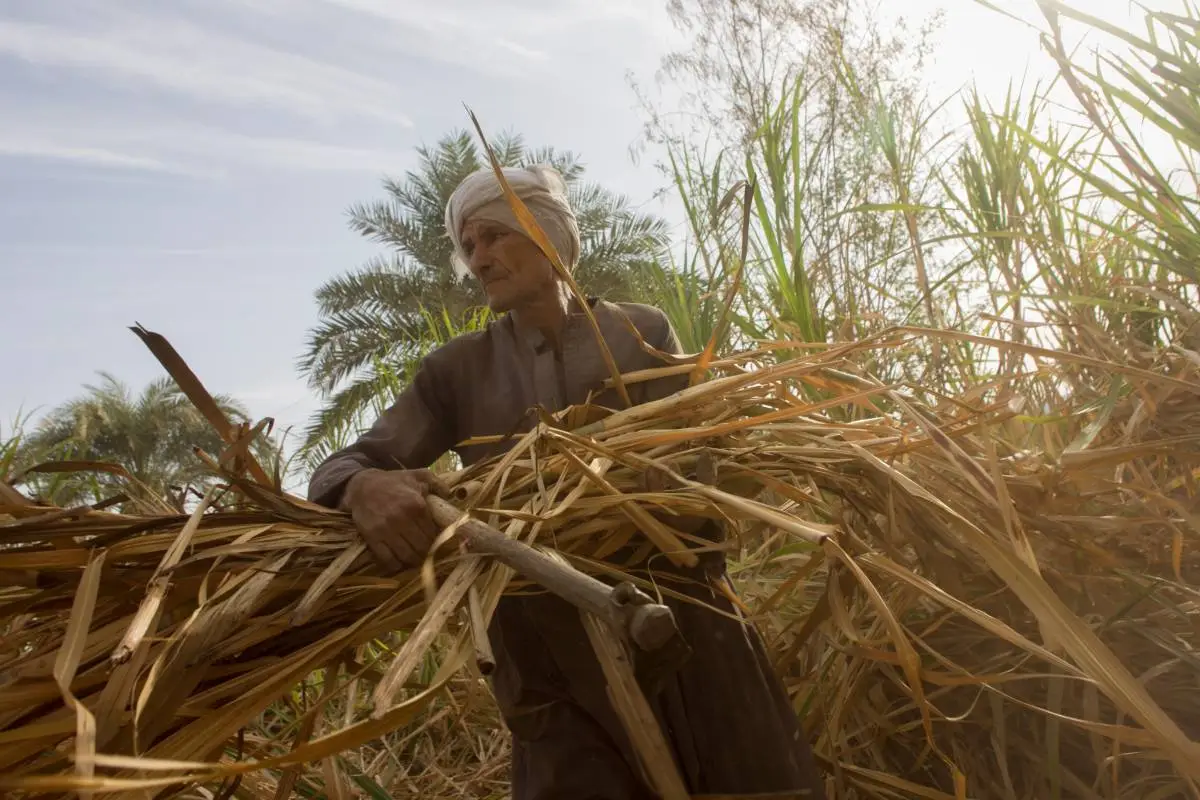
49 farmers and young people (including 7 women) were trained in sugarcane seedling production and cultivation.
24 field visits were conducted for research and development activities, benefiting 622 individuals, aimed at developing the capacities of farmers, youth, women, and agricultural professionals.
The project has so far completed the conversion of 139 feddans in Qena Governorate to solar-powered drip irrigation systems, while preparations are underway to implement similar systems on an additional 661 feddans across the three governorates.
Project visit details
The visit began with a meeting with the Governor of Qena, during which Abdel Hakim El-Waer reviewed the project’s implementation mechanism.
This includes establishing a modern, solar-powered irrigation network on the Khuzam Canal in Qus and the Bahij Canal in Al-Waqf district, covering an area of 440 feddans in Qena. The aim is to improve water use efficiency and increase agricultural productivity.
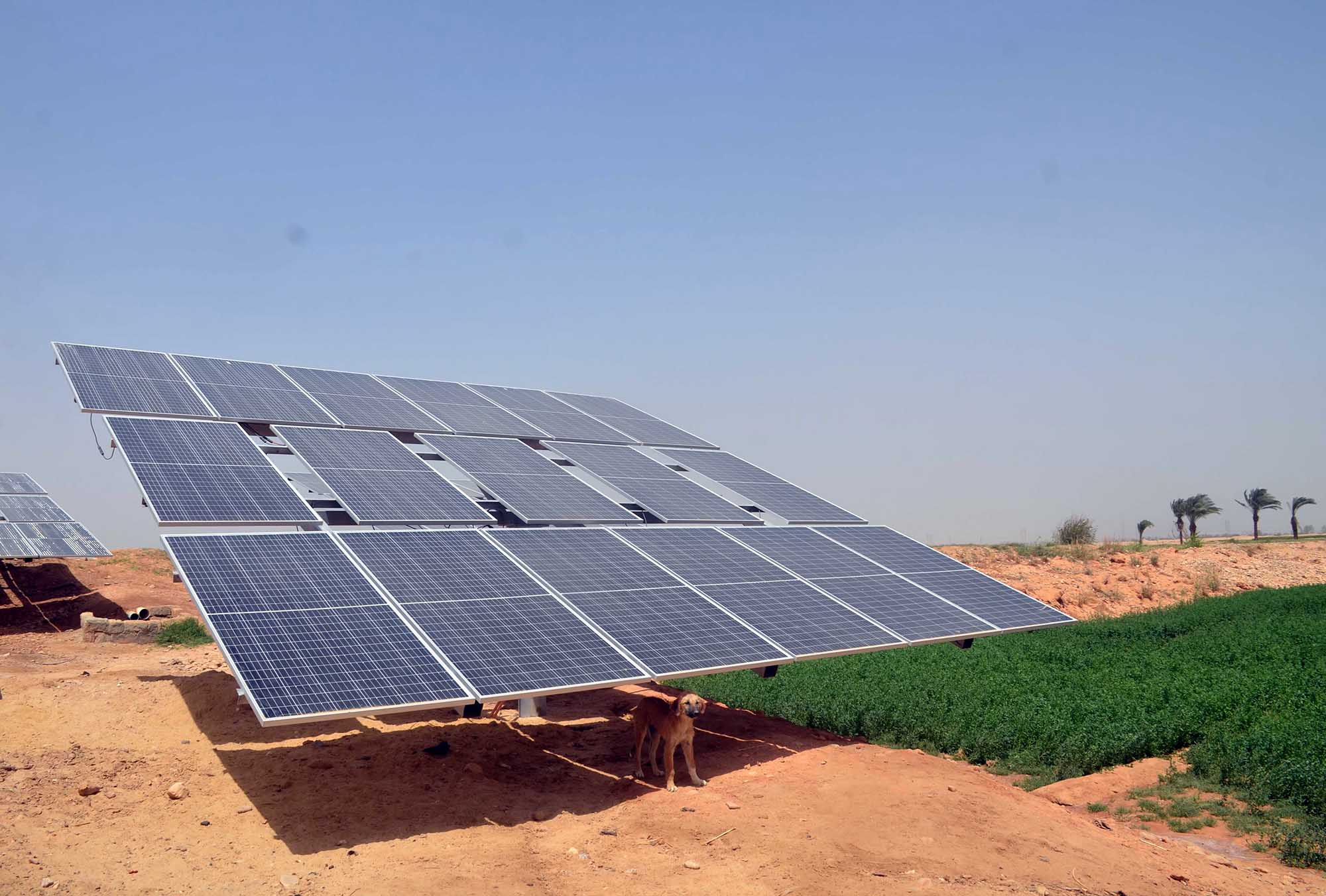
The high-level delegation inspected the solar-powered irrigation pumping station equipped with a drip irrigation system for sugarcane seedlings in the village of Khuzam, Qus district. Saad El-Hawasli, the project manager, explained that the project covers an area of 212 feddans, with 139 feddans currently being irrigated via three pumping stations.
Read also: Minister: Egypt will not allow Ethiopia to build new dams on the Nile River (Exclusive)
The project focuses on improving irrigation efficiency and transitioning from traditional methods to modern systems based on consolidating agricultural holdings and implementing advanced irrigation techniques. This will contribute to increased production and improved livelihoods.