
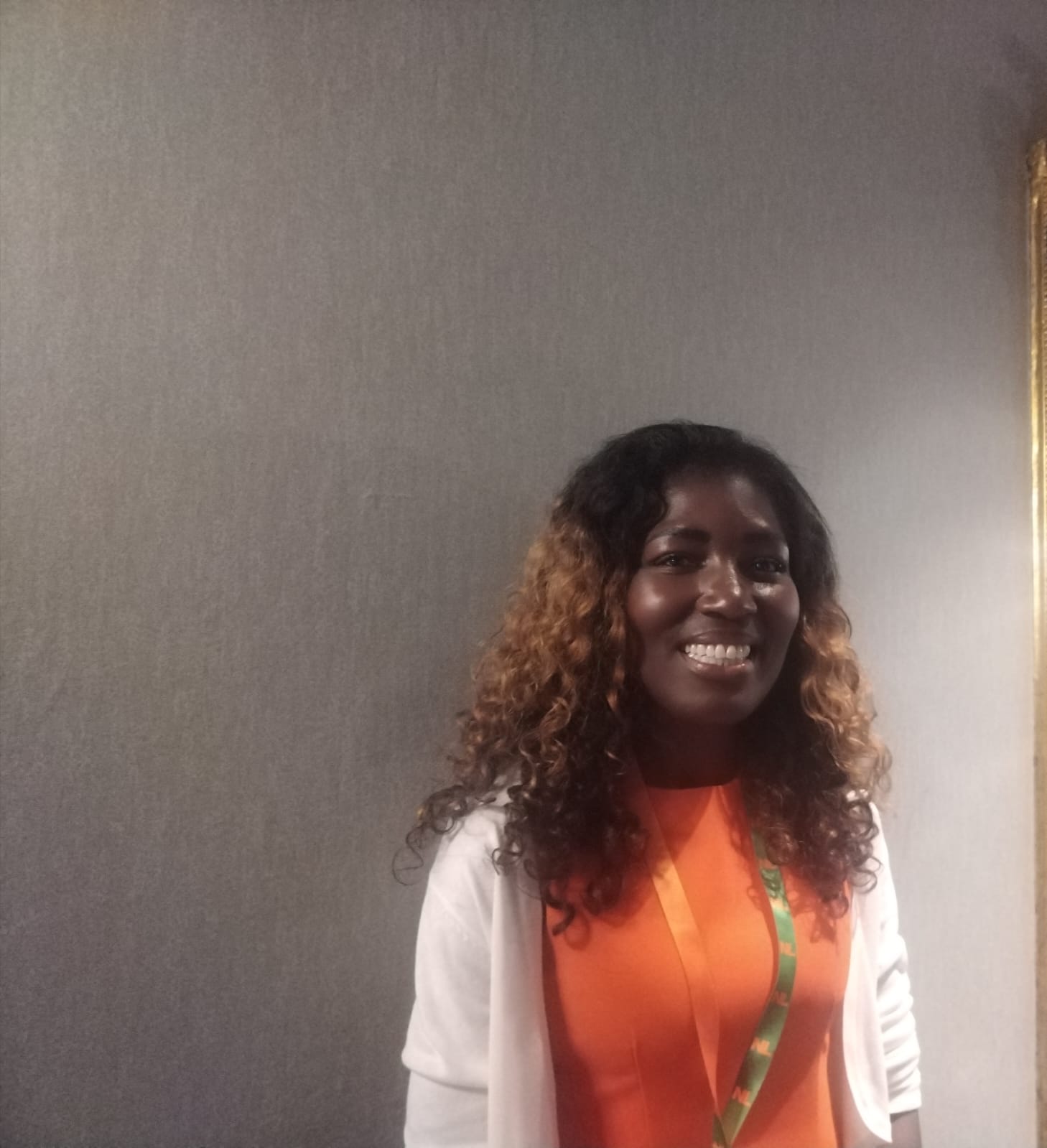
Nuria Vlonkg-Cunha Soares, Managing Director of the Netherlands-African Business Council (NABC), believes that protectionist policies are necessary in Africa, including import bans, to enable local agricultural and industrial production to grow.
She told Food & Climate that African companies import large quantities of goods, which threatens local agricultural and industrial production in the continent’s countries, especially in the early stages of development. She advised implementing such measures gradually.
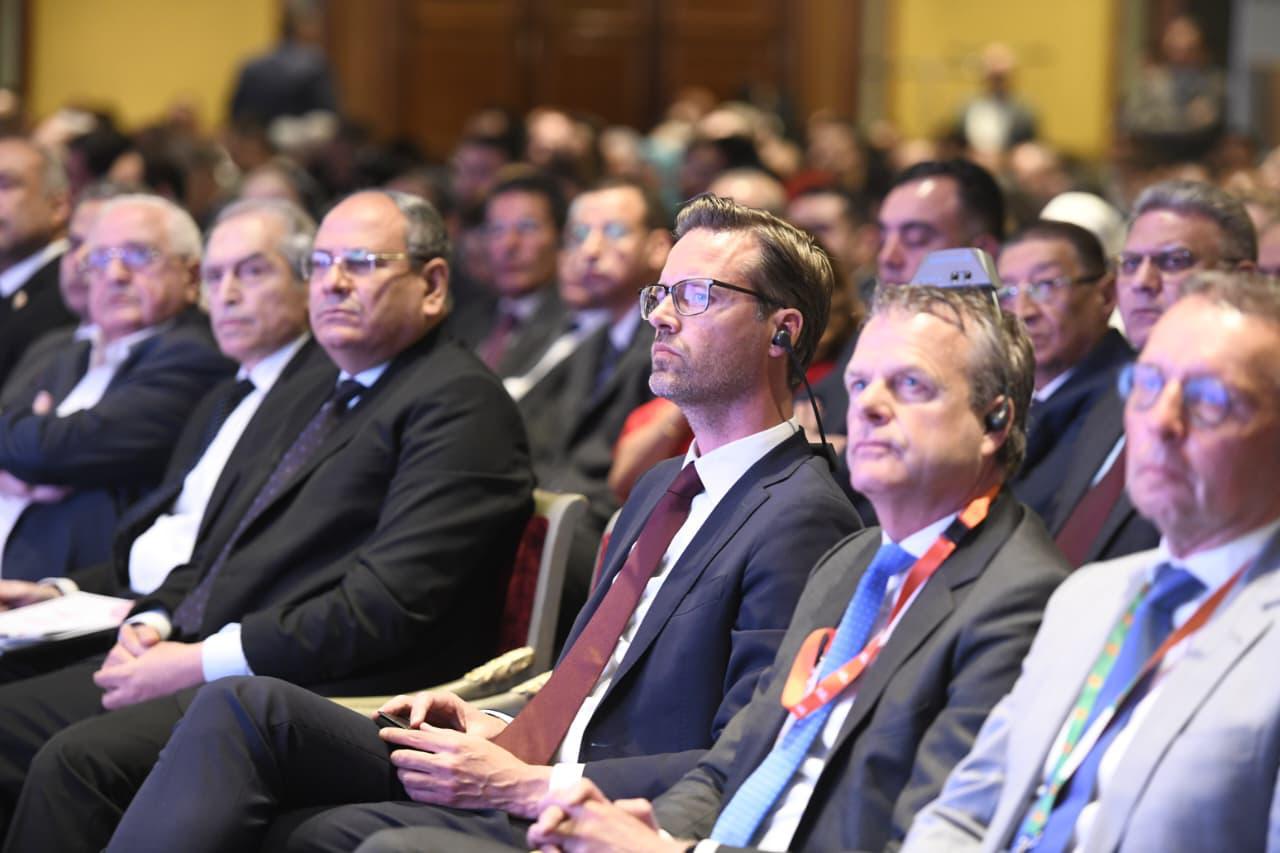
Food & Climate conducted an interview with Soares on the sidelines of the Egyptian-Dutch Agriculture Conference, which was recently held in Cairo. The following is the text of the interview:
Could you begin by defining the NABC?
The Council began its work 80 years ago, aiming to connect the Dutch and African private sectors. It currently has 200 members, and this doesn’t mean that partnerships between the two sides exclude public companies, especially since the Council has a research center and a university. Ultimately, the primary goal is business development.
The Council works to showcase the opportunities offered by many African countries, including Egypt, in terms of trade and investment. Therefore, one of the most important areas for our members is agriculture.
This includes farming, agricultural product trade, fisheries, poultry, horticulture, as well as water and climate-smart agriculture.
Does the Council focus on investment or trade?
Previously, Dutch and African companies focused on trade, but currently there is a growing trend towards investment by Dutch companies, especially in densely populated countries like Egypt, Nigeria, and Ethiopia.
I think one of the things that has made Dutch companies more aware of the importance of investment is, for example, the war in Ukraine. This isn’t just about the Netherlands; many countries are striving to strengthen their value chains by producing food locally for their populations. It’s also about food security, “and this is a completely new agenda.”
But our countries in Africa still face numerous challenges in food and energy production. How do companies address this?
I think one of the most important things is appropriate government policies that ensure a favorable business environment and promote gradual growth. You can’t do everything at once; it won’t work.
What I mean by policies is protectionist policies. Many African companies import products, and keeping the local market wide open to all imported goods will lead to local companies failing to grow because they can’t compete with imported goods within their own borders.
Do you mean banning imports to protect domestic production?
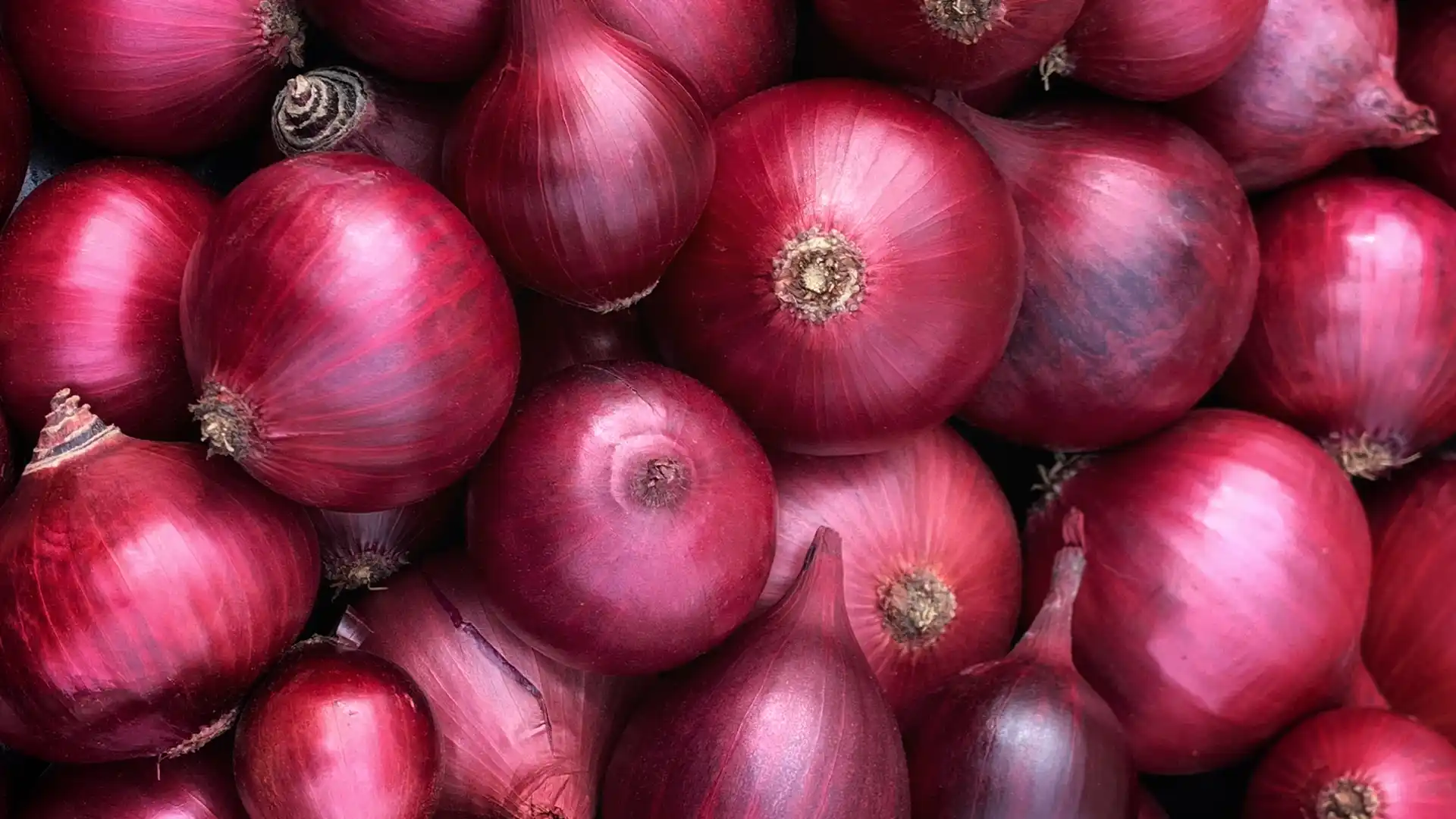
Yes, because if you keep the market completely open, your companies won’t be able to grow to compete with Dutch companies as a nation. But countries shouldn’t impose import restrictions all at once. A good example is in Senegal. Regarding onions, at certain times last year, the country closed its borders to onion imports from the Dutch market, which was exporting large quantities, in order to protect its domestic production and farmers.
Read also: Soil salinity and water scarcity, similar crises in Egypt and the Netherlands
Senegal did the same with poultry, banning imports of live or frozen birds at certain times.
But the experience of protecting local products in some countries has led to a decline in adherence to quality standards, as it guarantees the sale of their output?
Therefore, I believe this should be implemented gradually, sector by sector. It’s also essential to consider each sector a country wishes to develop using a value chain approach, involving all stakeholders in development, including scientific research. Initially, protection from imported goods should be prioritized.
This is precisely where Dutch companies can provide support, as many of our members not only export or invest but also bring knowledge.
We have some companies here seeking distributors, so they are not only exporting but also looking for local talent to grow within the country.
These companies are also present in Saudi Arabia, which opens up numerous markets. Therefore, we at the Council not only serve Dutch companies but also support South-South cooperation. There are many Dutch companies based here, as well as Egyptian companies that want to re-export to other African countries. We have this network, so we’re not just focusing on Egypt, but also on many other East African countries, which opens up many other possibilities.
The Iran war caused a fertilizer crisis not only in Africa, but worldwide. Are Dutch companies investing in this sector?
We have many companies in the fertilizer sector. But we also have a considerable number in our network that export. Of course, demand is much higher than these companies’ production capacity.
There are companies in Africa that already export from north to south. “It’s really about knowing these connections, knowing these people, and that’s an area where we as a business council can certainly play a role.”
There is also less expensive Dutch financing available through Invest International, which supports Dutch companies and their affiliates when other funding is unavailable.