

The repercussions of the Iran war have reached small Australian supermarkets, which are facing increasing pressure to maintain stable food prices by not passing on the additional costs to consumers, at a time when the cost of stocking shelves continues to rise.
According to a report seen by Food & Climate, increases in fuel and fertilizer prices, resulting from trade disruptions in the Middle East, have affected farmers and suppliers, who in turn have passed these increases on to retailers.
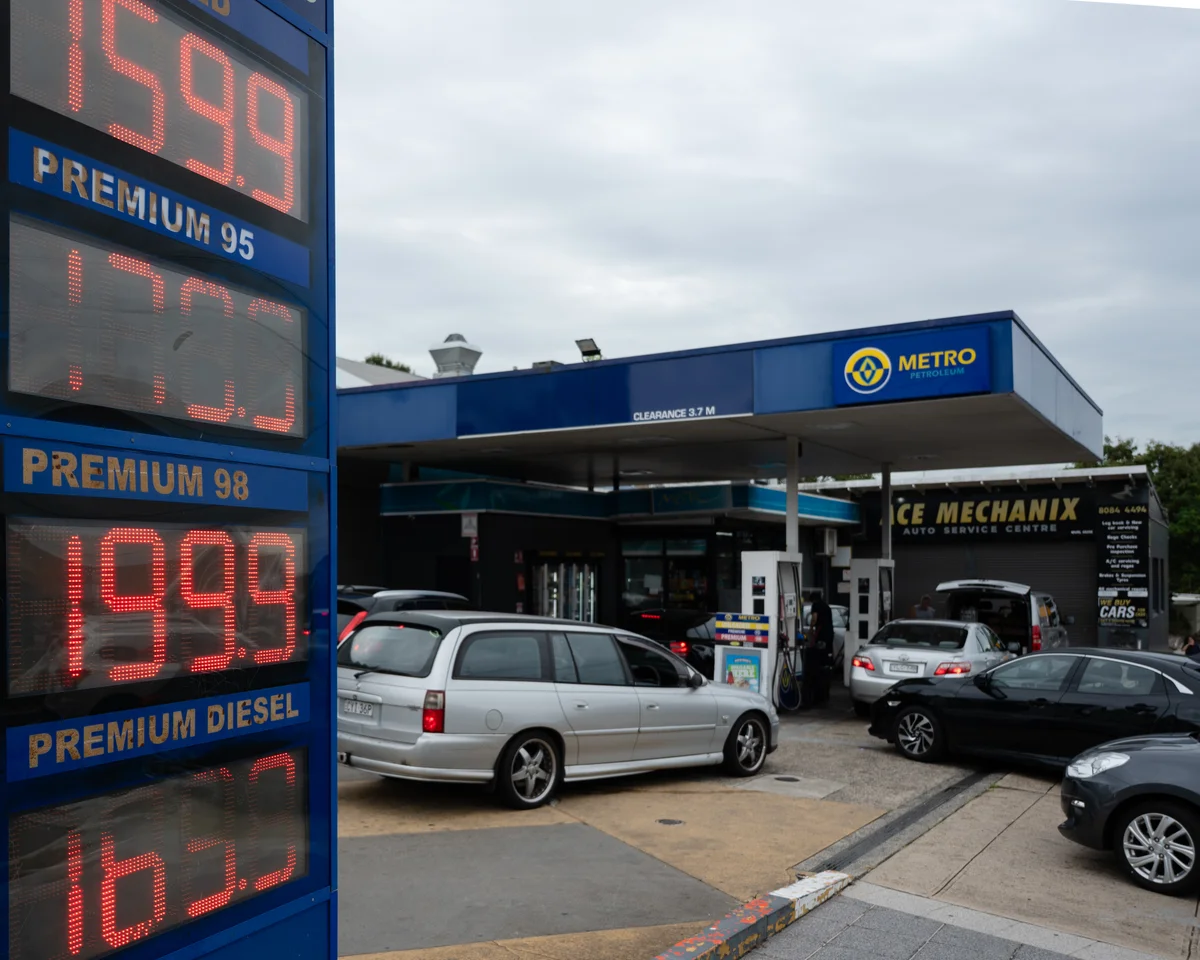
Despite these ongoing price hikes, small Australian supermarket owners have opted to reduce their profit margins rather than pass on the increased costs to consumers.
Since the outbreak of the war and the resulting global maritime disruptions due to the closure of the Strait of Hormuz, prices have experienced a series of increases, particularly with oil prices reaching levels close to $120 before partially declining as tensions eased.
Disruptions in the Strait of Hormuz have also delayed the transport of goods, doubling shipping costs and prompting major shipping companies to raise risk premiums.
According to Rolf Habben Jansen, CEO of Hapag-Lloyd, “We had to suspend bookings to and from the Arabian Gulf region, as we could no longer get ships in or out.” He estimated that the conflict had increased costs by between $40 million and $50 million per week.
Additional fees squeeze profits of small Australian supermarkets
John-Paul Drake, managing director of Drakes, said he noticed additional fees being imposed by suppliers on small Australian supermarkets over the past month.
He added, “Suppliers are trying to cover their costs and have resorted to various methods of imposing fees, such as fuel surcharges, surcharges, or whatever they call them.”
Despite these additional costs, Drake explained that his company, which operates in South Australia and Queensland, has chosen not to pass these increases on to consumers.
He said: “We are doing everything we can to keep prices stable.”
He continued: “Ultimately, these increases represent only a small percentage of our total operating costs.”
Drake indicated his desire for the government to be more transparent about fuel supplies, which would help businesses and consumers make better decisions.
He said: “The anxiety, fear, and panic buying are happening because of the lack of certainty.”
He added: “If there were more transparency, we wouldn’t be in this state of panic buying or fear of running out of fuel.”
Read also: Iran war pushes FAO Food Price Index higher in March 2026
Fuel price hikes double the burden on independent retailers.
Increased delivery fees
Grocers Australia Independent Businesses Australia director Lincoln Wymer, said that small supermarkets have been facing increased delivery fees from suppliers for weeks following the rise in fuel prices.
He explained: “The most significant increase has been in the minimum delivery fee,” according to an ABC News report.
He added: “Previously, orders were fulfilled for $200, but now suppliers require a minimum order of $500 for delivery.”
He said: “I spoke with our main transport company, and their fuel costs have increased from around $20,000 a month to over $30,000.”
He added: “Given their near-total reliance on supplying stores, this $10,000 monthly increase is ultimately passed on to our business.”
Read also: European supermarkets emissions rising
Wymer explained that changing in-store price tags is costly, especially with the uncertainty surrounding how long the fuel price hikes will last.
He said: “The recent government reductions in fuel tax have helped us decide against adjusting prices in the short term.”
He concluded: “But if this situation persists for much longer, it’s difficult to imagine any grocery store or supermarket being able to absorb these costs within their limited profit margins.”

Price discrepancies raise concerns among regulators
Small Australian supermarkets are facing rising costs, while consumers are struggling with price increases for goods in both small and large stores.
In February, Gina Cass-Gotlieb, head of the Australian Consumer Commission, expressed concern about the increasing use of retail pricing of fresh produce by the piece rather than by weight by major supermarket chains. This practice, she noted, could confuse shoppers and lead them to pay more without realizing it.
Recent reports at the time had already documented several instances of price discrepancies resulting from this method of pricing fruits and vegetables.
For example, at one Woolworths supermarket, small bananas intended for children’s meals were being sold in packs of five at a fixed price per pack, alongside larger bananas sold by weight, according to The Guardian.
More details: