
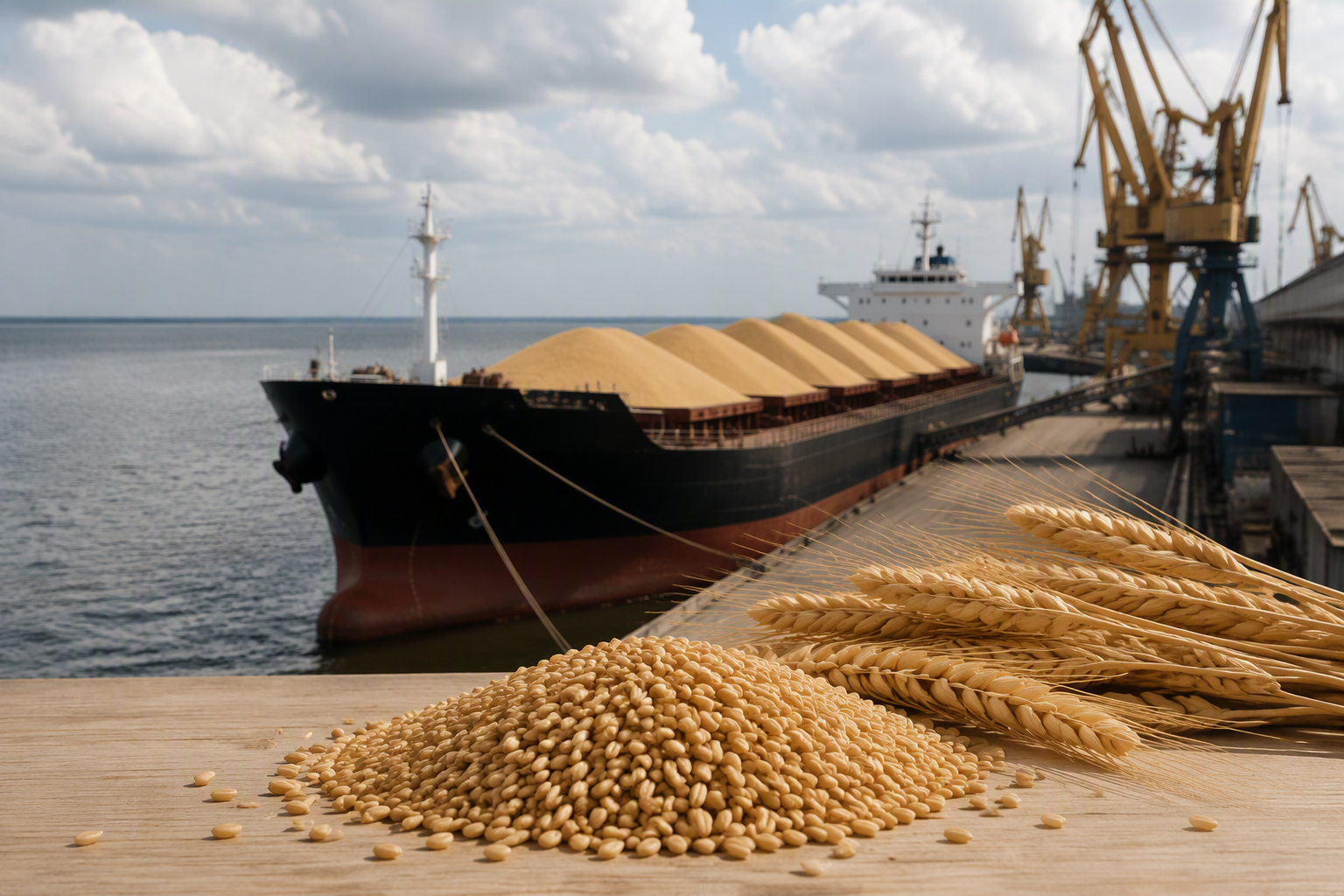
Global food commodity supplies remain generally comfortable, particularly for wheat and coarse grains, however conflicts are likely to prevent its delivery to demand sites.
And the commodity markets and trade flows nevertheless remain exposed to weather conditions, logistical disruptions and policy uncertainty, according to a new report published today by the Food and Agriculture Organization of the United Nations (FAO).
The biannual publication provides updated market assessments and forecasts for the production, utilization, trade, and stocks of major food commodities including cereals, oil crops, sugar, meat, dairy products, fisheries and aquaculture products.
The report stated, “Global food commodity supplies remain generally ample, especially for wheat and coarse grains, although there are signs of convergence in rice, sugar, and vegetable oil levels.”
It added, “Nevertheless, commodity markets and trade flows remain vulnerable to weather fluctuations, logistical disruptions, and policy uncertainties.”
The report also anticipates a slowdown in the rate of increase of the global food import bill in 2026, driven by lower global prices for coffee and cocoa.
Grain Production role in global food commodity supplies
The FAO report which raised global food commodity supplies, forecasts a 1.8% increase in global grain stocks by the end of the 2027 season, “primarily reflecting the accumulation of wheat stocks in Russia and Ukraine, where export disruptions are hindering shipments.”
It is worth noting that the world’s two largest grain producers have been embroiled in conflict since Russia’s invasion of Ukraine in February 2022, which has negatively impacted their production, particularly their exports.
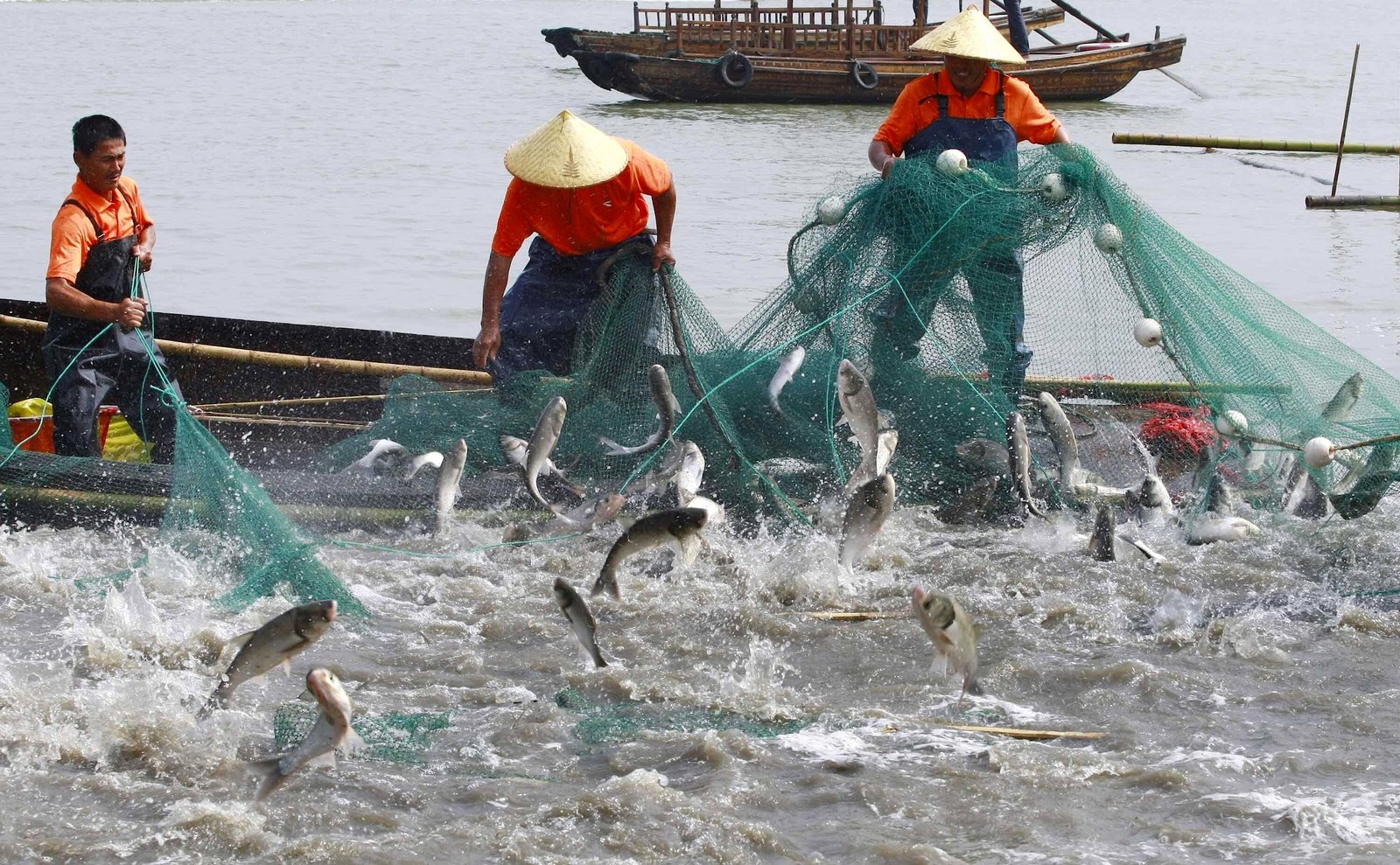
Read also: Drought in U.S. threatens winter wheat harvests and cattle producers
Grain shipments collected from major ports in Odessa, Ukraine, and ports on the Sea of Azov and the Black Sea in Russia fell to less than 0.5 million tons in September 2026, compared to 7.8 million tons the previous year.
The accumulation of stocks resulting from export restrictions could affect grain quality and marketability due to increased pressure on storage capacity.
Argentina, Australia, and the European Union are working to increase their shares of global wheat exports, adjusting trade flows to cope with shipping disruptions in the Black Sea region.
Global wheat and maize production in the 2026/27 season will remain above their five-year averages, with global stocks projected to rise “amid international trade constraints.”
However, the report anticipates that these conflicts will lead to a 3.3% contraction in global grain trade volume in the 2026/27 season, while rice trade is expected to expand in 2027, and maize trade in the 2026/27 season.
Rice production is expected to decline for the first time in four seasons, due to reduced producer profit margins and the El Niño phenomenon, resulting in insufficient production; “however, large remaining stocks could keep global rice reserves at their second-highest level on record.”
Biofuels and oilseeds
The FAO forecasts that oilseed production will reach record levels in 2026/27, but continued strong demand for vegetable oils from the biofuel sector is likely to further deplete global oil and fat stocks.
Read also: War in Iran forces meat shipments to reroute from Arabian Gulf to China
Global meat production is also expected to grow moderately in 2026, driven by poultry, but beef and sheep meat production is projected to decline due to limited livestock supply. The volume of global meat trade is also expected to grow, driven by strong import demand for poultry.
Milk production is projected to grow by 1.8% in 2026, but international trade in dairy products is expected to increase by 2.1% compared to the previous year, with shipments of powdered milk rising, according to the FAO report.
Sugar raises concerns
The FAO report predicts that global sugar production in 2026/27 will fall short of global consumption.
It stated: “Global sugar prices have risen significantly in recent months, reflecting growing concerns about imbalances in the global market.”
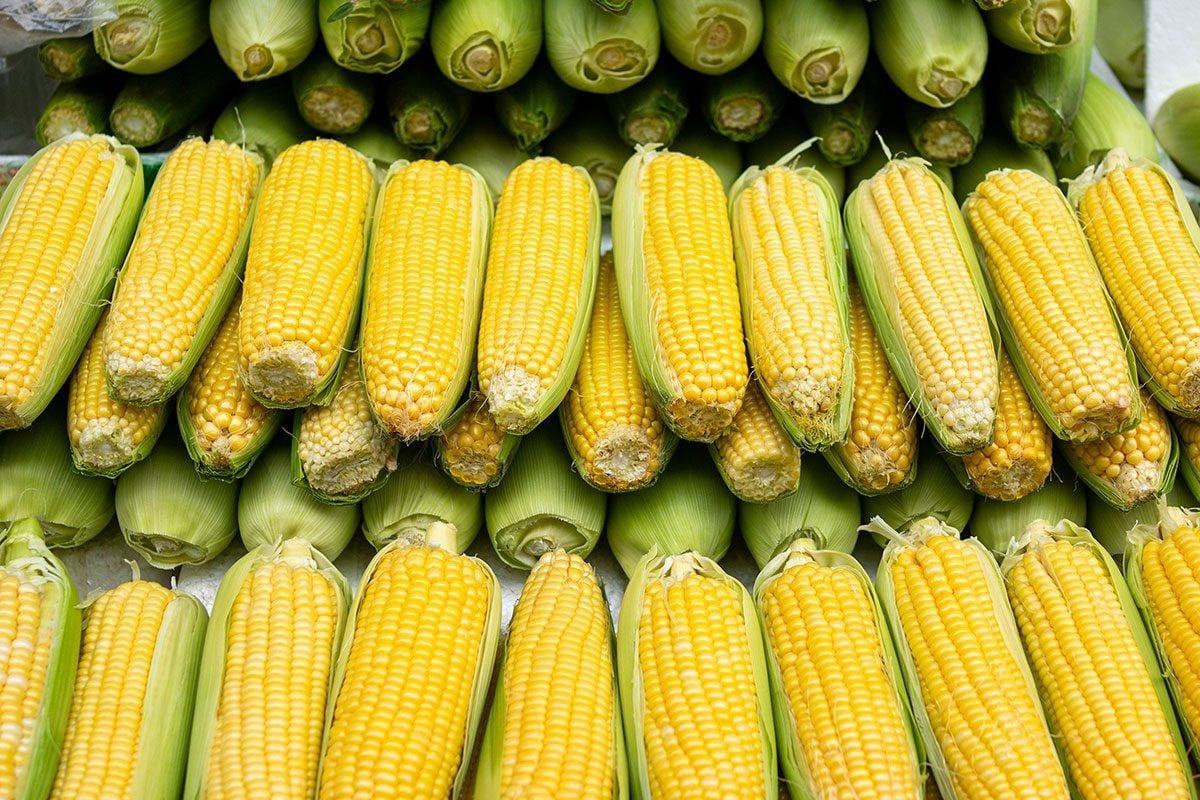
Read also: Multi efforts to improve farmed salmon aquaculture
The report projected a 3.6% growth in aquaculture production, although declining anchovy supplies are driving up feed prices, particularly for shrimp and salmon.
The El Niño climate phenomenon is also impacting fisheries production, sharply reducing Peruvian anchovy catches.
Fertilizers are another casualty of conflict, this time in the Middle East
The organization predicted a decline in global nitrogen fertilizer production, including ammonia and urea, in 2026, largely due to disruptions in energy supplies, production, and trade related to the closure of the Strait of Hormuz in the Middle East.
The report stated, “Fertilizer affordability has deteriorated, and higher fertilizer costs relative to crop prices may weaken farmers’ incentives to purchase.
More details: