
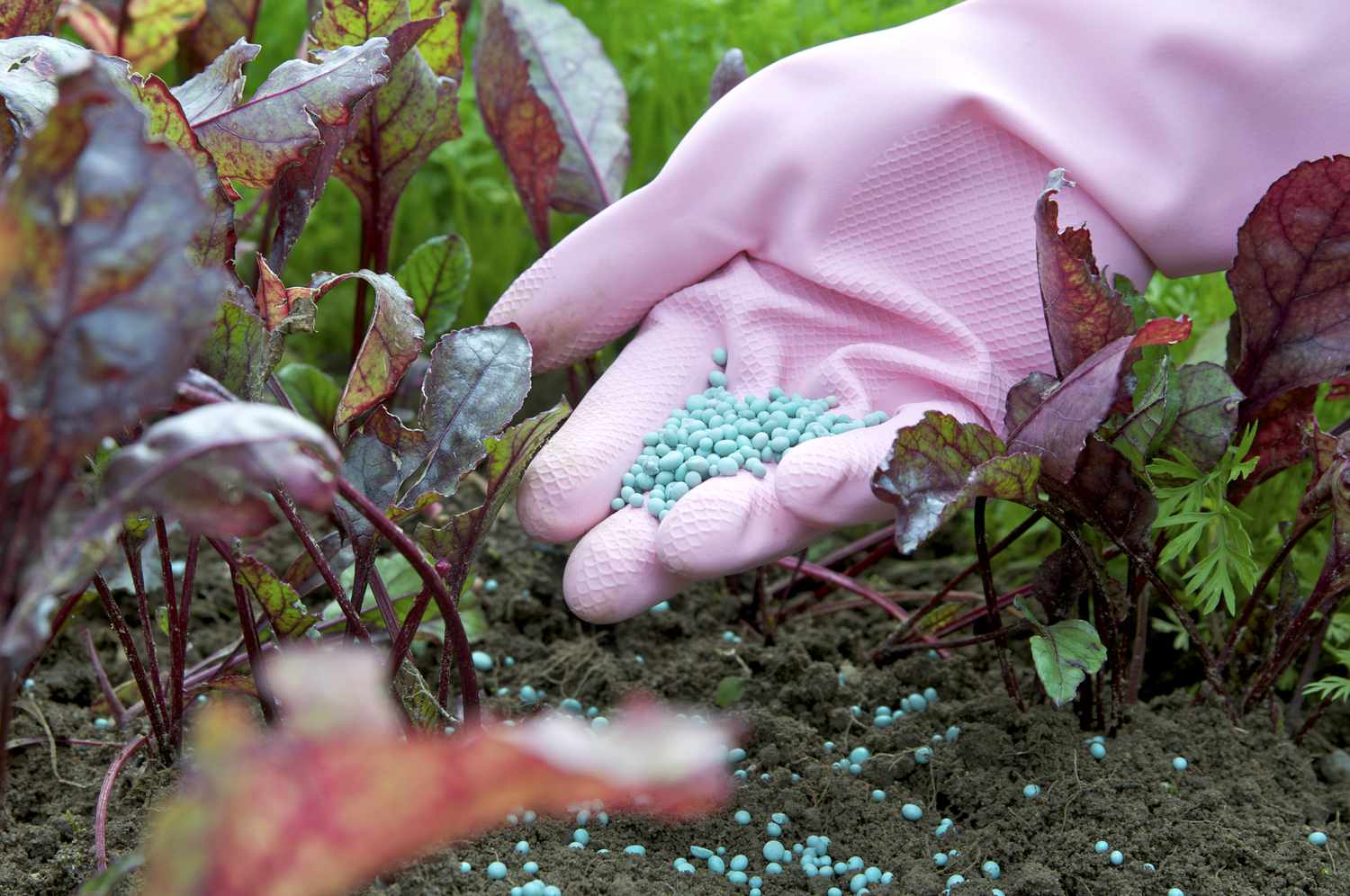
The Food and Agriculture Organization of the United Nations (FAO) has again warned of the impact of the current fertilizer shortage crisis on agricultural crops during the second half of 2026 and 2027.
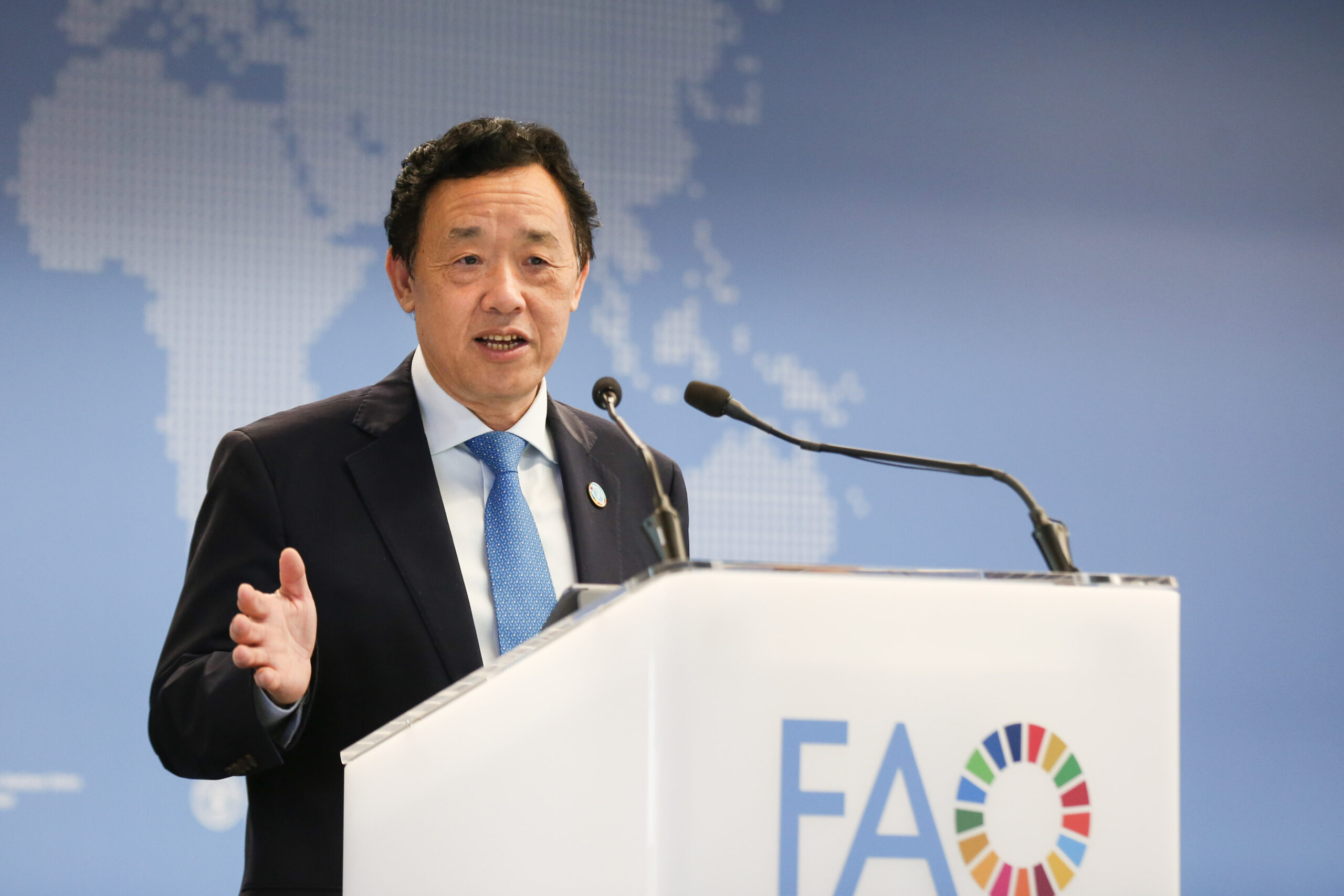
FAO Director-General Qu Dongyu stated that fertilizer shortage resulting from disruptions in the Strait of Hormuz will lead to reduced crop yields and tighter food supplies in the second half of 2026 and into 2027.
These remarks were made during the ministerial meeting of the MED9++ Initiative on “Supporting Food Security and Access to Fertilizers,” co-chaired by the FAO, Italy, and Croatia, according to a statement received by Food & Climate on Thursday, May 7, 2026.
Since the US and Israel launched a war against Iran on February 28, 2026, and the Strait of Hormuz was closed due to attacks on passing ships, in addition to the severe damage inflicted on energy and fertilizer production facilities in the Gulf region, the world has been facing a fertilizer shortage crisis.
These countries produce approximately one-third of the world’s nitrogen fertilizers and are also key sources of raw materials for various types of fertilizers, such as natural gas used in urea, which is essential for nitrogen fertilizers, as well as sulfur.
Fertilizer shortage crisis extends far beyond geopolitical considerations
FAO Director-General Qu Dongyu, addressing ministers and senior officials gathered in Rome, stated that the current fertilizer shortage crisis extends far beyond geopolitical considerations, increasingly impacting food production, trade, agricultural inputs, and access to food worldwide.

Read also: Iran war’s fertilizer shock sets the stage for a slow-burning food inflation crisis
He added, “We are meeting at a very critical moment. This is not just a geopolitical crisis; it is a disruption at the very heart of the global agri-food system.”
Dongyu emphasized the strategic importance of the Strait of Hormuz, through which, under normal circumstances, vast quantities of oil, liquefied natural gas, sulfur, and fertilizers are traded globally.
Disruptions to shipping
He warned that disruptions to shipping traffic through the Strait are currently constricting fertilizer markets and driving up energy costs, which could have dire consequences for agricultural production and food prices.
He added, “Agriculture is based on a crop cycle that cannot be postponed. Fertilizers must be applied at specific times within the crop cycle. If they don’t arrive on time, yields will be reduced, regardless of what happens afterward.”
Read also: Urea fertilizer prices soar in Indian tender
Dongyu explained that any delay, even of just a few weeks, forces farmers to reduce or completely cease using fertilizers. He noted that the effects we are witnessing today are not limited to current prices, but extend to upcoming harvest seasons, which will lead to reduced food supplies during the second half of 2026 and 2027.
The Director-General pointed out that these effects are particularly worrying because they coincide with crucial planting and fertilization periods in key production areas.
Import-dependent countries in Africa, Asia, and parts of the Middle East are among the most vulnerable, especially those already facing severe food insecurity, economic fragility, or climate shocks.
No country will be immune to the crisis
The FAO Director-General stressed that no country will be spared from the fertilizer shortage crisis and identified three priority areas for coordinated action.
In the short term, he emphasized the importance of ensuring the continued functioning of supply chains by facilitating alternative trade routes, avoiding export restrictions, supporting farmers’ access to agricultural inputs, and protecting humanitarian supply chains. In the medium term, he called for enhanced regional coordination, diversification of fertilizer and energy sources, and targeted support for the most vulnerable economies.
Read also: The Director of African CEO Forum: current fertilizer crisis a wake-up call for African producers (Exclusive)
In the long term, he stressed the need for structural transformation to reduce reliance on concentrated supply chains and fossil fuel-based inputs, including through investments in sustainable agriculture, renewable energy, innovative fertilizer solutions, and more efficient storage and logistics systems.
MED9++ initiative
Dounio welcomed the MED9++ initiative to strengthen cooperation on access to fertilizers and food security, noting that this platform aligns with the FAO Strategic Framework and its vision of four key pillars: better production, better nutrition, a better environment, and better lives, leaving no one behind.
More details: