
Food & Climate
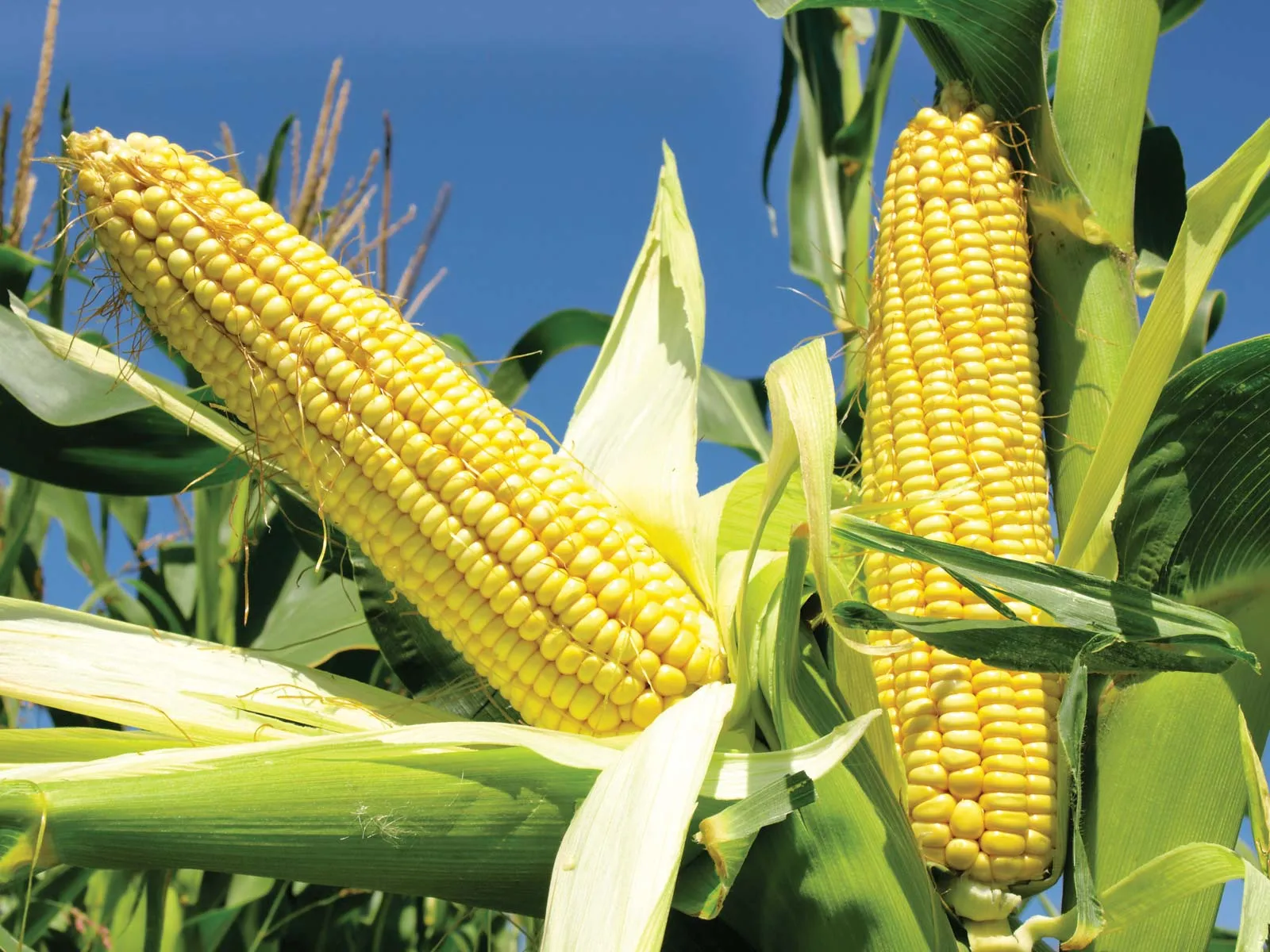
Analysts predicted that Americans would abandon corn farming due to the war in Iran, replacing it with other crops like soybeans. This would negatively impact animal feed production, which in turn would affect meat availability.
Among these analysts is Shanaka Anslem Perera, author of “Author of The Ascent Begins,” an independent analyst who warned that the price of urea fertilizer, a key component of corn and currently in planting season, would rise due to the war with Iran.
Since the war began at the end of February, with the escalation of airstrikes and Iran targeting energy facilities in the Gulf states, fertilizer production has halted in a major export region or the ability to transit the Strait of Hormuz has been disrupted, causing prices to skyrocket.
Perera tweeted, in a post reviewed by Food & Climate, that the price of urea has increased by more than 50% to $683 per ton, causing a “collapse in the corn economy.” He noted that urea is a nitrogen fertilizer, and nitrogen is the largest component in the cost of corn farming.
He explained that the US Department of Agriculture’s report on projected planting areas will be released on March 31.
This report will show the world how US agriculture has responded to the Hormuz blockade, but the decisions reflected in this data are already being made in discussions among farmers, agricultural engineers, and seed traders who are monitoring nitrogen prices and making the most economical choice: growing the crop that doesn’t require inputs they can’t afford.
The cost of corn farming is higher than the price of the crop
Joe Weisenthal, a Bloomberg podcast host, said that the urea-to-corn ratio is nearing its worst level since the start of the COVID-19 pandemic-induced inflation. He added: “This development could signal increased cost pressures in agricultural input markets, as urea—a key fertilizer—has become relatively more expensive than corn.
This situation could have repercussions for agricultural profitability and the agricultural economy in general,” according to the global financial and investment media company Traders Union.
Shanaka Anslem Perera added that rising urea prices will discourage Americans from growing corn, creating multifaceted risks.
He explained that every acre converted from corn farming to soybeans puts pressure on the global corn supply.
Corn is used as livestock feed and also in the production of ethanol (biofuel), which consumes 43% of the annual US corn crop, regardless of price.
He said: “If corn-growing areas are shifted and production declines, corn prices rise, feed costs increase, and the protein supply chain is reversed. The U.S. cattle herd is at 86.2 million head, its lowest level in 75 years. Profit margins for poultry and pork, which have benefited from cheap feed, shrink when corn exceeds $5 a bushel.”
Fertiliser crisis awaits solutions in India and Britain as the Iran war continues
He continued, “This is how the naval blockade, some 7,000 miles from Iowa, reaches American store shelves. Not through oil or shipping, but through nitrogen. Farmers can’t afford urea and can’t cross the strait, so they plant soybeans instead. The corn supply dwindles, and ethanol reaches its allocated quota. Prices for the remaining corn rise, as do feed, meat, and even grocery bills.”
How urea increases corn production?

The University of Tripoli conducted an experiment on the effect of urea fertilizer on the productivity of two yellow corn varieties during the 2008/2009 growing season under conditions in the western coastal region of Libya.
Researchers tested two varieties of yellow corn (hybrid Giza 3062), imported from Egypt, and a local variety from the Libyan market.
Iran war prevents Thai rice from entering the Middle East
They used 46% urea at rates of 60, 120, and 180 kg per feddan (approximately 0.42 hectares), divided into two equal applications applied immediately before and after flowering.
The results showed that adding 120 kg of nitrogen fertilizer increased the yield by an average of 29.3% for both varieties.
Hybrid 3062 demonstrated a 66.6% higher grain yield than the local variety. This increase was not due to the number of ears per unit area, but rather to the number of grains per ear.
Hybrid 3062 and the local variety yielded an average of 283.3 and 184 grains per ear, respectively, representing a 54.1% increase, according to the scientific journal published by Sirte University.
More details: