
Food & Climate
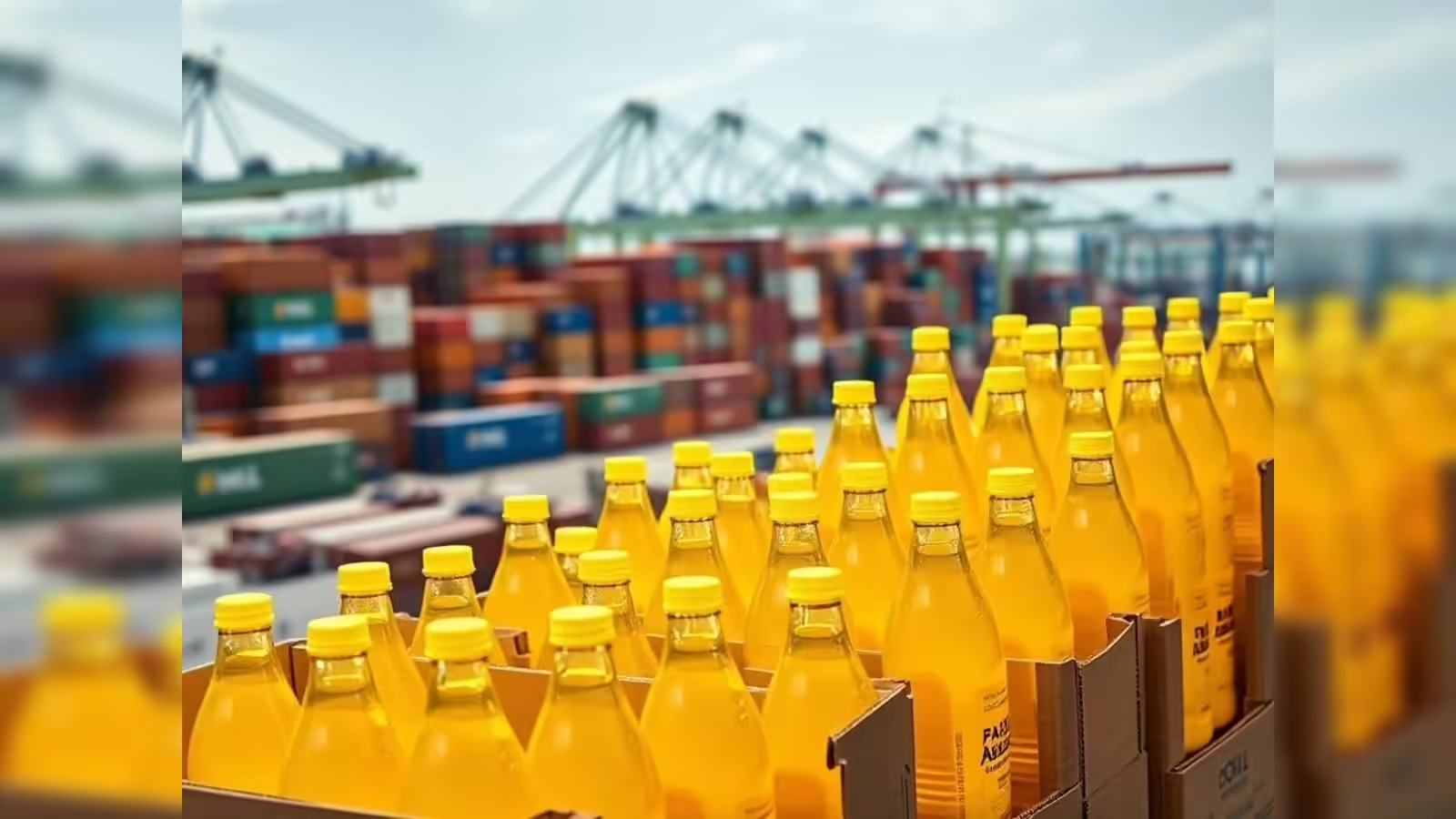
Indonesian palm oil is facing a major export problem due to soaring shipping costs caused by the war in Iran, which could negatively impact global prices. At the same time, Jakarta is seeking to increase palm tree cultivation to provide larger quantities for biofuel production, hoping to alleviate energy costs.
Indonesia is the world’s largest producer of palm oil, accounting for more than 50% of production, which is close to 48 million tons annually, according to official data rseen by Food & Climate.
Indonesian palm oil is not only used in food but is also used in almost every industry. Jakarta currently blends it with diesel fuel produced from fossil fuels, albeit in limited proportions.
The country had a postponed plan to increase the blending of biodiesel with conventional diesel to more than 50%, but the sharp rise in oil prices after the war has prompted it to consider implementing this plan to reduce its energy bill.
The war in Iran drove oil prices above $100 a barrel before they retreated and are currently hovering around $98.
This decline is attributed to the halt in Middle Eastern oil flows to markets, a consequence of the closure of the Strait of Hormuz, particularly as the region supplies more than 20% of the world’s crude oil.
An official at the Indonesian Ministry of Energy stated mid-week that the country will seek to implement its “B50” fuel plan, meaning increasing the share of biodiesel to 50% in the country’s energy mix, according to Reuters.
Meanwhile, an Indonesian official told Food & Climate. at the end of last year that the country plans to increase palm oil cultivation for the same purpose.
Indonesian palm oil stockpiles accumulate
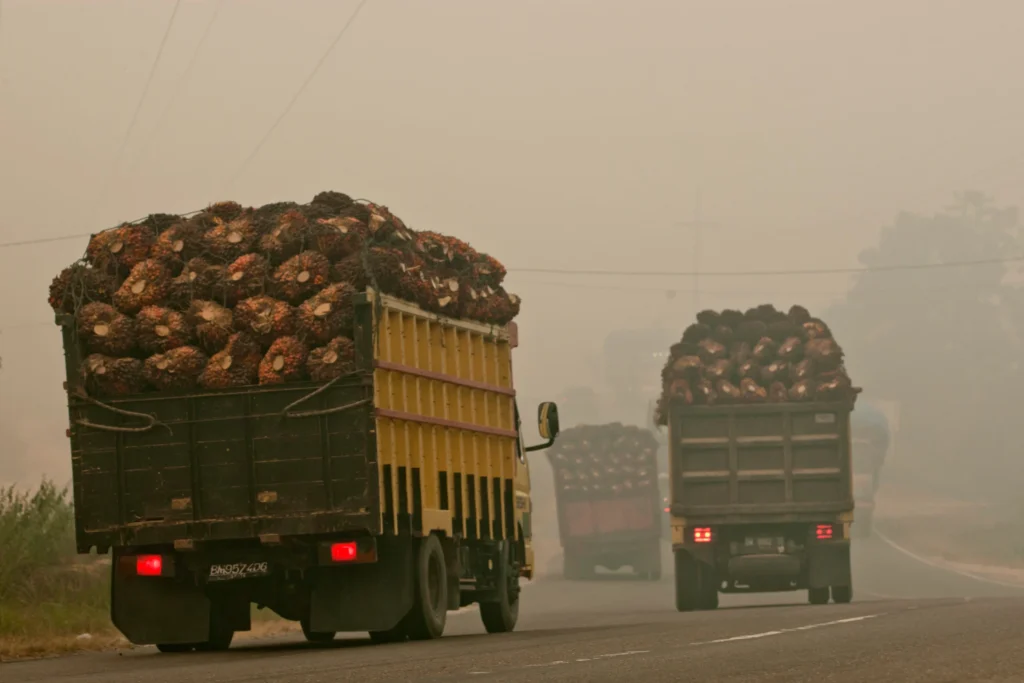
A slowdown in shipments could lead to an accumulation of Indonesian palm oil stockpiles, according to the Palm Oil Association (Gapki) of the Southeast Asian nation.
The association reported on Wednesday, March 11, 2026, that new export orders for palm oil shipments have declined after the US-Israeli war with Iran led to increased logistics and insurance costs.
Indonesia is the world’s largest exporter of palm oil, which is used in food, cosmetics, and cleaning products.
This oil accounts for more than half of global vegetable oil shipments and is widely consumed in emerging markets such as India.
Gapki chairman Eddy Martono, said that shipping and insurance costs have increased by 50% since the outbreak of the war, as ships have been forced to take longer routes, while insurance costs have risen due to the risks associated with the conflict.
He told reporters: “There has been a slight decrease in demand due to the higher costs. We are now fulfilling the contracts we have signed.”
Although exports have continued, he said that the slowdown in shipments could lead to a buildup of stockpiles in Indonesia, which could put downward pressure on palm oil prices.
He added that JAPKI has not yet issued estimates on the extent of the export decline, but there are indications of a possible drop, noting that an estimate is expected by the end of March.
Palm oil exports to the Middle East
Indonesian palm oil exports to the Middle East reached approximately 1.8 million tons in 2025, representing about 5% of the country’s total exports, according to Gapki chairman Eddy Martono, in a press statement this week.
He noted weak demand from the largest buyers, India and China, where edible oil stocks appeared stable.
A New Delhi-based trader working for a global trading company said that palm oil prices have risen faster than its competitors, soybean and sunflower oils, since the start of the dispute, eroding its price advantage.
“Palm oil cost about $100 per ton cheaper than soybean oil when it arrived in India just a month ago. Now it’s only about $30 cheaper. For European buyers, palm oil is more expensive than soybean oil due to higher shipping costs,” he said, according to Reuters.
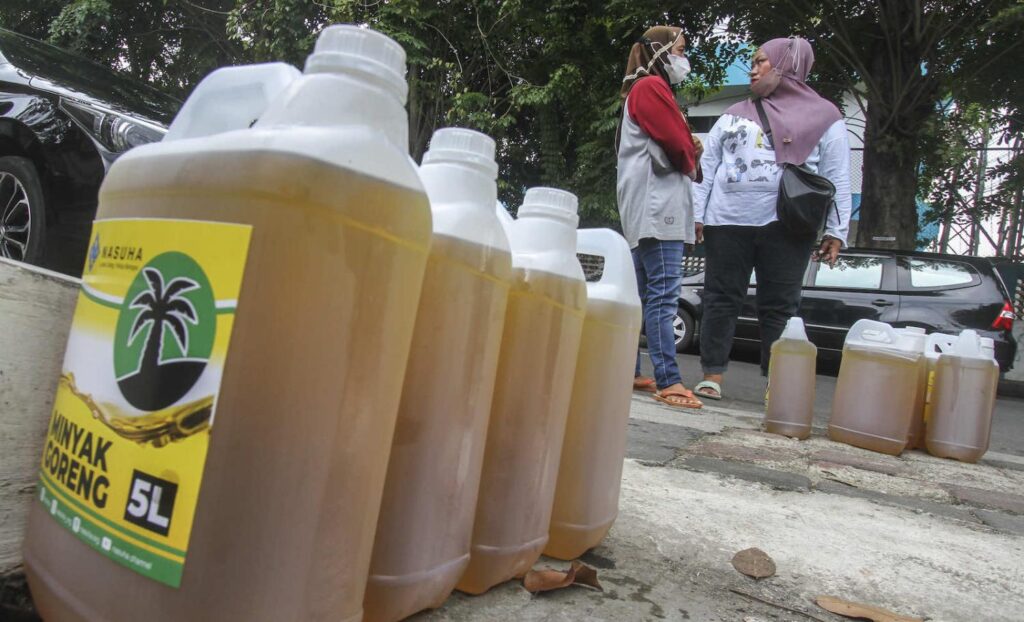
Although the US-Israeli war against Iran began on February 28, the Food and Agriculture Organization (FAO) Vegetable Oil Price Index rose by 3.3% month-on-month that same month. This increase was driven by higher prices for palm, soybean, and rapeseed oils, which offset a decline in sunflower oil prices.
Palm oil prices climbed for the third consecutive month, supported by strong global import demand and a seasonal drop in production in Southeast Asia.
Related topics:
Indonesian Official: Avoiding palm oil hike after blending biodiesel increase (Exclusive – Part 2)
Deforestation in Sumatra turns Indonesia’s tropical rains into a disaster