Food & Climate
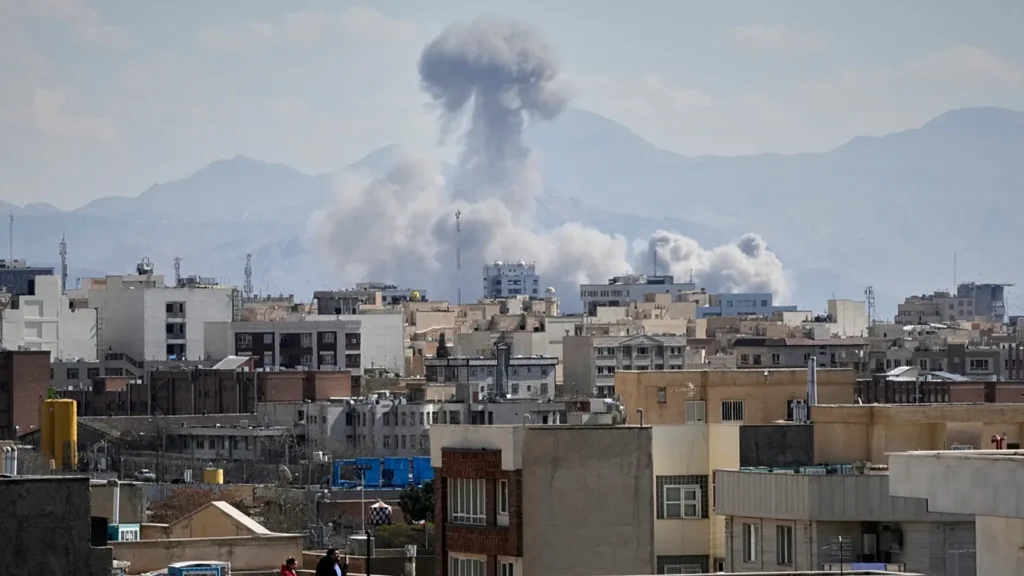
Food inflation in Iran has continued to take its toll on citizens over the past decade, reaching its highest level since World War II and surging to 110% in February, coinciding with US and Israeli attacks on Tehran.
The attacks began on Saturday, the last day of February 2026, and have spread to numerous regions.
In separate reports, the Statistical Center of Iran and the Central Bank have revealed just how dire living conditions and economic indicators have become.
Their latest figures show that by February 2026, inflation in Iran had climbed to levels not seen since World War II.
Iran last saw inflation this severe during the Anglo-Soviet invasion in the early 1940s, when World War II brought food shortages and foreign occupation.
To see today’s rates compared with that period suggests the country was already in a full-blown economic emergency even before the current military escalation, according to a report seen by Food & Climate.
Inflation has now crossed levels not seen since Iran’s occupation during World War II, pushing Iranian families into an unprecedented crisis. The gap between what people earn and what they must spend has grown so wide that many households no longer have the strength to keep up with years of rising prices.
Food inflation in Iran is the highest
Over the past decade, Iranian families have responded to inflation step by step: first cutting out luxury goods, then travel and recreation, and eventually reducing protein and even dairy from their diets.
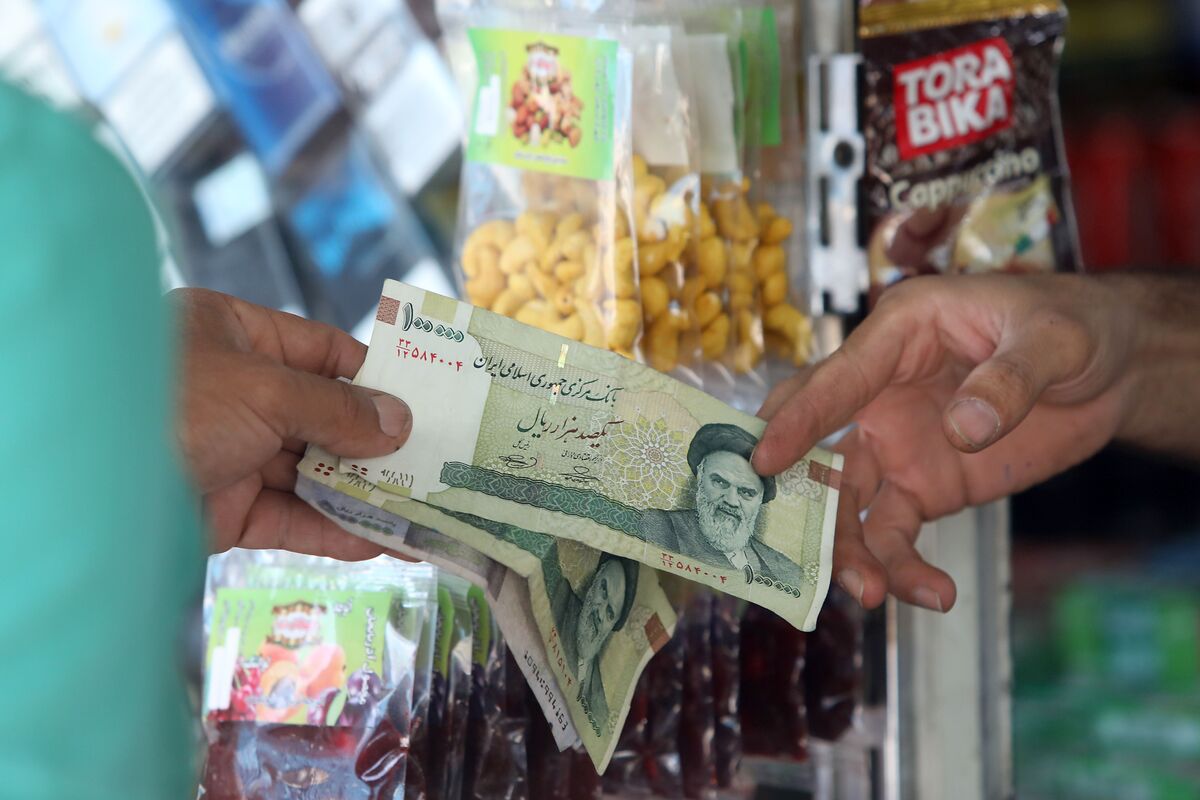
Now, with food inflation in Iran reaching 90% in 2025/2026, the country is approaching what many economists describe as the threshold of hyperinflation in food prices.
This occurs when the price of a single loaf of Sangak bread or a bottle of milk jumps by 50% within a single month, leaving no room for maneuvering through savings, according to “Iran wire”.
After more than eight decades since the occupation of Iran in WWII, inflation in Iran has reached levels previously experienced only in conditions of war, occupation, or total economic collapse.
The Statistical Center of Iran said the overall point-to-point inflation rate for February stood at 68.1%, with monthly inflation at 9.4%.
But food prices have risen far faster: compared to February last year, people are now paying about 110% more for the same food basket. Meanwhile, wages have increased by at most 45% this year – meaning incomes are trailing food inflation in Iran by more than 60%.
The statistics recorded by the Central Bank were announced with slight differences: a point-to-point inflation rate of 62.2% and a monthly rate of 8.4%.
Cooking oil surging by an unprecedented 207%
Data from the Statistical Center of Iran show that inflation in several key categories has now moved into triple digits.
Food inflation has reached 110% but Bread and cereals have seen one of the steepest increases, rising by 142%. Meat prices are up 117%, milk, cheese, and eggs by 108%, fruit by 113%, and cooking oil has surged by an unprecedented 207%.
The Central Bank also said that the average cost of food and beverages rose by 99% compared to Bahman last year – essentially doubling in price. In just one month, from January to February 2026, food and beverage costs increased by another 14.7%.
These figures reflect the country’s condition just before the current full-scale military conflict (“Operation Epic Fury”).
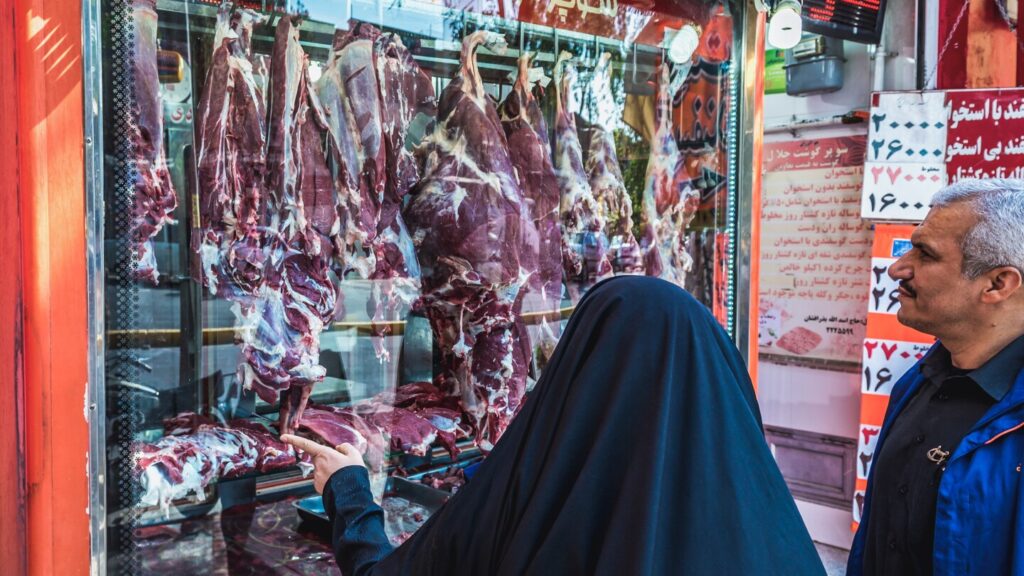
In Iran, the government often sets “official” prices for essential goods. However, due to shortages and the collapse of the Rial, these goods are rarely available at those prices. Most citizens must buy from the “free market” or “black market,” where prices are significantly higher than what state media reports.
For instance, a 1.5-liter bottle of frying oil that cost around 70,000 Tomans in February last year is now selling for 473,000 Tomans. That’s a staggering 489% increase – far higher than the 207% figure reported by the Statistical Center.
Similarly, one kilogram of beef shank was 635,000 Tomans last February, while currently this figure has reached 1,590,000 Tomans. This means a price increase of over 160%, not the 120% reported.
Regarding raw milk, which was priced at 18,000 Tomans at the farm gate in February 2025, it has now reached 48,000 Tomans, signifying a price increase of 166%, not 108%.
Related topics:
Will food supplies be affected by the war in Iran?