A workshop to launch the Regional Project for the Sustainable Management of Red Sea Fish concluded yesterday, June 9, 2026, in Cairo, Egypt.
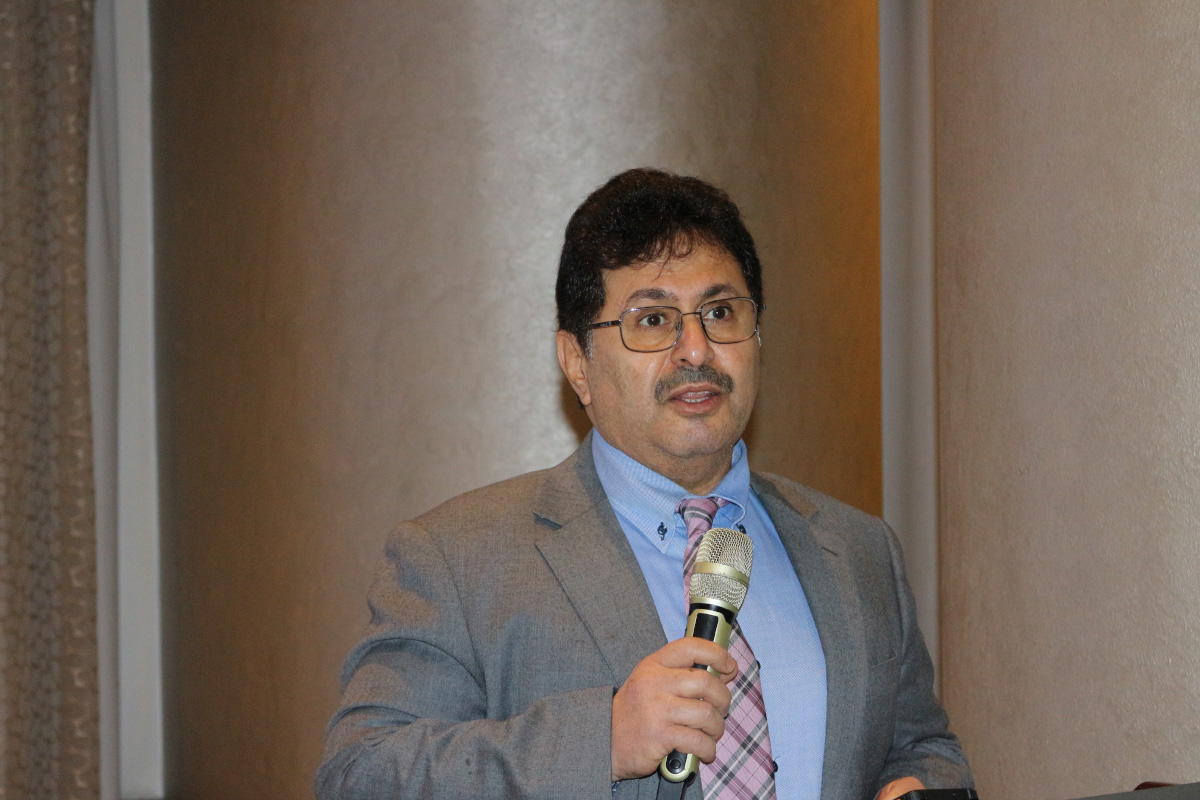
The project aims to maximize the utilization of marine resources and ensure their sustainability. Its first phase focuses on 25 common species, most notably grouper and kingfish, according to Dr. Ahmed AlMazrouai, Senior Fisheries and Aquaculture Officer at the FAO Regional Office for the Near East and North Africa.
On the sidelines of the workshop, AlMazrouai told Food & Climate that increasing pressures from illegal fishing, climate change, and insufficient coordination among littoral states in managing shared marine resources have highlighted the need for a regional approach that ensures the sustainable exploitation and preservation of fish stocks for future generations.
The FAO launched the Red Sea Fish Project in collaboration with WorldFish and the Regional Commission for Fisheries, with the participation of seven countries, according to AlMazrouai in the following interview:
What is the importance of the Sustainable Management of Red Sea Fish Project?
The Red Sea is one of the most important marine regions in the world. It represents an economic and strategic corridor linking East and West, and it also possesses significant tourism and environmental importance due to its unique biodiversity. Despite these advantages, the region faces numerous challenges.
Read also: WTO Agreement on Fisheries Subsidies enters into force after approval by 4 member states
The most prominent of these challenges are: weak regional cooperation in fisheries management, illegal fishing, and the repercussions of climate change. This necessitates strengthening joint action among littoral states to ensure the sustainable exploitation of marine resources.
Which countries are participating in the project?
The project encompasses seven countries bordering the Red Sea and the Gulf of Aden: Egypt, Saudi Arabia, Jordan, Yemen, Sudan, Djibouti, and Eritrea. It is implemented in partnership between the FAO, the WorldFish Center, and the Regional Commission for Fisheries (RCF), and will run for four years, starting today (the launch date of the Regional Project for Sustainable Management of Red Sea Fish).
The project focuses on strengthening regional cooperation among Red Sea littoral states, improving fisheries data and information collection systems, assessing fish stocks of key species, and implementing an ecosystem-based management approach for Red Sea fisheries sites. It also supports national fisheries management policies and frameworks.
Read also: Tuna fishing in Mozambique becomes possible
The Sustainable Management of Red Sea Fisheries project aims to achieve optimal utilization of fish resources and ensure their sustainability, thereby supporting food security and providing employment opportunities for countries in the region.
How many fishermen will benefit from the project?
It is estimated that there are more than 80,000 fishermen in the seven participating countries. The benefits extend beyond the fishermen themselves to their families and local communities connected to fishing activities, as well as those involved in transportation, trade, and marketing, ultimately reaching the end consumer and achieving the ultimate goal of sustainable fisheries management.
Why is regional cooperation essential to the project’s success?
Regional cooperation is crucial because fisheries and the vital ecosystem cannot be managed through isolated efforts. Therefore, regional cooperation and coordination are essential for achieving sustainable fisheries management.
Does the project address marine pollution issues?
The project focuses primarily on managing Red Sea fisheries and fisheries resources in general. However, marine pollution issues are addressed by other specialized initiatives and programs, with cooperation and coordination among the various stakeholders involved in marine environmental protection.
When did preparations for the project begin?
Preparations began in 2022, prior to the project’s official launch. These preparations included drafting the project document in full coordination with participating countries and holding several virtual technical meetings, in addition to in-person meetings, including one in Jeddah, Saudi Arabia. The aim was to agree on priorities, target species, project objectives, and implementation mechanisms.
What types of fish will the project focus on?
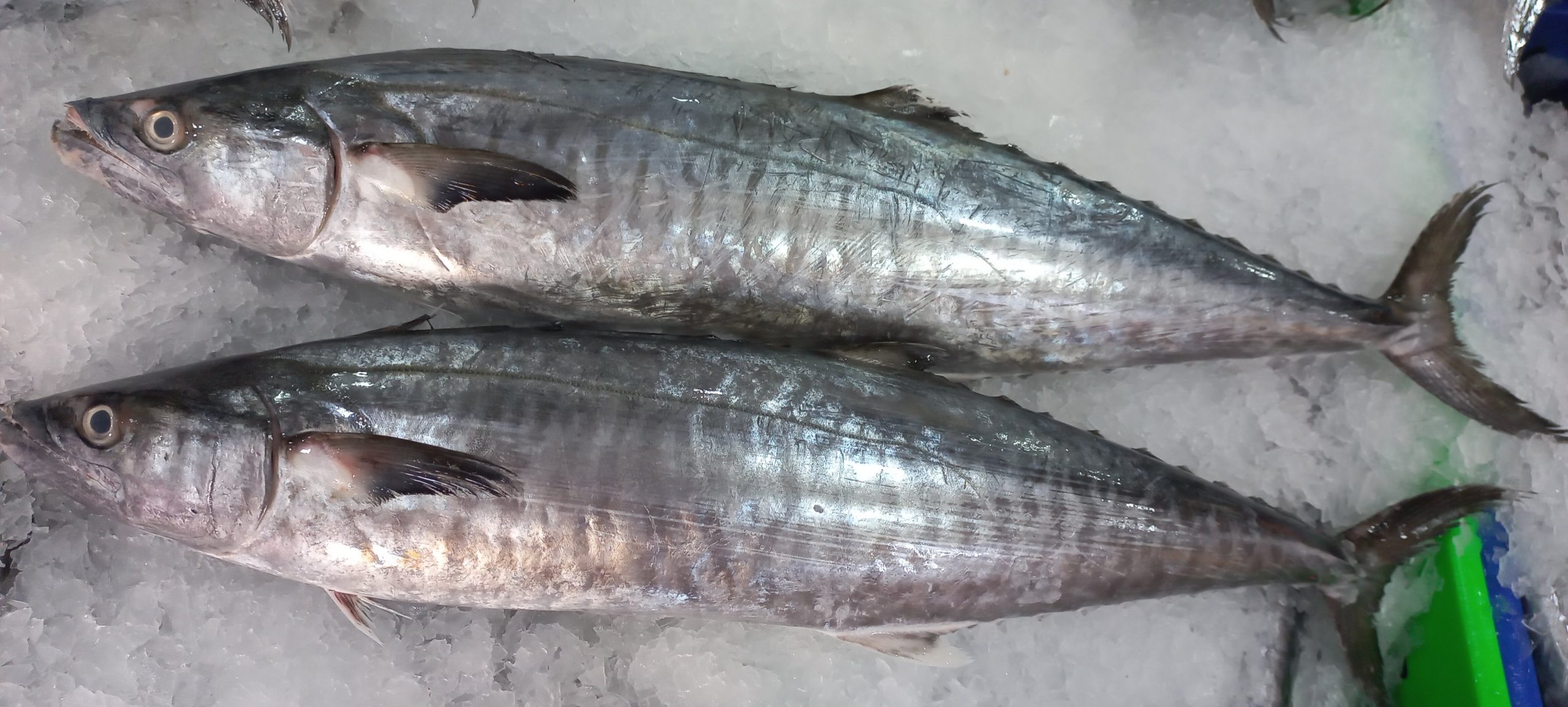
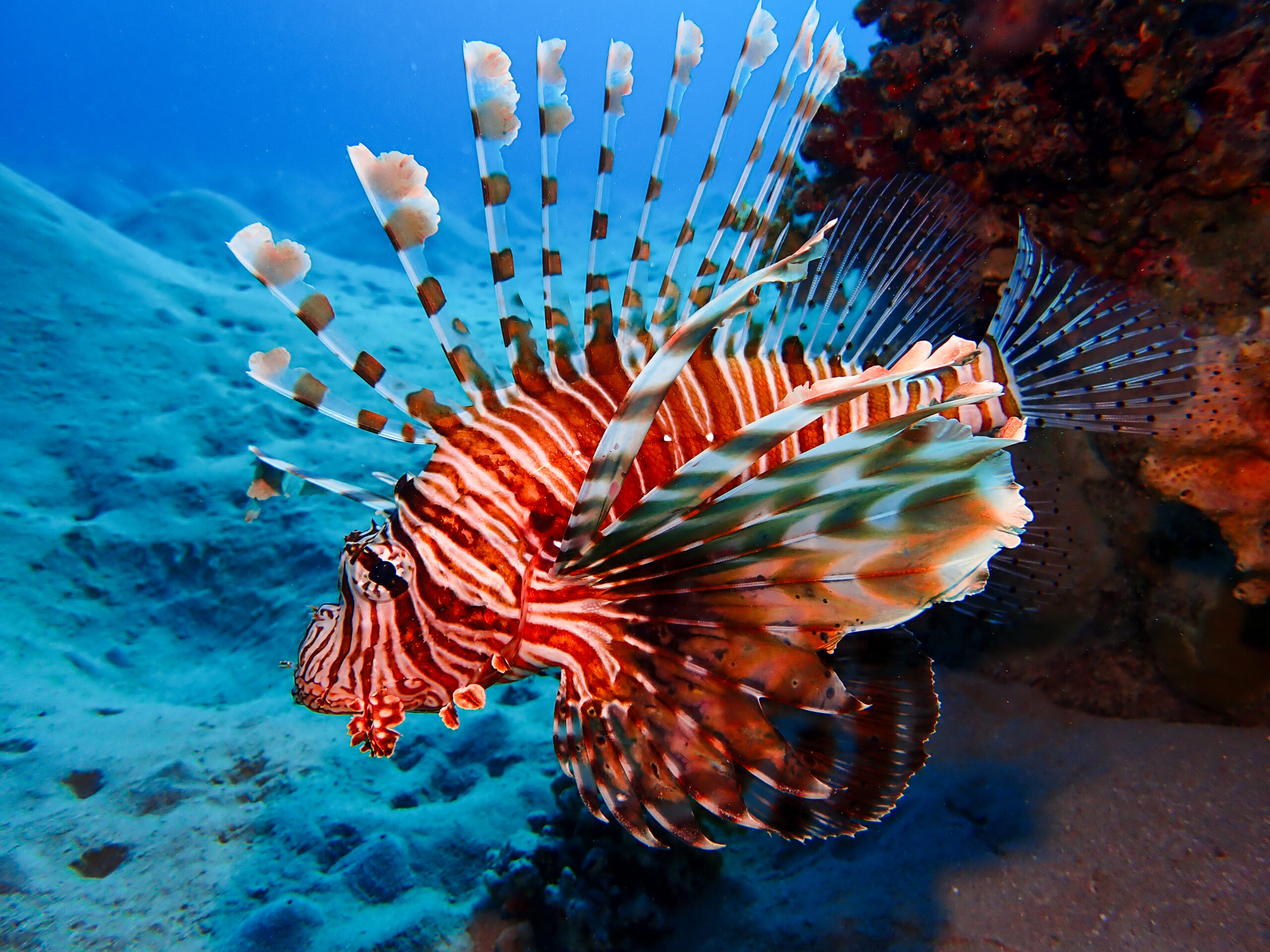
In its first phase, the project targets approximately 25 fish species of shared economic importance to participating countries, most notably grouper and kingfish, as well as other commercially important fish species in the region.
These species will be managed through data collection, stock assessments, and monitoring of exploitation levels. This will help establish a scientific basis for their management and ensure their sustainability. The project also aims to create a database of the most economically important species.
What is the project’s funding size and source?
The project’s funding exceeds $6 million, provided by the Global Environment Facility (GEF). FAO is responsible for the project, and the WorldFish Center and the Regional Commission for Fisheries are participating in its implementation.
Read also: Fisheries in the Comoros, the blue economy opens doors to growth (World Bank)
This project is the first of its kind in the Red Sea region, focusing directly on the sustainable management of Red Sea fisheries and marine resources at the regional level.