

Morocco has successfully combated one of the most serious pests hindering the global trade of citrus fruits and some other types of fruit by using the sterile fly technique. This technique involves sterilizing the male flies using atomic radiation, significantly reducing pesticide use.
During the 2026 Regional Workshop of the International Plant Protection Convention (IPPC) for the Near East and North Africa, recently held in Cairo, Hesham Saoud, the IPPC focal point and Director of Plant Health and Seed and Seedling Control at the National Office for Food Safety (ONSSA) in Morocco, presented the Moroccan experience.
Saoud told “Food & Climate” on the sidelines of the workshop that Morocco has launched a unit for producing sterile flies. The males are sterilized and released into citrus and fruit orchards. When they mate, they do not reproduce, thus reducing their population.
Saoud explained the Moroccan experience in his research paper presented at the workshop, which we will review below:
What is the Sterile Fly Technique?
This involves group rearing males, which are then sterilized by radiation and released into the field. They mate with wild females without producing offspring, thus reducing the next generation of the pest.
Key benefits of the sterile fly technique:
Sterile fly improves the quality and quantity of fruit production while reducing pesticide use and promoting integrated pest management.
It protects food security and encourages the sustainable use of resources through environmentally safe pest control and increased production.
It enables fruit producers and exporters to meet stringent international health and phytosanitary standards, allowing them to maintain existing export markets and access new ones.
Read also: To mitigate drought.. restrictions on water use in Morocco public baths
In Morocco, this technique has contributed to reducing chemical treatments on farms, thereby lowering the risk of pesticide residues in fruit destined for export and decreasing the number of fruits deemed unsuitable for export.
History of Sterile fly Production in Morocco
Morocco began introducing the technology in 2006, starting with a 4,800-hectare site in the Souss-Massa region.
In 2014, the Kingdom decided to establish a national unit through a public-private partnership. In 2017, it was decided to expand the project to Berkane, covering 1.2 hectares, and construction began.
The unit was completed in 2021, and the import of the TSL spore population began. Production trials commenced in 2024.
From 2006 to 2024, Morocco continued to import sterile insects, with an estimated 9 million males imported weekly from a Spanish production unit. This cost approximately $50,000 annually, enough to cover 5,800 hectares.
Motivations for the Transition to National Production
The effectiveness and environmental protection of the technology, compliance with the phytosanitary requirements of importing countries, and the high cost of importing sterile males led to the establishment of a national unit in Souss-Massa with support from the International Atomic Energy Agency (IAEA).
Morocco also aimed to open new export opportunities to markets with stringent requirements regarding the Mediterranean fruit fly.
Therefore, the Moroccan Ministry of Agriculture allocated $6 million to build the unit.
Read also: European official to “Food & Climate”: Final decision on carbon tax on fertilizer exports from Egypt and Morocco in 2025
The unit currently operates under the management of Morocco Citrus, the Moroccan Interprofessional Organization for Citrus.
Production capacity is approximately 30 million sterile cocoons per week, exceeding Moroccan needs. This opens up opportunities for sharing production, expertise, and training with countries in the region that share the same pest and export markets, according to the research paper presented by Saoud at the workshop.
The Kingdom aims to increase production to 130 million cocoons per week at a later date.
The agricultural sector in Morocco represents 15% of the Kingdom’s GDP, 40% of total national employment, and 80% of rural employment.
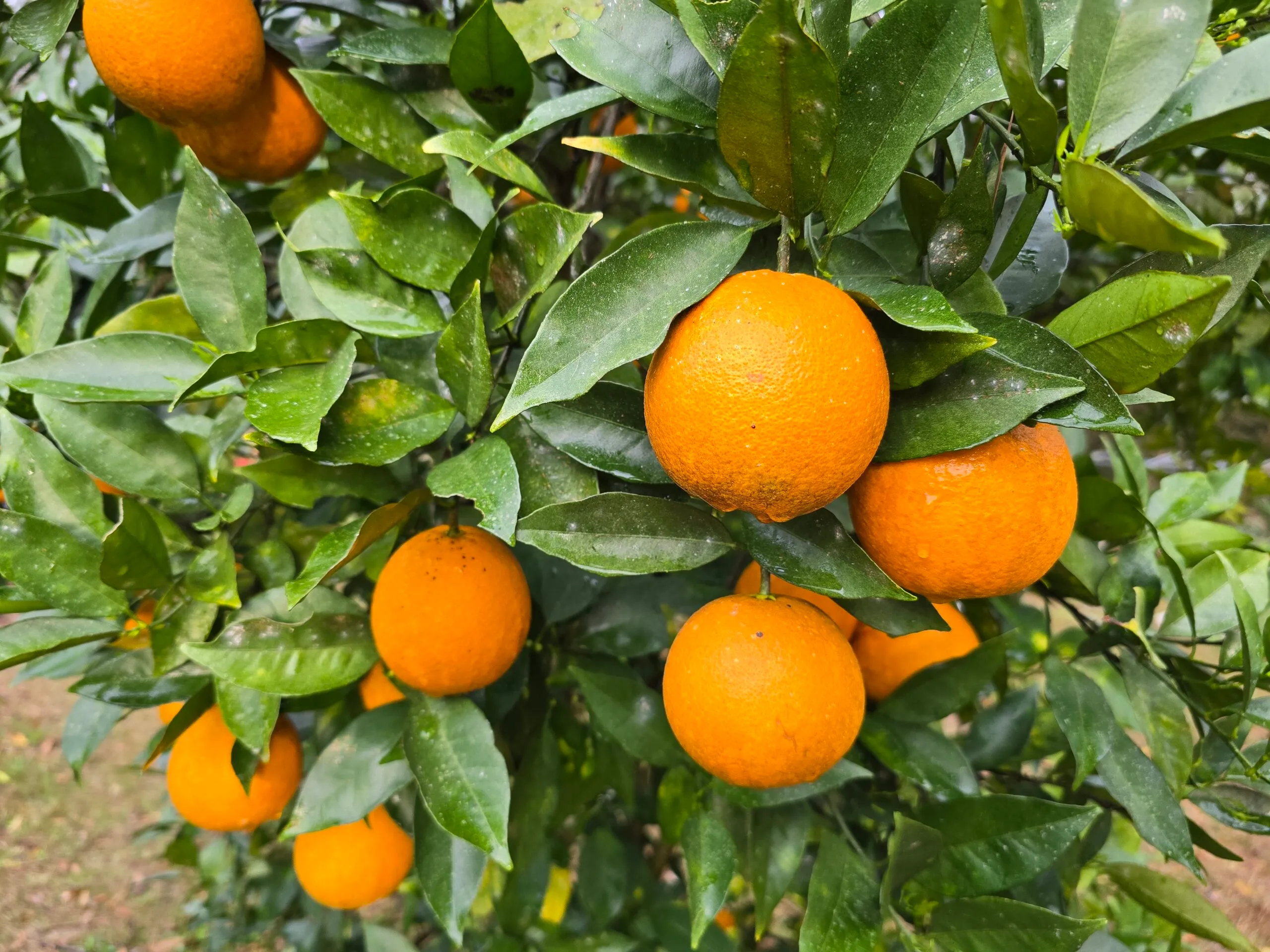
Citrus fruits contribute 25% of Morocco’s fruit exports, with 100,000 hectares dedicated to their cultivation. Approximately 650,000 tons are exported annually, generating over 32 million workdays.
Major production regions:
Souss-Massa 41%
Eastern Region 19%
Western Region 15%
Haouz Region 8%
Loukkos Region 2%
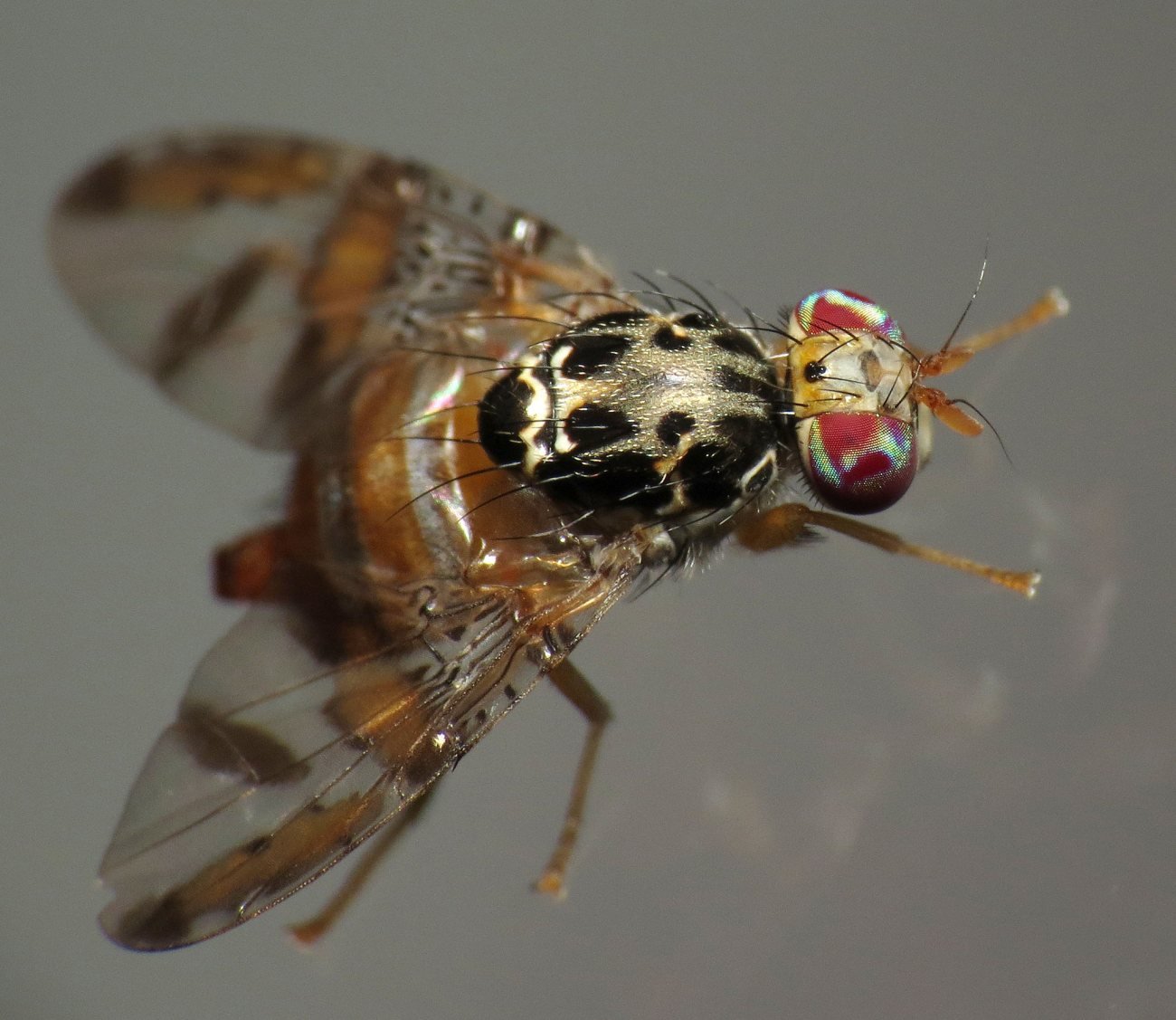
Impact of the Fruit Fly on the Citrus Sector
Direct damage to the fruit manifests as egg-laying stings and tunnels within the fruit, leading to rot and premature fruit drop, thus diminishing its commercial value.
Indirect damage is also caused by pesticide residues resulting from chemical control, posing risks to consumer health, the environment, and compliance with international standards for exports.
The average annual losses due to the fruit fly infestation are estimated at 53 million dirhams, of which 91.47 million dirhams are attributed to the cost of chemical control. The fruit fly also represents a major obstacle to exports.