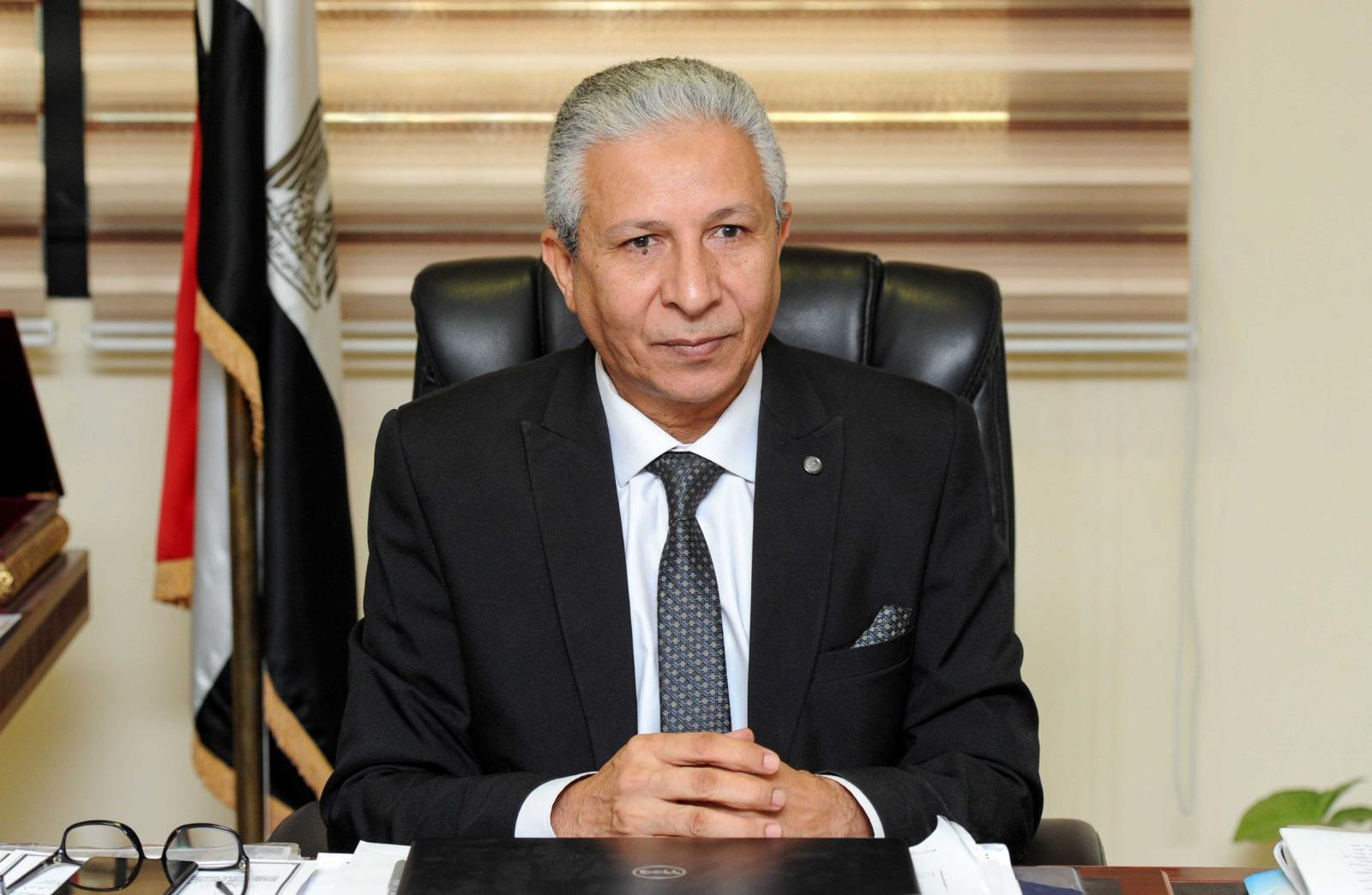
A government official affirmed the quality of Egyptian tilapia, denying claims of poor quality and describing these claims as rumors. He stated that Egyptians can recognize the quality of this fish at a glance, as it is the most popular and widely produced fish in the country.
Dr. Salah Moselhy, Head of the Lakes Protection and Development Authority and Fisheries, affiliated with the Cabinet, said in an interview with Food & Climate, on the sidelines of the First International Conference on Sustainable Livestock Development, which was recently held in Cairo, that the concerns raised about the safety of Egyptian tilapia are not based on scientific evidence.
He explained that during the past two months, a number of Egyptian fish farms received the necessary approvals to export farmed fish to the European Union for the first time, and work is currently underway to qualify more farms to comply with European requirements.
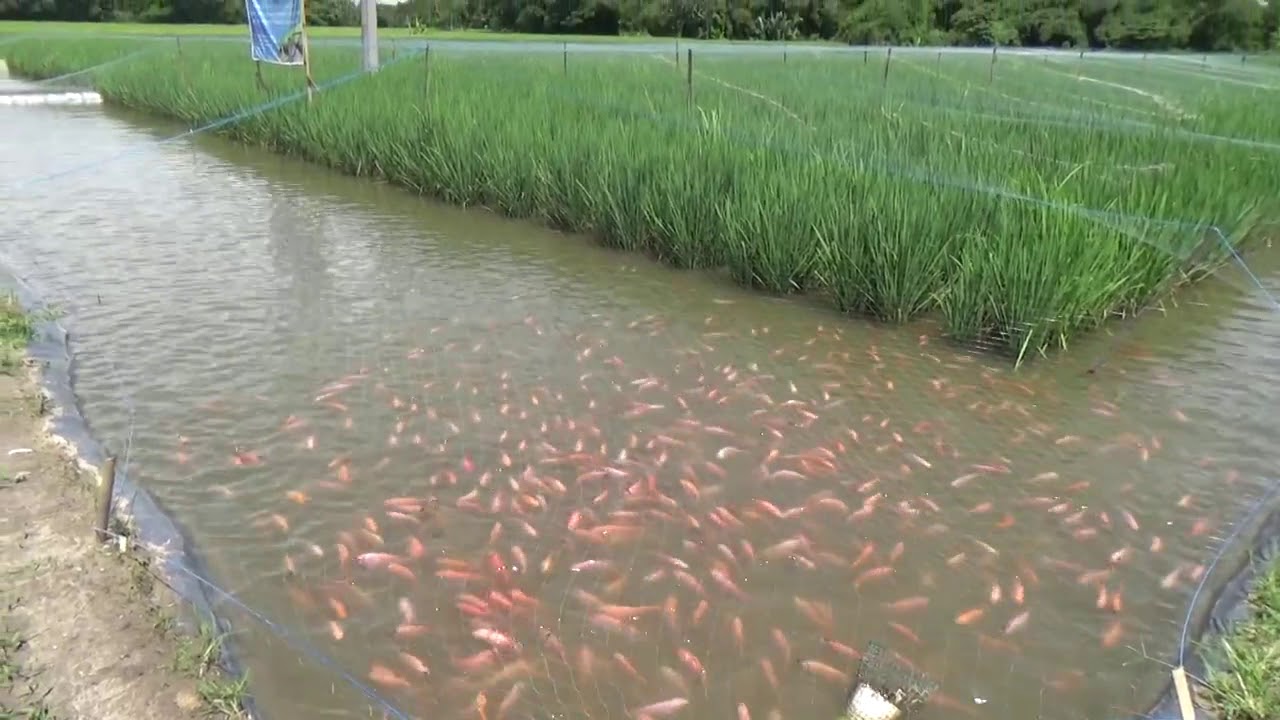
He pointed to Egypt’s successful experience in fish farming alongside rice cultivation, where the same water is utilized. This system achieves a greater economic return for farmers and improves the efficiency of resource utilization. Further details are provided in the following interview:
What do you say to the claims made by some that raise doubts about the safety of Egyptian tilapia?
Egyptian tilapia enjoys a good reputation, and the occasional concerns about its quality are not based on scientific evidence. The quality of any fish product depends on the practices followed during the stages of spawning, farming, feeding, harvesting, and handling.
When fish farms adhere to approved technical and veterinary standards and use good quality water and appropriate feed, the final product is safe, healthy, and suitable for consumption and trade both locally and internationally.
Read also: Prices of fish in Egypt not really increased, water scarcity threatens production
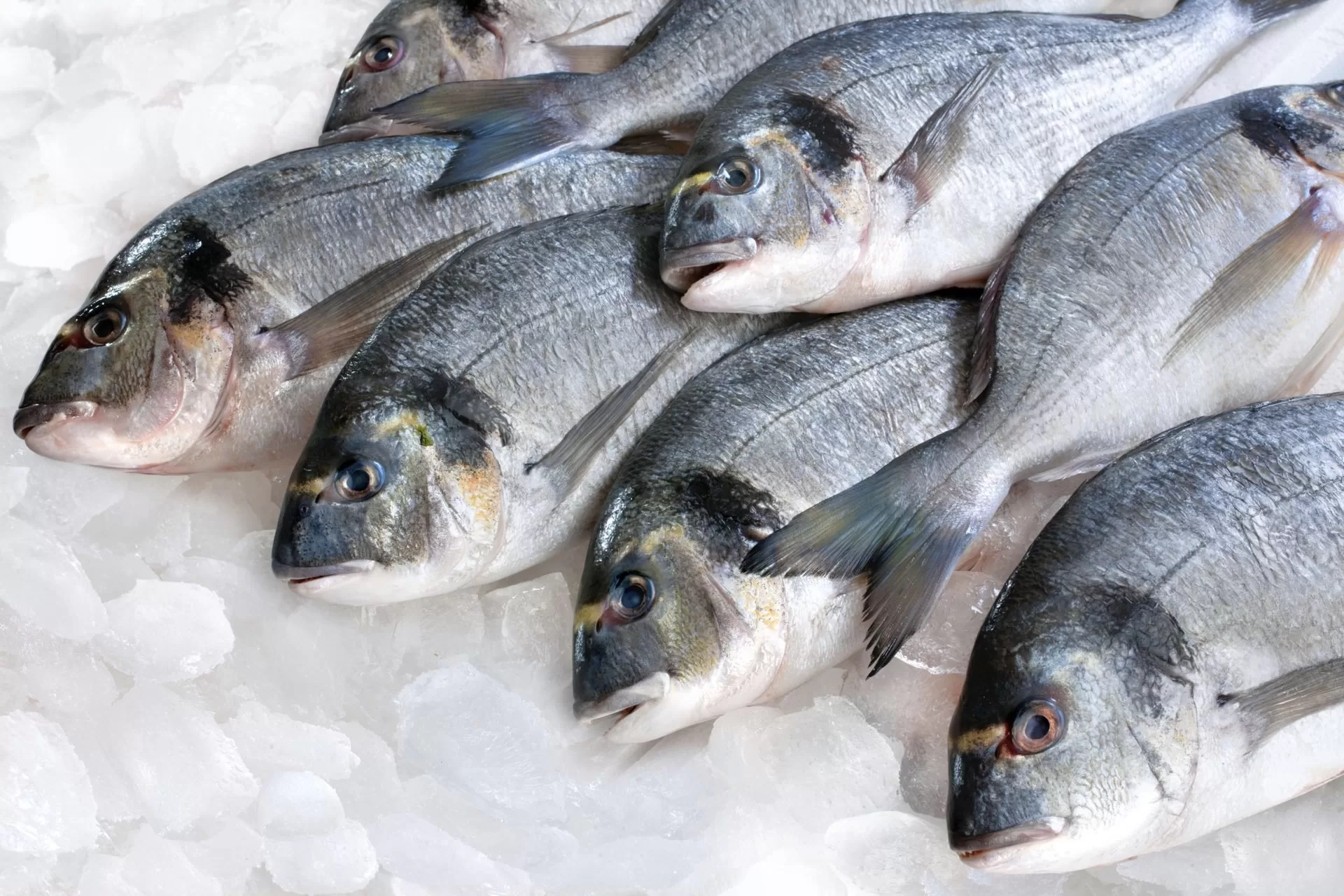
How can consumers ensure the safety of fish when purchasing?
Consumers can identify healthy fish by its external appearance, such as the natural color of the body, the integrity of the scales and fins, the symmetry of the abdomen and muscles, and the absence of redness, bleeding, ulcers, or scale loss.
Egypt has a scientific and regulatory system that relies on specialized laboratories spread across various governorates. These laboratories analyze fish samples before, during, and after harvesting to ensure their safety and suitability for human consumption.
What are the advantages of Egyptian tilapia, which the state is preparing to register under its name?
Tilapia is one of the most important fish for Egyptian consumers due to its high nutritional value. It is an important source of protein, nutrients, minerals, omega fatty acids, and various vitamins. It is also easily digested and absorbed, making it one of the most widespread and consumed types of fish in the local market.
What is the volume of local fish production?
We produce more than two million tons of fish annually, placing Egypt among the top ten countries globally in aquaculture. Aquaculture represents more than 80% of total production, with tilapia accounting for about 67% of that, exceeding 1.05 million tons annually. This makes Cairo the third largest producer of tilapia in the world.
Countries that cultivate large areas of rice utilize this water for fish farming; why doesn’t Egypt do the same?
Egypt has a successful track record of combining fish farming with rice cultivation, using the same water to produce two crops. This generates greater economic returns for farmers and improves the efficiency of resource utilization.
Read also: Egypt throws one million tilapia fry into the Nile River
Fish do not consume water; rather, they live in it and benefit from the natural food sources it contains. Their waste also contributes to improving soil fertility and reducing the need for chemical fertilizers. This allows for simultaneous agricultural and fish production, while lowering costs and optimizing water use.
What are the state’s plans for expansion in this sector?
There is a trend toward expanding integrated aquaculture systems by using water produced from fish farming to irrigate various plants and crops. Work is also underway to implement water recycling technologies and improve water use efficiency, which supports the sustainability of fish and agricultural production in light of the challenges associated with water resources.
Has Egypt begun taking steps to export abroad?
Over the past two months, several Egyptian fish farms have received the necessary approvals to export farmed fish to the European Union for the first time. We are currently working to qualify more farms to meet European standards.
Some farms are already ready for export, while others require development or technical and veterinary support. These requirements are not costly but improve product quality and enhance its competitiveness in international markets.
What is the agency’s role in monitoring fish farms?
The agency continuously monitors farms by reviewing water sources, aquaculture systems, and practices within the farm, and assessing their suitability for production or export. If any issues are identified, we provide technical support and rehabilitate the farm to meet the required standards.