
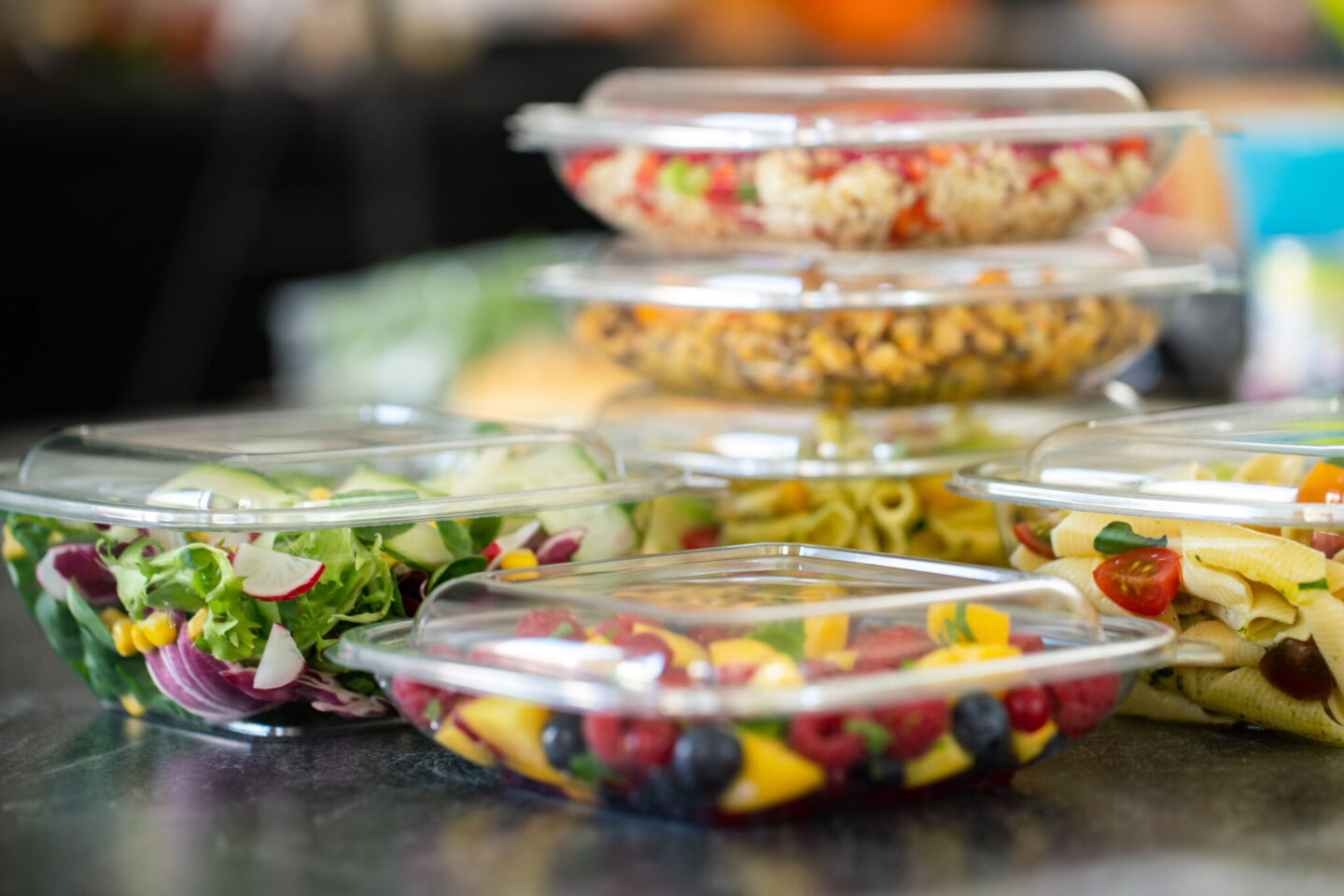
A recent Food and Agriculture Organization of the United Nations (FAO) report has raised concerns about the food safety packaged in recycled plastic and alternative materials, and whether they are exposed to chemical hazards and the transfer of contaminants.
The (FAO), in a report issued Wednesday, May 13, 2026, entitled “Impacts of Recycled Plastic and Alternative Packaging Materials on Food Safety,” and received by Food & Climate, stated that food packaging is essential for maintaining food quality and reducing waste.
The food and beverage sector uses more than two-thirds of the packaging produced. The widespread use of plastic food packaging has exacerbated the global plastic waste crisis, due to low recycling rates and unregulated or uncontrolled disposal.
As sustainability efforts accelerate, interest in recycled plastic and alternative materials is growing; however, their use raises critical questions about food safety.
This report addresses key food safety considerations for recycled food packaging materials, highlighting associated chemical risks, including the transfer of contaminants, intentional or unintentional additives, and unknown compounds.
Other concerns about food safety packaged in recycled plastic
In addition to concerns about chemical transfer related to food safety in recycled plastic packaging, emerging concerns, such as the presence of micro- and nano-plastic particles in food, further complicate regulatory decision-making, according to the FAO report.
Read also: Transformation from Single-Use Plastic to multi-use in Egypt, tow UNIDO officials explain the reasons for postponing the project awareness campaign to “Food & Climate”
The report also addresses potential food safety issues related to bioplastics and smart packaging, innovations that contribute to sustainability and improved performance but introduce new safety considerations related to the properties of raw materials and added chemicals.
Steady growth
The FAO report comes amid steady growth in the global food packaging market, which reached $505.27 billion in 2024 and is projected to reach $815.51 billion by 2030.
Snacks, ready meals, fast food, desserts, and packaged beverages illustrate how changing consumption patterns and lifestyles are driving the increased demand for food packaging.
Packaging plays a crucial role in reducing food waste by extending shelf life and preserving quality, thereby contributing to lower production costs, improved efficiency in agri-food systems, support for food security and nutrition, and enhanced environmental sustainability.
Percentage of recycled plastic
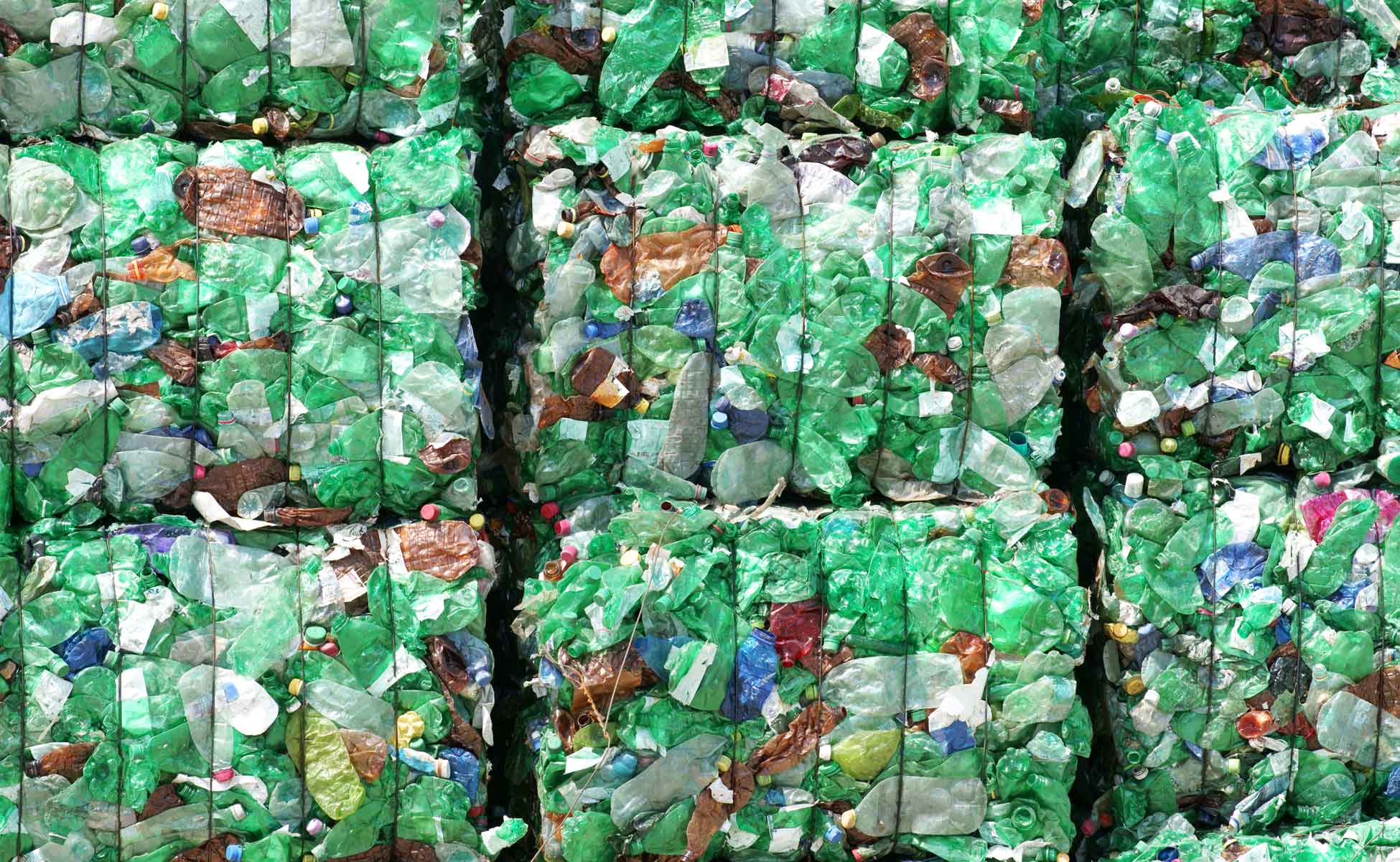
The widespread use of plastic packaging materials, which have a long half-life in the environment, exacerbates the global plastic waste problem, driving a gradual shift towards recycled plastics.
While less than 10% of the plastic waste produced globally has been recycled to date, this figure is expected to rise for sustainability reasons, raising important questions about the safety of chemicals in food.
Among the areas of concern is the potential for new risks associated with raw material sources—such as pesticides, natural toxins, or allergens—in bio-based food contact materials derived from natural and renewable resources like corn, sugarcane, and cassava.
Read also: India’s ban on 19 types of single-use plastic plastics is environmentally unaffected
Additional concerns arise from the intentional use of new additives, such as nanomaterials, which are used to enhance material performance or enable active packaging functions.
The report called for effective cleaning and chemical removal during plastic recycling processes specifically designed for food contact materials.
Addressing the growing public concern about exposure to micro- and nano-plastic particles in food and beverages requires validated analytical methods for their detection and identification.

Inadequate analytical methods
The report noted that the current lack of such methods has prevented regulatory bodies from determining a clear risk to human health. There are also potential problems in global trade resulting from a lack of regulatory coordination.
The report highlighted the need to pursue environmental goals in parallel with addressing health concerns stemming from potential chemical contamination and the transfer of chemicals from food packaging to food.
Read also: Single-use plastic, developing an alternative that is biodegradable in the oceans
“We want to recycle more plastic,” said Corinna Hawkes, Director of the Agrifood Systems and Food Safety Division at FAO: “but we also want to ensure that solving one problem doesn’t create new ones. Food safety must be a key consideration in the transition to more sustainable agri-food systems.”
More details: