
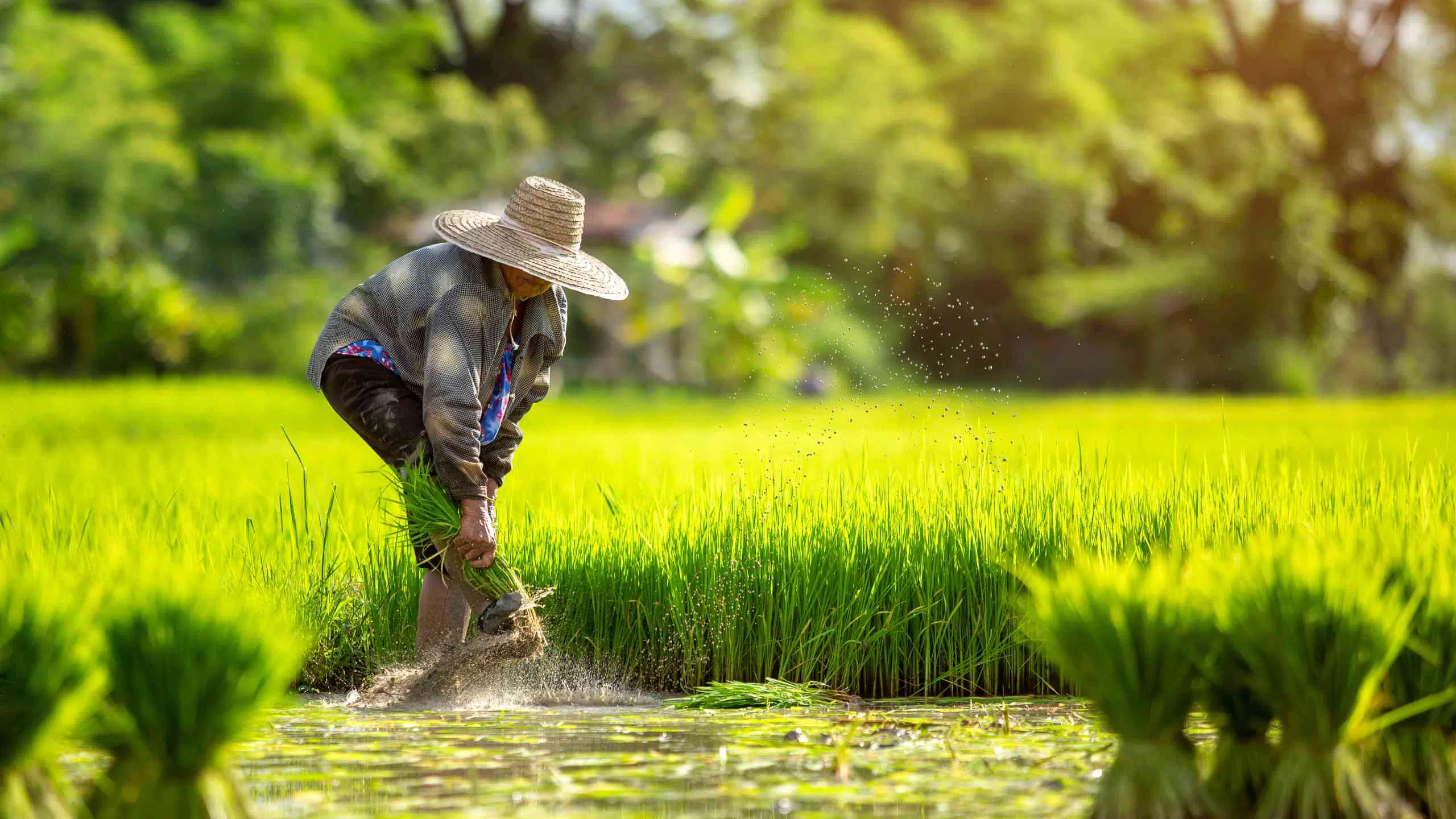
Some Thai rice farmers have suspended rice cultivation because their profits are simply not enough to cover the ballooning costs, Oscar Tjakra, a senior commodities analyst at Rabobank in Singapore, said.
Rice prices surged the most in more than two years on concerns about the supply outlook. This comes after the cost of fuel and fertilizer jumped due to the Iran war, prompting some Thai farmers to leave their crop in the ground, according to a report seen by Food & Climate.
Thai white rice 5% broken, an Asian benchmark, jumped 10% to $423 a tonne in the week ended Apr 8, the biggest gain since August 2023.
While it is an early sign that rising input, costs are starting to impact the market, prices have been on a prolonged downtrend and were recently near the lowest in over a decade.
The decline in rice prices was an exception to the UN Food and Agriculture Organization’s (FAO) Cereal Price Index in March.
While wheat, maize, sorghum, and barley prices rose, the FAO Rice Price Index fell by 3.0 percent, reflecting price declines across all major market segments, driven by a combination of harvest pressures, weak import demand, and currency depreciation against the US dollar.
Pre-war drought for Thai rice farmers
Oscar Tjakra, a senior commodities analyst at Rabobank in Singapore, said, that Thai rice farmers were facing a difficult situation even before the Iran war due to a prolonged drought, which resulted in a significant drop in yields and reduced current crop supplies.
Tjakra said a stronger baht and higher freight and insurance costs, due to the war in the Middle East, contributed to the jump in rice prices.
Read also: Iran war prevents Thai rice from entering the Middle East
Thailand is the third-largest exporter globally, based on data from the US Department of Agriculture.
Farmers in the country, along with others in the region, are currently collecting their off-season crop and getting ready for the planting of the main crop that starts as early as May.
US President Donald Trump has indicated that he may be preparing to wind down the war with Iran, offering some relief to broader markets. However, it will take some time for energy flows to return to normal through the Strait of Hormuz.
That may mean input costs remain elevated for longer, denting rice output.
Fuel for agriculture
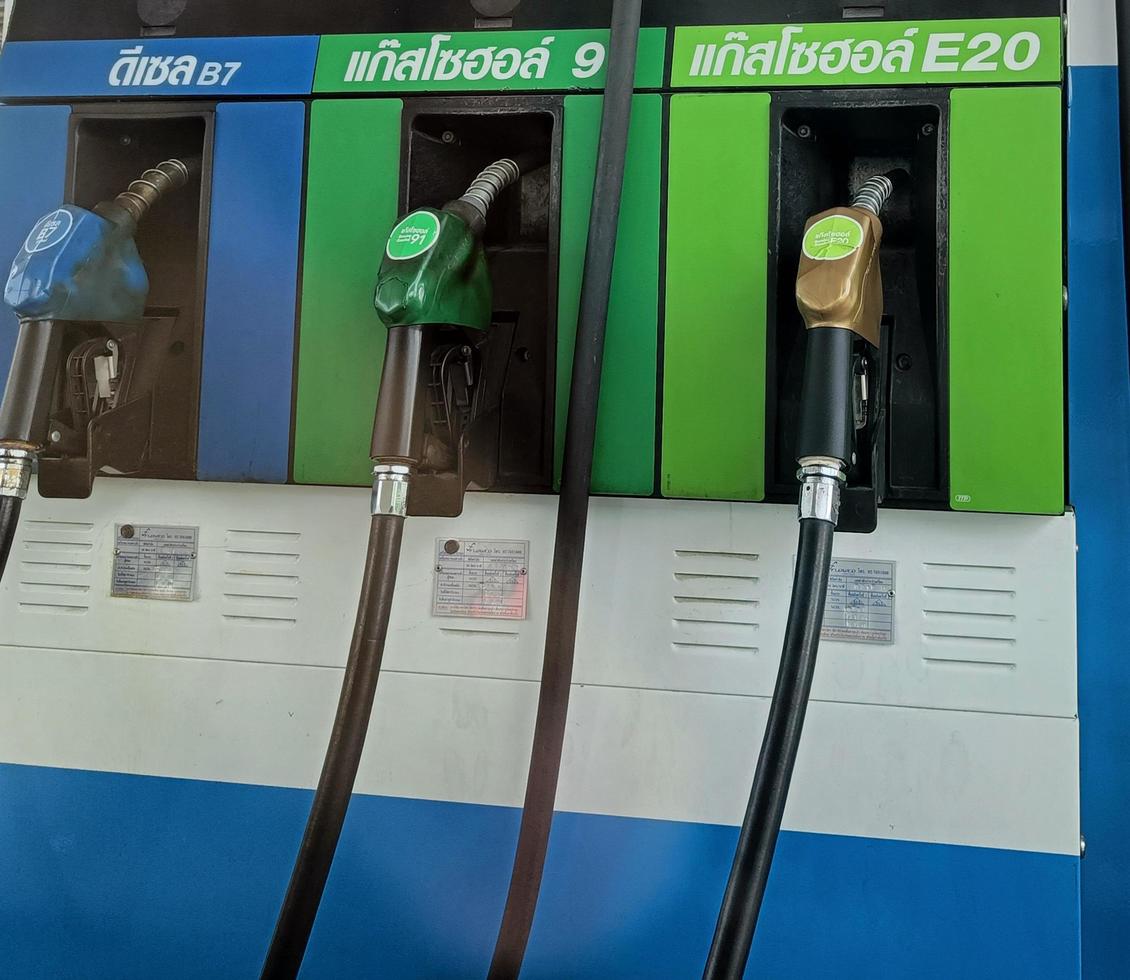
Adding to the problems faced by Thai rice farmers, and farmers in generalو Thailand, and many neighbouring countries, which depend on energy imported from the Middle East, are on the frontlines of an energy crisis triggered by the war. The Thai government says it has enough energy for 100 days, but still, in many areas of the country, long queues and “out of stock” signs have appeared at the pumps, according to The Guardian.
Read also: Iran war pushes FAO Food Price Index higher in March 2026
The crisis has also caused major disruption for farmers and fishers in Thailand, one of the world’s biggest exporters of produce such as rice, sugar and canned and processed fish. Farmers have been unable to get diesel to power their machinery, including to harvest crops, while many fishers remain grounded. A fisher group warned this week that the multi-billion-dollar industry could come to a complete standstill within days if the government doesn’t offer support to help with the cost of fuel.
“Looking ahead, in one month, how high is it going to go?” said Pairote Rodpai, 40, whose family own a 11.2-hectare farm nearby in Ayutthaya. “Within the next months when we need to harvest, the harvesting will use even more fuel than the water pumps.”
His uncle, Theerasin Thanachawaroj, says the family have farmed on their land for three generations, but have never experienced this kind of disruption before.
Read also: Why US farmers will abandon corn farming after the Iran war?
Pramote Charoensilp, president of the Thai Agriculturist Association, worries things could get even worse if the war drags on. In a month, Thai farmers will begin to purchase fertiliser as they prepare for the next harvest – another product that is imported from the Middle East. “In May, if we are still in war, the price problem is going to be worse – more difficult and more severe,” said Pramote.
More details: