Egypt reduced its use of nitrogen fertilizers in 16 governorates, based on recommendations from the Agricultural Research Center, before the outbreak of the Iran war.
It began compensating for this reduction with different components such as compost and organic fertilizers, according to statements by Alaa Farouk, Minister of Agriculture and Land Reclamation.
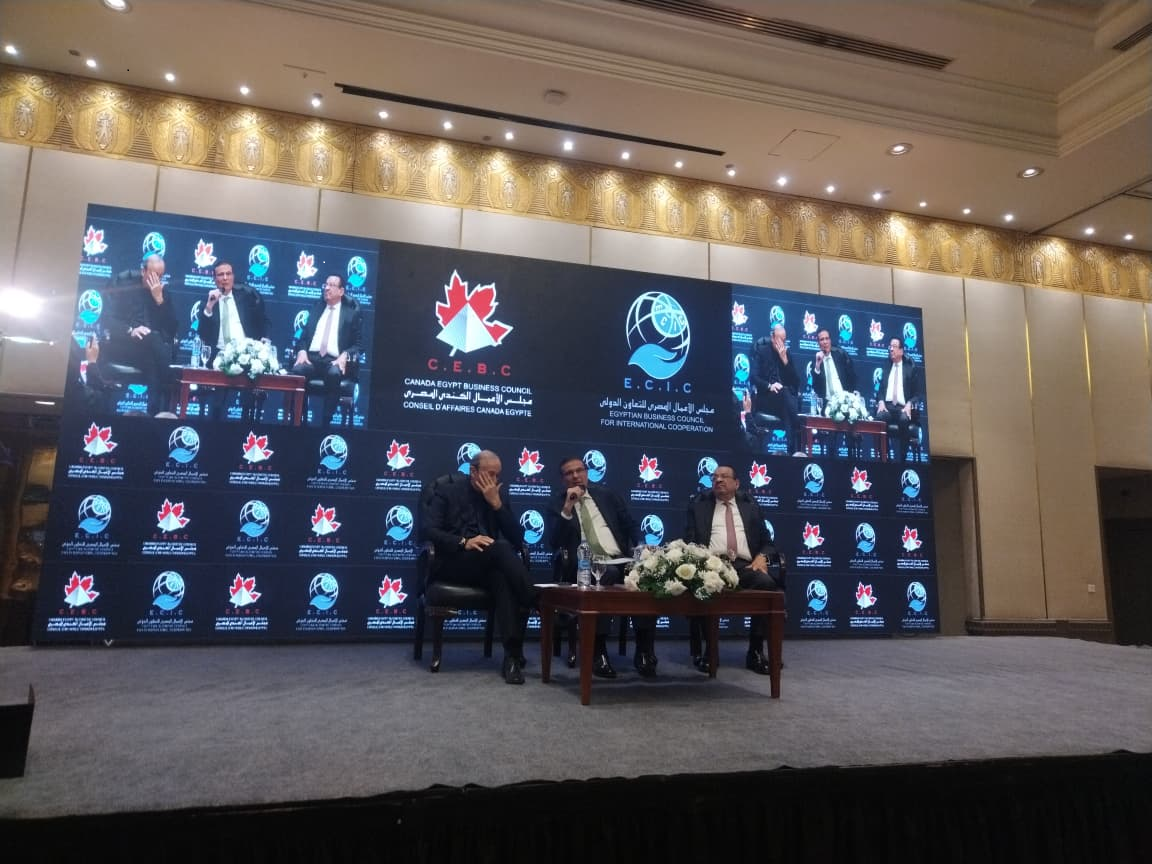
Farouk’s remarks came during a meeting organized by the Egyptian-Canadian Business Council yesterday evening, titled: “On the Agricultural Strategy in Egypt in Light of Current Challenges.” He was responding to a question about the potential for reducing nitrogen fertilizers, which rely on gas as a primary raw material, given the decline in domestic production and the rise in global prices due to the war.
Farouk said: “There is a fertilizer map in place for 16 of the 27 governorates. This map aims to partially replace nitrogen fertilizers with compost, organic fertilizers, and sulfur fertilizers.”
He added, “We also improve soil properties with agricultural gypsum and through mechanization. All these factors compel us to reduce the use of nitrogen fertilizers. As a result of following this policy, the amount of these fertilizers used per acre of sugarcane has decreased annually from 18 sacks to only 13 sacks.”
Dr. Saad Moussa, Deputy Director of the Agricultural Research Center, explained that the fertilizer map is prepared using modern technologies that enable the center to determine the percentage of chemical substances in the soil, in addition to identifying suitable crops for cultivation in a specific area.
The war in Iran created a severe fertilizer crisis due to the closure of the Strait of Hormuz and the destruction of many energy and fertilizer production facilities in the Gulf Arab states, which export a third of the world’s fertilizers.
This was compounded by the shutdown of liquefied natural gas (LNG) facilities in Qatar, which exports LNG, particularly for use in electricity generation and fertilizer production.
Nitrogen fertilizers and water conservation in Egypt
Alaa Farouk, Egypt’s Minister of Agriculture and Land Reclamation, stated that the country’s agricultural policy aims to achieve balanced development, address climate change, which is impacting production, and achieve greater food security.
During a meeting with the Egyptian-Canadian Business Council, he added that Egypt has 6.1 million acres of old agricultural land, which suffers from several problems, most notably high soil salinity and fragmentation of agricultural areas, with more than 80% of farmers owning less than one acre.
He also noted that the area of newly reclaimed agricultural land is 3.9 million acres, characterized by the high costs of its development projects.
Read also: The privatization of water companies in Egypt, Pedro Arrojo-Agudo warns
The minister continued, “In addition to agricultural plans that include reducing nitrogen fertilizers, we are working on a modern irrigation plan to conserve water and rely on selected seedlings.”
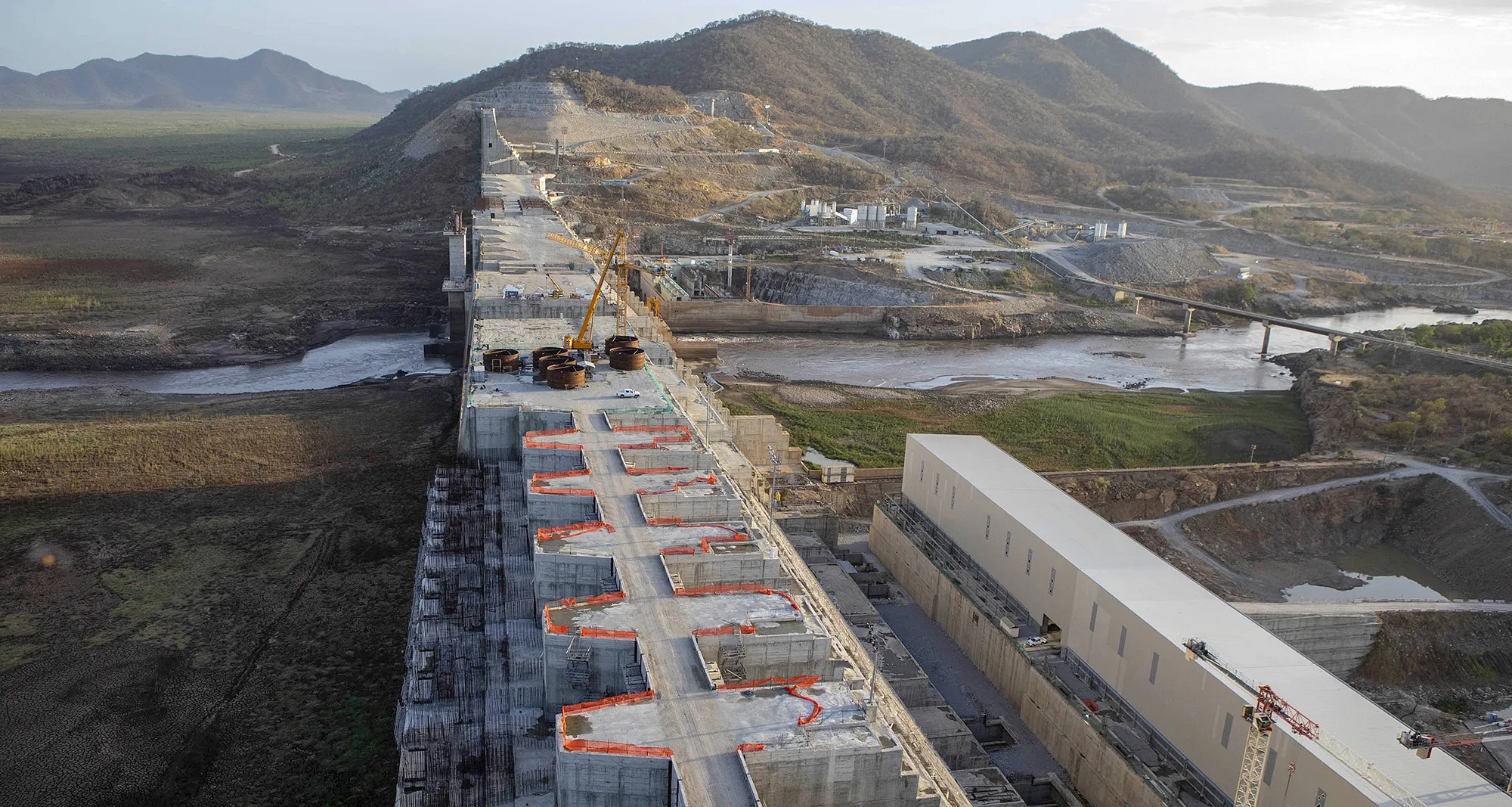
He explained that Egypt suffers from water scarcity, especially after the construction of the Grand Ethiopian Renaissance Dam.
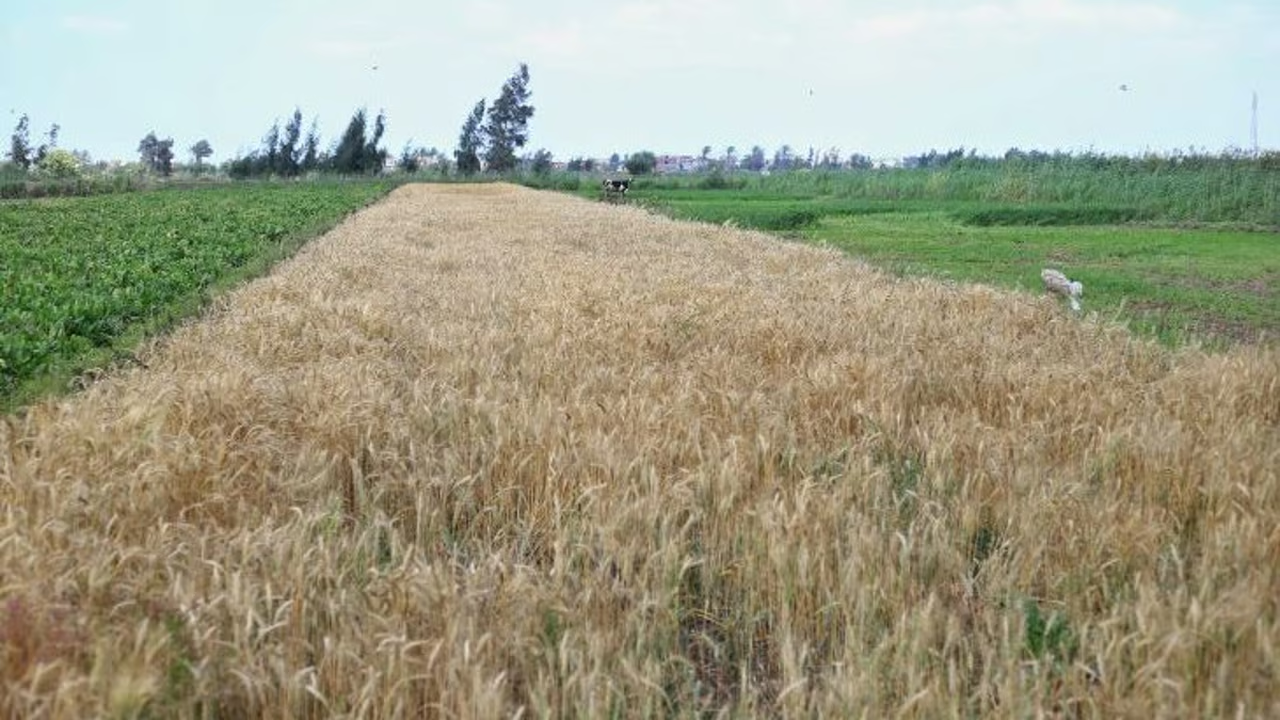
He stated that Egypt has become one of the highest wheat yields per acre in the world., sometimes reaching 28 ardebs per acre annually, with an average of 18-20 ardebs.
Increase red meat production
The Egyptian Minister of Agriculture said that his country is working to protect agricultural production from pests through a strict system for registering pesticides, implementing inspection campaigns, seizing illegal pesticides, and taking samples to monitor pesticide residues. Egypt plans to increase its self-sufficiency in red meat, currently importing around 400,000 tons annually out of a total consumption of one million tons.
The northeast African nation aims to increase its livestock population from the current 8 million head to 10 million, while also improving breeds.
“Current breeds are produced at a similar cost to better breeds,” the minister stated.
He also noted the achievement of self-sufficiency in several other products, including fresh milk, eggs, poultry, rice, and sugar.
Read also: The Grand Egyptian Museum Reveals Secrets of Preserving Nile River Water from Waste
Egypt aims to increase its self-sufficiency in wheat to 50%, corn to 55%, and meat to 60%.
Cairo also seeks to increase agricultural exports to $20 billion by 2030, according to the minister.
Moataz Raslan, head of the Egyptian-Canadian Business Council, stated that the agricultural sector currently contributes about 15% to the GDP and employs a quarter of Egypt’s workforce.
He praised the surge in Egyptian agricultural exports, which reached 9.5 million tons last year. He added that the issue of food security is no longer just an agricultural or production issue, but rather a national sovereignty issue related to the ability of society to provide safe and sustainable food for every individual.