
Food & Climate
The current fertilizer crisis, triggered by the war in Iran and the closure of the Strait of Hormuz, is paving the way for Russian dominance in the markets, and the resulting rise in real food prices will become apparent in 2027, according to Alexandra Prokopenko, a fellow at the Carnegie Russia Eurasia Center.
She wrote an article about it, and Food & Climate would display the main points.
Historically, Russia was the world’s largest exporter of anhydrous ammonia; however, the Togliatti–Odesa ammonia pipeline is note currently operating due to the war in Ukraine. A new terminal on the Taman Peninsula was supposed to partially resolve this issue, but the details on its full capacity remain unclear. Nevertheless, the Kremlin has already declared that “Russia is one of the few countries that can ensure a growing market supply.”
The consequences of restricted transit for the oil market are already clear and well known. Not as much attention is being paid to the impact on the global fertilizer market. The changes there will be more gradual, but irreversible. Food prices will take six to nine months to react to the supply shock in the fertilizer market resulting from the closure of the Strait of Hormuz. Meanwhile, Russia might enjoy more lasting benefits than temporarily lining its pockets with petrodollars.
The fertilizer crisis details
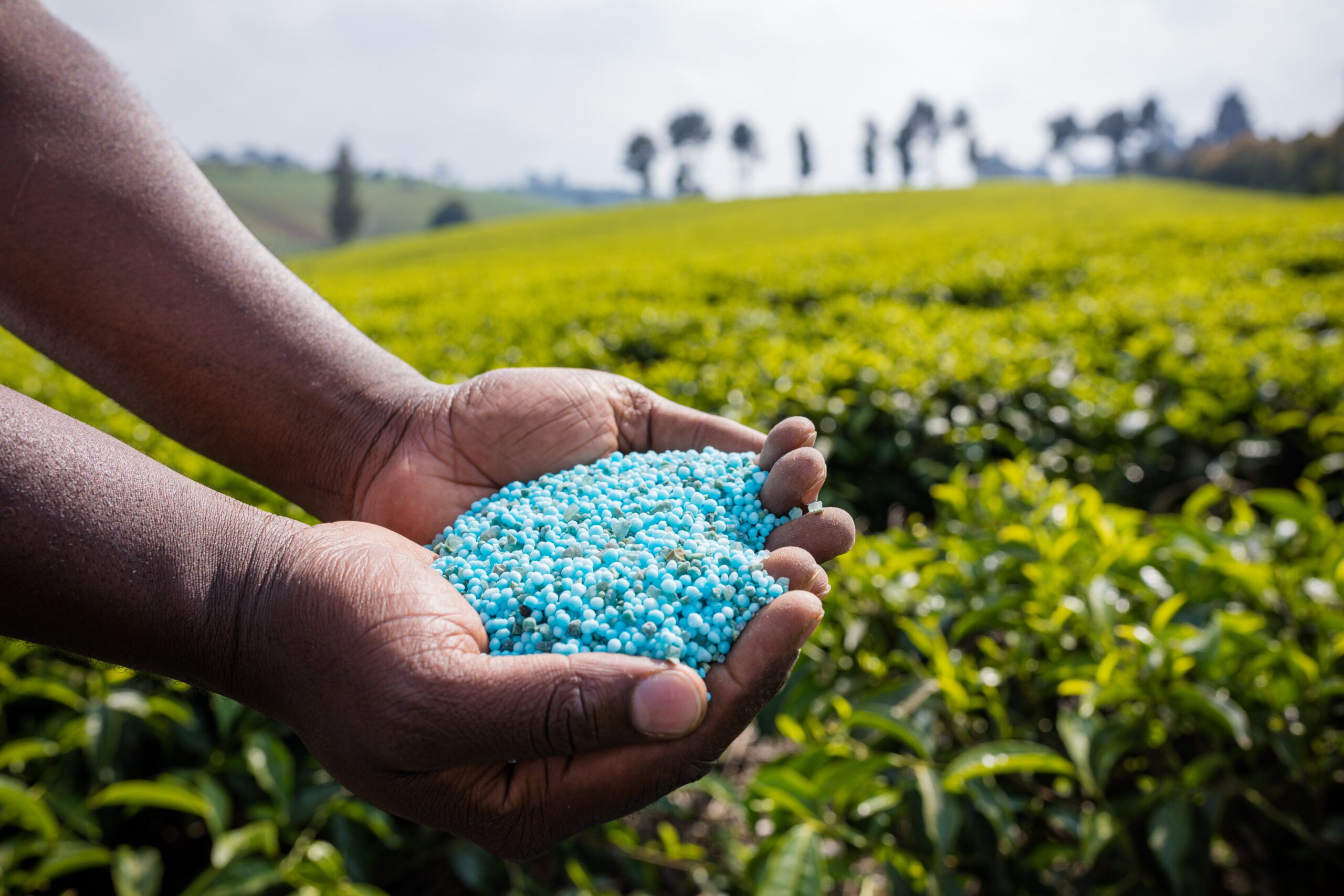
The Strait of Hormuz is the most important transit route not just for oil but also for fertilizers. Persian Gulf countries account for about 46% of global seaborne urea transit and around 30% of ammonia transit. These nitrogen compounds are integral for efficient cultivation of almost every food crop. However, their shipping from the Persian Gulf is almost completely paralyzed.

Disruptions to maritime transit through the strait have already triggered a sharp surge in nitrogen and phosphorus fertilizer prices. According to Platts, as of March 19, the free on board (FOB) price for Middle East granular urea rose to $604–710 per ton, up from $436–494 before the start of the war. The Southeast Asia granular urea was at $750 per ton on March 19, up from $490–498 in late February. While these prices are still below the 2022 record highs, they continue to grow.
India Increases reliance on nano fertilisers with a new step
Furthermore, unlike with oil, there are no strategic reserves of urea, no alternate pipelines for ammonia, and no military escort programs. Saudi Arabia has created infrastructure to export oil bypassing the Strait of Hormuz, but no such solutions exist for fertilizers.
The lag between disruptions in fertilizer supply and rising food prices is measured in seasons rather than days. A farmer who doesn’t have access to urea at the start of the planting season might use less fertilizer, switch to a different crop, or forgo planting altogether. This decision affects the harvest in three to six months, and takes longer still to impact supermarket prices. Today we are at the very beginning of this cycle.
Russia reaps the gains
As in the oil market, Russia is a major beneficiary of the current fertilizer crisis, accounting for roughly 23% of global ammonia exports, 14% of urea exports, and, in conjunction with Belarus, 40% of potash exports.
Its export infrastructure is entirely independent of the Strait of Hormuz, so Moscow doesn’t need a ceasefire, military protection, or a diplomatic breakthrough to increase its exports. All it needs is demand, and it’s constantly growing.
Nigeria and Ghana have already begun pre-purchasing Russian fertilizers for the third quarter of 2026. “This is a logical market reaction to the disappearance of competing supplies, and once these ties are established, they will become a dependency that may persist even after any ceasefire ends,” according to a Carnegie researcher.
“When fertilizer buyers in Ethiopia and Bangladesh need urea before the monsoon season, they don’t think about the Ukrainian conflict; they call the Kremlin, and it answers them,” she said.
Moscow is well aware of these new opportunities. In an interview with Kommersant on March 18, presidential aide Nikolai Patrushev stated that a potential US war with Iran is not a temporary crisis, but rather a restructuring that should be exploited.
Why US farmers will abandon corn farming after the Iran war?
In the long run, the Kremlin stands to gain geopolitical advantages from the turmoil in the Persian Gulf, not just financial ones.
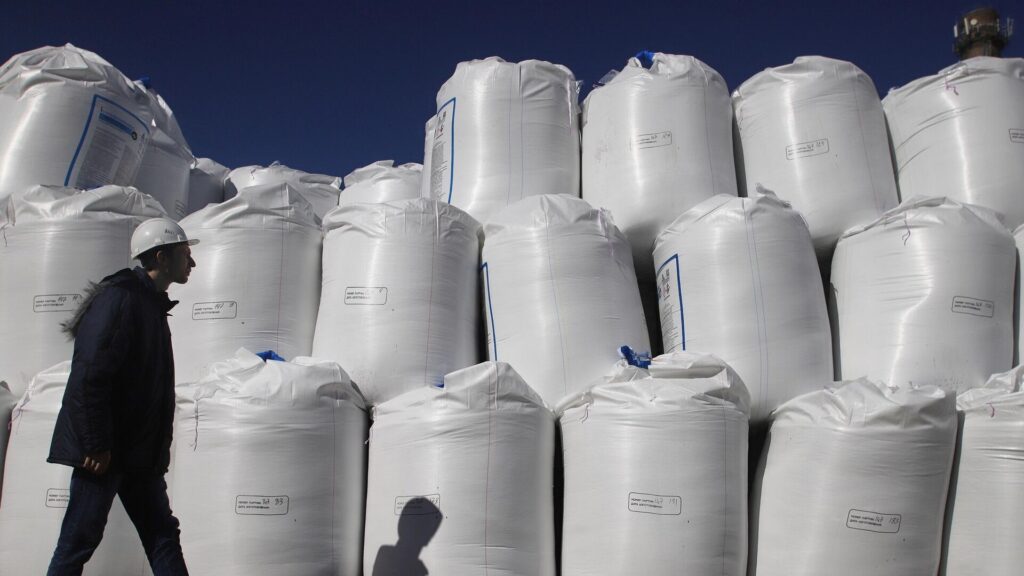
It is likely to receive additional oil revenues, but these may be finite. At the same time, rising fertilizer and food prices represent a victory of different dimensions. Russia will not only benefit from higher prices but will also have the opportunity to translate its market power into political influence, gaining leverage over countries whose neutrality is vital to the West.
The war in Iran will likely end before most people realize its connection to rising food prices in 2027. By then, Russia will have established itself as an indispensable supplier that saved the world from famine—a crop the Kremlin did not cultivate, but one it will most likely reap.
More details:
Carnegie Russia Eurasia Center.