
Food & Climate
Democratic and Republican senators from the Great Plains and Midwest have proposed the “Fertilizer Transparency Act” to offset, or at least monitor, the rising costs of fertilizer amid the third week of the war in Iran.
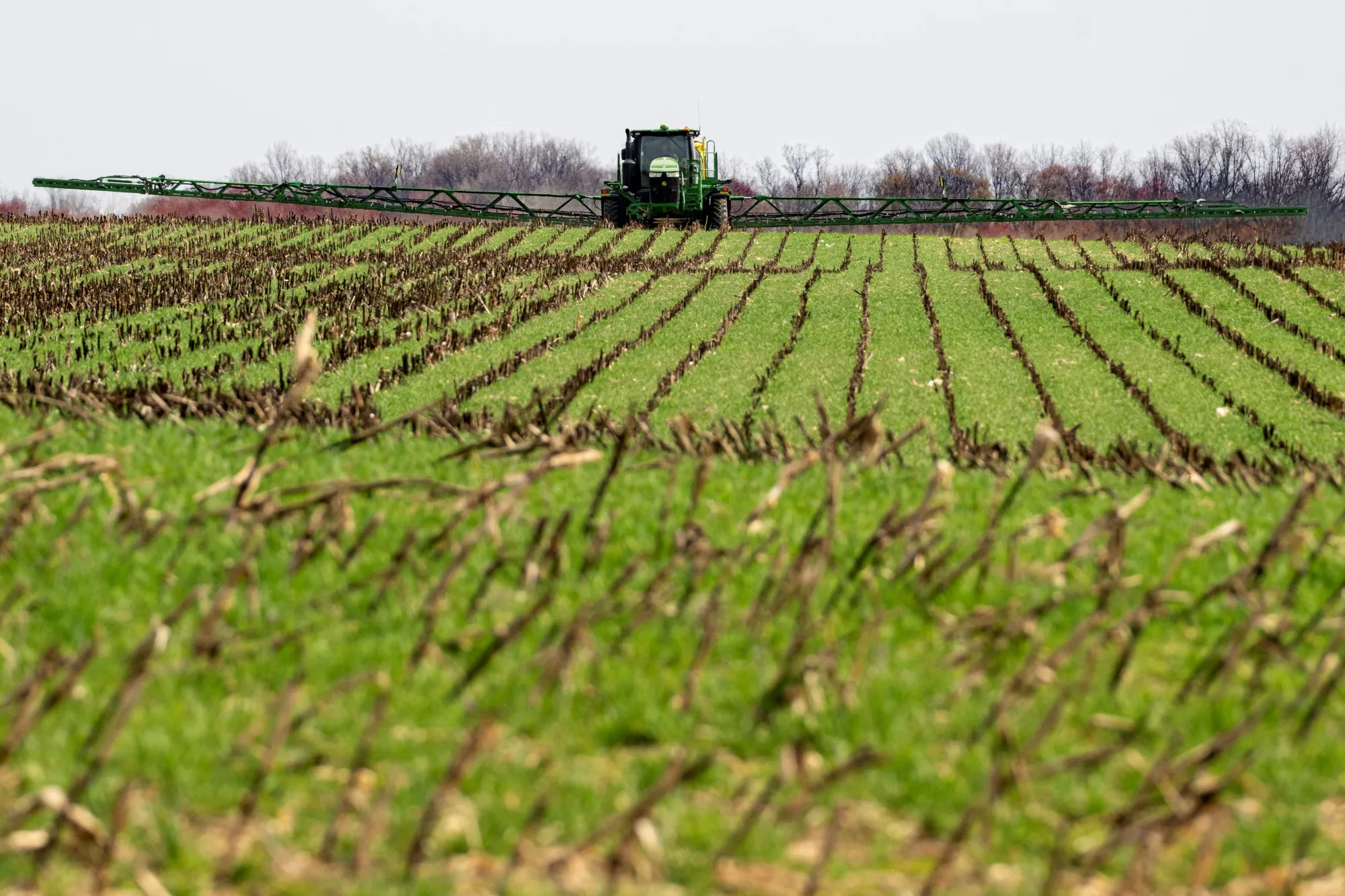
The cost of fertilizer impacts all major American crops. According to the U.S. Department of Agriculture, fertilizer prices will add up to 38% of the total operation costs for wheat growers, 36% of the total cost for corn growers and 23% of the overall cost for soybean growers during the 2026 to 2027 harvest.
USDA estimates were also conducted before the war in Iran, which has threatened the trade of fertilizer compounds such as urea in the Strait of Hormuz.
The bill of Fertilizer Transparency Act would add fertilizer to a list of commodities in the Agricultural Marketing Act of 1946 that the USDA tracks. The list already includes cattle and crops like hemp, according to a report seen by Food & Climate.
Fertilizer transparency law tracks prices
Co-sponsor Sen. Amy Klobuchar (D-Minn.) said the war in Iran has increased the need for transparency in reporting fertilizer prices, according to (CBS8).
“These bipartisan bills –Fertilizer Transparency Act– will help stabilize fertilizer prices, reduce supply chain disruptions and ensure farmers can access affordable fertilizer to keep feeding and fueling the world,” Klobuchar said.
Senate Majority Leader John Thune (R-S.D.) also cosponsored the bill, saying South Dakota farmers have faced “some pretty fierce economic headwinds over the past few years.”
“Higher prices for fertilizer — and the uncertainty surrounding costs — have only strained their budgets even further,” Thune said. “This legislation would empower producers with better information about fertilizer pricing.”
Agricultural associations, including the Minnesota Soybean Growers Association and the Minnesota Farm Bureau Federation, said they support the bill.
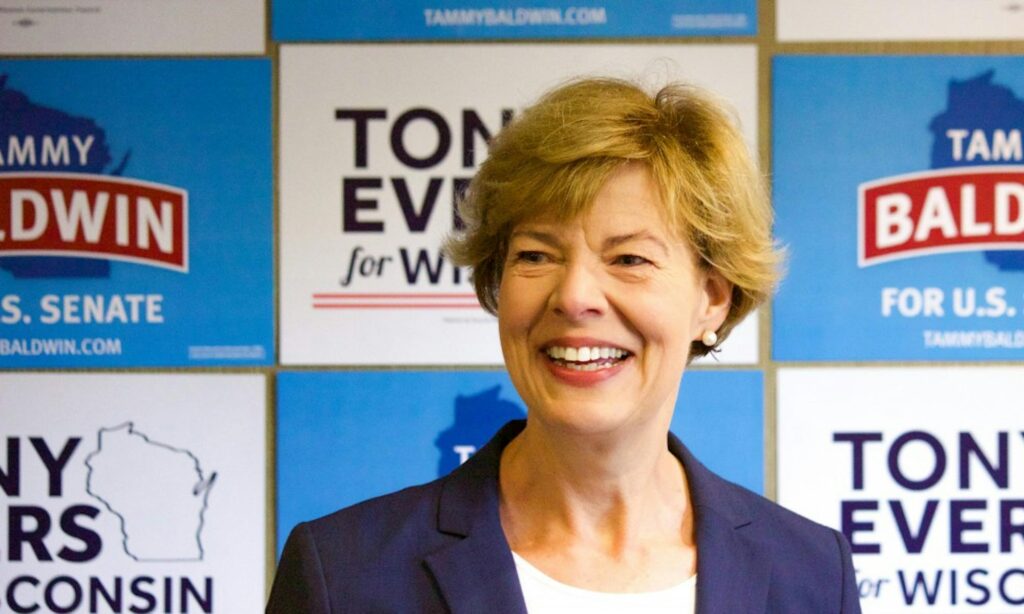
Senate President Pro Tempore Chuck Grassley (R-Iowa) and Sen. Tammy Baldwin (D-Wis.) also co-sponsored the bill.
Fertilizer giants possible price collusion
The U.S. Justice Department has launched an antitrust investigation into whether leading commercial fertilizer producers colluded to raise prices, Bloomberg News reported on March 4, citing people familiar with the matter.
The probe targets CF Industries Holdings Inc, Nutrien Ltd, The Mosaic Company, Koch Inc., and Norway' s Yara International ASA, which collectively control most nitrogen-based fertilizer sold in the U.S. and dominate potash and phosphate markets.
The investigation, being run out of the DOJ antitrust division's Chicago office, is examining companies' pricing practices for possible civil and criminal antitrust violations, according to the sources, who requested anonymity to discuss a confidential matter.
Why US farmers will abandon corn farming after the Iran war?
The scrutiny comes after the U.S. fertilizer industry underwent dramatic consolidation over four decades.
The number of nitrogen fertilizer producers declined from 46 to 13 between 1984 and 2008, a reduction of 72%, according to USDA data. Today, four firms control 75% of the nitrogen fertilizer market domestically, while two firms control nearly 100% of the U.S. potash market, according to University of Waterloo research.
The industry's pricing power became particularly evident in 2021, when fertilizer costs surged dramatically. Prices U.S. farmers paid for fertilizers increased over 60%, with nitrogen fertilizer prices jumping 95% and potash prices rising over 70%, according to USDA figures. The increases added an estimated $128,000 in costs per farm for feed grain operations in 2022.
Market concentration measures show exceptionally high levels across all fertilizer types. The Herfindahl-Hirschman Index (HHI) for the U.S. market stands at 2,382 for nitrogen, 4,553 for phosphate, and 3,455 for potash, according to Texas A&M AFPC research. Figures above 2,500 are generally considered highly concentrated.
Iran war will not delay WUF13 in Azerbaijan (Exclusive)
Historical data suggests fertilizer cartels have been particularly harmful to consumers. Research from the American Antitrust Institute found that the median overcharge by hard-core fertilizer cartel members was almost 41%, above the 30% overcharge for all industries from 1702-2010.
More details: