
Food & Climate
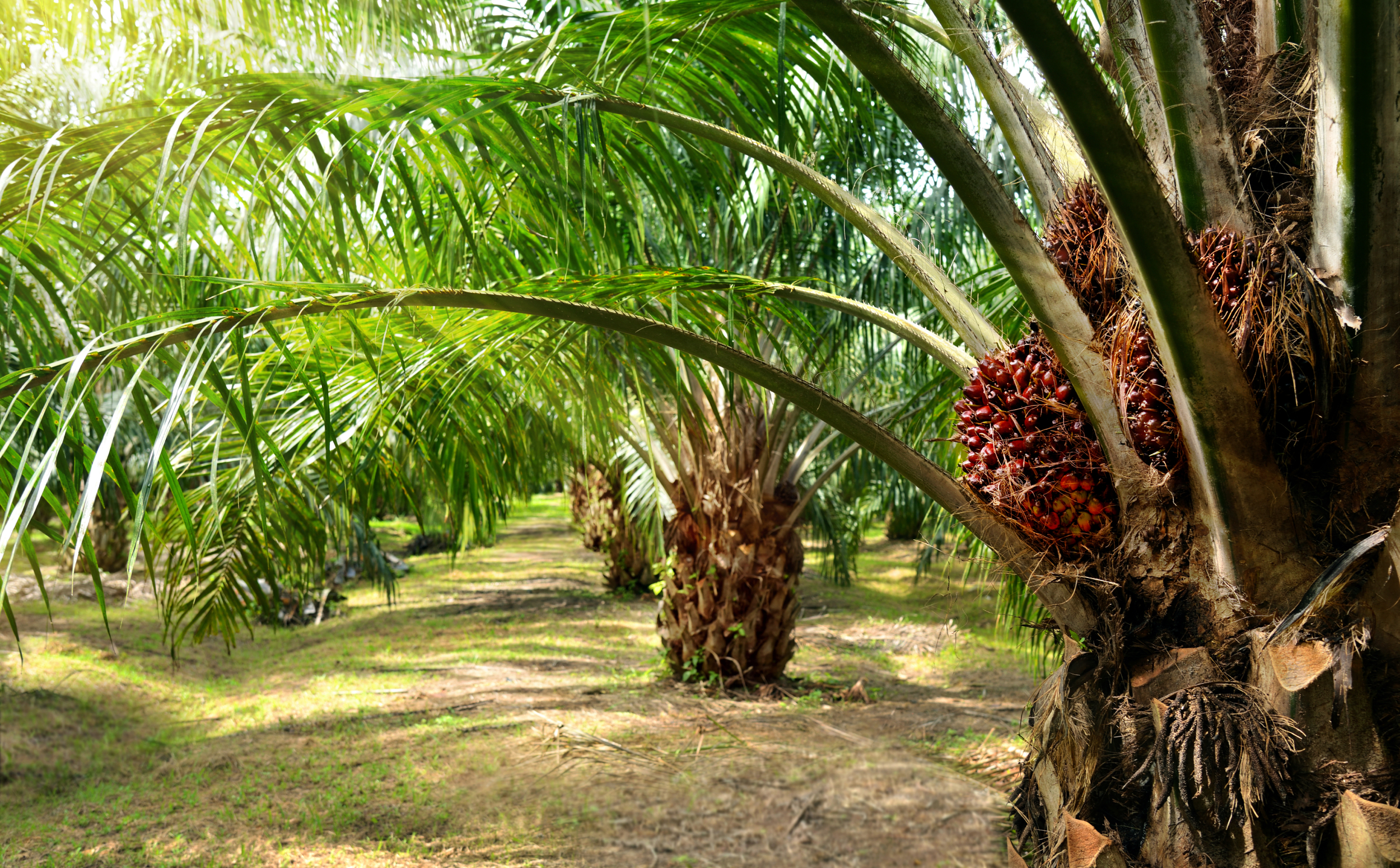
A large-scale analysis of global deforestation, published in Nature Food, found that beef is the number one and largest cause of deforestation, followed by palm oil, to make everything from peanut butter to mascara.
beef has driven about 120 million acres of forest destruction globally between 2001 and 2022, an area larger than the state of California in US.
And most of that loss was in the tropics, the analysis shows, in places like the Amazon rainforest that are teeming with wildlife.
Other commodities, like soy, also replaced millions of acres of tropical forest in the past two decades, the analysis, that Food & Climate seen, shows.
Manufacturers use palm oil — the most widely produced vegetable oil in the world.
Much of the world’s soy beans, meanwhile, are not bound to become tofu but are, in fact, fed to farm animals like chickens and pigs.
A larger deforestation footprint
One surprising result from the study is that many staple foods, like maize, rice, and cassava — commodities that tend to draw far more attention for their environmental impact — have a larger deforestation footprint than cocoa or coffee.
Global risk assessments tend to overlook those staples, perhaps because they’re less commonly exported to wealthy economies, according to Chandrakant Singh, the study’s lead author and a researcher at Sweden’s Chalmers University of Technology.
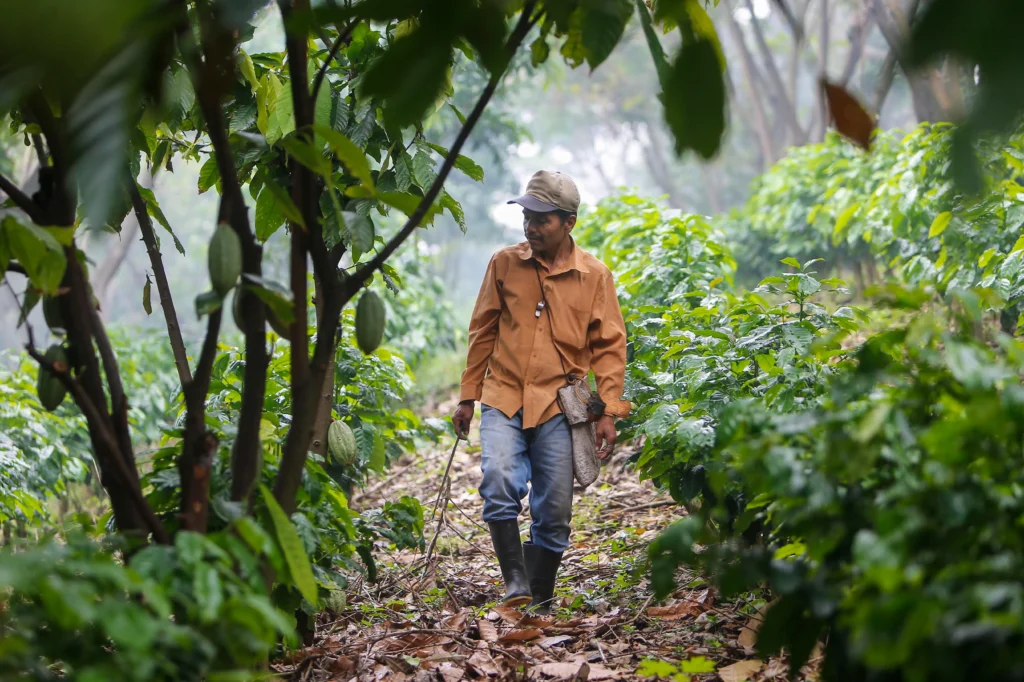
The new study may, however, be underestimating the impact of chocolate and coffee farms, said Liz Goldman, co-director of the forest monitoring platform Global Forest Watch at World Resources Institute, a nonprofit environmental group.
“The analysis is strong,” said Goldman, who was not involved in the new study but published a similar analysis in 2022. “The important thing to keep in mind is that there are some data limitations coming through in the results.” It’s still challenging for researchers to detect the expansion of cocoa or coffee farms, Goldman said. Scientists typically rely on satellite imagery to monitor crops, but commodities like cocoa and coffee often grow among naturally occurring trees and can look, in a satellite analysis, like natural forest — even though they typically have less biodiversity.
Clearing trees by burning
Beyond tallying acres of razed forest, the new paper also estimated how much carbon emissions that deforestation produced. Farmers and ranchers often clear trees by burning them, which releases the carbon stored in the trunks and branches back into the atmosphere.
Beef, once again, came in way ahead. The analysis suggested that raising cattle for meat created more than 20,000 megatons (or million metric tons) of carbon dioxide just in the past two decades through its impact on forests alone.
That’s equivalent to more than three times the yearly emissions of the US. And it doesn’t include the greenhouse gas emissions that stem from cow burps or the crops grown to feed them.
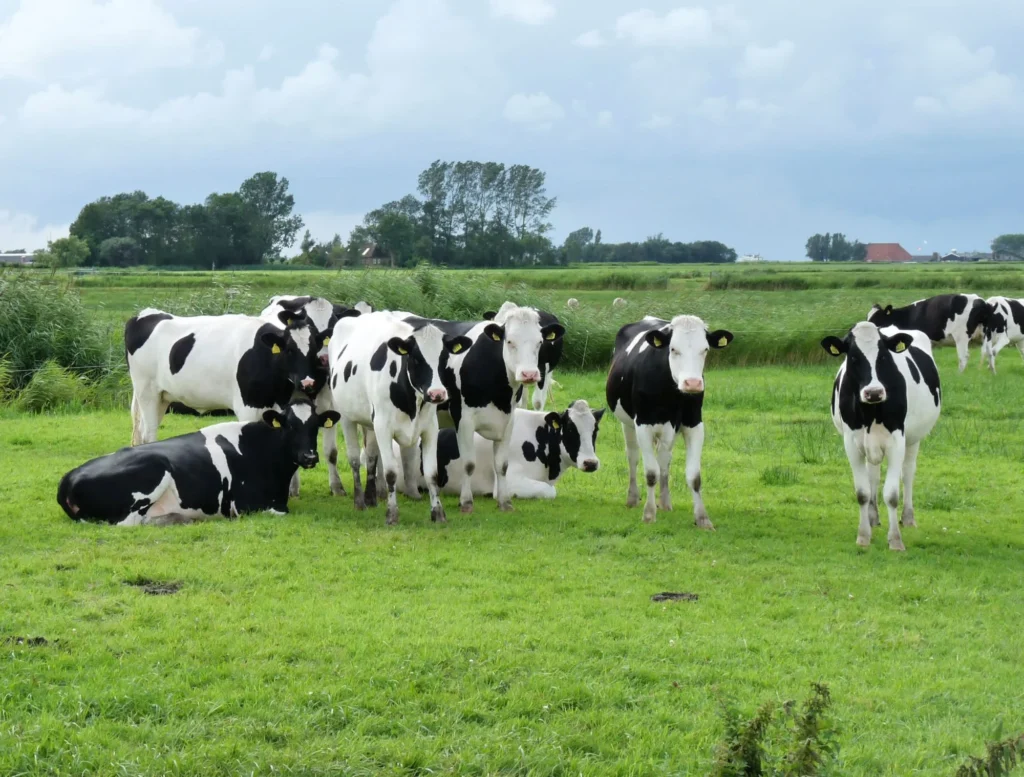
The good news here is that, without question, consumers can help rainforests by eating less beef — even if they don’t live in the tropics. The US, for example, still imports a lot of cattle meat from Brazil, where cows are known to graze on cleared Amazon jungle. Singh hopes that his new study motivates consumers to pay more attention to where their food is coming from.
But, at least for now, global demand for beef is continuing to grow, as rising wealth in countries like China makes beef more accessible.
The assumption among many people who work with forest data is that “more information will yield better outcomes,” Goldman, of Global Forest Watch, told Vox. “But it seems like that’s not the case here, unfortunately. I’m not sure what it will take to change behavior around this.”
Related topics:
Indonesian Official: Avoiding palm oil hike after blending biodiesel increase (Exclusive – Part 2)