

As temperatures drop, the olive harvest season begins in occupied Palestine—a tradition preserved by Palestinian families for generations. However, the 2026 season has seen an escalation in attacks targeting Palestinian farmers in the West Bank, driven by the Israeli elections, according to Bashar AlSaifi, Deputy Minister of the Palestinian Ministry of National Economy.
Speaking to “Food & Climate” on the sidelines of the Union for the Mediterranean Economic Forum—held in Cairo last week—AlSaifi explained that olive harvesters face numerous dangers, including physical assault, the burning of trees, the theft of harvested olives, and being denied access to their own land. These actions threaten a primary source of income for Palestinian families.
AlSaifi added that the surge in attacks during the harvest season is linked, among other factors, to attempts by the Israeli right wing to demonstrate its ability to exert control. He noted that, in his assessment, the Israeli government fails to take deterrent measures against the settlers involved in these assaults.
Legislative elections in Israel are set to begin the day after tomorrow, Tuesday, October 27, 2026. They take place as Benjamin Netanyahu—head of the current government, the most right-wing in Israel’s history—seeks re-election, while simultaneously aiming to reshape the map of the Middle East.
AlSaifi stated that the attacks on olive trees constitute an assault on both the environment and Palestinian heritage—noting that some of these trees are over a thousand years old.
He pointed out that these aggressions extend beyond the burning or uprooting of trees; they also encompass the torching of vehicles, the theft of harvests, assaults on Palestinian citizens, and the targeting of foreign solidarity activists and officials.
He warned that the continuation of these practices carries significant economic and social repercussions for agricultural communities.
Expansion of settlement outposts during the olive harvest season
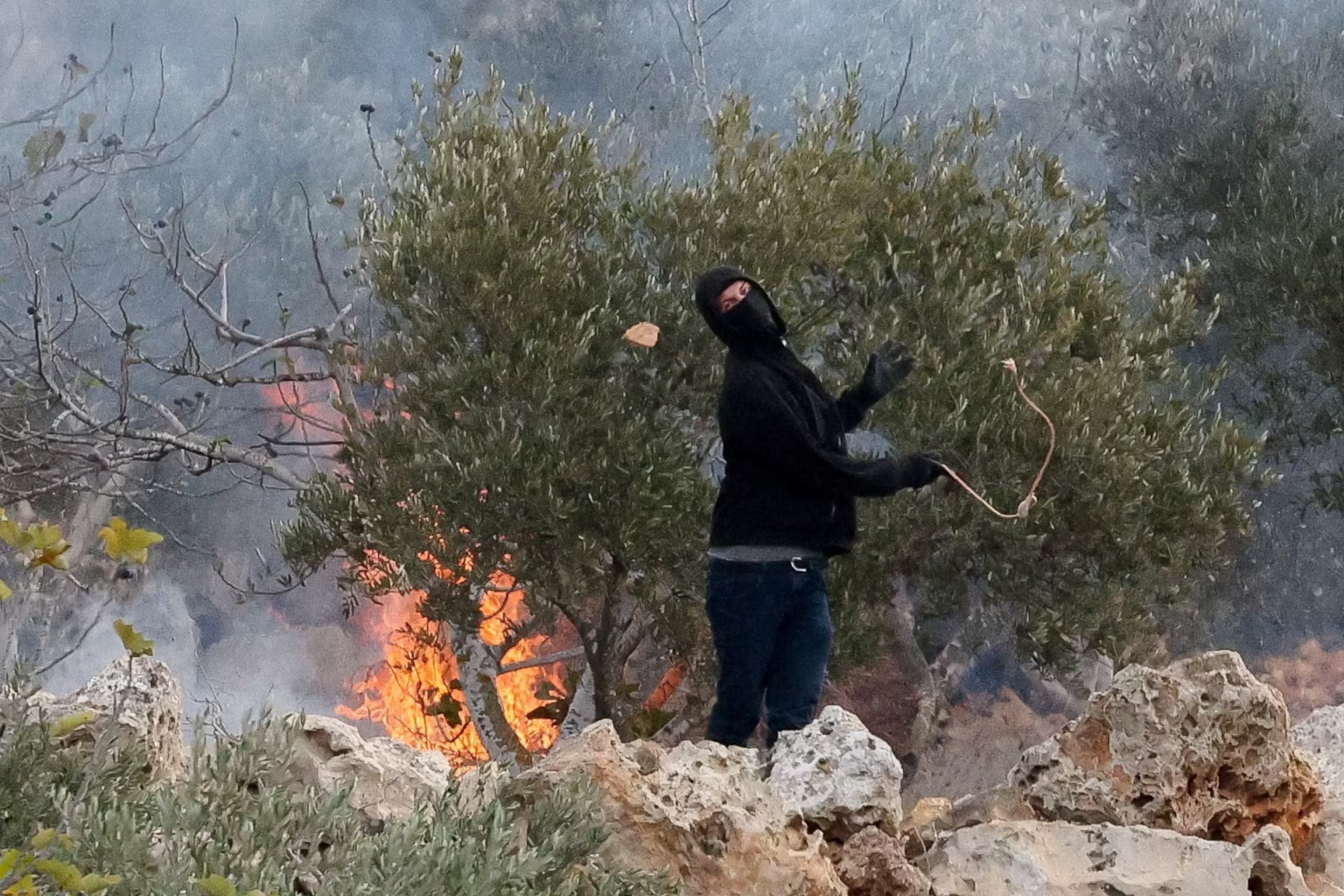
AlSaifi explained that the expansion of settlements and outposts in the West Bank, coupled with attempts to seize Palestinian land, form the broader context in which these attacks are escalating.
Read also: Hunger in Gaza, sending food to the Strip in plastic bottles by sea
He suggested that the climate surrounding Israeli elections may be fueling an increase in violence, as certain factions within the Israeli right seek to demonstrate their ability to assert control.
The week before last, dozens of hardline Israeli settlers—dressed in black and wearing masks—set fire to olive trees and pelted Palestinians with stones. This coordinated attack, which took place on a Friday, specifically targeted the annual harvest season in a West Bank village.
The theft of Palestinian olives
The organization “Yesh Din” reported that 125 attacks against Palestinians took place while they were harvesting olives over the past 24 days—since the beginning of the harvest season (which runs from the start of October through November each year).
In addition, there have been 168 recorded instances of the harvest being stolen. During this year’s olive harvest season, Palestinian authorities reported that three Palestinians were killed in daily attacks carried out by extremist settlers.
Read also: Angelina Jolie between Gaza and Los Angeles, food aid amid war and wildfires
For its part, the Office of the United Nations High Commissioner for Human Rights stated that the Israeli assault on the olive harvest season serves as “another tool for displacement and dispossession,” further exacerbating the suffering of Palestinian communities.
The Office called on all states and donor entities to take urgent action to provide protection.
Economic losses threaten the olive harvest season
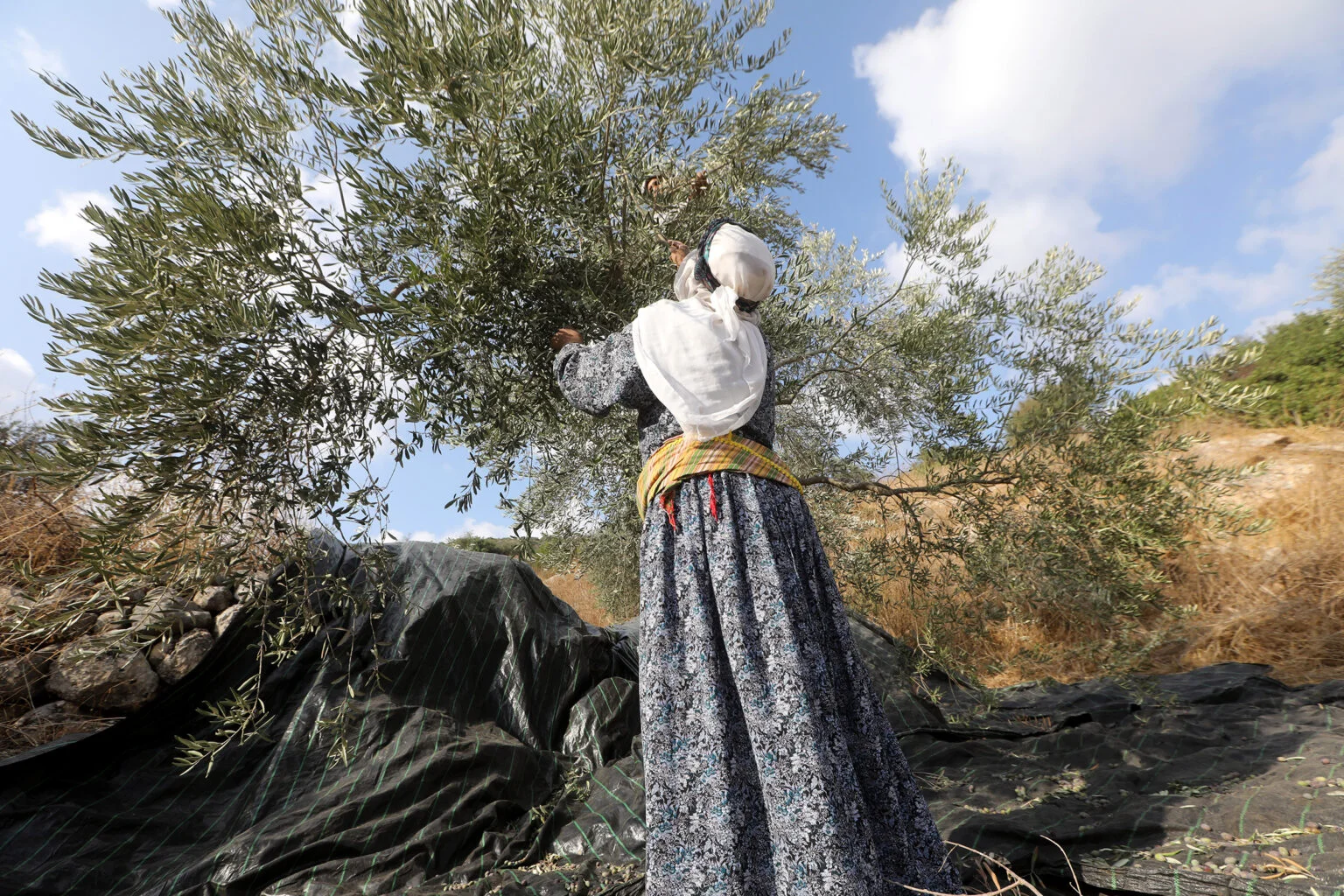
Economically, AlSaifi noted that the olive season typically yields about 21,000 tons of olives annually, with exports reaching approximately 10,000 tons—making the sector a vital source of income for Palestinians.
He added that estimates from the Palestinian Ministry of Agriculture indicate that the season has been impacted by more than half; production is expected to fall to around 11,000–12,000 tons—a loss of over 50% of the usual yield, amounting to financial losses estimated in the millions of dollars.
He pointed out that the damage extends beyond the current harvest; the uprooting and destruction of trees result in long-term losses estimated in the billions of dollars. This is because olive trees require many years to grow and become productive, in addition to their significant environmental and cultural heritage value.
Read also: Only 1.5 % of cropland in Gaza is accessible and not damaged (UN)
AlSaifi urged the international community to take action to halt these attacks and ensure the protection of Palestinian farmers. He emphasized the necessity of upholding international law, UN Security Council resolutions, and international legitimacy—ensuring the protection of agricultural land and the rights of Palestinians to access their property and carry out their agricultural activities safely.