
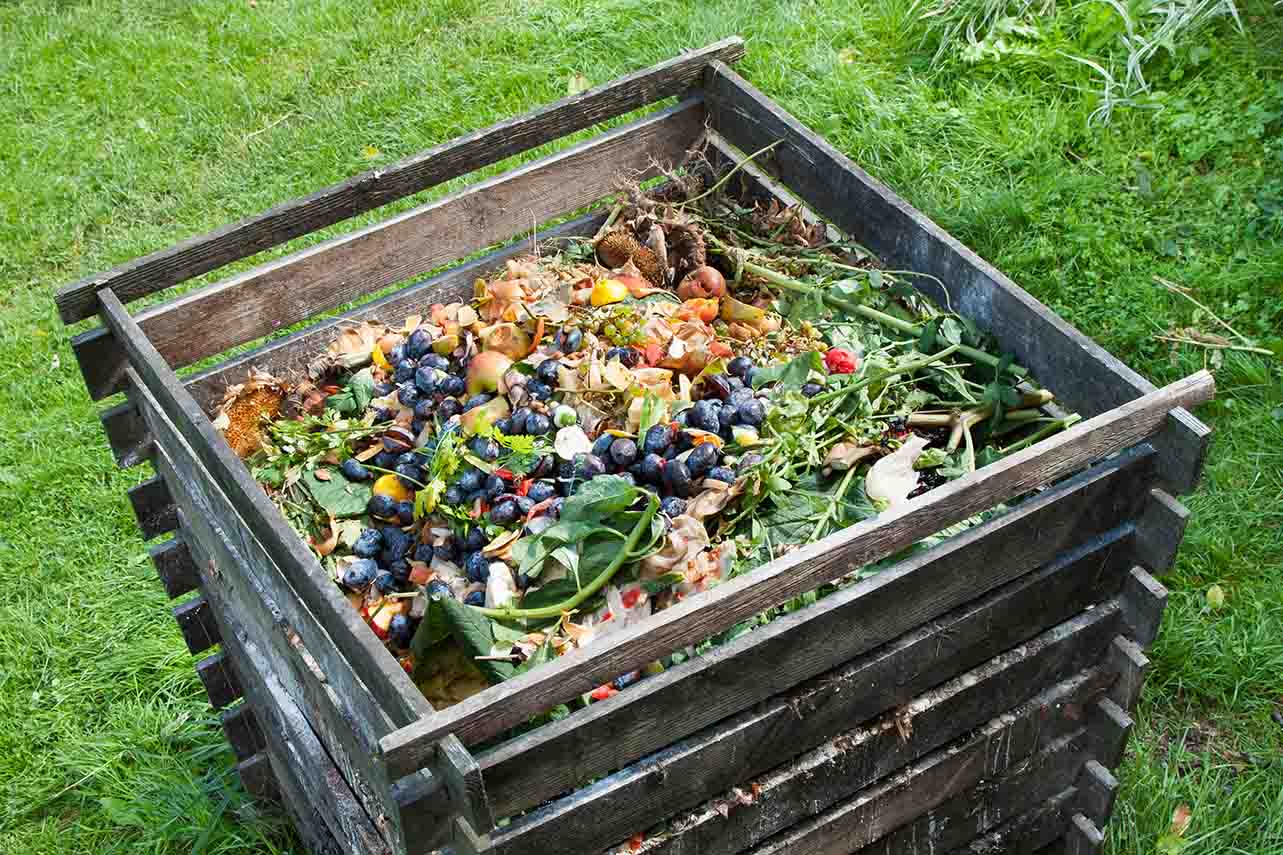
Food & Climate
Biomanufacturing offers a powerful way of decarbonizing goods by using the glucose that plants produce from carbon dioxide and sunlight, but the world cannot produce enough affordable glucose, so, the solution by transforming underutilized food waste across the agri-food supply chain.
According to the “World Economic Forum” report yesterday, that Food & Climate received, the world cannot produce enough affordable glucose to replace petroleum-based items through fermentation, so alternative sources are needed.
The promise of biomanufacturing – the use of living organisms and cells to produce molecules or other biological materials to make products such as materials, chemicals and foods – is constrained not by the technology itself, but by the world’s limited supply of affordable glucose from monocrops.
But biomanufacturing through fermentation becomes more widespread, the technology also has become more sophisticated.
By integrating synthetic biology and genetic engineering, scientists have developed new and more refined microorganisms that are more efficient and effective at their jobs. This has led to the creation of bioreactors that offer greater precision in terms of scalability and control, resulting in reduced energy consumption and a smaller carbon footprint. Because biomanufacturing processes can run effectively nonstop, this offers numerous advantages over traditional batch manufacturing, according Advanced Teck.
Biomanufacturing as a food waste solution
The solution is hiding in plain sight: our agri-food supply chain. By transforming underutilized food waste across the agri-food supply chain into high-value revenue streams, we can co-produce glucose economically and reliably, without competing for farmland, according to World Economic Forum report.
This enables countries to build local biomanufacturing capacity using diverse agricultural residues rather than relying solely on commodity crops.
However, this approach hasn’t worked yet for a simple reason. Biomass innovation has traditionally focused on agricultural residuals tied to the ethanol supply chain, including corn stover, sugarcane bagasse and forestry waste. These materials were chosen largely because they were abundant and adjacent to existing fermentation supply chains, like ethanol production.
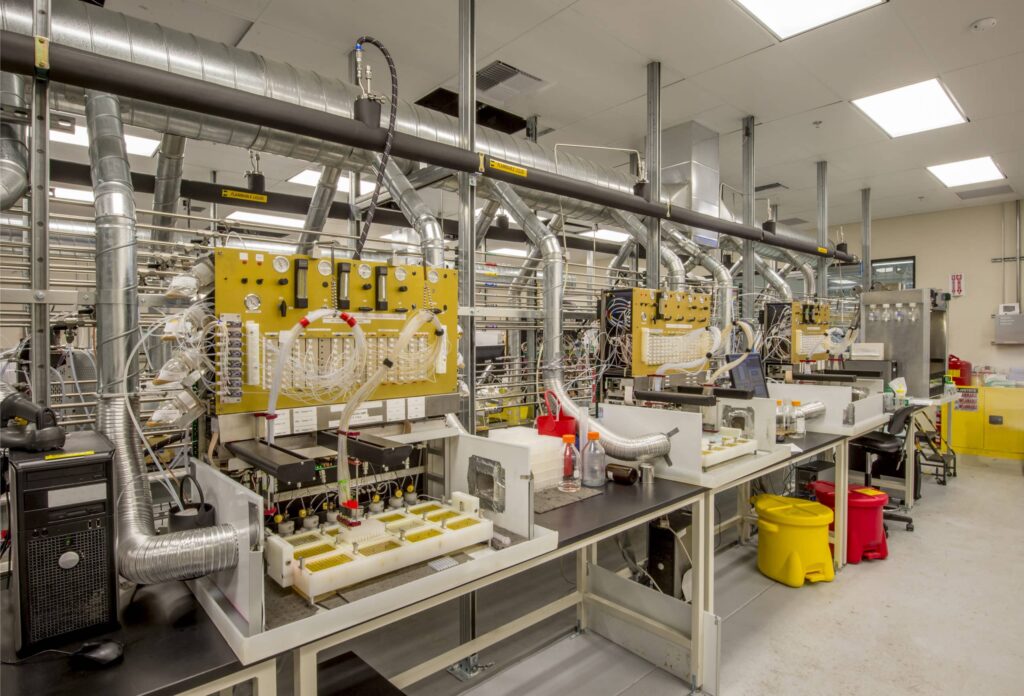
Meanwhile, food processing waste has been historically overlooked largely because its high-water content makes it perishable and expensive to transport. Yet, it contains valuable compounds that can be extracted alongside glucose: antioxidants, fibres, organic acids, lignin, proteins and oils.
If produced at the point of generation, where perishability and transport challenges can be addressed, these products fundamentally change the economics. Instead of paying for disposal, food processors gain access to a new slate of revenue-generating products.
This is the breakthrough: food waste streams with embedded value can fund the buildout of biorefining capacity, creating facilities ready to produce cost-competitive glucose at scale when market conditions demand it.
Beyond economics, this approach solves another critical challenge. Global supply chains for chemicals and materials are heavily concentrated, often dependent on a small number of countries with oil resources, large agricultural land bases, or livestock industries. This concentration increases risk and limits resilience.
However, every country, regardless of its national resources, produces food waste.
Urban centres, food processors, distribution hubs and agricultural regions all generate continuous volumes of by-products, trimmings and rejected or off-spec material. Estimates place agricultural and food processing waste at more than one billion tons annually.
By turning these local waste streams into feedstocks for glucose production, nations can build independent, distributed biomanufacturing capacity without depending on oil, monocrops, or enormous land footprints.
This unlocks new domestic pathways to biobased chemicals, materials, foods, nutritional ingredients and essential inputs for pharmaceuticals and industrial processes.
Business benefits of a circular food system
Beyond helping local manufacturing, the most overlooked benefit of a circular food system is that it creates an extremely profitable business model. Food processors today often pay for waste disposal, costs that erode margins and create operational inefficiencies.
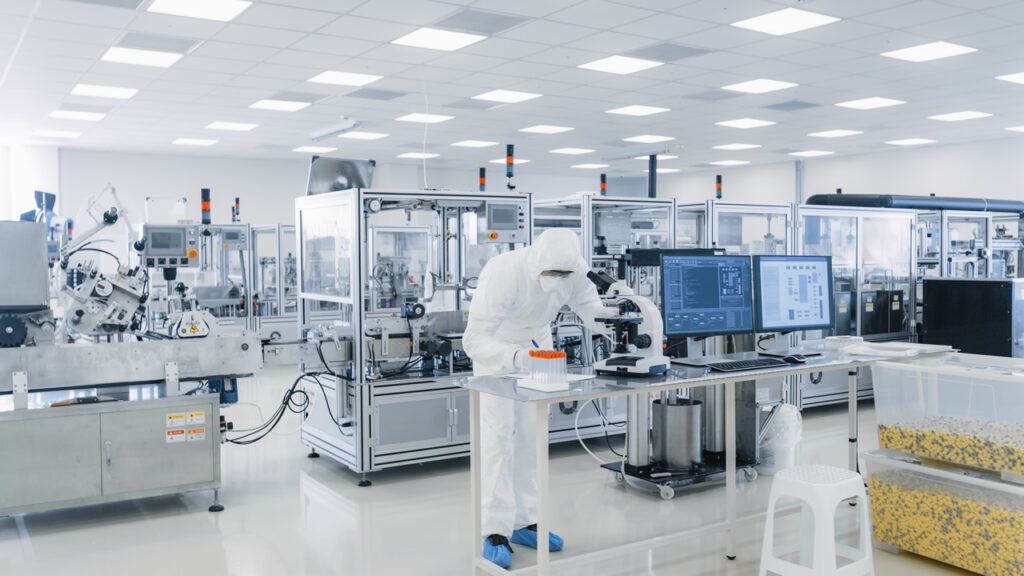
Valorizing that biomass flips the economics entirely. Instead of a cost centre, waste becomes a revenue-generating asset, often at margins higher than the core food products themselves.
Products such as functional fibres, natural colourants, organic acids, flavour compounds, antioxidants and proteins all command meaningful market prices today. As the global population is set to rise to 9.8 billion people by 2050, demand for cleaner products and ingredients is only set to grow.
When these are extracted in parallel with products from the core business, the economics become so attractive that biomass valorization can meaningfully improve company profitability.
For the food industry, this means new recurring revenue streams, lower disposal and logistics costs, and product diversification and resilience. However, perhaps most importantly, as a driver of change, the sustainable solution is directly aligned with profitability.
Put simply, it is a genuine win for the climate, food processors and the food industry as a whole. Valorization doesn’t just strengthen climate impact; it also strengthens the bottom line of the food industry at large.